What Heat and Age Do to a Laredo Garage Door Opener
Most Laredo houses date to 1975-2007, and that opener era plus severe summer heat and grid power cuts is why so many motors fail here in July and August.
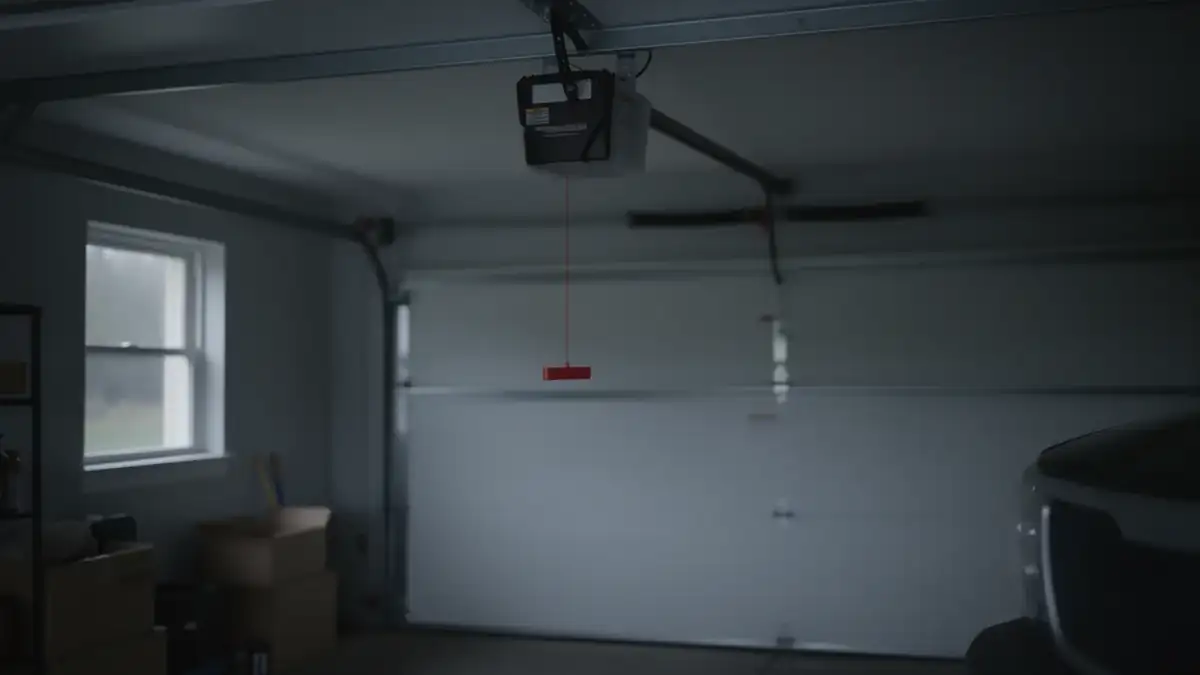
The service area here runs mostly on housing built between 1975 and 2007, with the median home dating to 1992. That matters for openers because a lot of those units are original, or close to it, and they were never built with a Laredo summer in mind. When the heat band in this part of Texas hits severe levels, the motor housing on an older chain-drive opener sits in a garage that can run twenty-plus degrees hotter than the outside air. Spring and fall are when these units still work fine. Summer is when the same opener that's been fine for years suddenly won't lift the door, or lifts it halfway and stalls. If your opener dates close to when your house was built - call it early-to-mid 1990s for a lot of this area - you're past the point where "it still runs" tells you much about how much life is left in it. The capacitors and circuit boards degrade with heat cycling whether the unit gets used daily or twice a week. That's the seasonal pattern worth knowing before August, not during it.
What Is Going On
Across the three main pockets of housing stock from the 1980s and 90s, the openers installed at construction are either still in the garage or were swapped once, maybe twice. A unit from 1992 is over thirty years old. Even a replacement installed in the early 2000s is pushing two decades. Chain-drive motors from that era don't have the thermal cutoffs or battery backup that current units carry standard, so when a power cut hits during a heat event, the opener doesn't fail gracefully - it just stops, often mid-cycle with the door half up or half down. What's going on in most service calls isn't a dramatic failure. It's a slow one: a capacitor that's been cooking in a hot garage for fifteen summers finally gives out, or a logic board that's taken enough heat cycles that it stops reading the remote. The age of the housing stock here means this isn't a rare edge case - it's the single most common reason for a no-start call in this area.
What the Weather Here Does to It
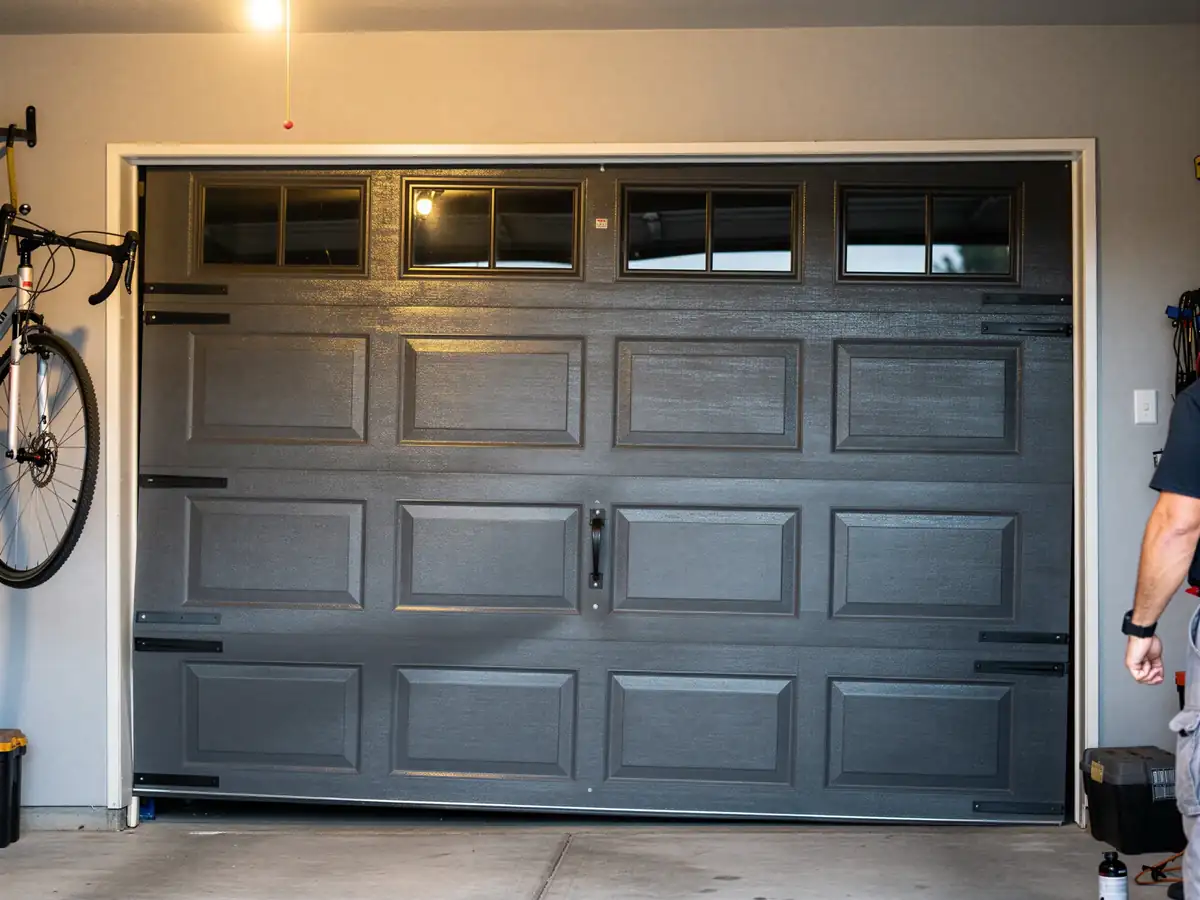
Severe heat does two things to a garage door opener, and neither is dramatic on its own. First, it shortens the life of the electronics - the capacitor and control board are rated for a temperature range, and a closed garage in direct sun routinely exceeds it for months at a time. Second, it coincides with the local grid's worst moments: when everyone's air conditioning is maxed out, power cuts happen, and an opener without battery backup just stops wherever it was in its cycle. That's a door stuck half-open in July, which is its own problem - security, and letting hot air and dust into the garage. We don't have wind or hail data for this area, so we're not going to claim storm damage drives these calls. Heat and the power cuts that come with it do. If your opener doesn't have battery backup, that's the gap worth closing before summer, not after the door's already stuck.
The Cost of This Job
We don't have a set price to quote here, and we're not going to invent one. What we can tell you is how to think about it. With median household income in this area around $40,000 and roughly 1,600 owner-occupied houses in the service area, most calls we get are repair-first, not replace-first - people want the existing opener fixed if it can be fixed. A capacitor or logic board swap on an otherwise sound motor is usually worth doing. Where it stops being worth it: if the opener is original to a house built in the early 1990s and the motor itself has gone, not just the electronics, you're often better off replacing the whole unit with one that has battery backup built in, rather than patching a thirty-year-old motor that'll just fail again the next hot summer. That's the honest tradeoff - we'll tell you which side of that line your unit is on before we start, not after.
How it works
From “it’s stuck” to “it’s fixed”
01
Tell us what’s wrong
Describe the symptom - won’t open, loud bang, opener runs but the door won’t move.
02
On-site diagnosis
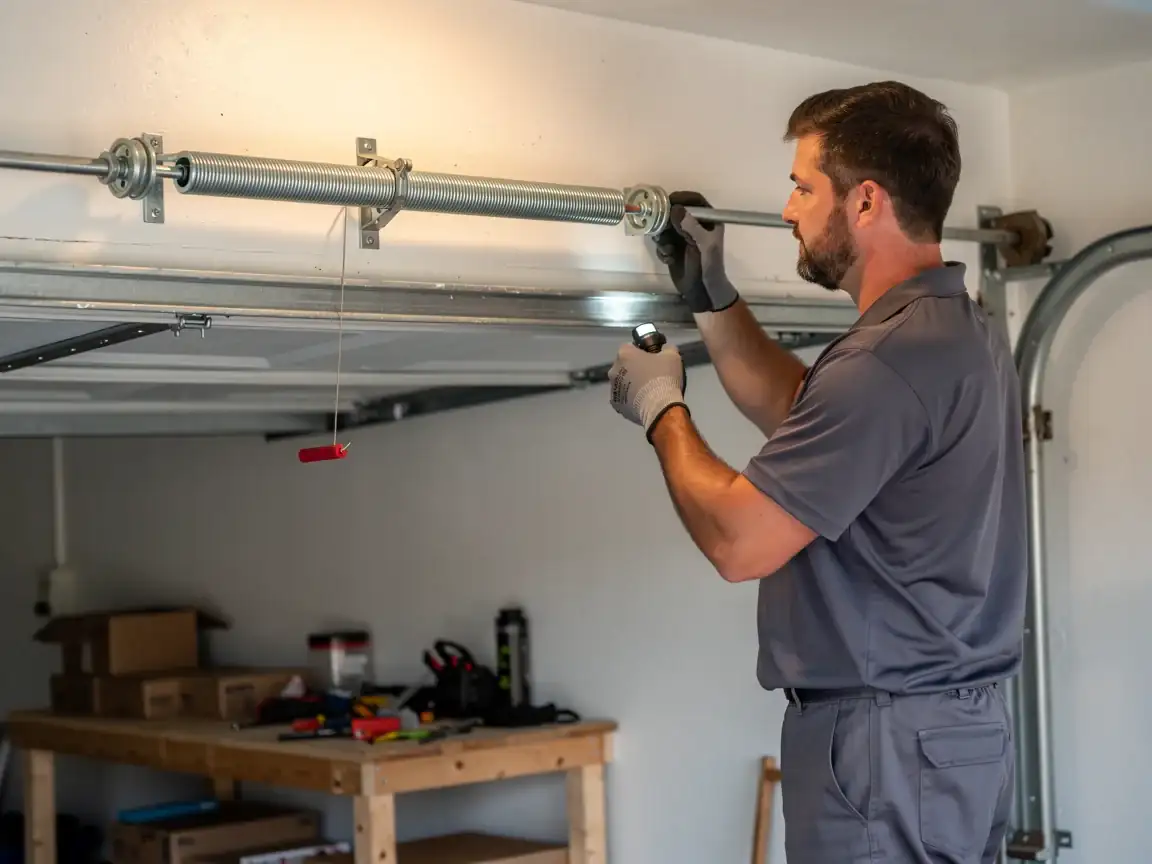
A technician tests the door under power and by hand and finds what actually failed.
03
Clear, up-front plan
You get the fix that’s needed and what drives the cost - before any work starts.
04
Repaired & tested
The repair is done, the door is set true and tested, and the work area left clean.
Not sure which repair your door needs in Laredo, TX? Describe what it’s doing - every job starts with a diagnosis.
Because heat is the stress that finds the weak point first. A capacitor or board that's been degrading for years can limp along in cooler months and then fail once garage temperatures climb into severe-heat range, which is what this area sees for a good stretch of the year.
Is my opener old enough to be the problem?
If your house dates to the 1980s or 90s, which covers most of this area, and the opener is original or a first replacement, it's likely 20 to 30+ years old. That's well past the design life of the motor and electronics, especially with the heat cycling they've taken.
Should I add battery backup to an old opener?
Often yes, if the motor itself is still sound. Battery backup means a power cut during a heat-driven grid strain doesn't leave your door stuck mid-cycle. It's a smaller cost than full replacement and solves the specific failure mode we see most.
Do you serve areas outside the immediate area?
We cover this area and the nearby points - to the SSW, and the Unitec Industrial Park area to the NNE - plus calls out toward Los Fresnos when needed.
Ready to get your garage door sorted?
Tell us what it’s doing and where you are in Laredo - we’ll take it from there.