Garage Door Installation for Laredo Homes Built in the 90s and Early 2000s
Most Laredo garages still run 1990s-era doors built before today's heat codes. We install sections, tracks, and openers sized for this climate and this housing stock.
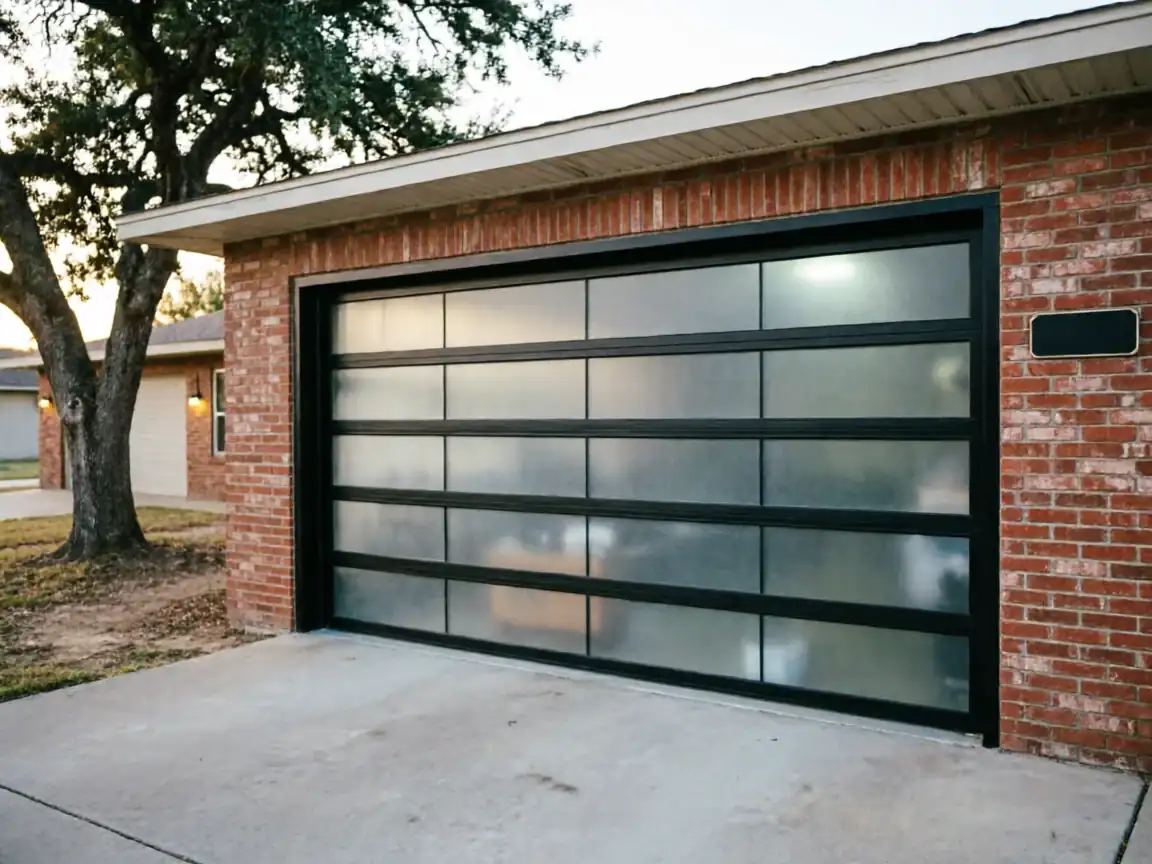
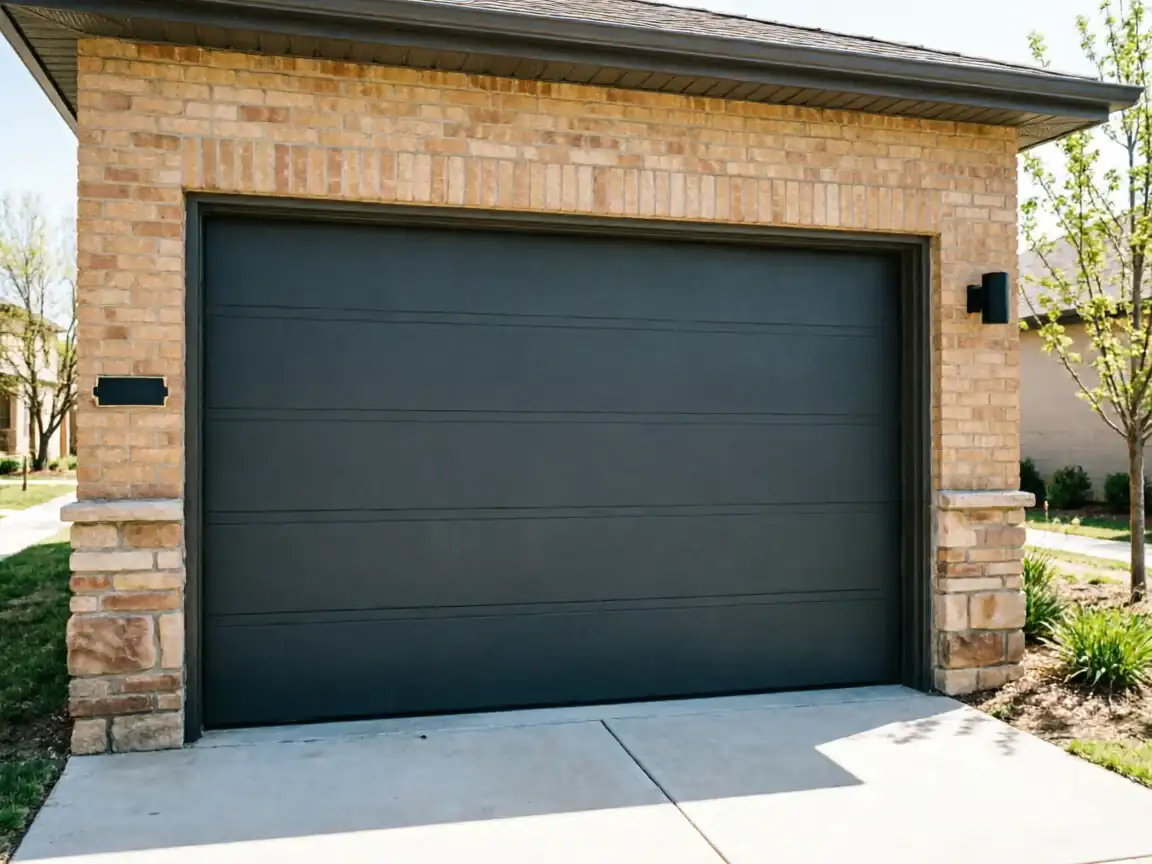
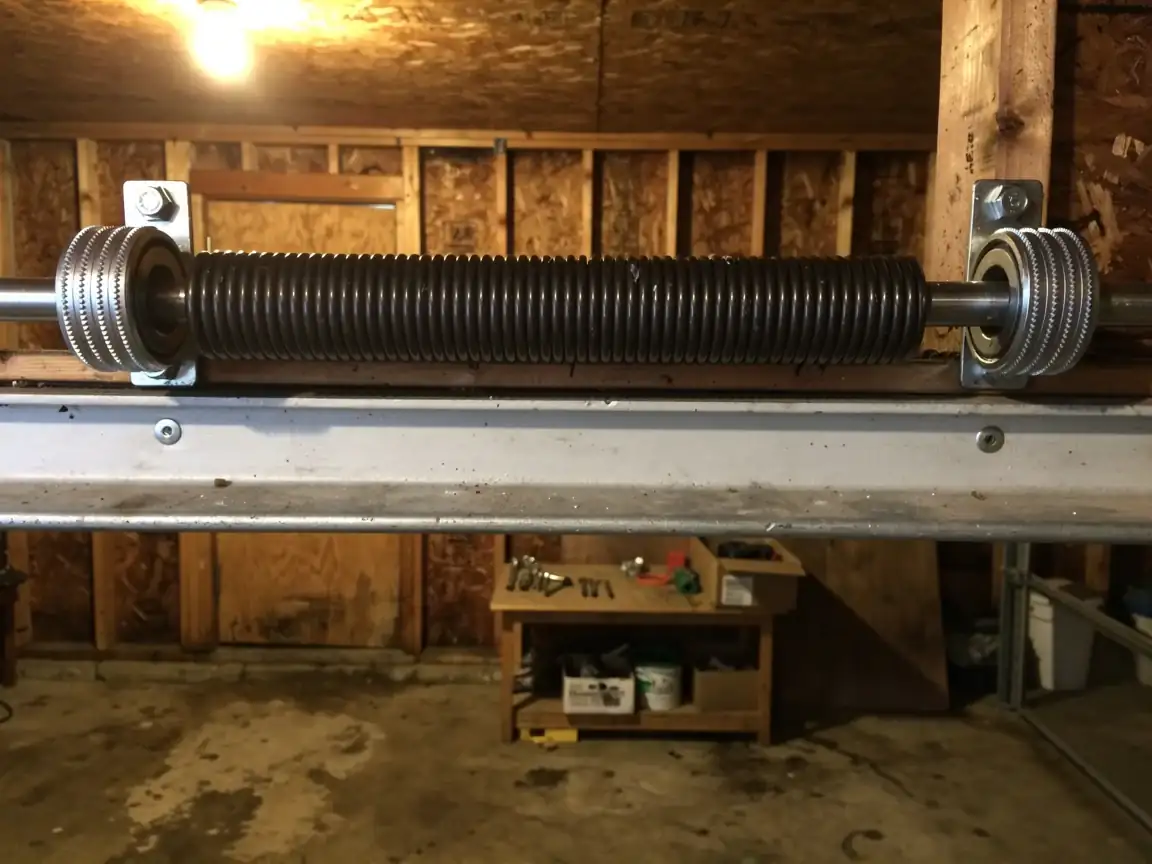
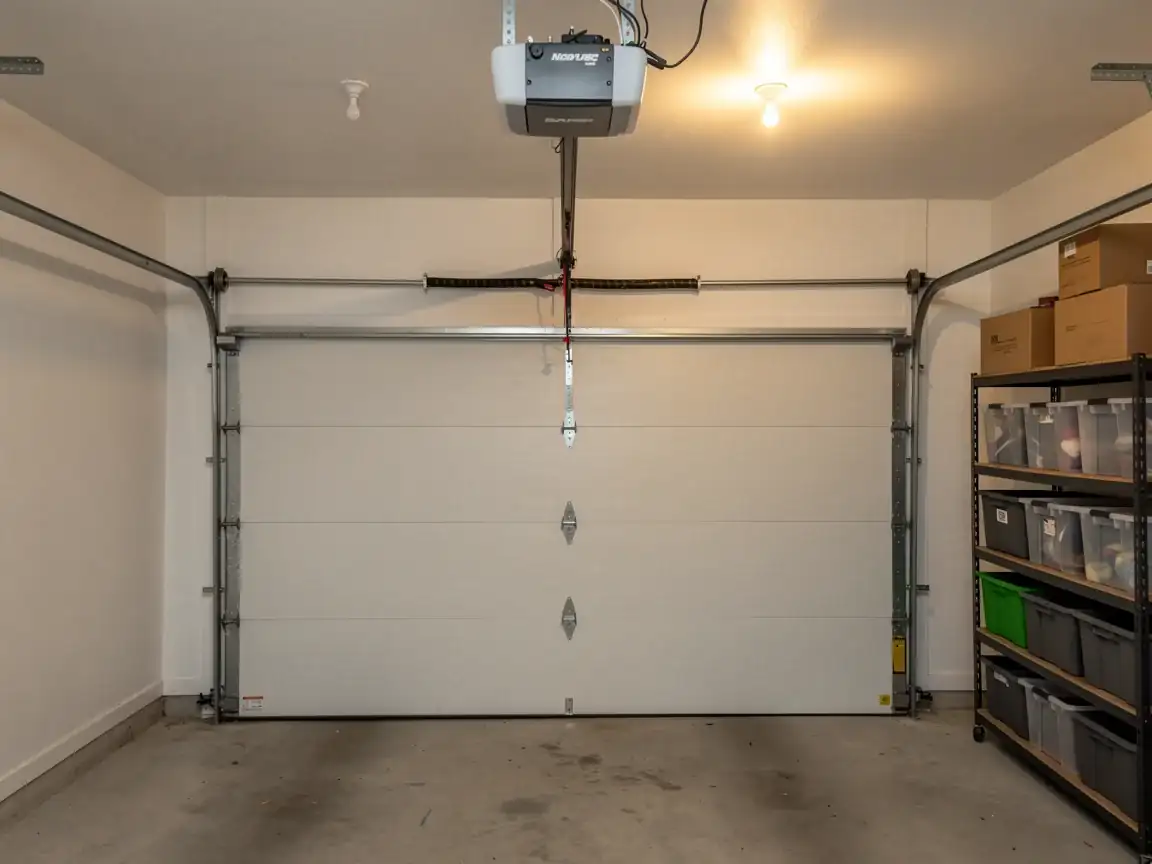
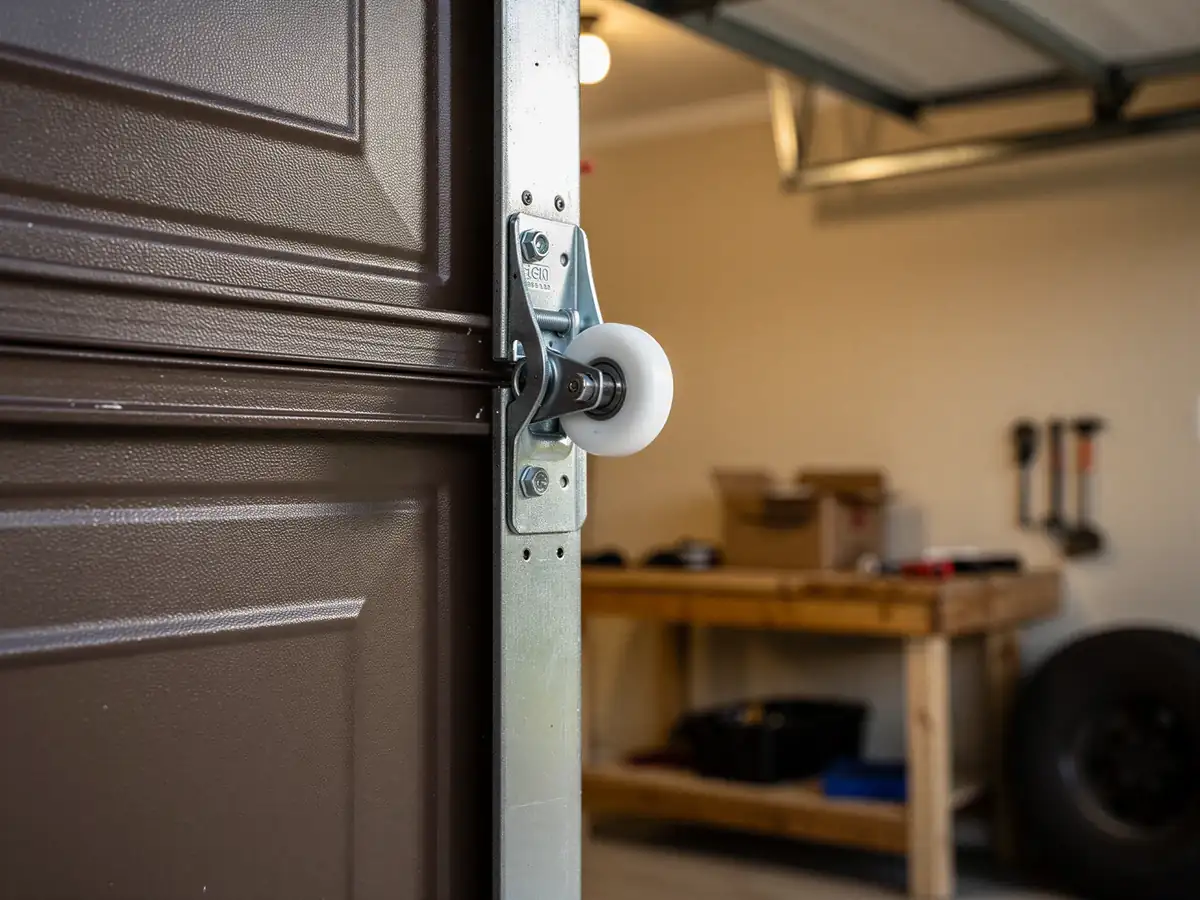
We keep insulated steel sections, heavy-gauge torsion springs rated for daily heat cycling, and high-cycle nylon rollers on the truck, because that's what a Laredo install actually calls for. Most of the housing stock across this service area went up between 1975 and 2007, with a cluster from the 1980s and 90s, and those openings were framed for single-layer, non-insulated doors that never accounted for the kind of sustained heat this region sees. When we swap one out, we're not matching a builder-grade door with another builder-grade door. We size the new panel and track to the opening as it actually sits today, which on a 90s-era house often means shimming for settling and replacing the jamb seal, not just bolting on a new face. We don't stock every opener brand on the market - if you want a specific smart-home integration tied to one manufacturer's app, we'll tell you upfront whether we carry it or whether that's a special order with a longer wait. Belt-drive openers are what we install most, because garages here sit close to living space and a quiet drive matters more than it does in a detached garage up north.
How We Fix It
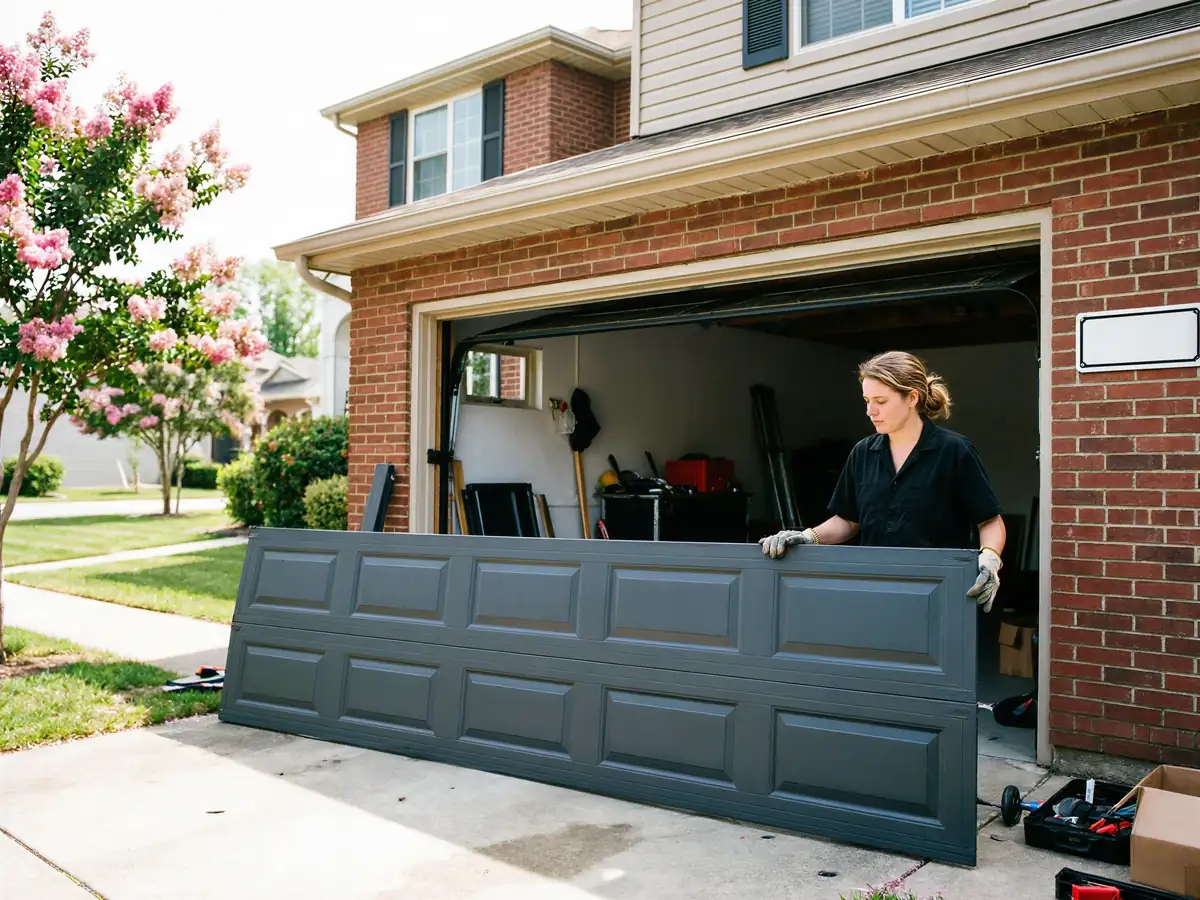
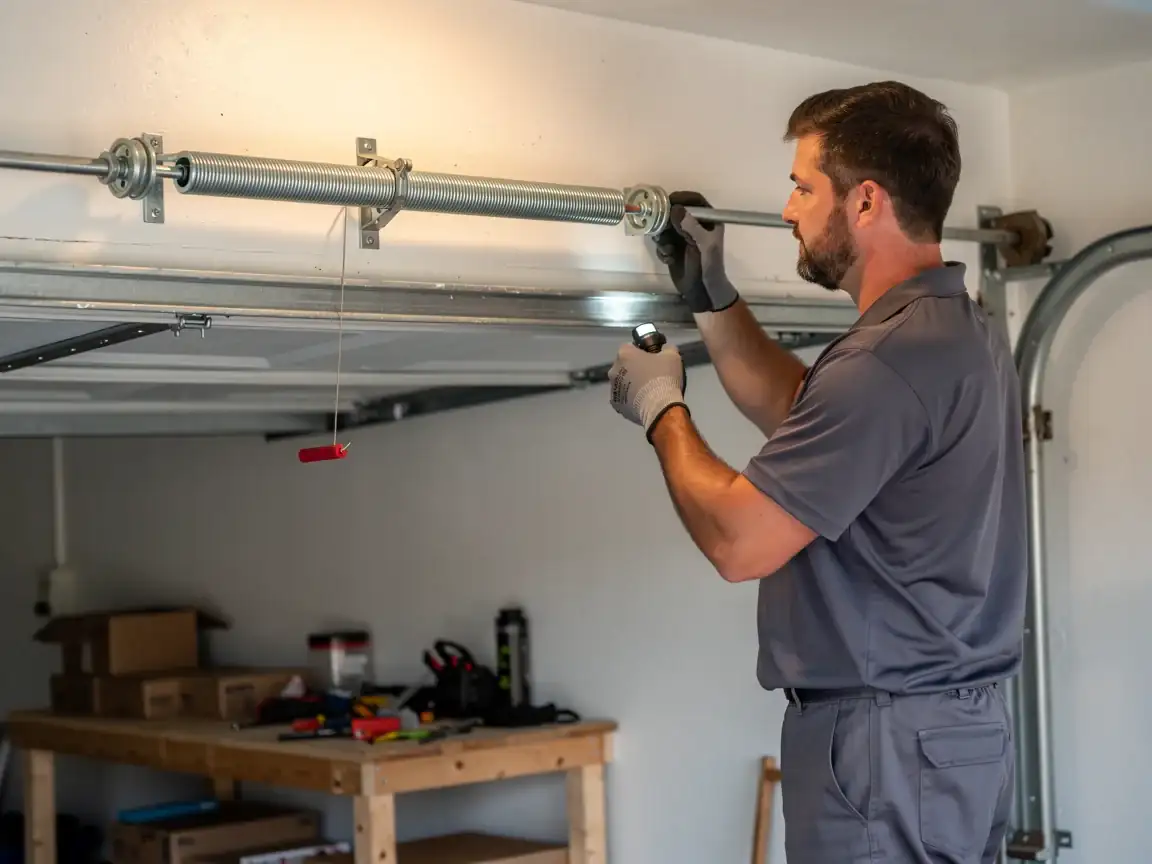
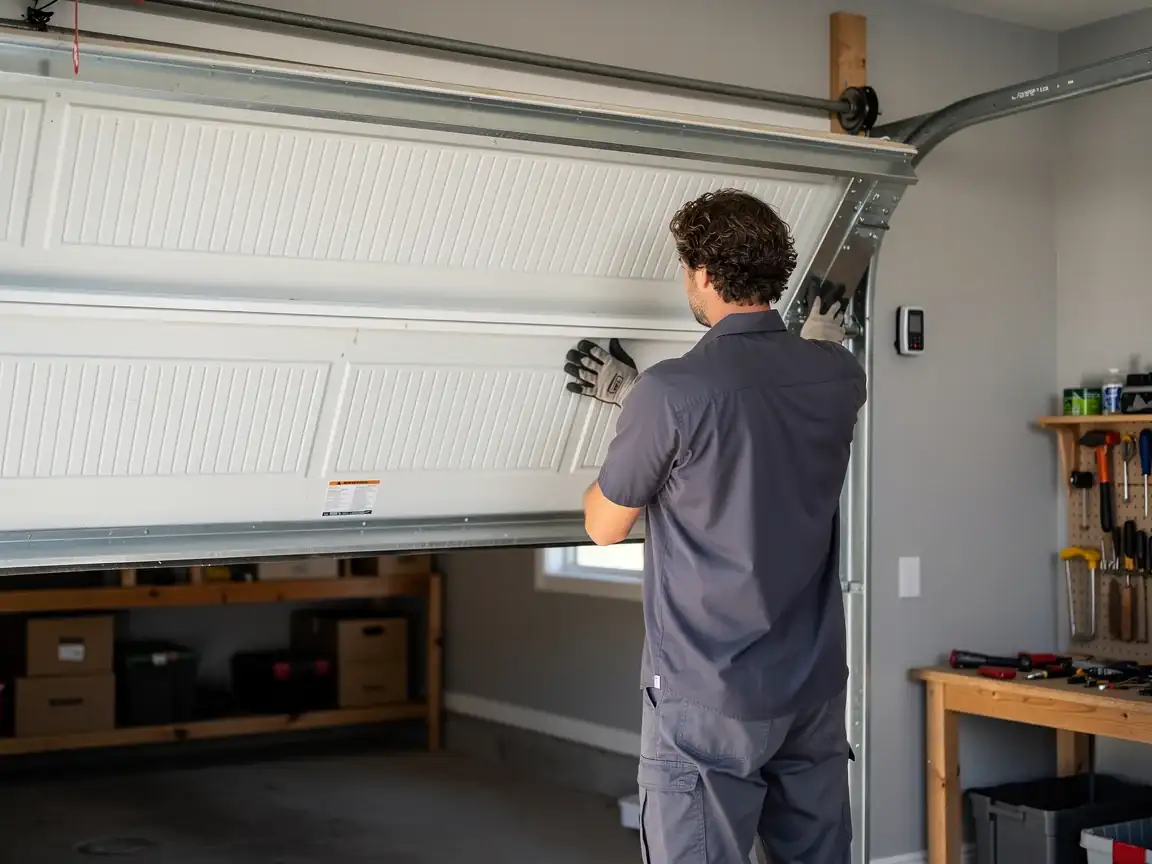
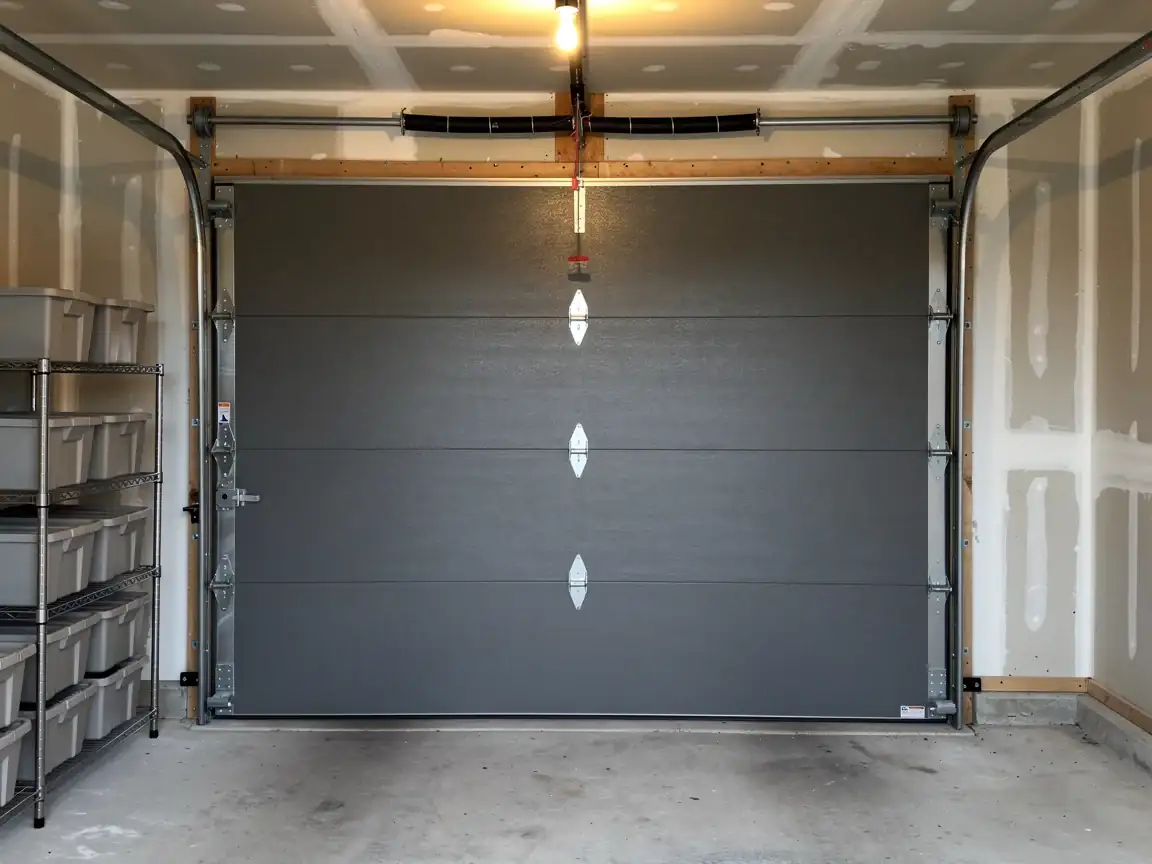
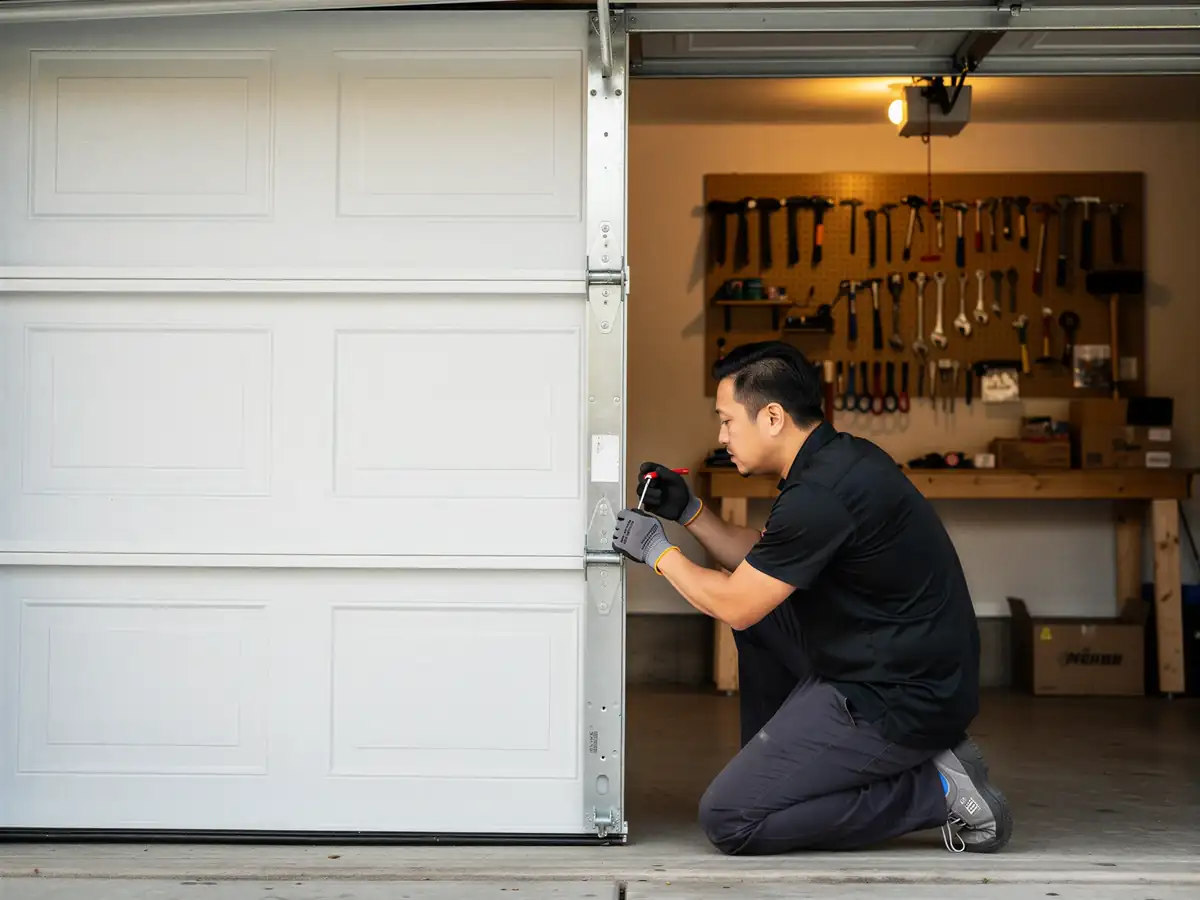
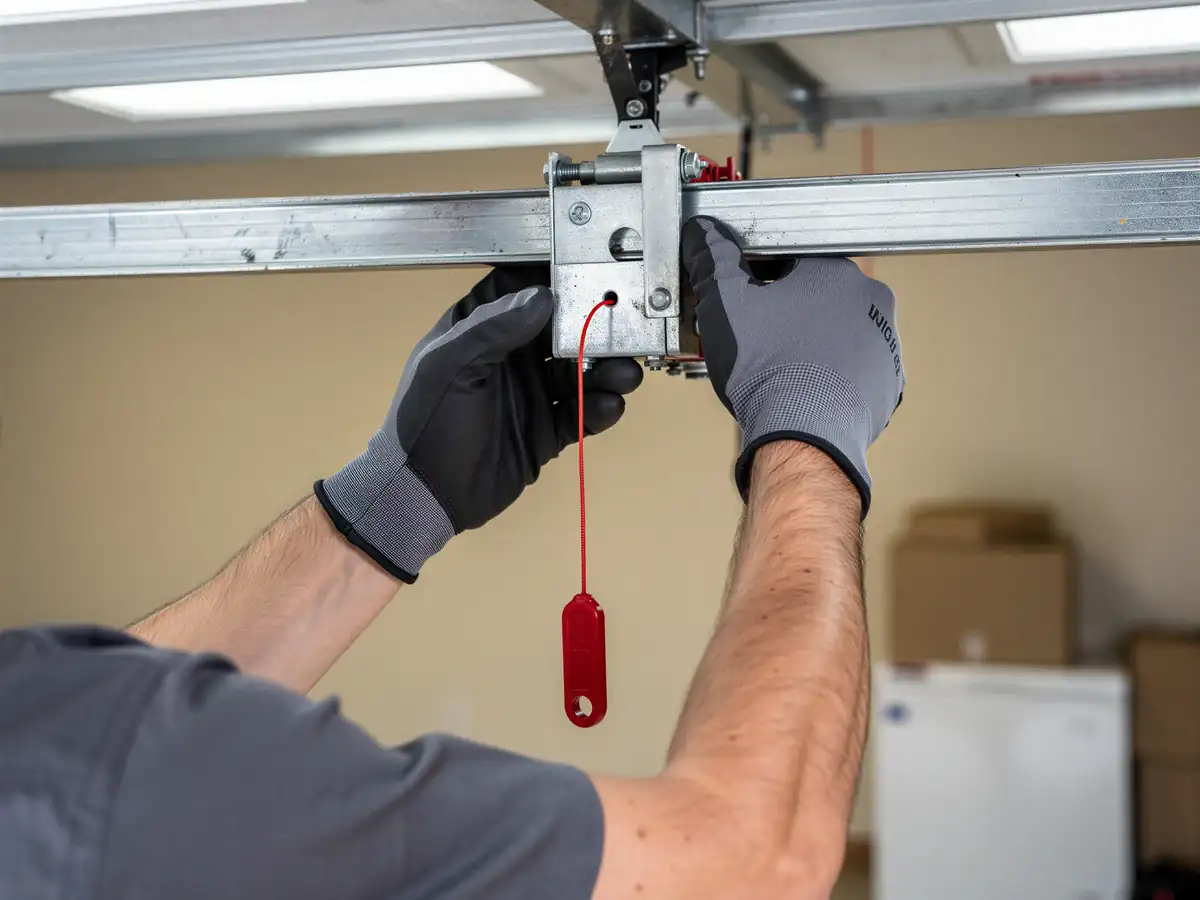
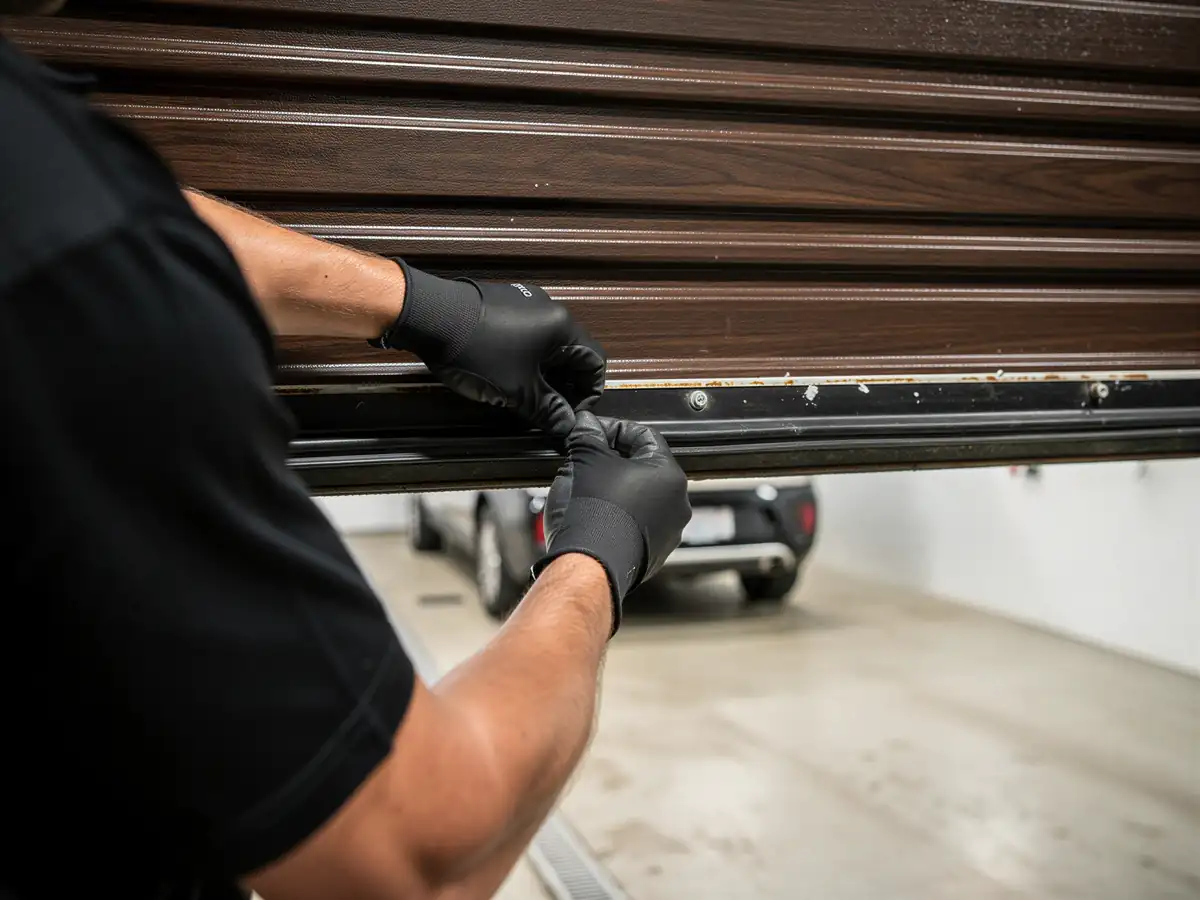
Installation starts with pulling the old track plumb and checking the header for rot or pest damage before anything new goes up - skip that step on a house from the 80s or 90s and the new door will rack within a year. We set new vertical tracks, mount a torsion spring sized to the actual door weight (not the sticker weight, since insulated replacements run heavier than the single-layer doors they replace), and balance the door by hand before the opener ever gets wired in. For the roughly 1,608 owner-occupied houses we could be serving across this area, the most common call isn't a dead door, it's an owner who wants the old 1990s steel slab replaced with an insulated door before another Laredo summer, and that job runs differently than a repair: new weatherstrip at the jamb, a new bottom seal rated for high pavement heat, and anchoring that accounts for a slab that may have shifted over 20-plus years. We test full-cycle balance and auto-reverse before we leave, every time.
How It Shows Up
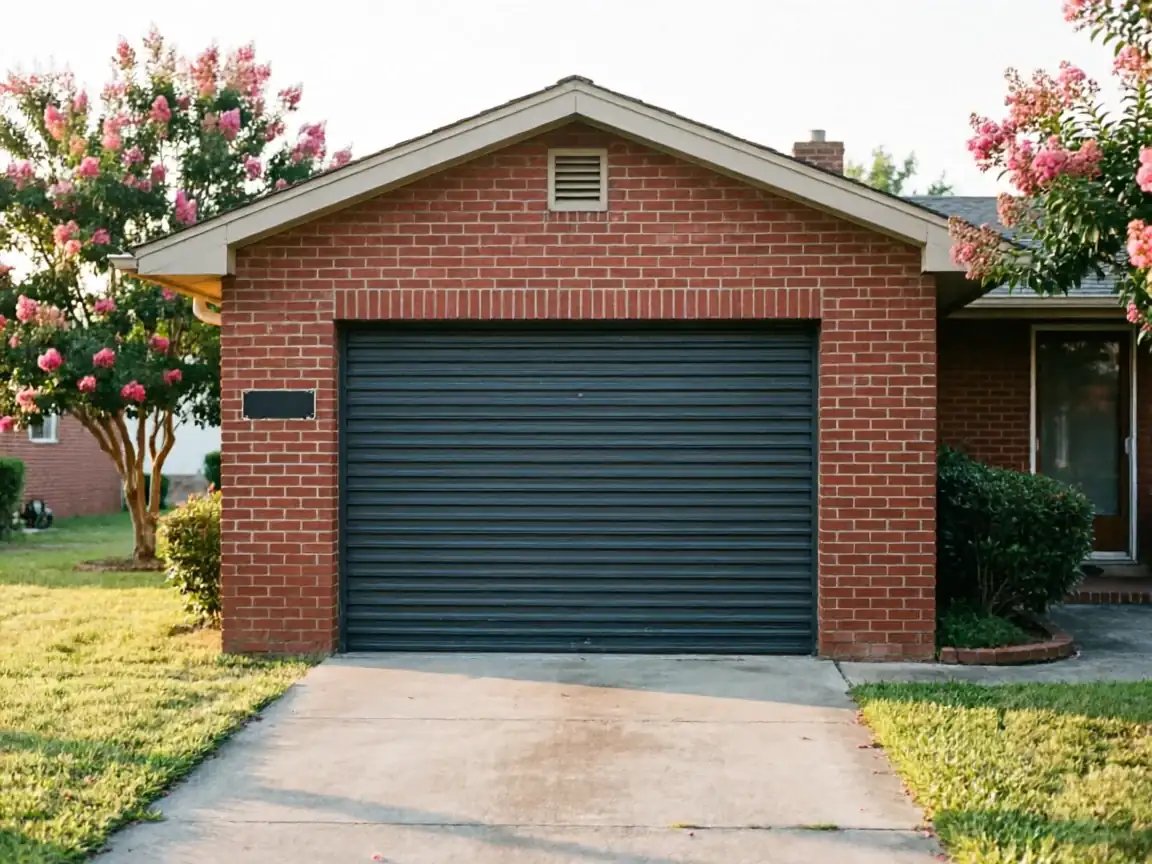
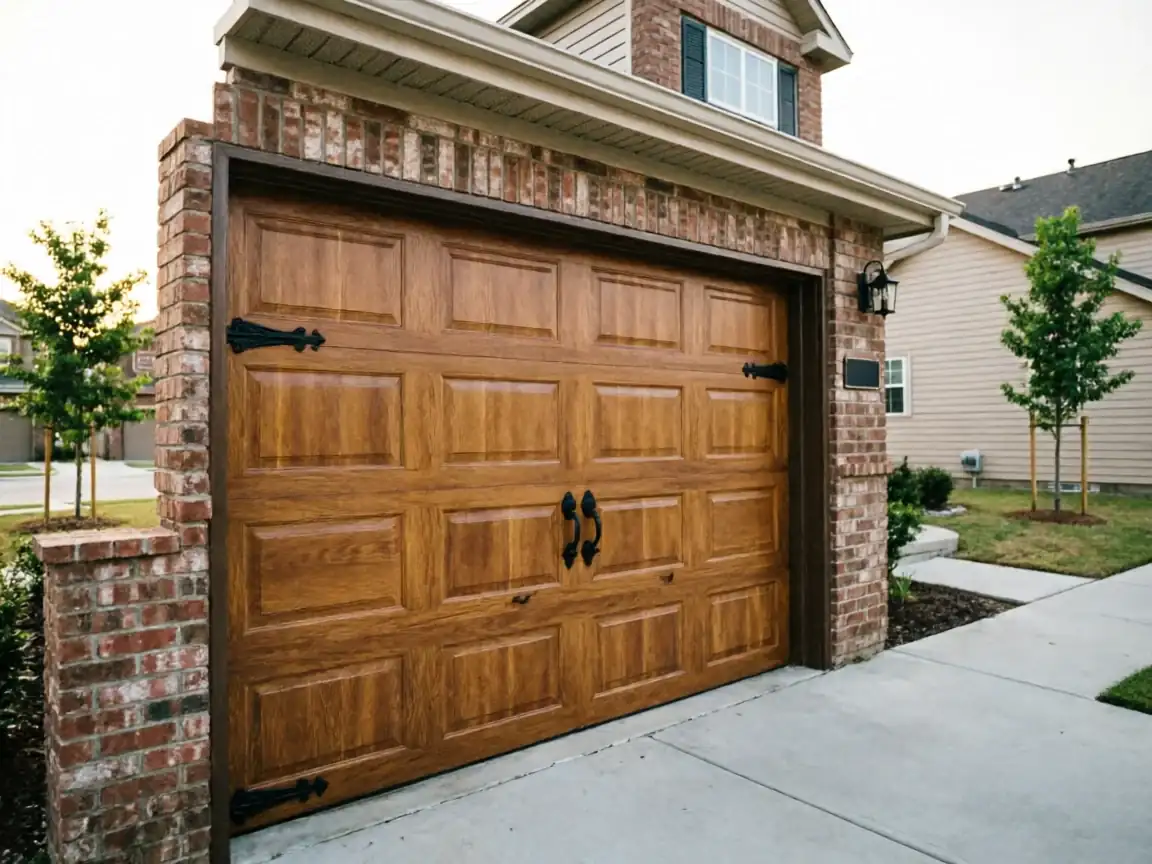
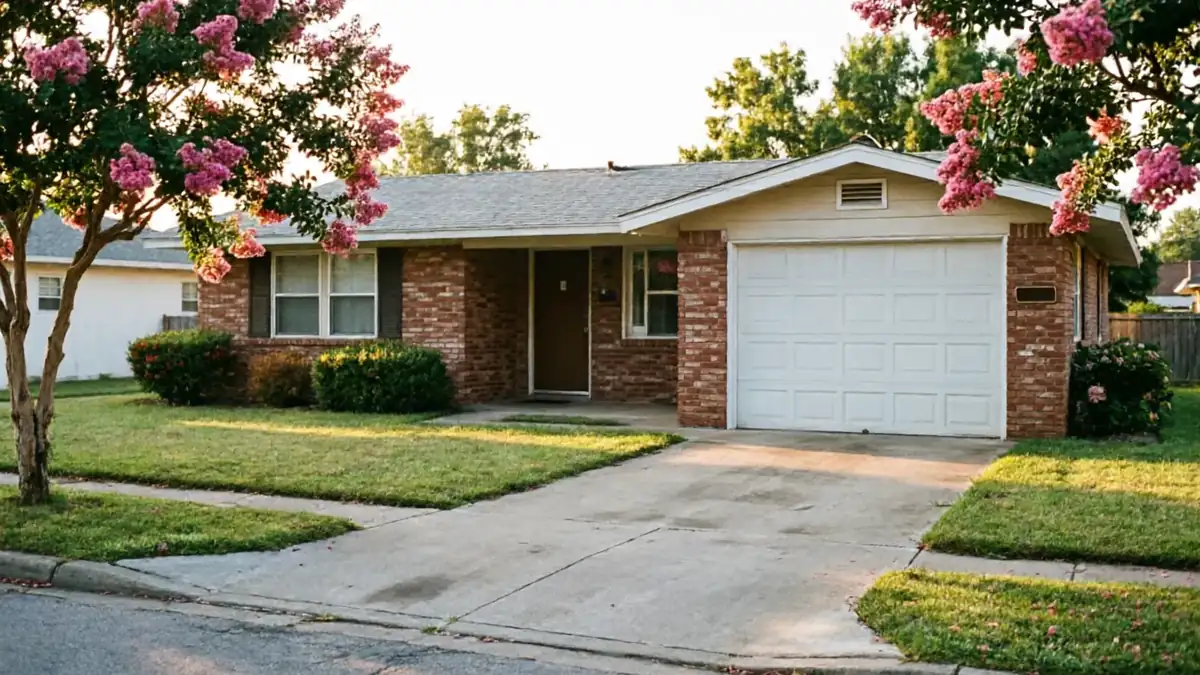
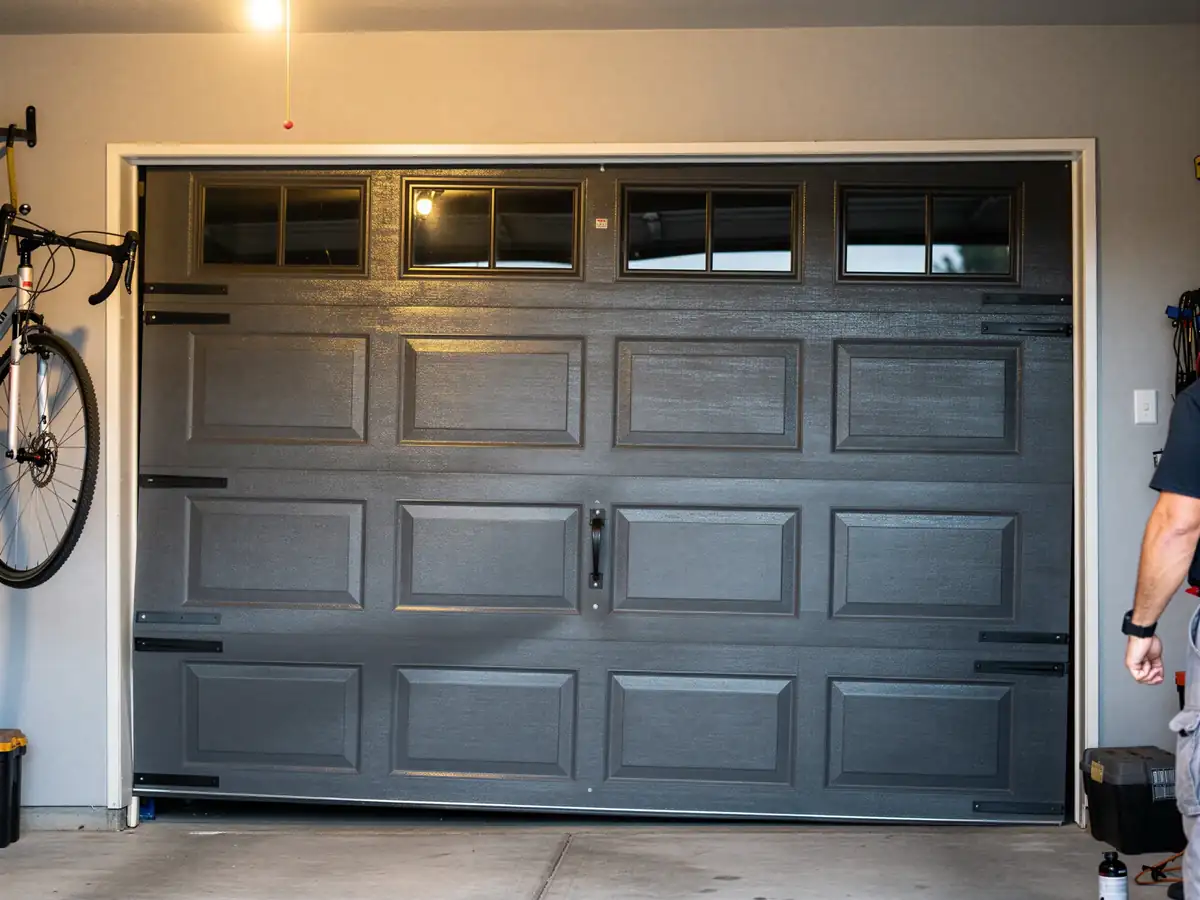
On a house built in the 1980s or 90s, the sign you need a new install rather than another repair usually isn't dramatic. It's a door that's been resprung twice already, panels with heat-warp you can see as a wave when the sun hits the face in late afternoon, or an opener motor that strains harder every summer and finally won't lift at all once the heat sets in. Non-insulated steel from that era conducts heat straight into the garage, which is why a lot of owners notice the real problem isn't the door mechanism at all - it's that the attached garage runs 15-20 degrees hotter than the house, and a new insulated section fixes that side effect along with the hardware. We also see original builder-grade tracks that were never rated for the heavier insulated replacement doors owners want now, which means a repair call turns into a full install once we're actually under the header. If your door still opens fine and the weatherstrip is intact, you likely don't need us yet - that's the honest answer, not an upsell.
Why It Happens Here
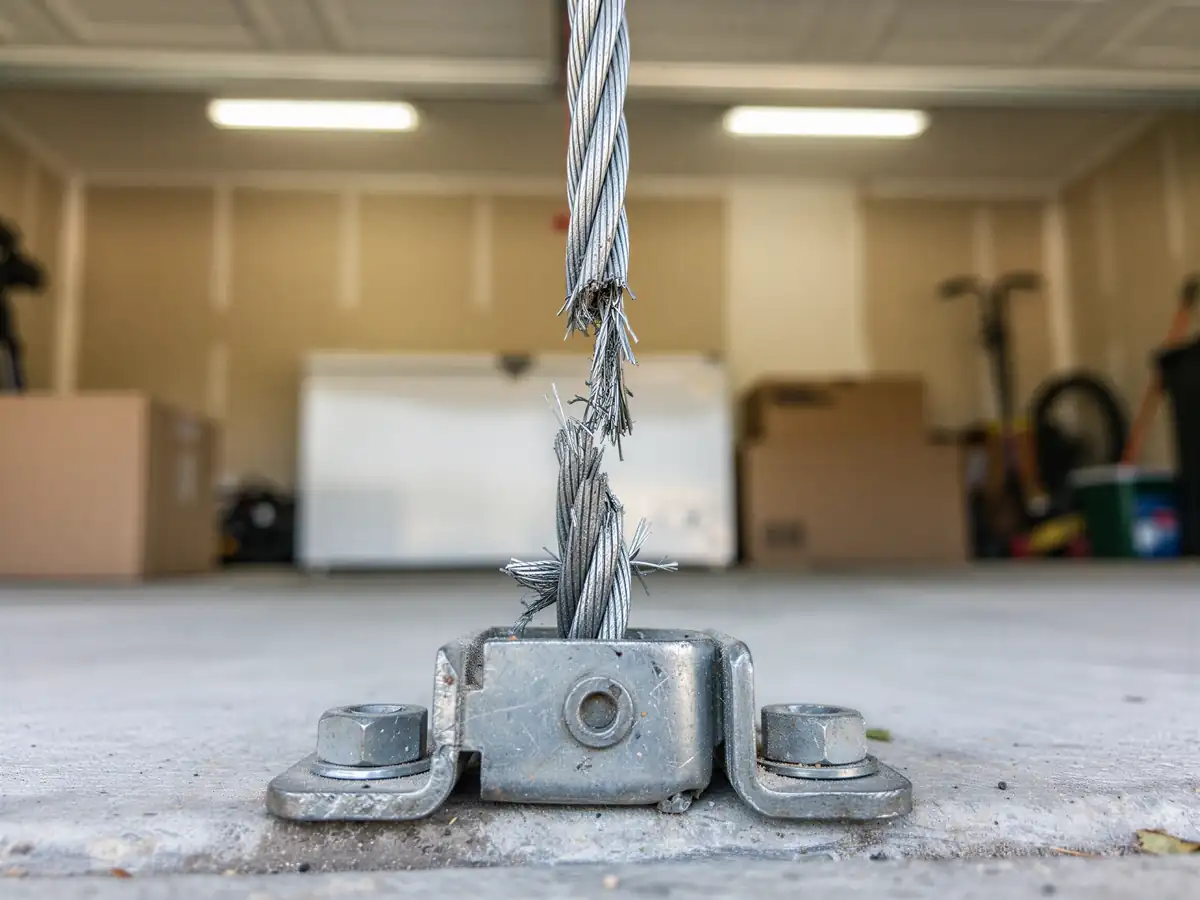
Laredo sits in a severe-heat climate band, and that's the single biggest factor in why garage doors here fail or age out faster than the repair shelf life you'd expect from a door this young. Steel expands and contracts daily, not seasonally, and original hardware from the 1975-2007 building wave was mostly spec'd to a national average, not to pavement-level heat sustained for months. Springs lose temper faster, nylon rollers that were fine in a mild climate crack, and non-insulated panels bow slightly from one side being in direct sun. None of that is unique to one street - it's the whole stock across this area, from the side a few miles southwest to just south of town, built in roughly the same two-decade window with roughly the same materials. An install done today with heat-rated springs and a properly sealed insulated door is going to outlast a straight swap of the original builder-grade parts, and that's the gap we're actually closing.
How it works
From “it’s stuck” to “it’s fixed”
01
Tell us what’s wrong
Describe the symptom - won’t open, loud bang, opener runs but the door won’t move.
02
On-site diagnosis
A technician tests the door under power and by hand and finds what actually failed.
03
Clear, up-front plan
You get the fix that’s needed and what drives the cost - before any work starts.
04
Repaired & tested
The repair is done, the door is set true and tested, and the work area left clean.
Not sure which repair your door needs in Laredo, TX? Describe what it’s doing - every job starts with a diagnosis.
How long does a full garage door installation take in Laredo?
We don't have a fixed hour count to publish since it depends on the opening and whether we're also replacing track or header hardware. What we can say is that most 1980s-90s era houses in this area need more prep than a newer install because of settling and non-insulated original framing, so budget more than a bare-bones swap.
Do I need an insulated door if I'm already replacing mine?
Given the severe heat this area sees, most owners come out ahead with an insulated section over a straight steel replacement, since it cuts the heat load on the garage itself, not just the door's lifespan. It costs more upfront, and we'll tell you that plainly - it's not the right call for every garage, like one that's rarely used.
Will a new opener work with my existing 1990s track?
Sometimes, but often not safely. A lot of original track and spring hardware from that era was sized for lighter, non-insulated doors, and bolting a heavier insulated door onto old track can throw the balance off fast. We check this before quoting rather than assuming the old hardware is fine.
Ready to get your garage door sorted?
Tell us what it’s doing and where you are in Laredo - we’ll take it from there.