What We Do Most in This Area
We make the 52-mile run from Laredo out to Hebbronville for jobs that match the age of the housing stock here
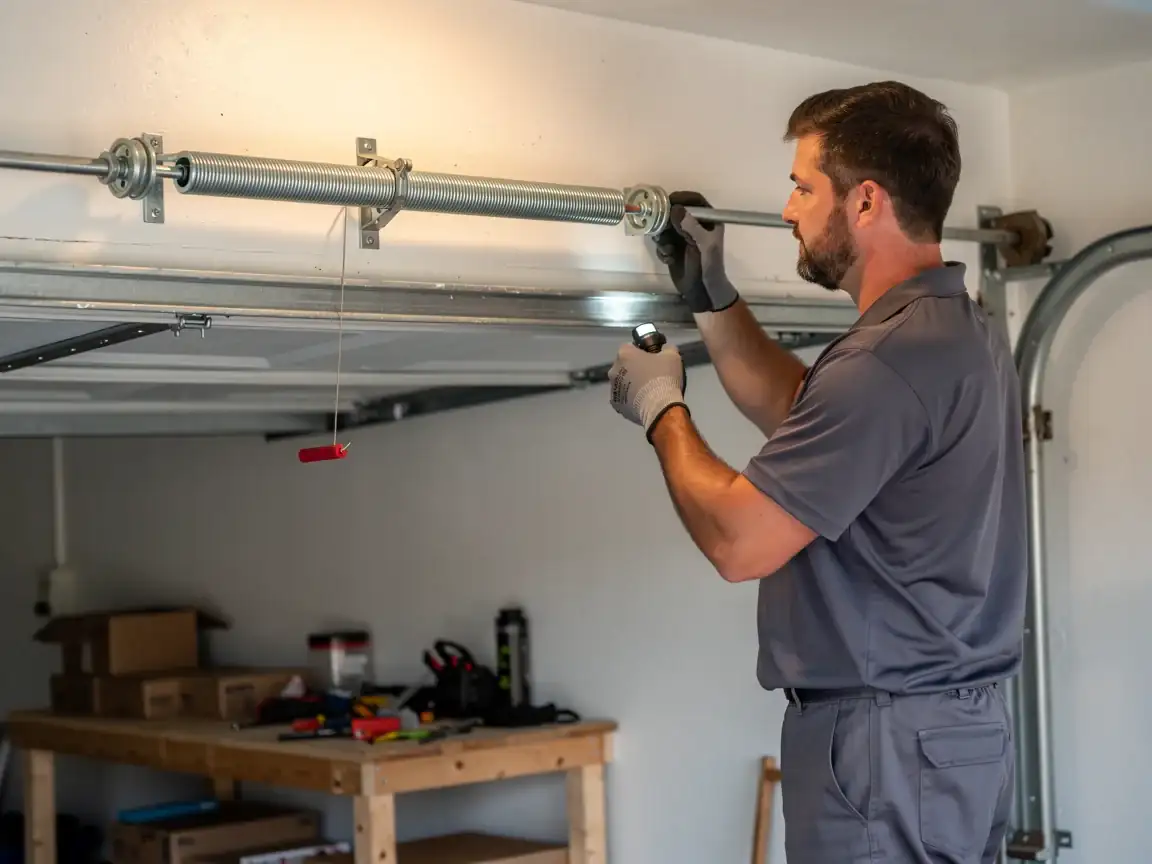
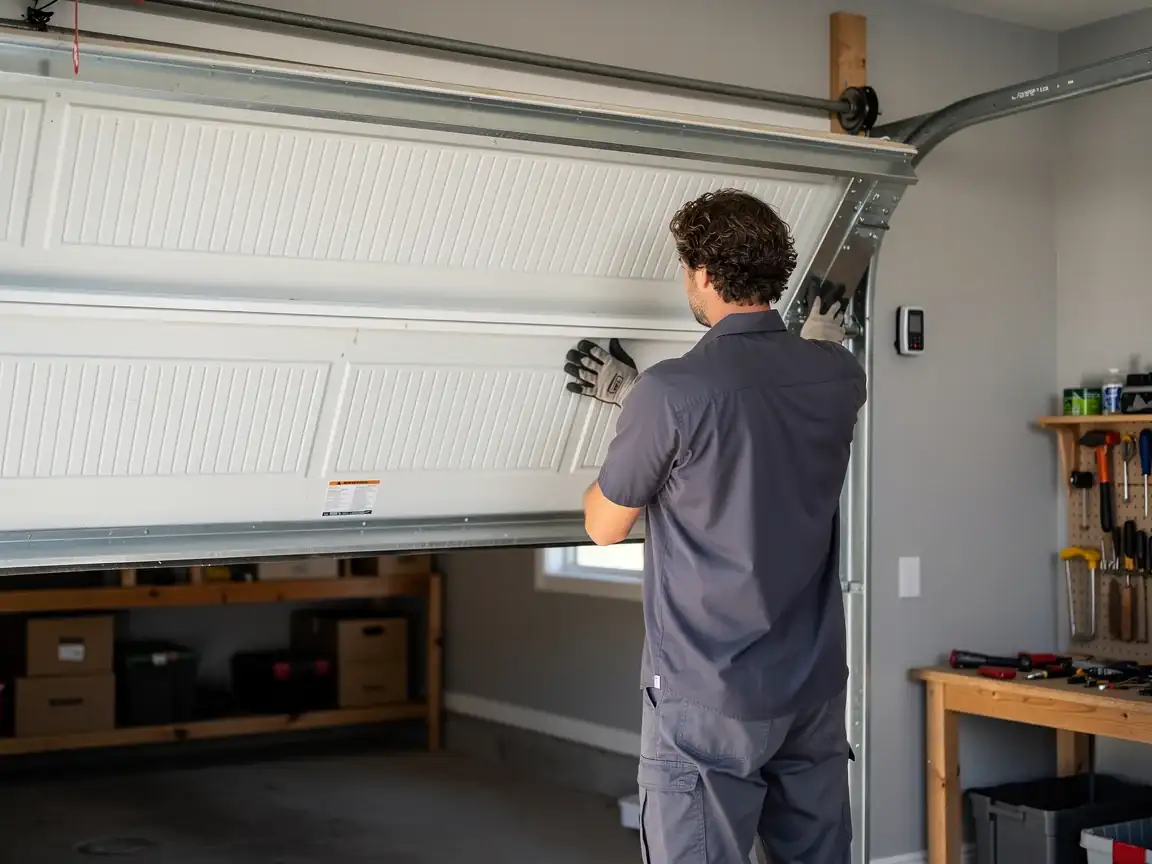
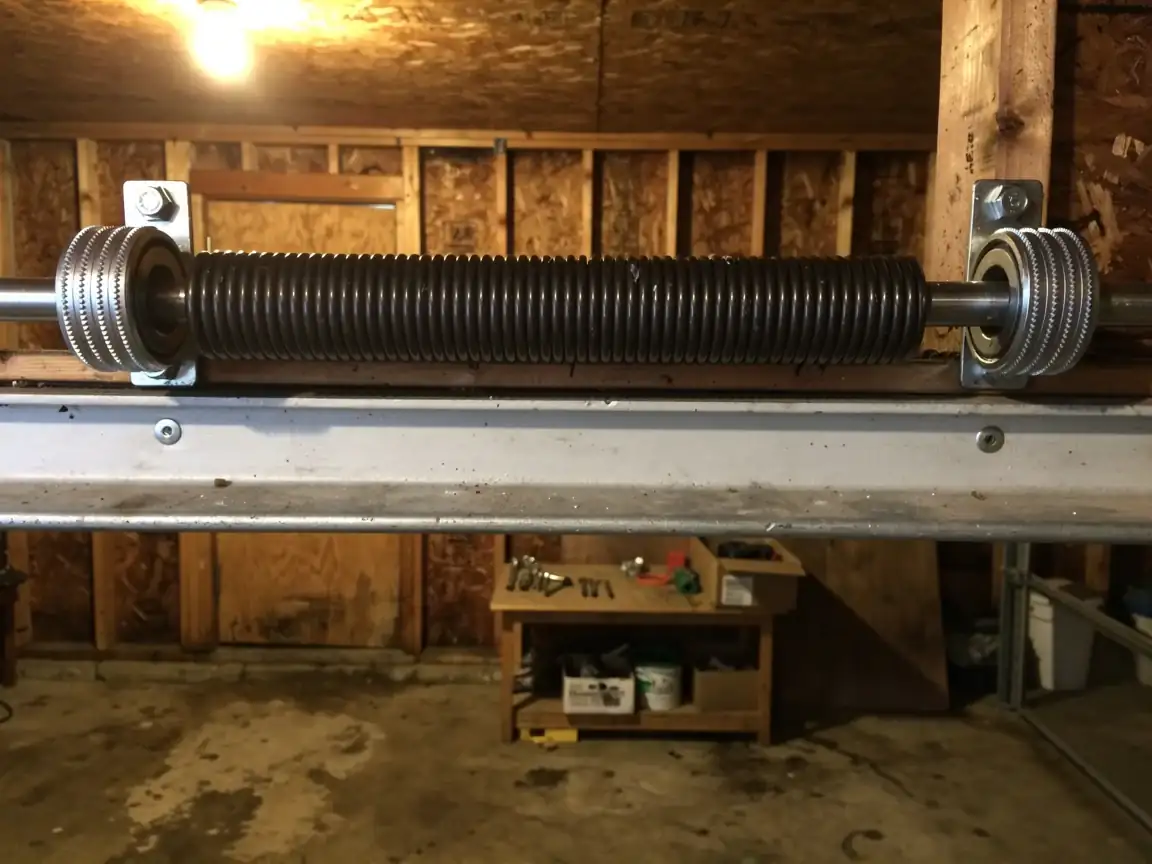
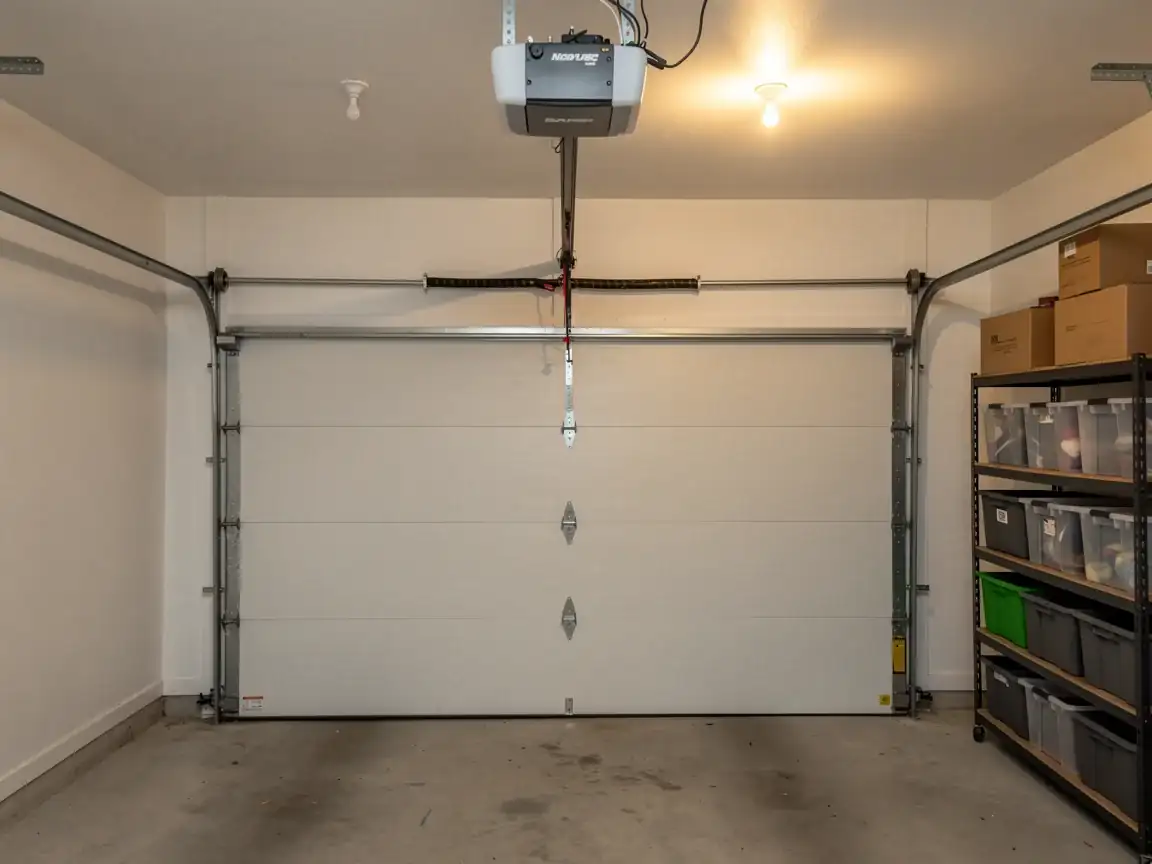
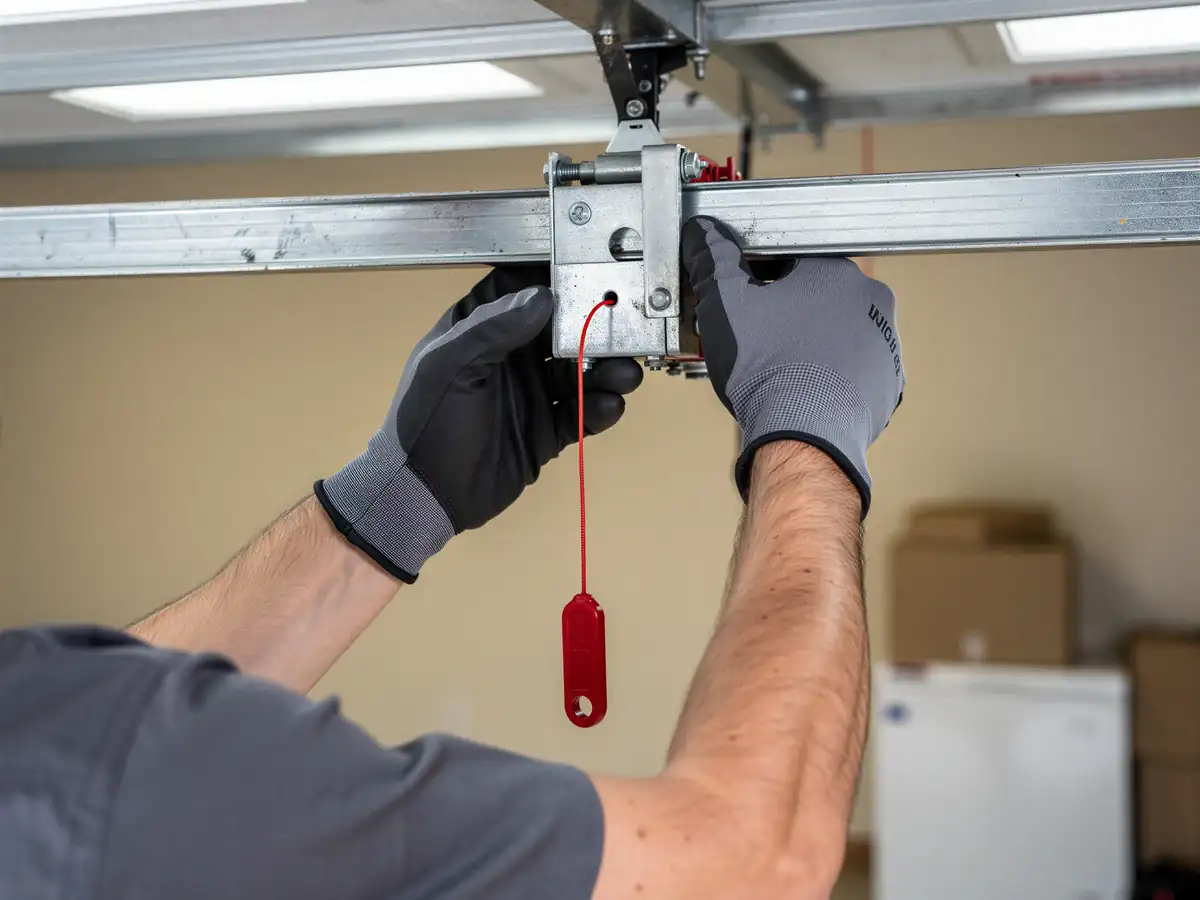
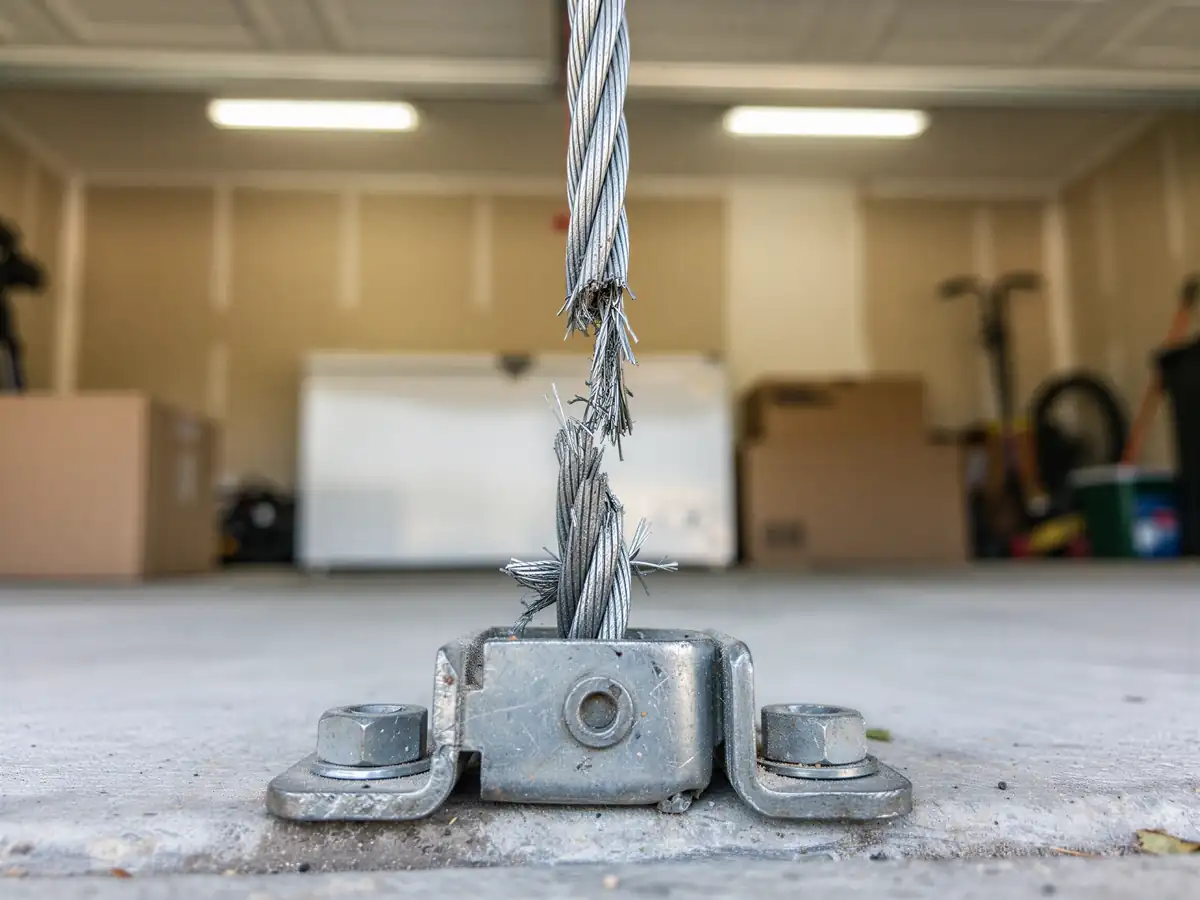
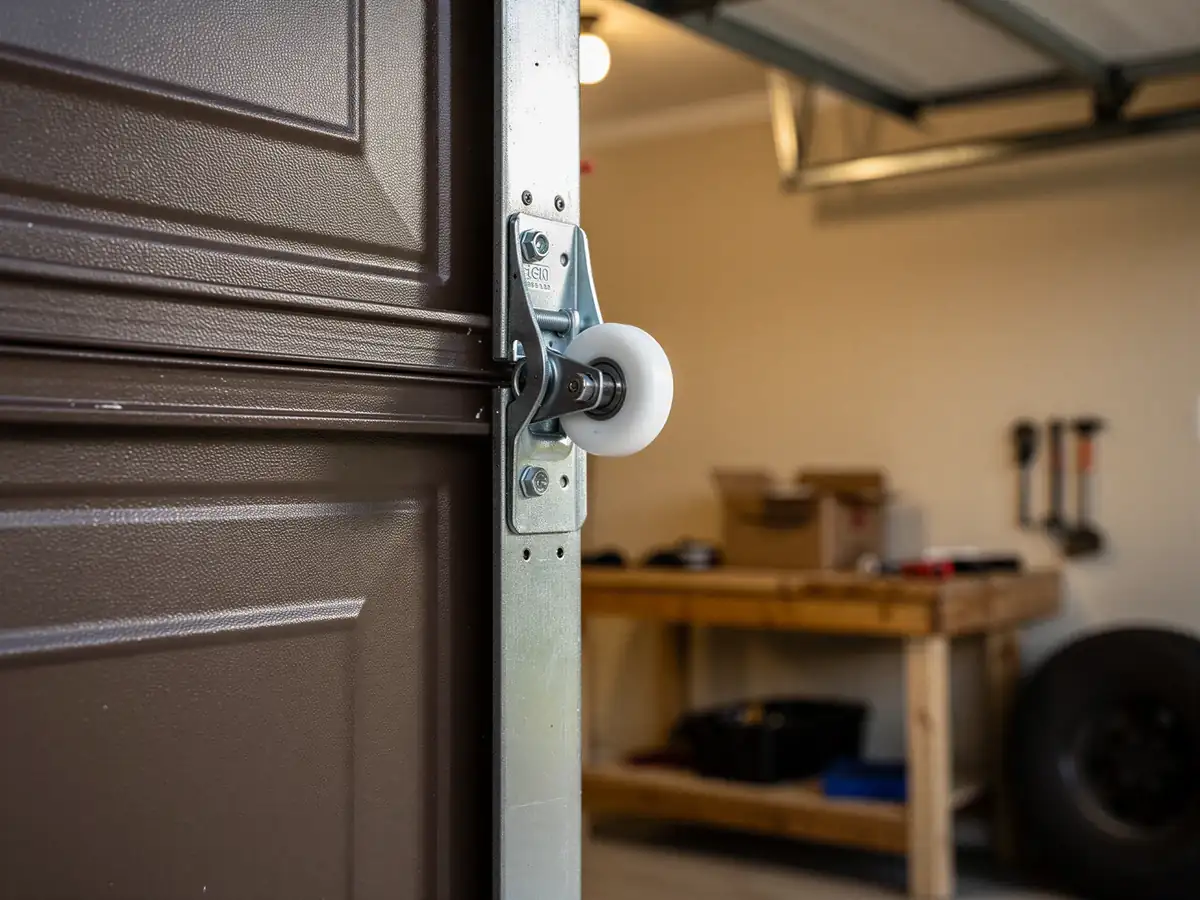
Not the newer builds you'd find closer to the city. Most of what we fix on this side is original hardware: torsion springs that have outlived their cycle count, openers from an earlier generation that are finally giving out, and rollers that have worn their tracks oval after decades of South Texas heat cycling steel. We don't stock every part on the truck for a 52-mile trip, so if a job needs something unusual - an obsolete opener logic board, for instance - we tell you that up front rather than making you wait on-site while we figure it out. Most of the work is springs, cables, and openers, and most of it is scheduled, not same-day, given the distance from our shop.
We don't try to sell emergency same-day service out here the way we might closer to Laredo
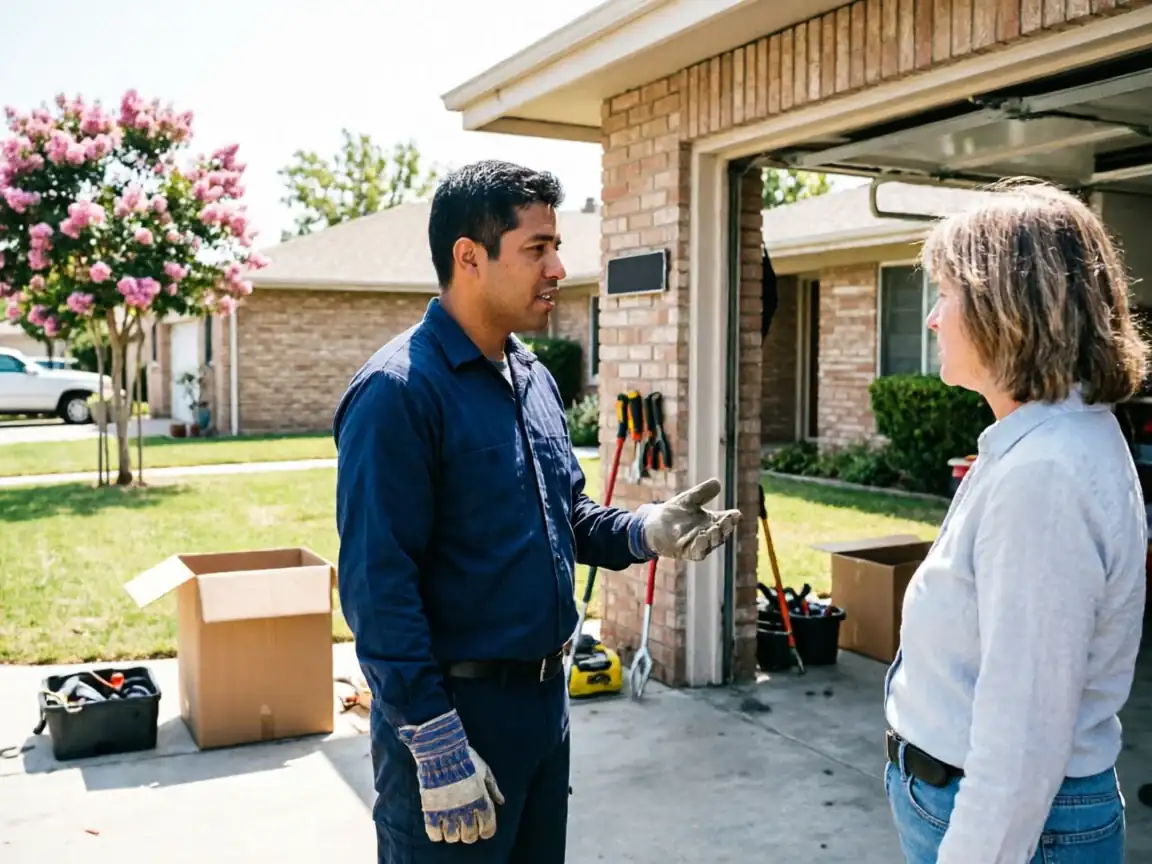
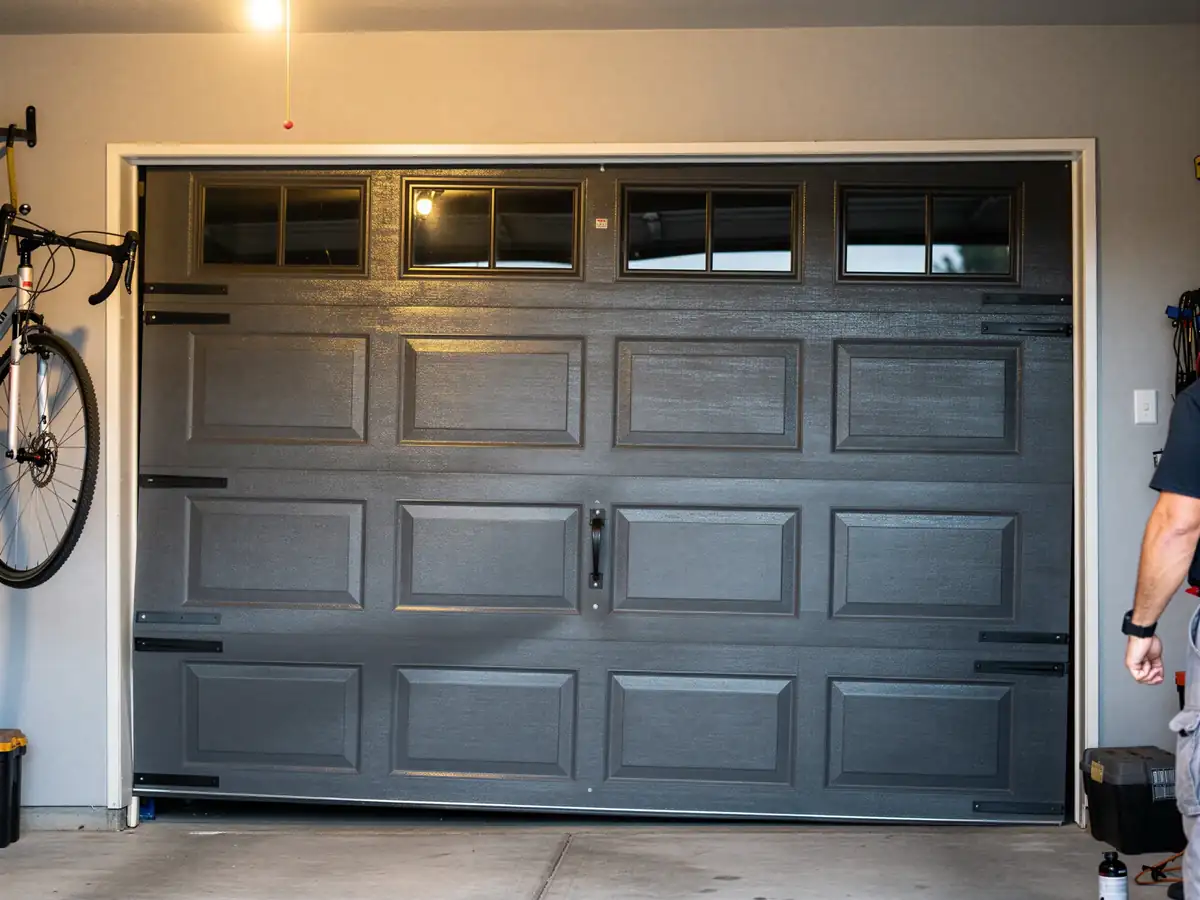
If your door is stuck closed and the car's inside, that's a real problem, but we're honest that a 52-mile drive means a scheduled slot works better for both of us than a promise we can't keep.
Older vs Newer Streets
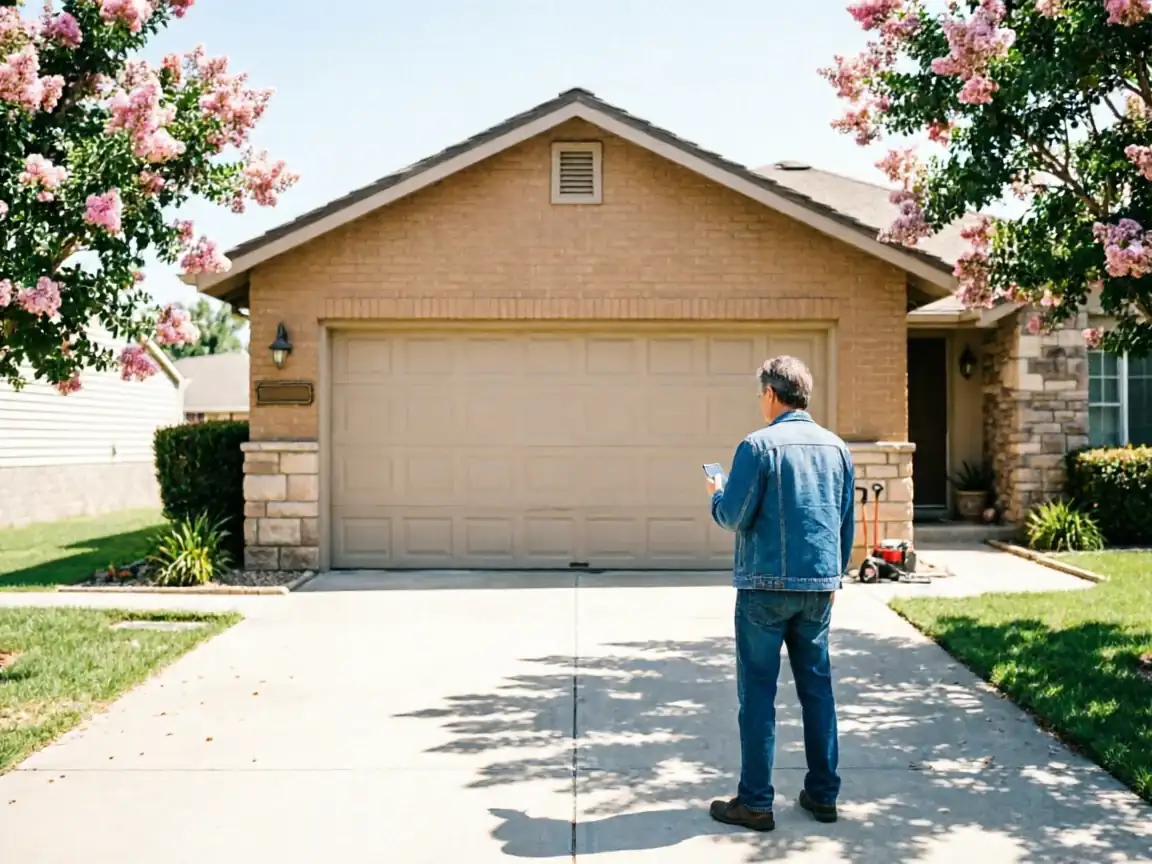
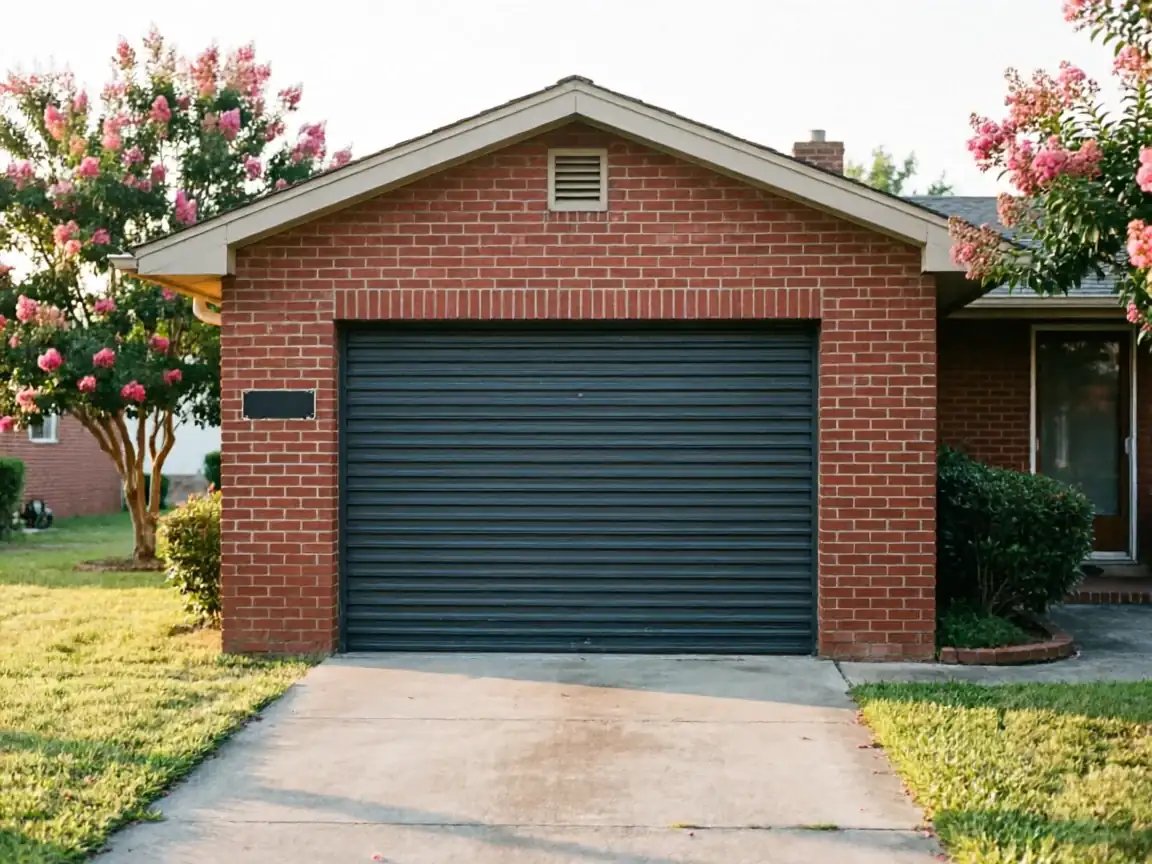
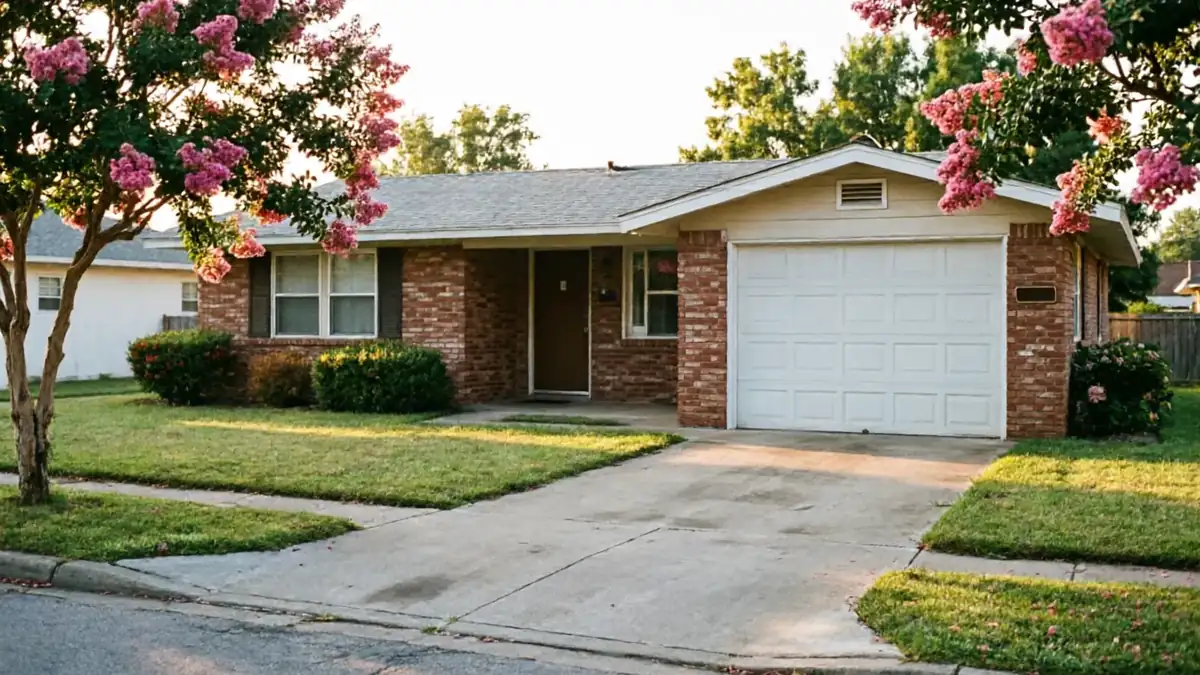
Hebbronville's housing runs older than what you'll see on the newer edges of the Laredo service area - the median home here was built around 1975, a good 17 years ahead of the regional median of 1992. That matters more than it sounds like it should. A house built in the mid-1970s usually has its original garage opening sized for a single steel panel door, often with the torsion spring mounted directly above the opening on a stationary cone rather than the drum-and-cable setup you'd find on a 1990s build. Those parts aren't interchangeable, and a tech who doesn't check the hardware before quoting will under-order or over-order parts.
There's no meaningful newer-streets contrast to draw here the way there might be in a mixed-era suburb - Hebbronville's stock is fairly uniform in age, which actually makes the diagnosis more predictable once you know what decade you're dealing with. We treat this as one housing generation, not two.
What the Housing Means for Your Door
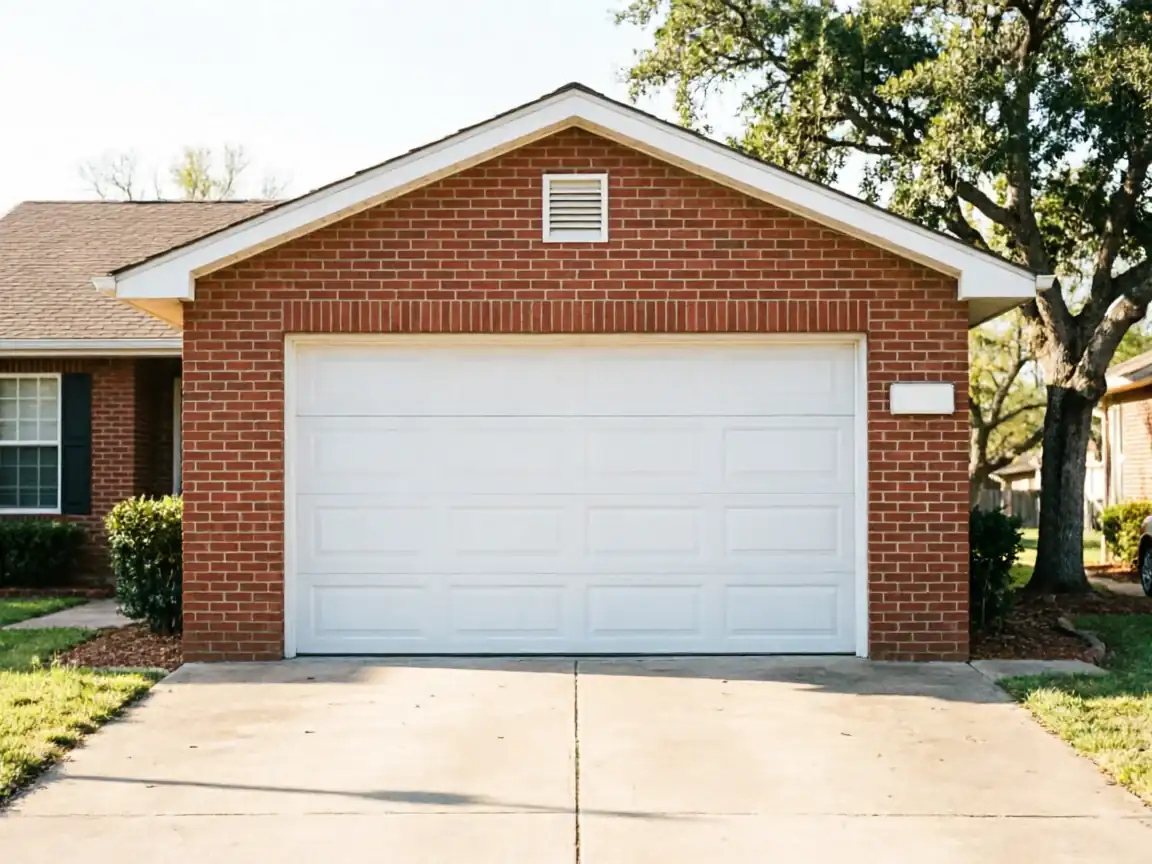
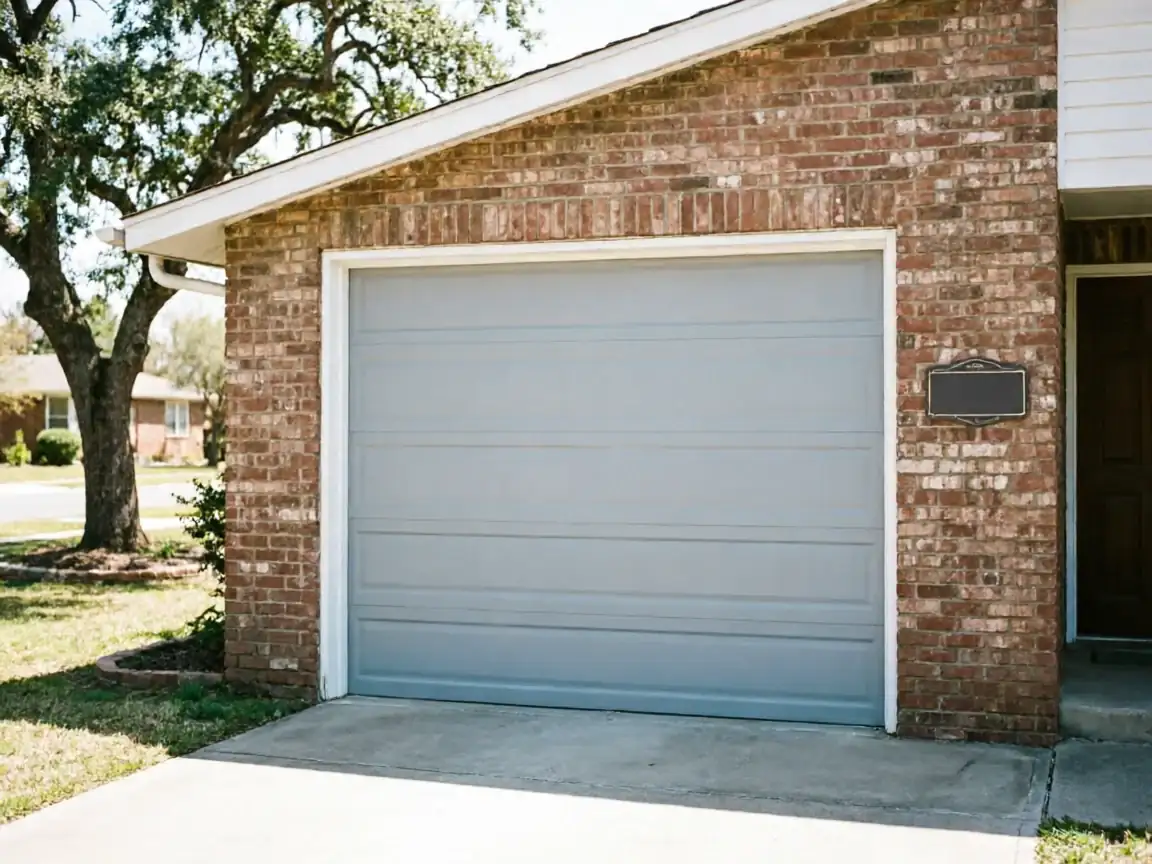
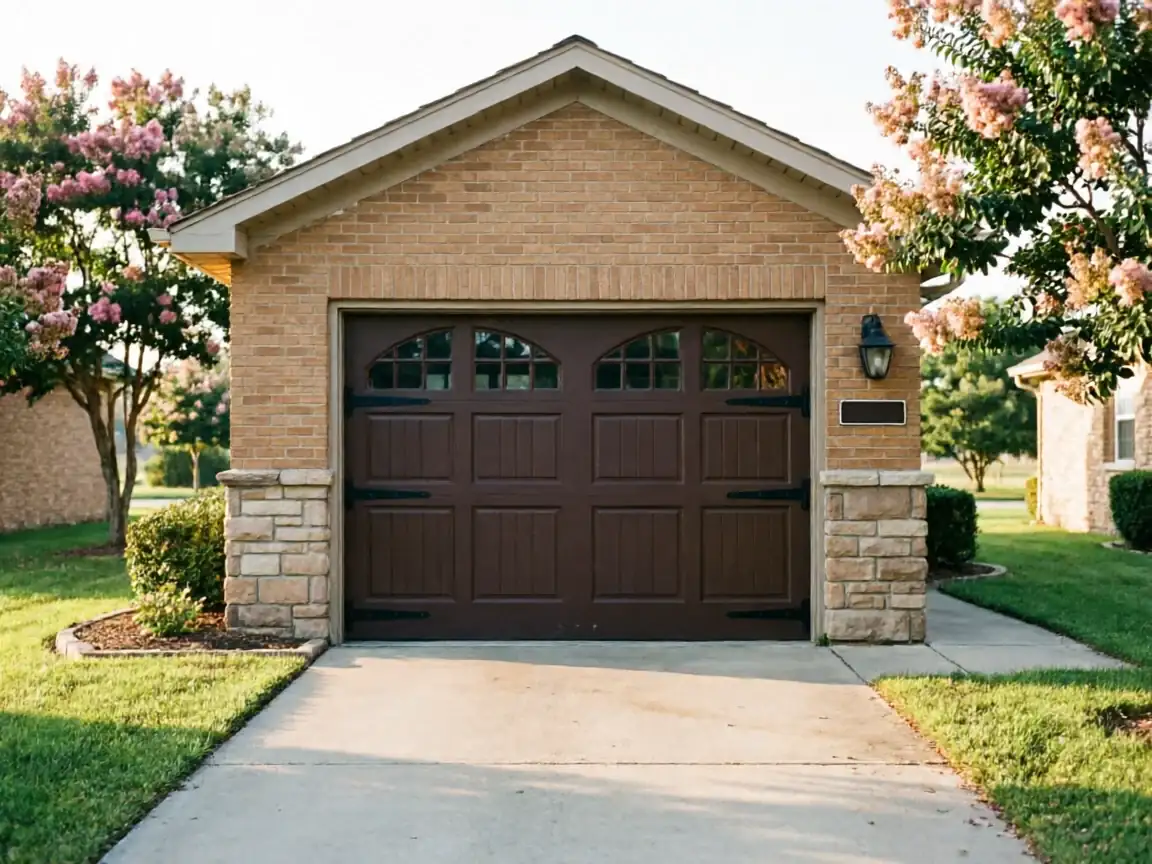
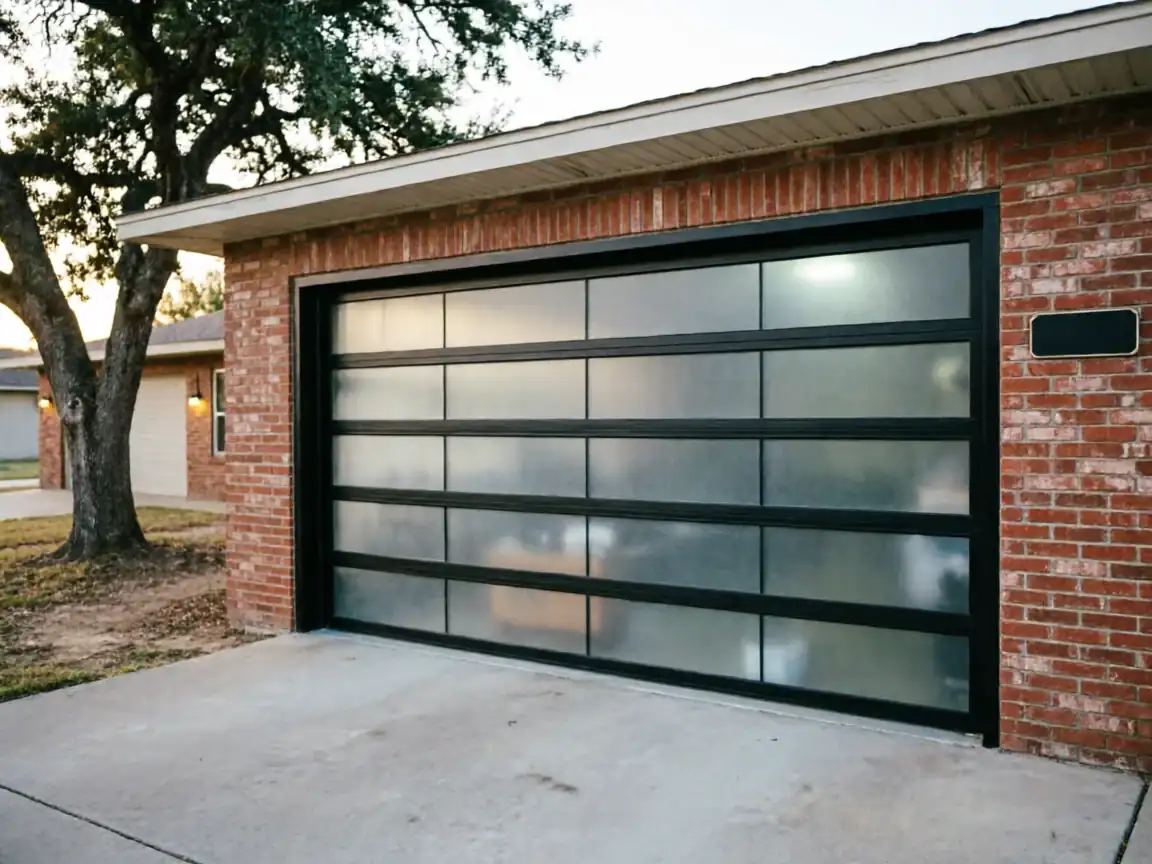
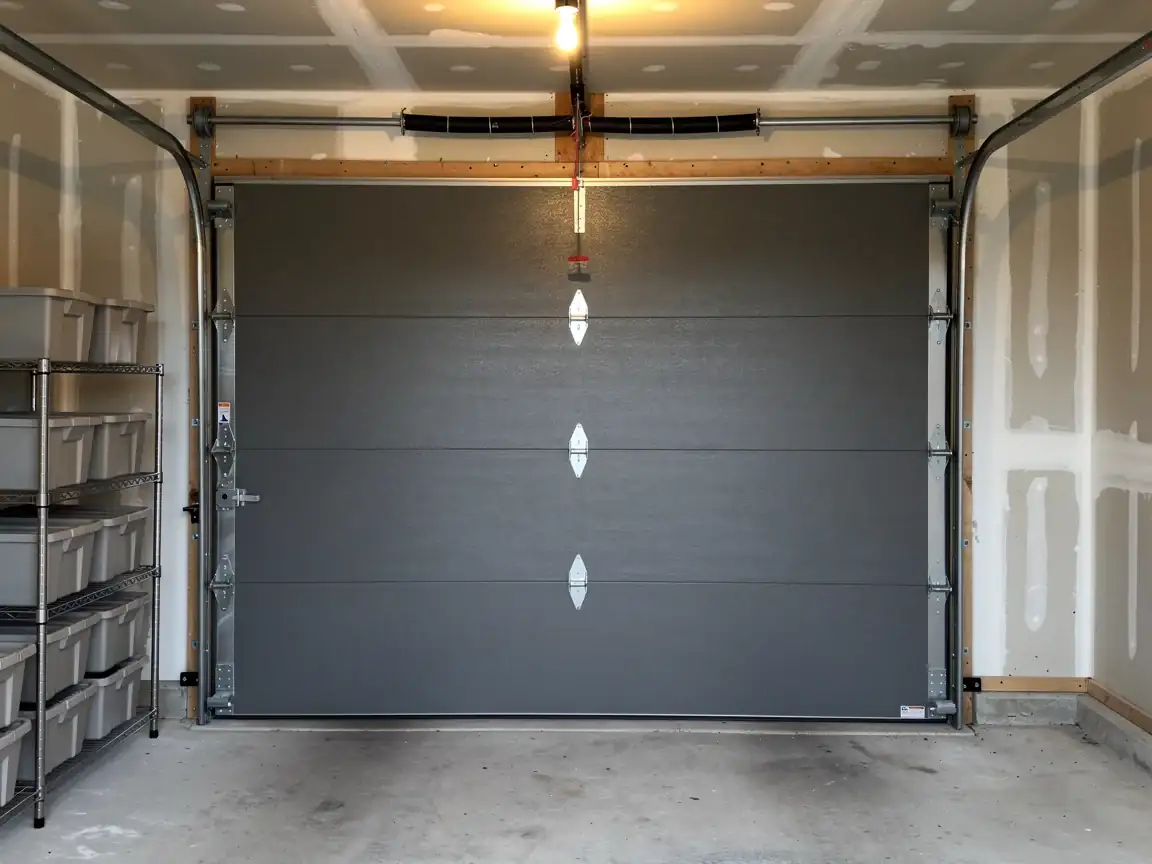
A door matched to 1975 construction is a different repair than one matched to 1995 construction, and that's the whole reason this page exists separately from the Laredo city page. Expect single-layer or early double-layer steel panels, older-style extension or torsion springs rated for lower cycle counts than what's sold today, and openers that - if they've been replaced even once - are probably a mid-2000s chain-drive unit rather than anything with a smart-home tie-in. Weatherstripping on a door this age has usually been replaced at least once already, and vinyl seals that old crack and let dust in faster than they used to, which matters given how hard the heat here runs on rubber and plastic components.
HEAT severe climate conditions accelerate wear on nylon rollers and plastic idler bearings specifically - they're the first things to fail on a door that's otherwise sound. If you're hearing a grinding or squealing sound rather than a bang or a slam, that's usually rollers, not springs, and it's a cheaper fix. We'll tell you that difference on the phone before we quote anything.
The Houses Here
With about 1,092 households in the area and a median household income of $42,347
Most of the work we see isn't full door replacement - it's repair, because replacement on a fixed household budget is the last resort, not the first move. We get that, and we'd rather fix a spring and a set of rollers for a fraction of the cost than push a new door on a 1975 opening that's structurally fine.
- 1,092 households
- $42,347 median household income
That said, there's a point where repair stops making sense
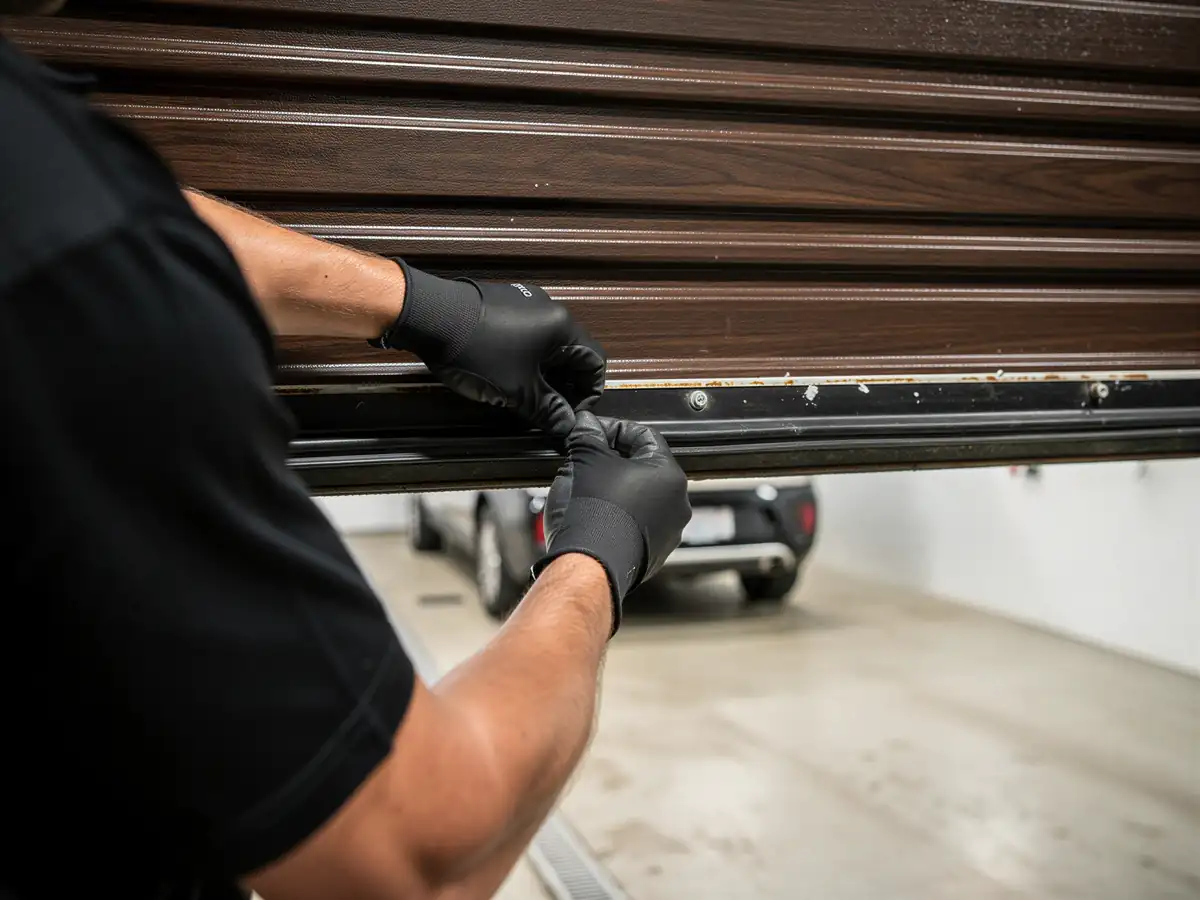
If the door itself is rusted through at the bottom panel or the track is bent beyond straightening, patching it costs nearly as much as replacing it and it won't last. We'll say so rather than billing you twice. Given the household count and income level here, we price jobs to be worth the drive for both sides, and we're upfront when a repair genuinely isn't the better dollar-for-dollar move.