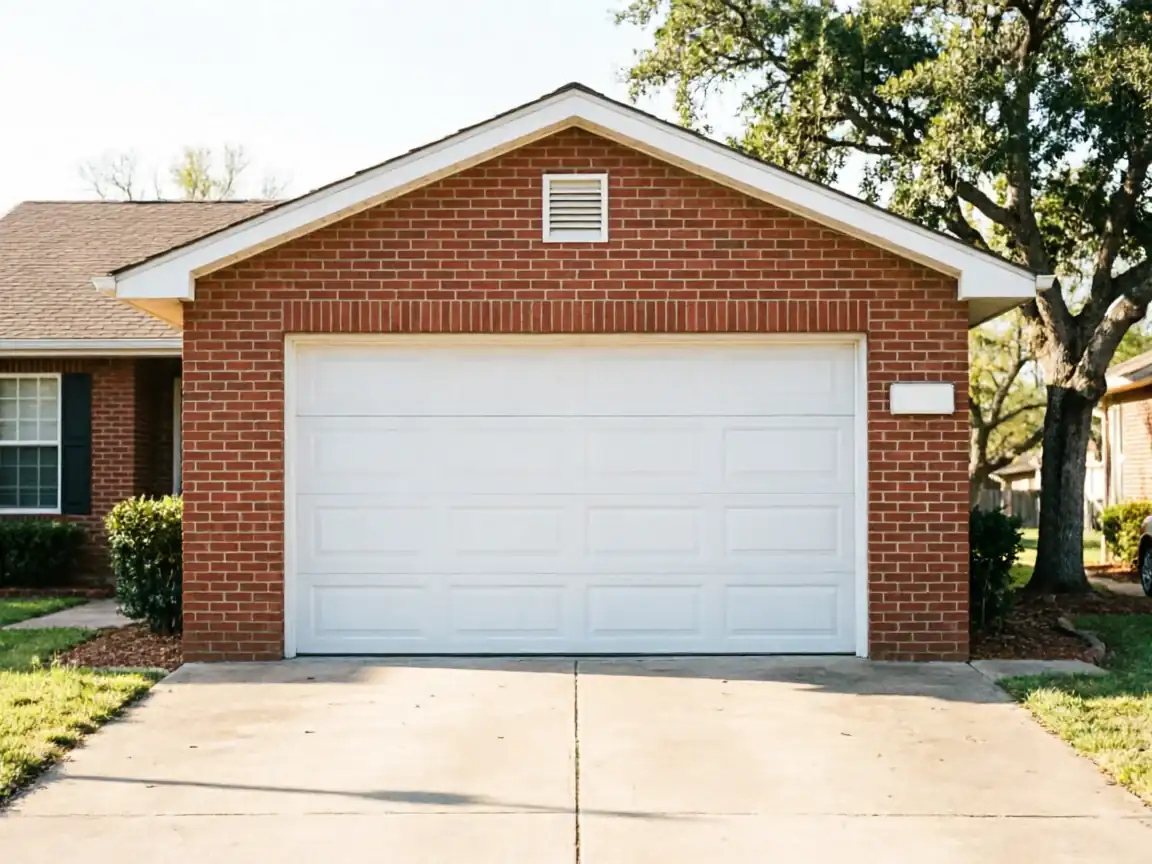
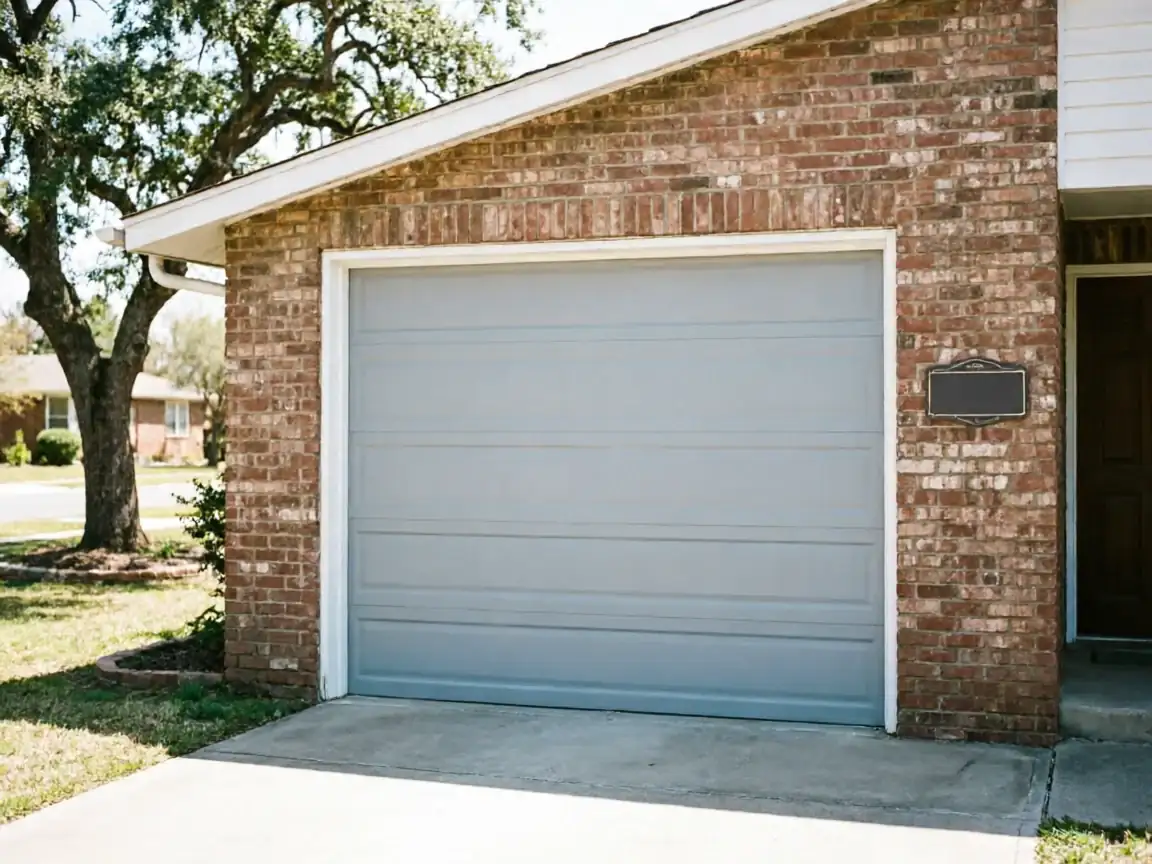
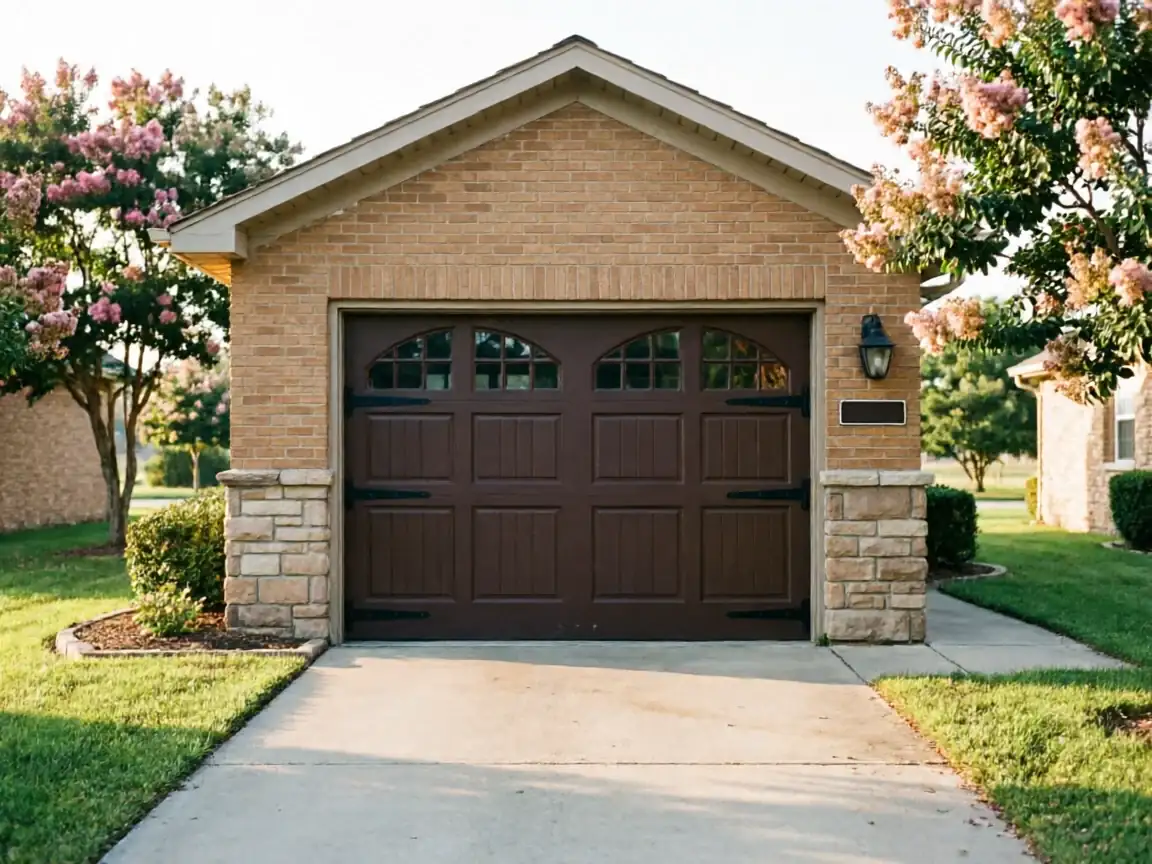
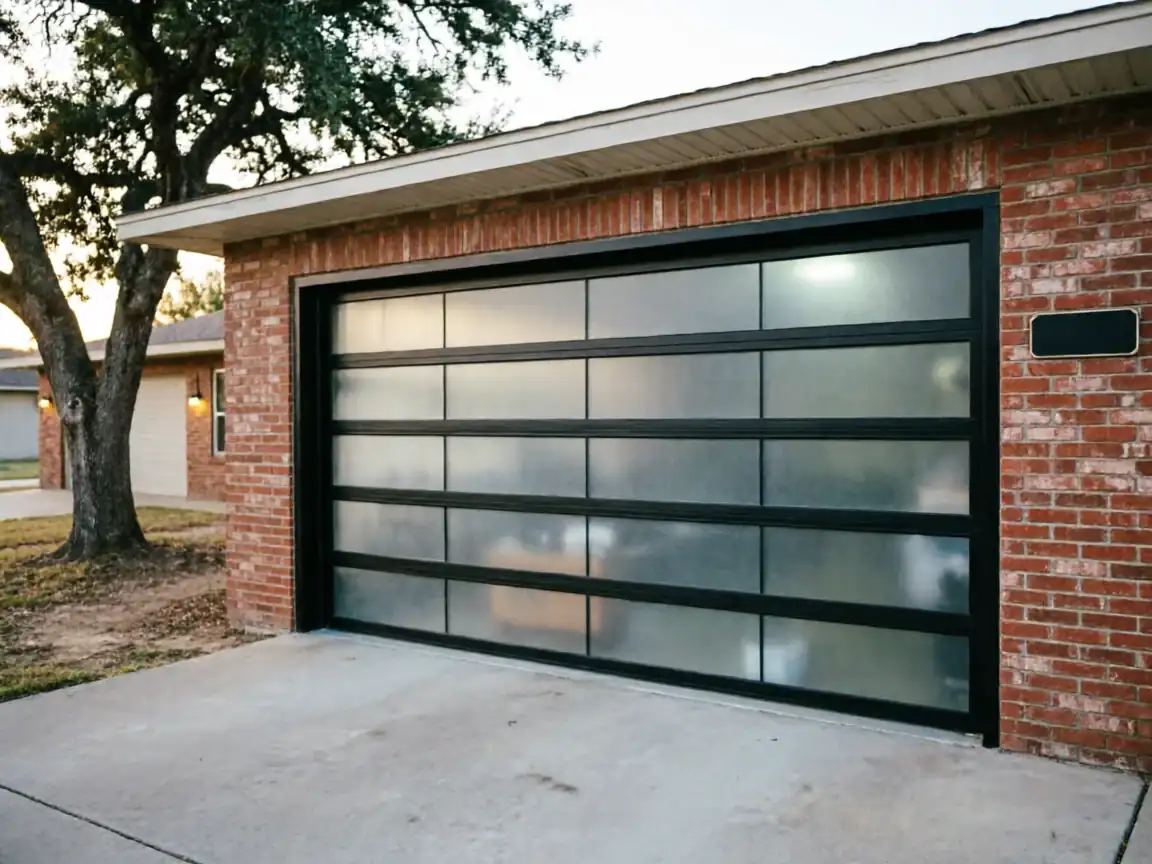
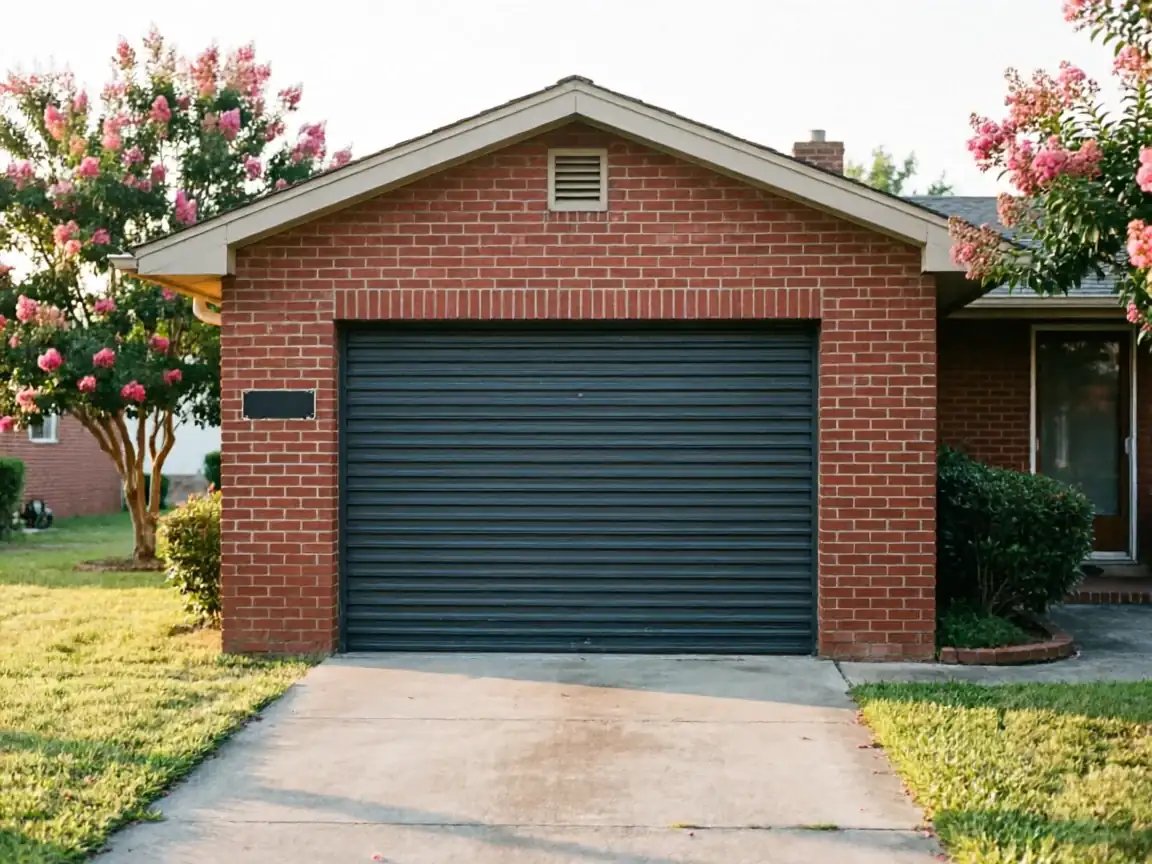
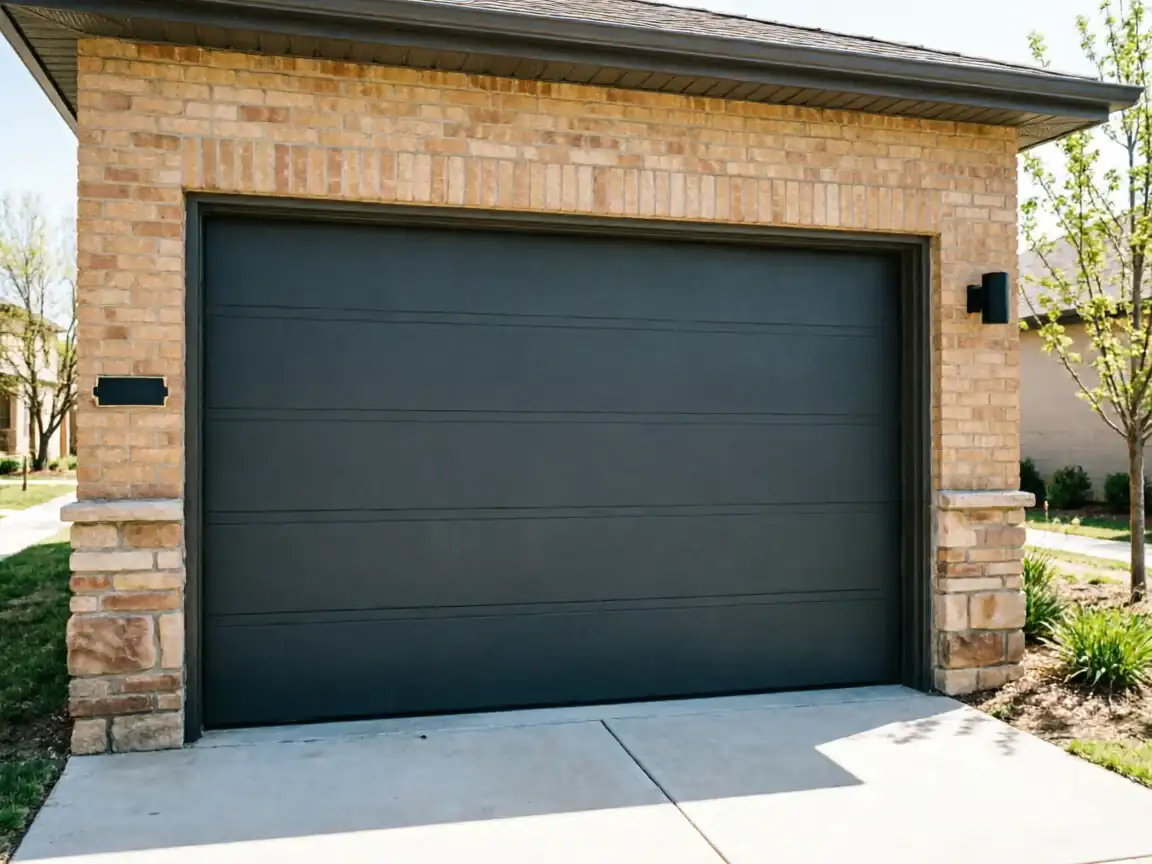
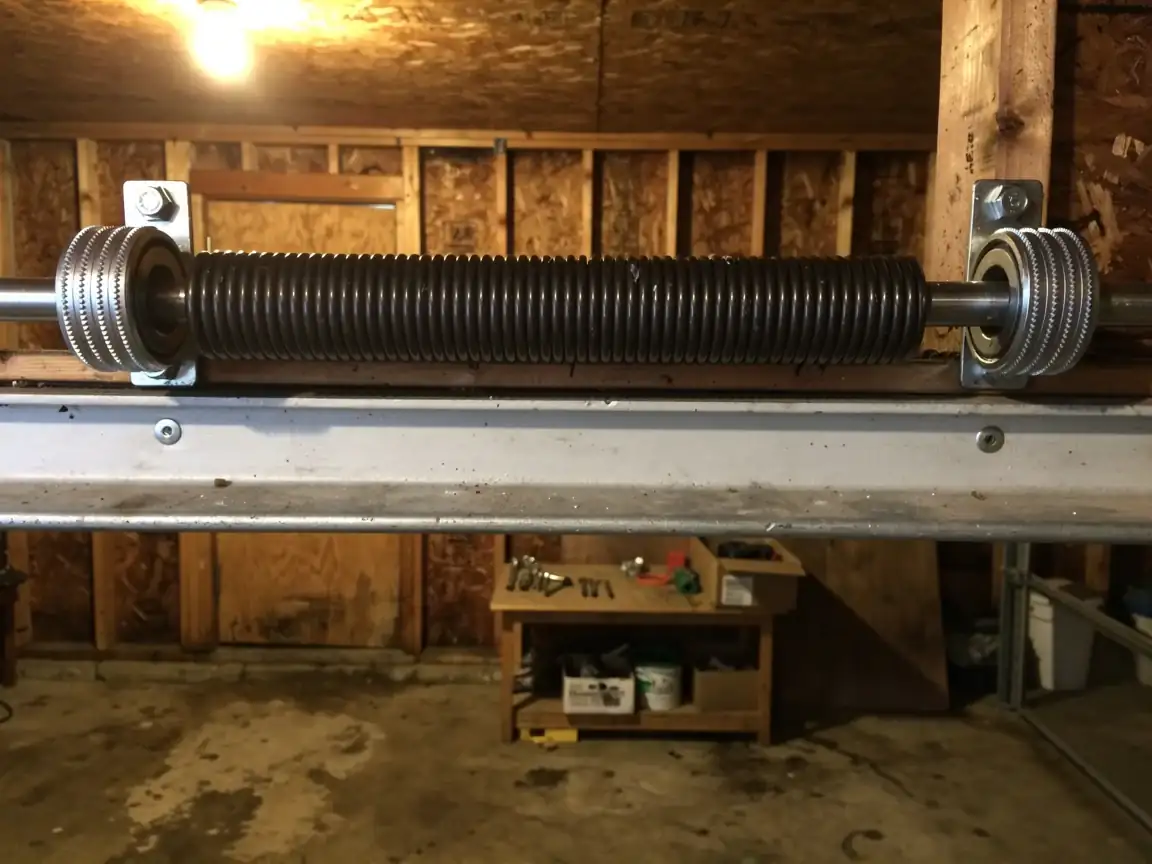
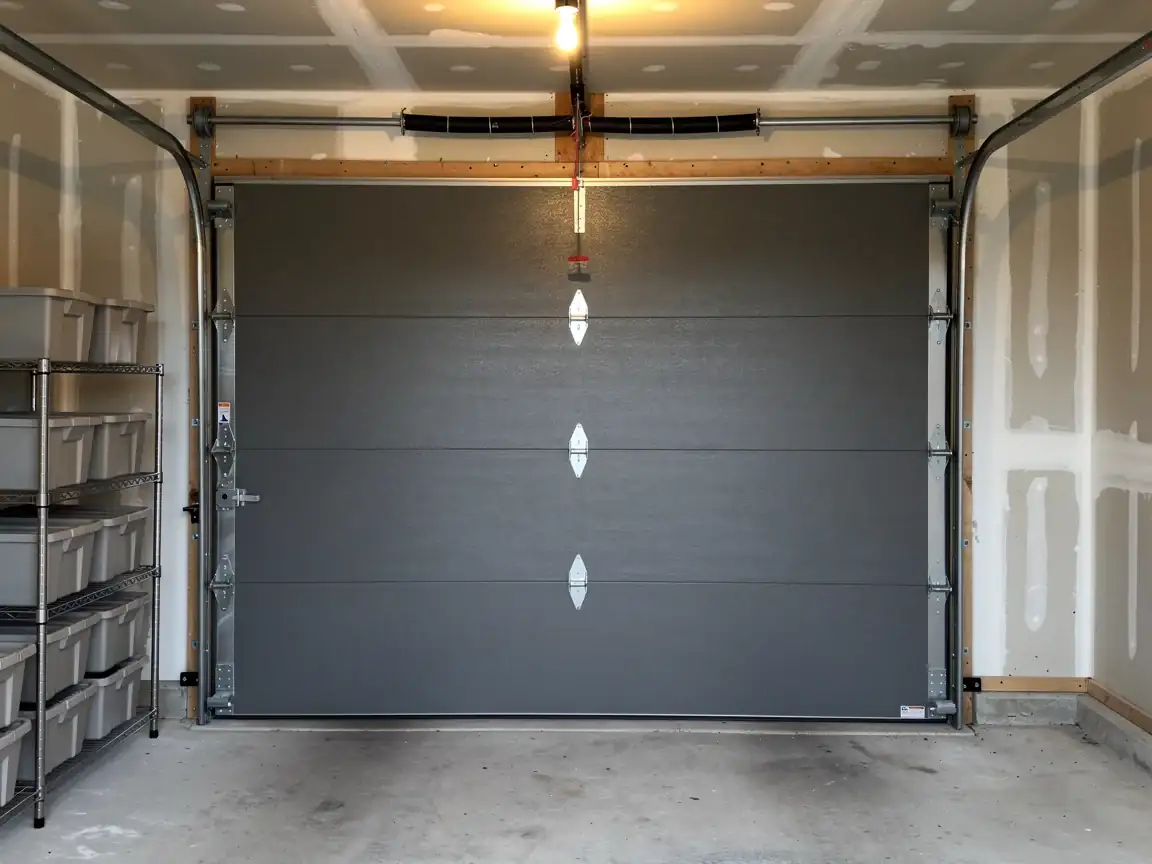
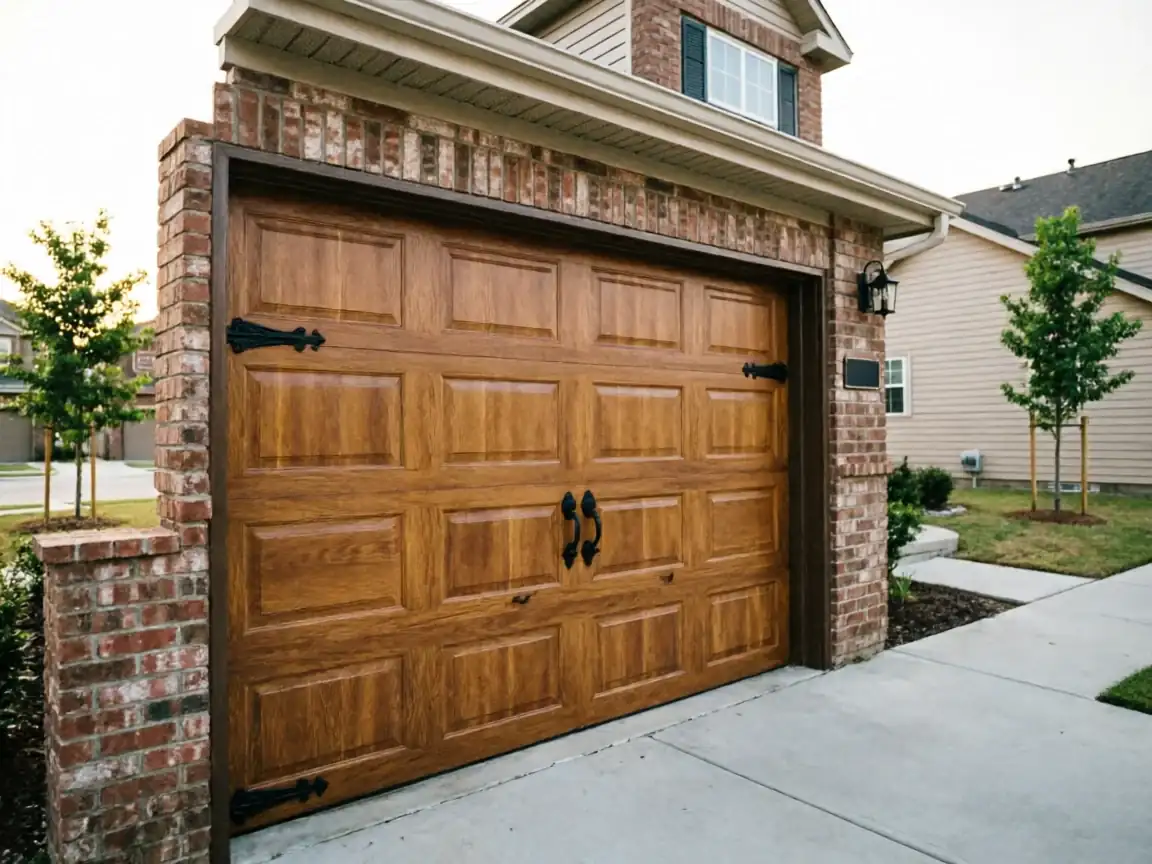
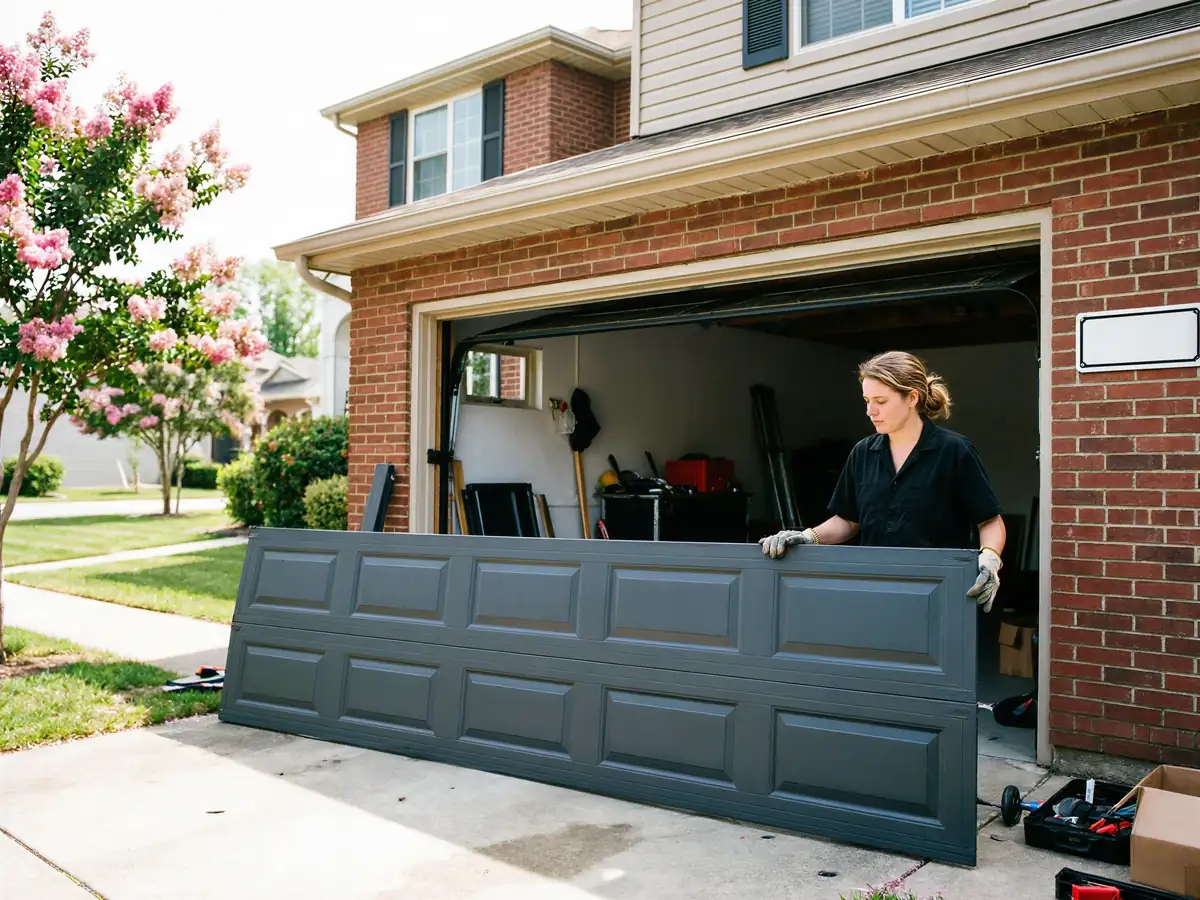
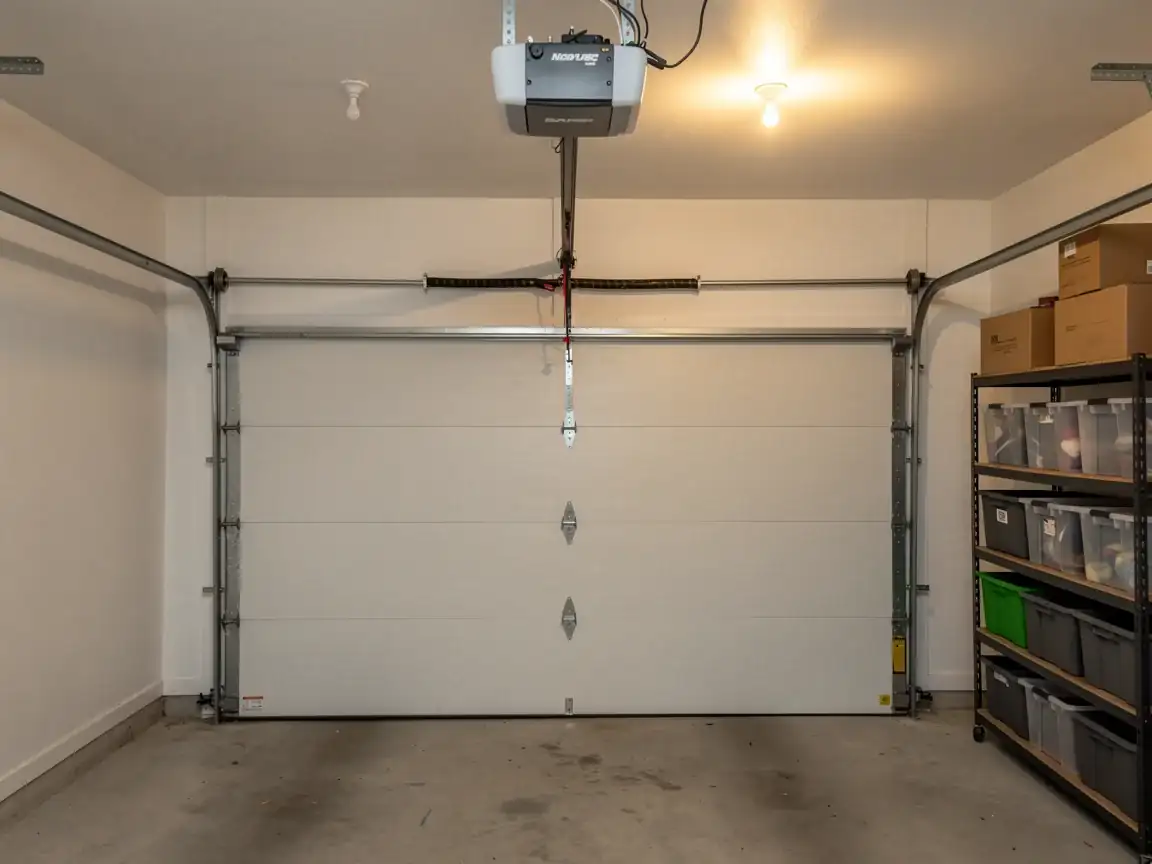
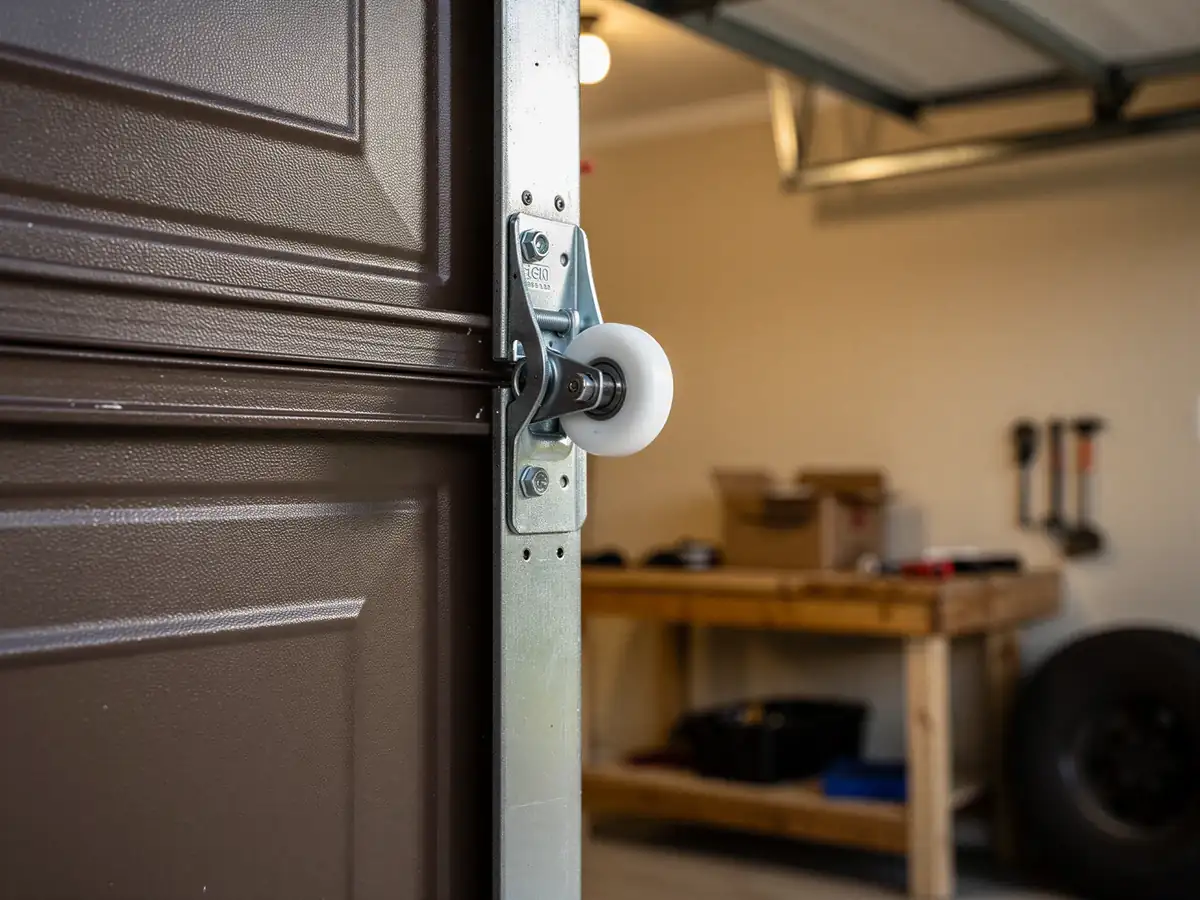
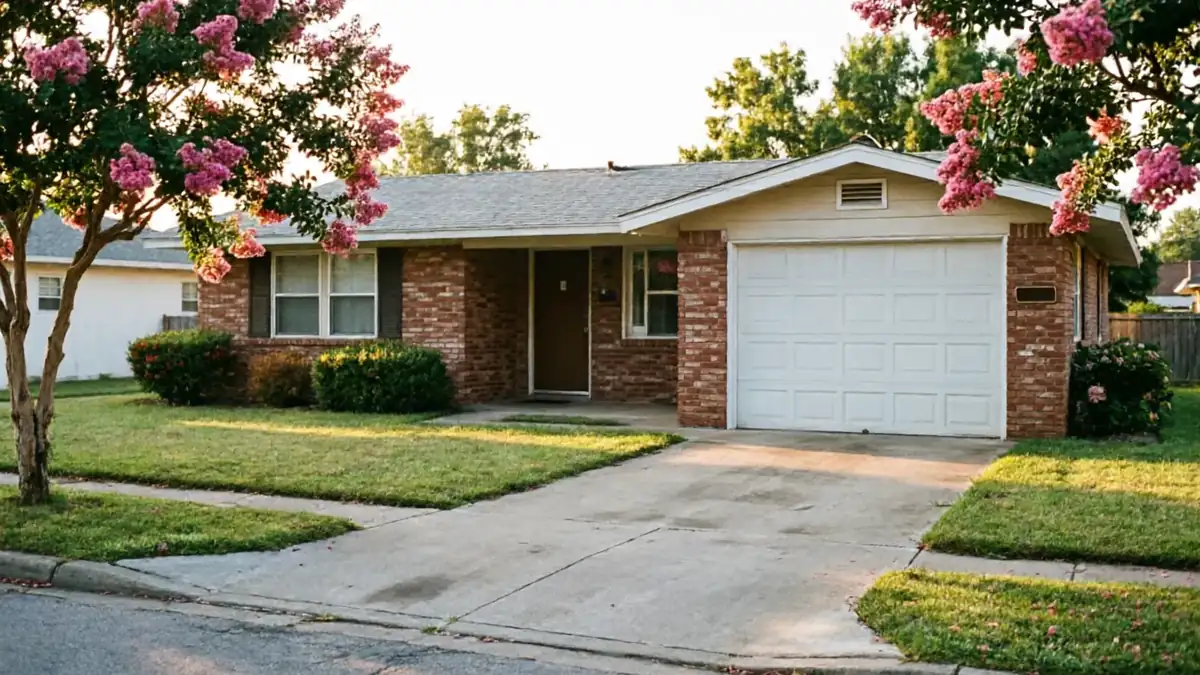
We keep torsion springs, extension springs, nylon and steel rollers, galvanized cables, and track hardware sized for the doors that went up across this service area between 1975 and 2007 - the window when most of this housing stock was built, with the median home dating to 1992. That means the parts on the truck match what's actually hanging in driveways out here: older torque-master and side-mount torsion systems, single-panel steel doors from the 80s runs, and the sectional doors that came standard through the 90s. We don't stock parts for brands that never sold here in volume, and we're upfront about that - if a job needs a specialty part for a door outside that build window, we tell you the lead time instead of guessing. Weatherstripping and bottom seals get replaced often in this climate, since severe summer heat breaks down vinyl faster than in milder regions, so we carry several lengths and profiles rather than ordering one at a time. Lubricant is heat-rated, not the general-purpose grease that gums up and attracts grit once summer sets in. Limitation: if your opener is a discontinued model from a builder-grade package, we may need to special order the logic board or remote, and we'll say so on the first visit rather than after we've started the job.
How We Fix It
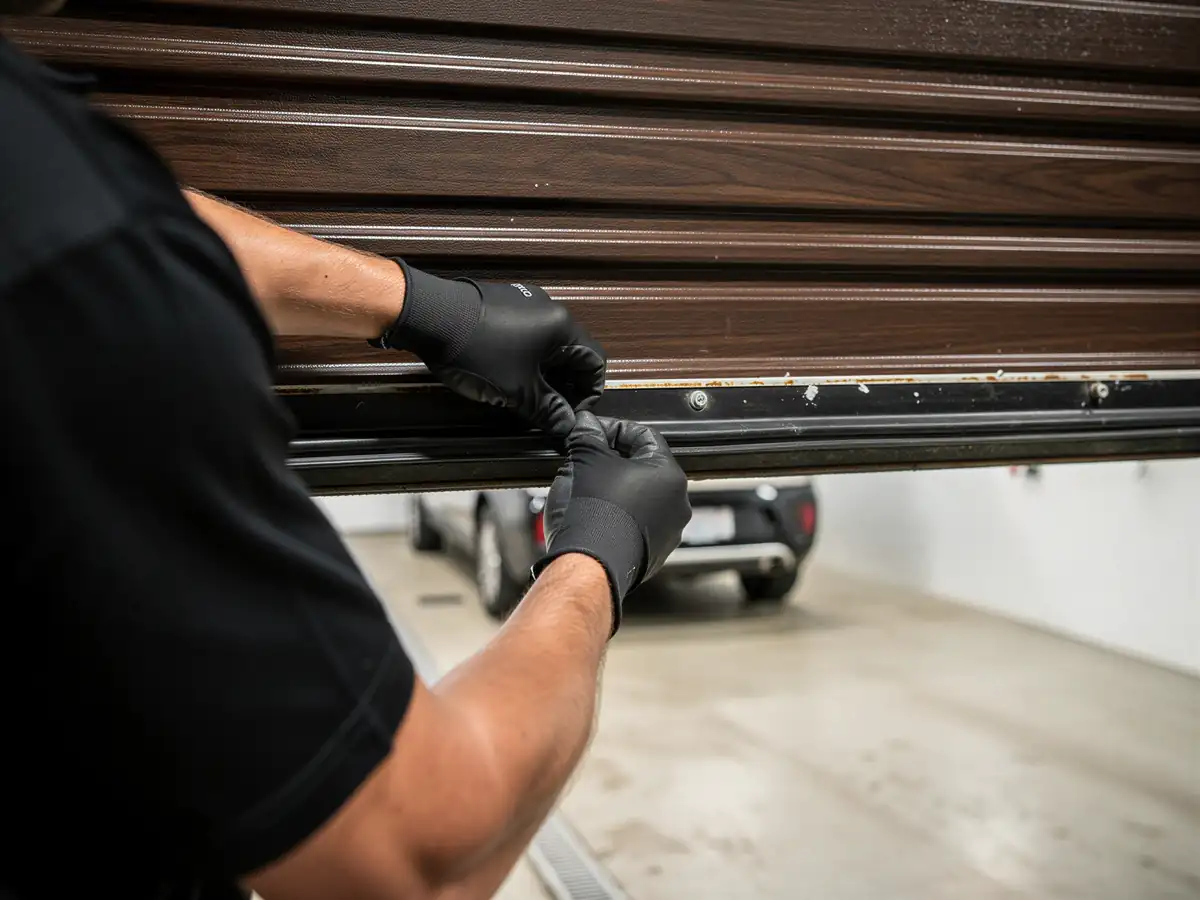
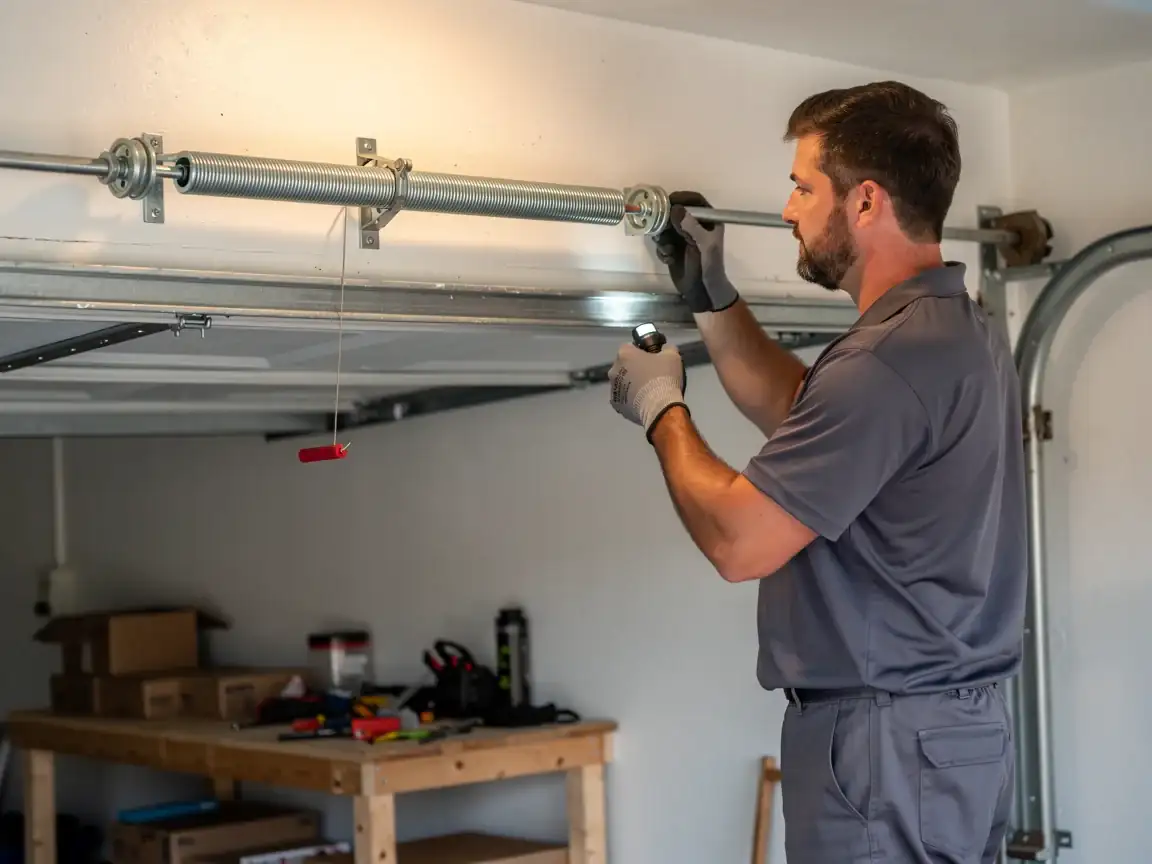
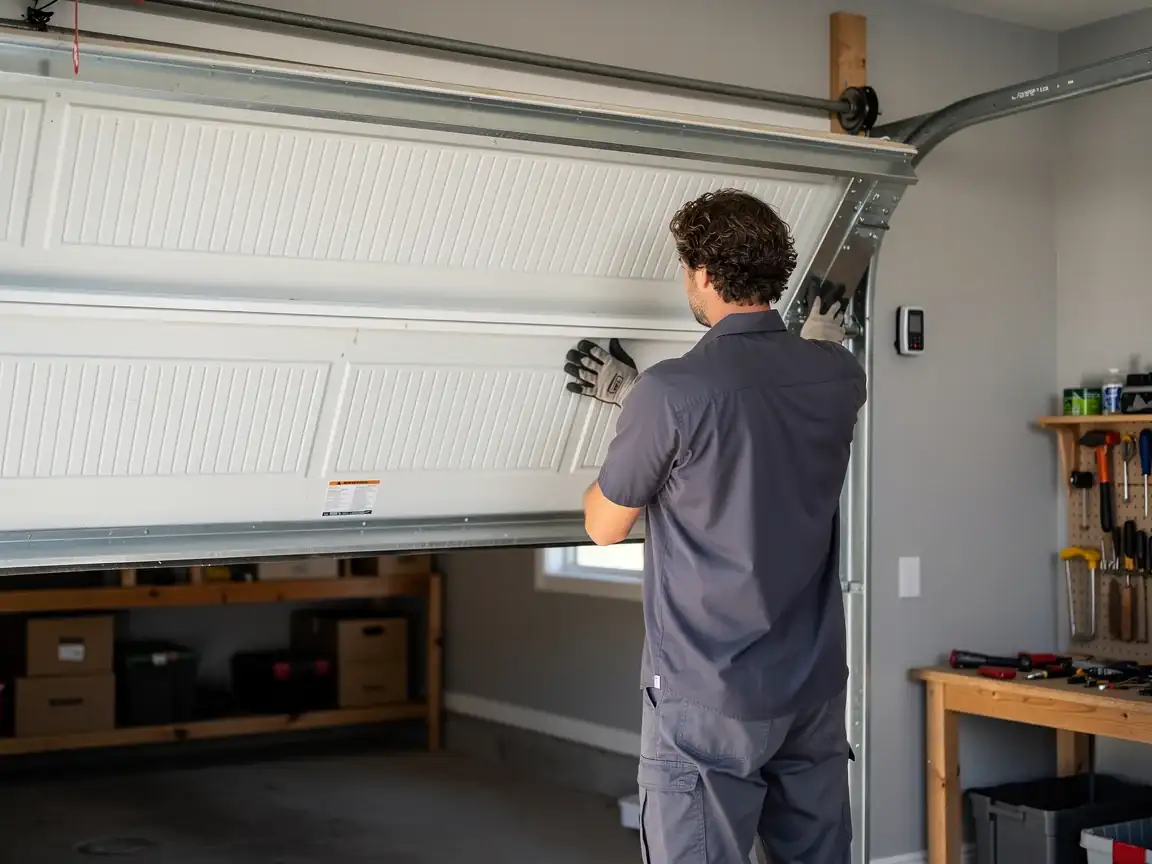
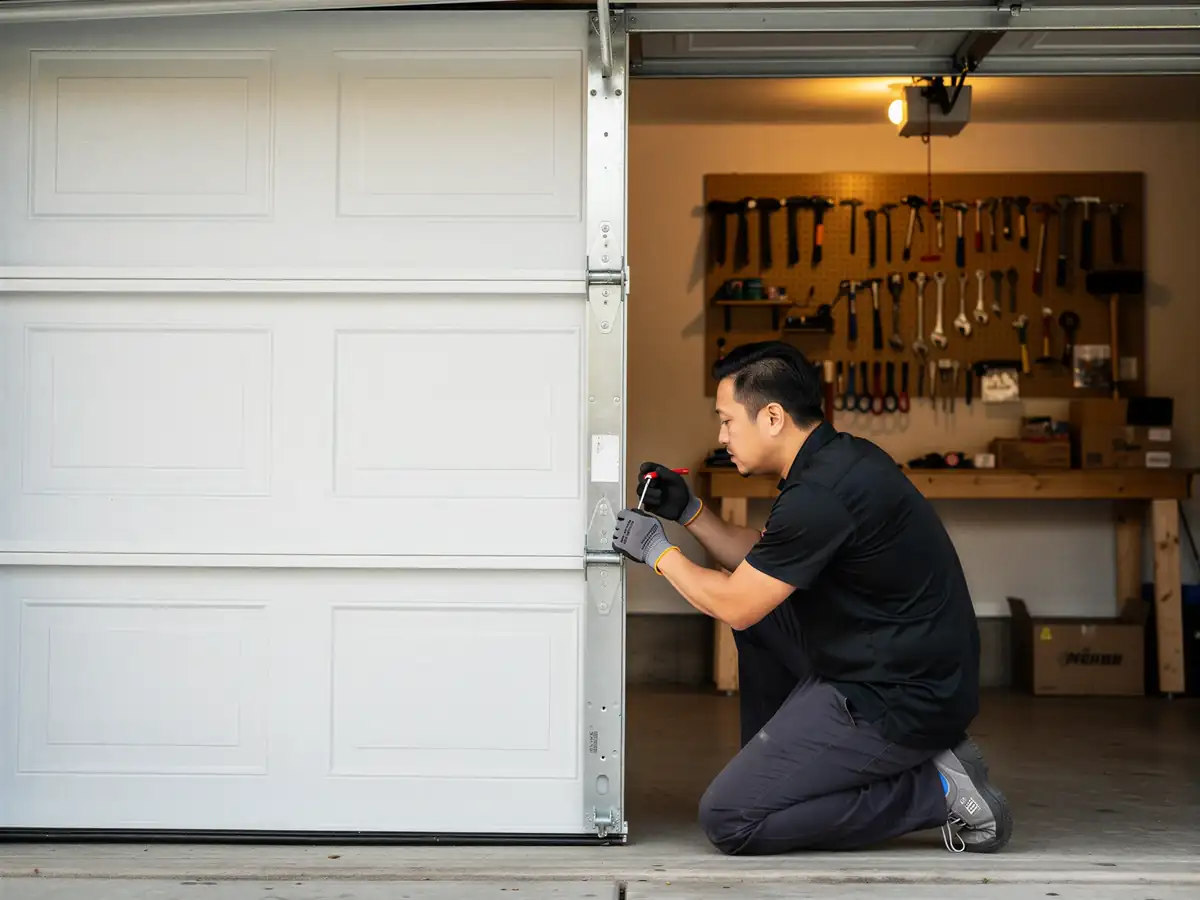
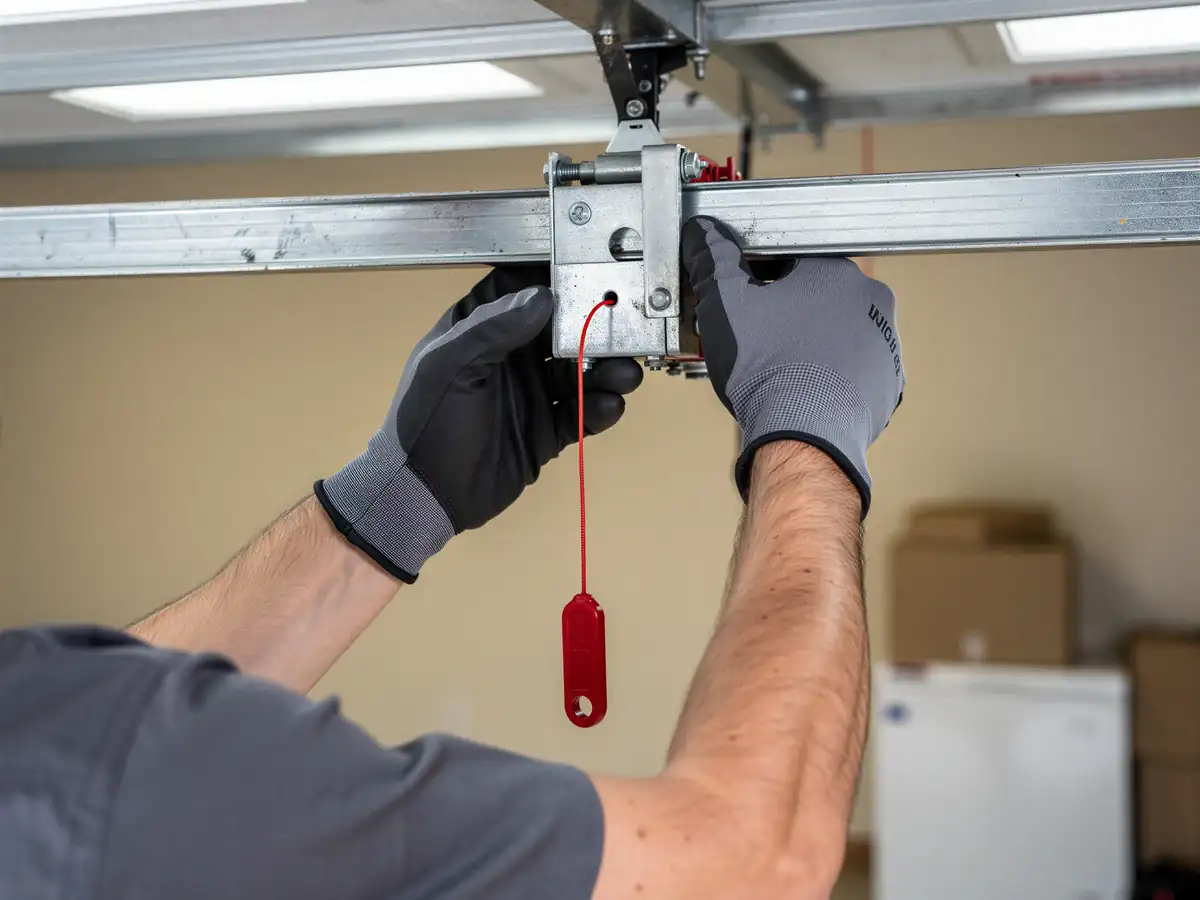
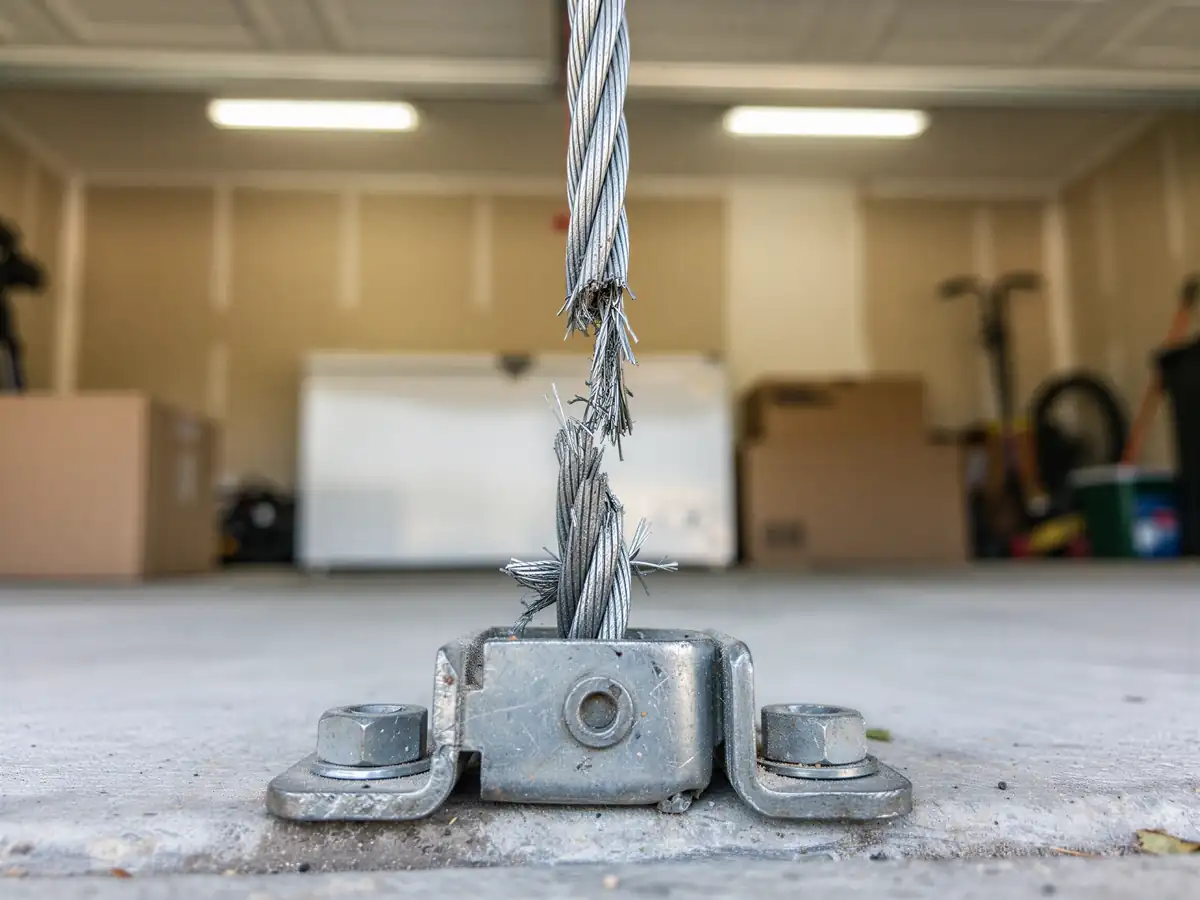
A maintenance visit starts with the spring. We check torsion on both sides of a double door separately, because uneven tension is what eventually snaps a cable or warps a track, and we reset it to the door's actual weight rather than a factory default. From there we run the opener through its full travel, watching for binding at the point tracks meet the header - the spot most affected by metal expansion in severe heat. We check photo-eye alignment, tighten loose hinges and roller brackets, and replace any roller that's cracked rather than wait for it to seize mid-cycle. Cables get inspected strand by strand near the drum, since fraying there is gradual and easy to miss until it isn't. We lubricate hinges, rollers, and the opener chain or belt with a heat-stable lubricant, and we test the auto-reverse safety feature every visit, not just on install. For homes in the older end of the 1975-2007 build range, we also check whether the opener's force settings have drifted, which happens as gears wear and as summer heat changes how hard the motor has to work to move a door that's slightly out of balance. We don't do cosmetic panel work on a maintenance call - if a door needs new panels or a full repaint, that's a separate estimate, not part of a tune-up.
How It Shows Up
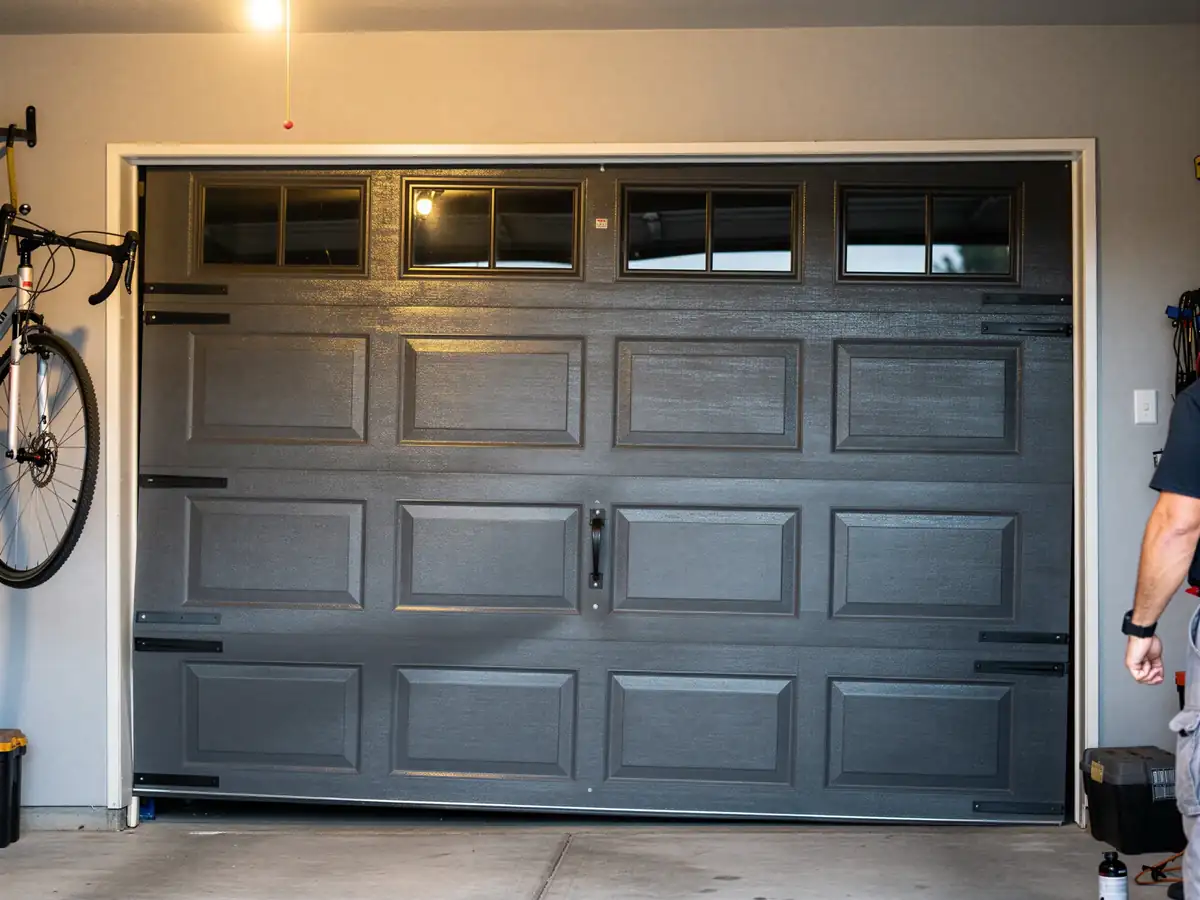
The first sign is usually sound - a grinding or popping noise as the door travels, which almost always traces back to a dry roller or a spring that's lost tension. Next comes slow response: the opener takes a beat longer to start moving, or the door creeps instead of running smooth, especially on the hottest afternoons when metal track has expanded just enough to add friction at the bends. Some owners notice the door reversing partway for no clear reason, which is the safety sensor catching a slight misalignment that's been building for months. Others notice nothing until the day the door won't move at all, which is usually a spring that finally let go rather than a sudden failure - springs rated for a certain number of cycles wear down slowly, and homes built in the 1980s and 90s pockets of this service area are now old enough that a lot of original hardware is reaching that number. Panels on the sun-facing side sometimes show slight warping or faded paint before anything mechanical goes wrong, which is a cosmetic tell that the door has taken a lot of heat cycles over its life. None of these show up overnight. They build for months, which is exactly why a scheduled check catches them before the door fails on a Saturday with the car trapped inside.
Why It Happens Here
Across the service area, most houses were built between 1975 and 2007, with the median landing right around 1992, concentrated in three main pockets of 1980s and 90s construction. That means a large share of garage doors and openers out here are now 25 to 45 years old - old enough that the lubricant has been reapplied dozens of times, the springs are well into their rated cycle count, and the original rollers have long since been swapped at least once. Add in a climate band rated severe for heat, and the wear accelerates: grease breaks down faster, nylon parts get brittle, and steel track expands and contracts every single day in a way that loosens bolted joints over years. With 1,608 owner-occupied houses across roughly 3,082 households in the service area, that's a lot of doors built in the same narrow window, hitting the same age-related failure points around the same time. At a median household income of $40,000, most owners here are making a practical call - a maintenance visit costs less than an emergency spring replacement, and it costs a lot less than a full door swap. That math is part of why maintenance makes sense in this market: the housing age and the heat are working against the hardware at the same time, and catching it early is cheaper than catching it late.
How it works
From “it’s stuck” to “it’s fixed”
01
Tell us what’s wrong
Describe the symptom - won’t open, loud bang, opener runs but the door won’t move.
02
On-site diagnosis
A technician tests the door under power and by hand and finds what actually failed.
03
Clear, up-front plan
You get the fix that’s needed and what drives the cost - before any work starts.
04
Repaired & tested
The repair is done, the door is set true and tested, and the work area left clean.
Not sure which repair your door needs in Laredo, TX? Describe what it’s doing - every job starts with a diagnosis.
How often should I get my garage door serviced in Laredo?
There's no single interval that fits every door. It depends on age and how many cycles it sees. A lot of homes in this service area date to the 1980s and 90s construction pockets, old enough that an annual check catches wear before it turns into a stuck door, especially once summer heat starts working on lubricant and rollers.
Why does my garage door get noisier every summer?
Heat dries out lubricant faster and makes steel track expand slightly, which adds friction right at the bends near the header. That friction shows up as grinding or popping that wasn't there in cooler months. It's one of the most common calls we get once the real summer heat sets in.
Is it cheaper to maintain my old opener or replace it outright?
For a lot of households here, where median income runs around $40,000, a maintenance visit is the cheaper first move - tightening hardware, resetting force settings, and replacing a roller or cable costs less than a new opener. Replacement makes more sense once the motor or logic board itself is failing, not before.
Ready to get your garage door sorted?
Tell us what it’s doing and where you are in Laredo - we’ll take it from there.