Stocked Parts
We carry the parts that actually fail on openers installed across this service area
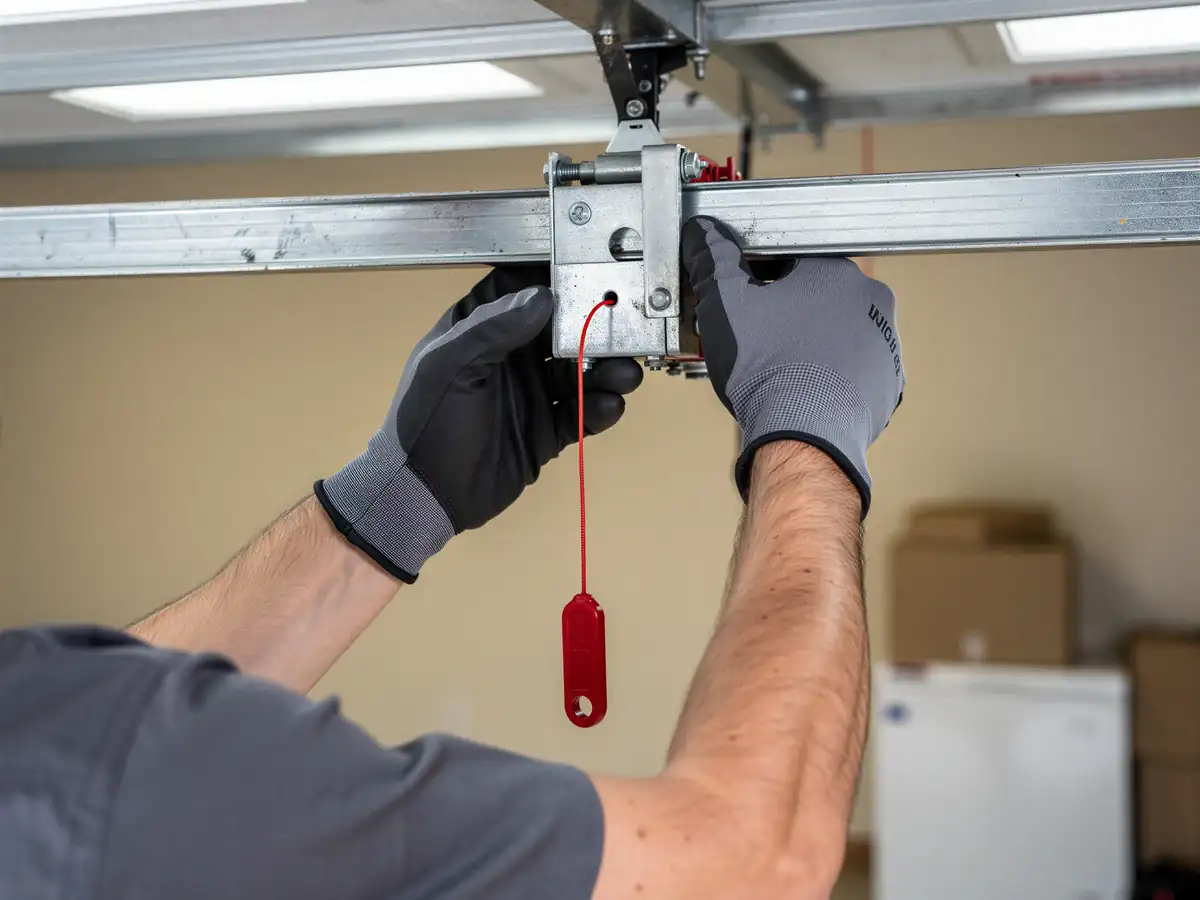
Not a catalog of everything ever made. That means drive gears and sprockets for chain units, belt segments for belt-drive units, logic boards, safety-sensor eyes, and the remotes and keypads that pair to them. Three parts of this area built out heavily through the 1980s and 90s, and a lot of those original openers are still bolted to the header, just tired. Circuit boards are the part we replace most, because heat-cycled solder joints crack years before the motor itself gives out.
We don't stock every control board ever made for every opener sold since the 1970s
Nobody does. If your unit is an odd model from early in that build window and the board is discontinued, we'll tell you straight that a used-board hunt or a full opener swap is the faster, cheaper path. That's not us pushing a sale; a $40 board search that takes three weeks isn't worth your time when a new opener installs in an afternoon.
What we keep on the truck covers the vast majority of calls
Belt and chain drives, standard logic boards, sensor pairs, and wall controls, so most jobs close in one visit.
How We Fix It
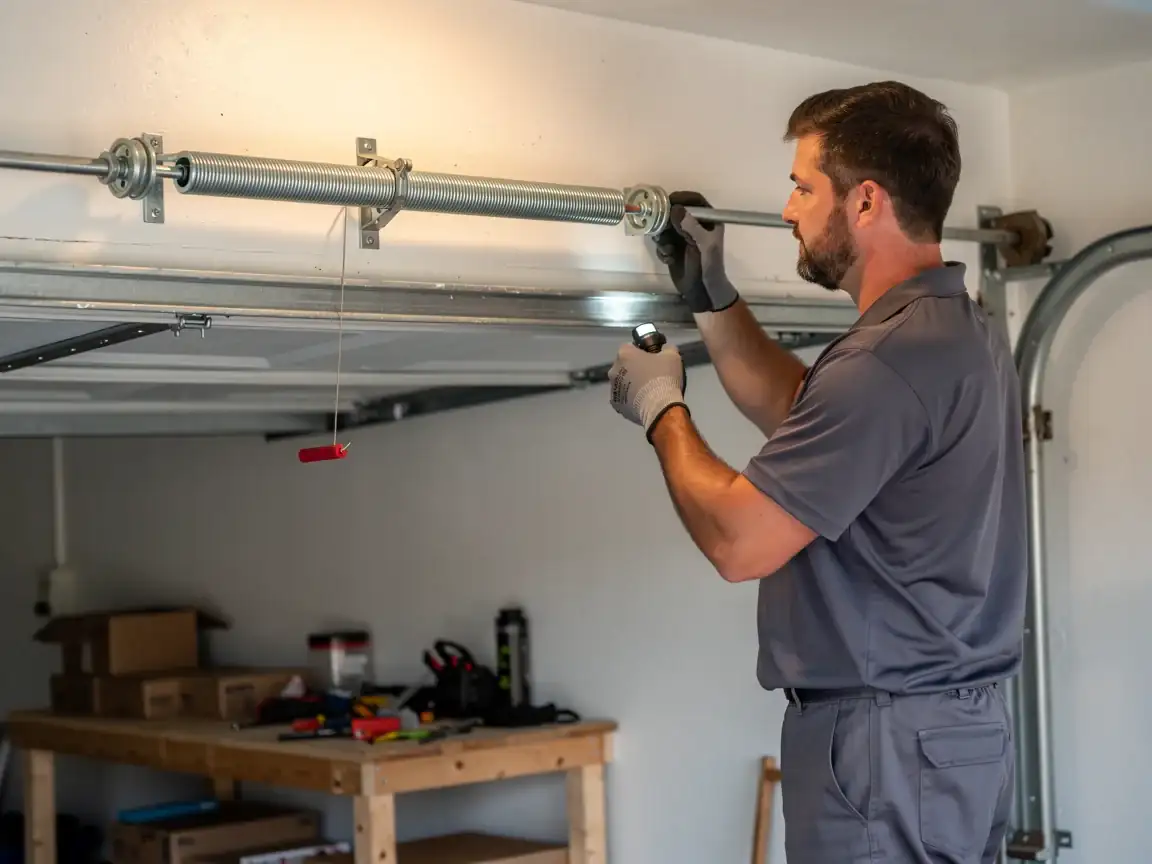
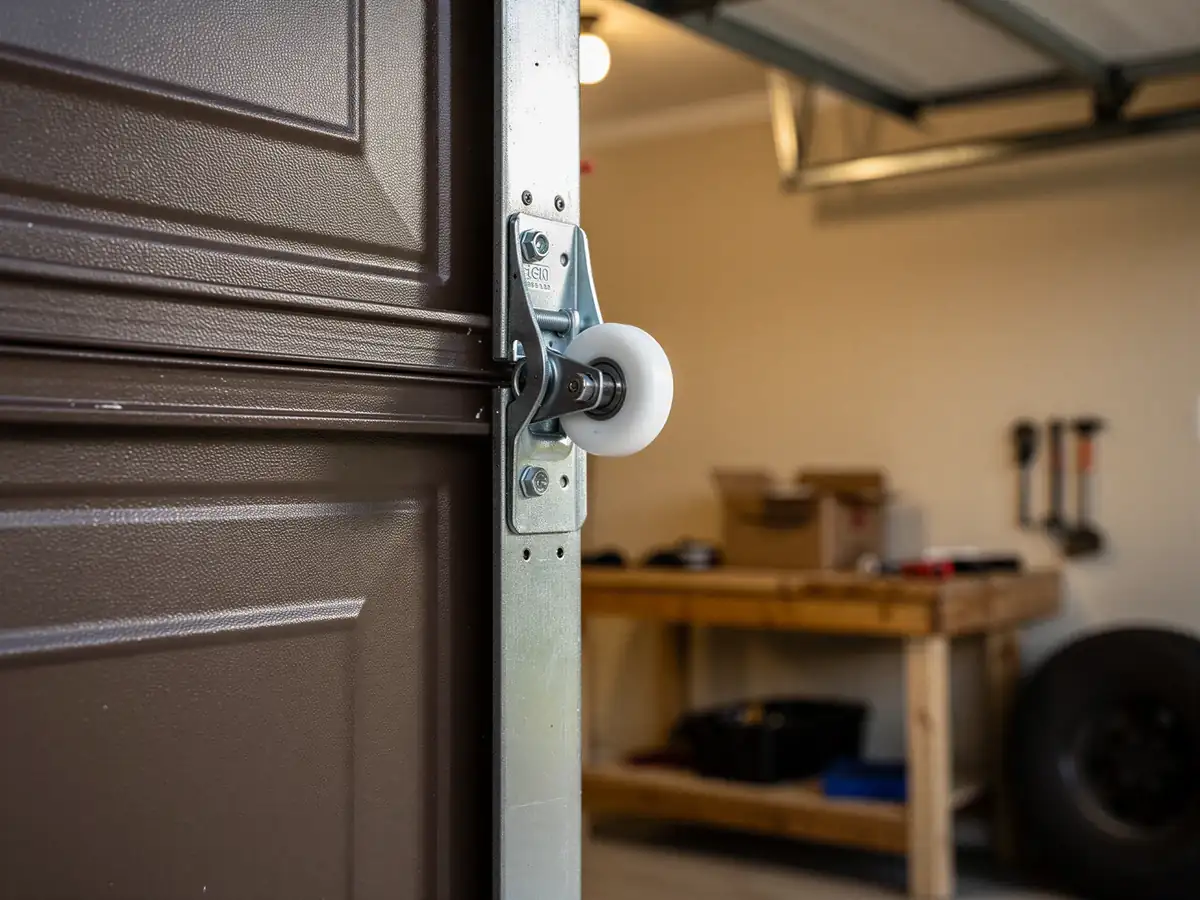
First call is diagnosis, not a swap. We check whether the problem is the opener head, the sensors, the wall button, or something mechanical on the door itself that's making the opener work harder than it should - a dragging roller or a bound track will burn out a motor just as fast as a bad board will. Once we know what failed, we test power draw, check the logic board for visible heat damage, and run the safety reversal before touching anything else.
Most repairs are a straight part swap: gear kit, belt section, board, or sensor pair, done on-site from the truck. We set the travel limits and force settings after any part change, because a door that closes too hard on the first try after a repair is a comeback call waiting to happen.
The honest limit here: if the opener motor itself has seized, or the unit is old enough that a board replacement costs close to a new opener, we'll say so and quote the swap instead of patching a unit that's going to fail again in a year. Fixing it isn't always the cheaper call once the motor's gone.
How It Shows Up
The opener hums but the door doesn't move - that's usually a stripped gear, common on chain units that have been running since the house was built. The door reverses partway up or down for no reason - check the sensors first, but in this climate band it's often a logic board losing its mind from heat exposure in an uninsulated garage. Remote range dropping to a few feet, or the opener working from the wall button but not the remote, points to the receiver circuit on the board, not the remote itself.
A clicking or grinding sound right before the motor cuts out is a gear about to shear completely - that one doesn't fix itself and gets worse fast once it starts. Lights blinking in a pattern on newer boards is usually a stored error code, and on older units from the original 1980s-90s builds there's often no code at all, just a dead stop.
If your opener works fine at night and only acts up in the afternoon, that's heat-related almost every time - the board or capacitor is failing right at the temperature peak, not randomly.
Why It Happens Here
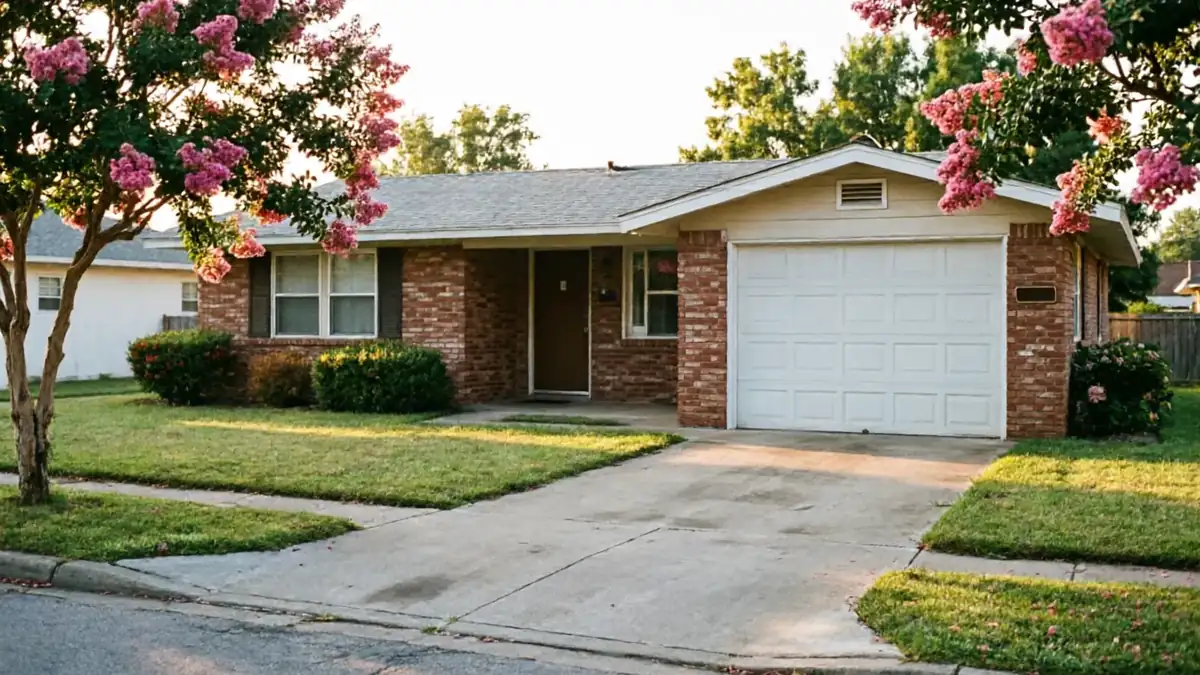
Housing across this service area went up mostly between 1975 and 2007
With the median build year around 1992, and three parts of the area are dense with 1980s and 90s stock specifically. That means a large share of openers in service right now are original to the house or one replacement cycle in - these units are thirty to forty-five years into a climate that doesn't let up. The severe-heat band here means garage interiors regularly sit well above outdoor temperature, and that's exactly the environment that kills solder joints, dries out grease on gear sets, and shortens belt life faster than a milder climate would.
With 3,082 households across the service area and only 1,608 owner-occupied houses
A good share of the openers we see are in rental housing where deferred maintenance is common - nobody caught the grinding gear until it stopped. At a $40,000 median household income, most owners we talk to want the opener repaired, not replaced, which is why we lead with parts-on-hand repair rather than a sales pitch toward a new unit. Our coverage runs from about 3 miles southwest, out past six miles south and Unitec Industrial Park eight miles northeast - a tight working radius, not a sprawling territory.
- 3,082 households
- 1,608 owner-occupied
- 3 miles