What Changes With the Season
Laredo doesn't get the freeze-thaw cycle that wrecks doors up north
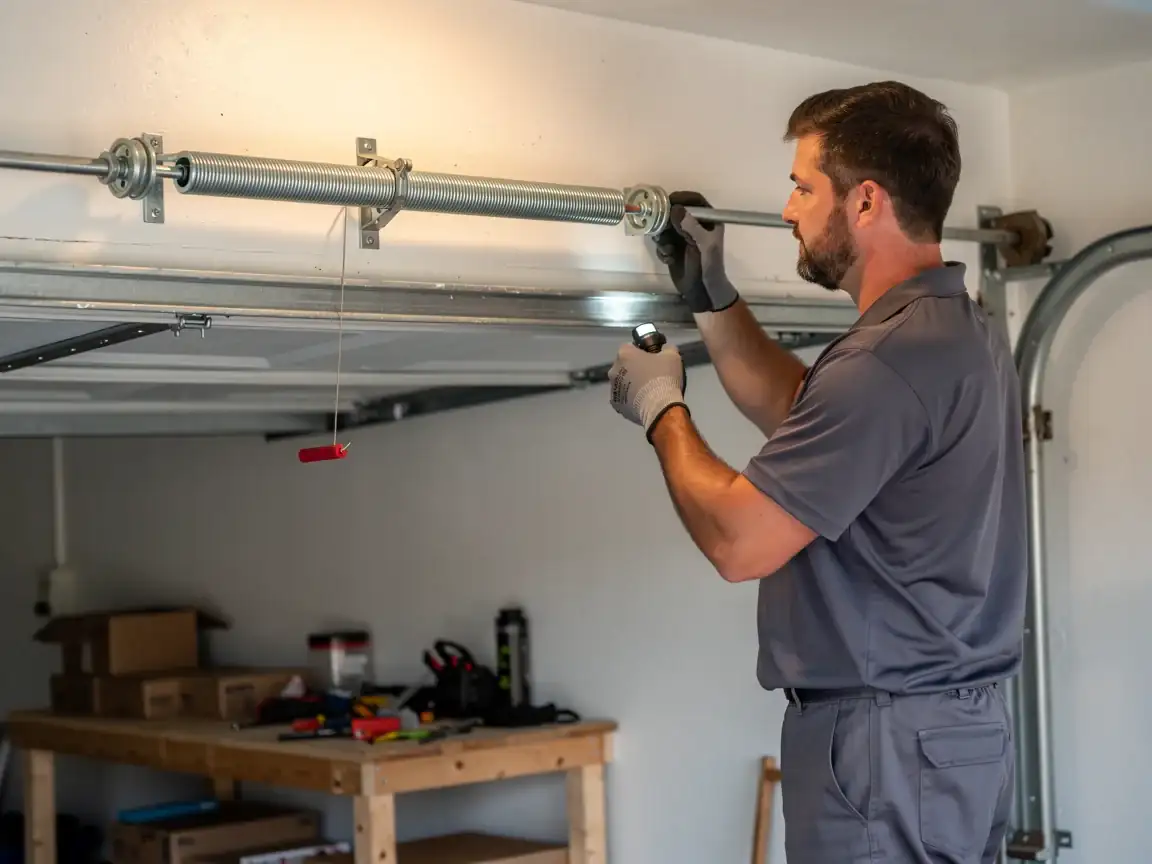
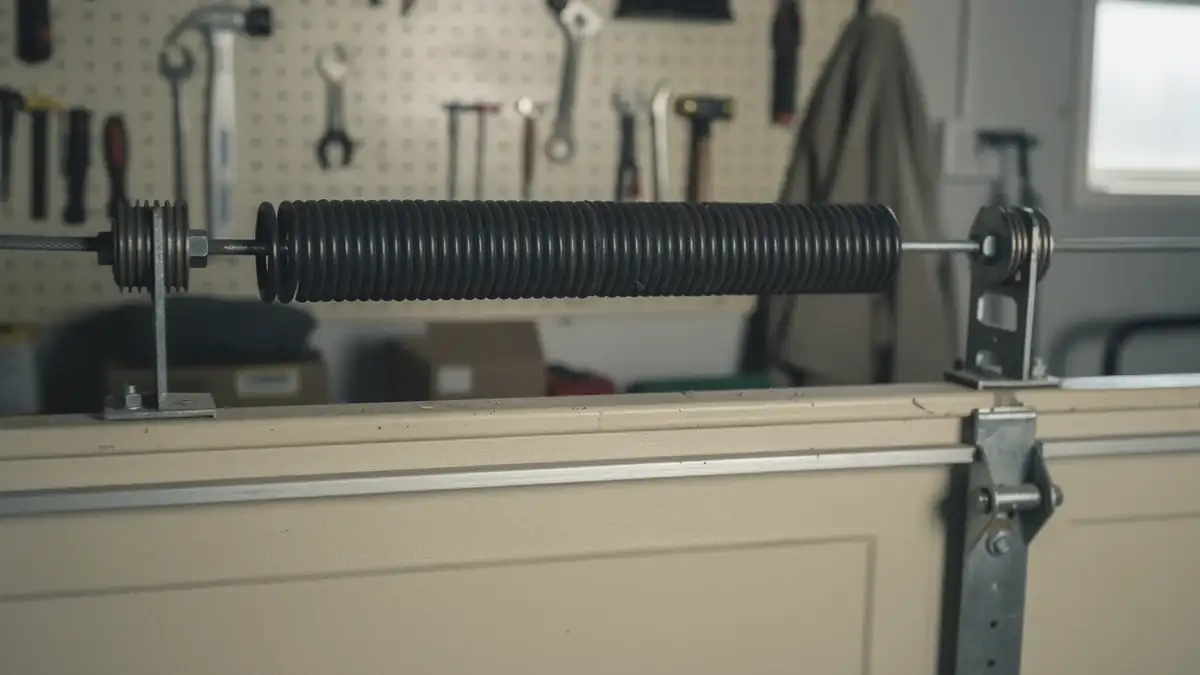
What it gets instead is months of sustained heat, and that's its own kind of punishment. Steel torsion springs are tempered to flex a set number of cycles, and heat softens that temper faster than a mild climate would. Opener logic boards and capacitors sit in hot garages for weeks at a time, and that shortens their working life whether the door gets used once a day or ten times.
The swing in Laredo isn't dramatic day to day, but it's long
A door that would coast for years in a cooler region is pulling double duty here just from ambient heat alone. You notice it first in the opener - a motor that strains to lift a door it used to handle without a sound, or a remote that stops responding on the hottest afternoons and comes back once things cool off. That's not a coincidence. That's the heat band Laredo sits in doing exactly what it does to rubber seals, lubricant, and circuit boards over time.
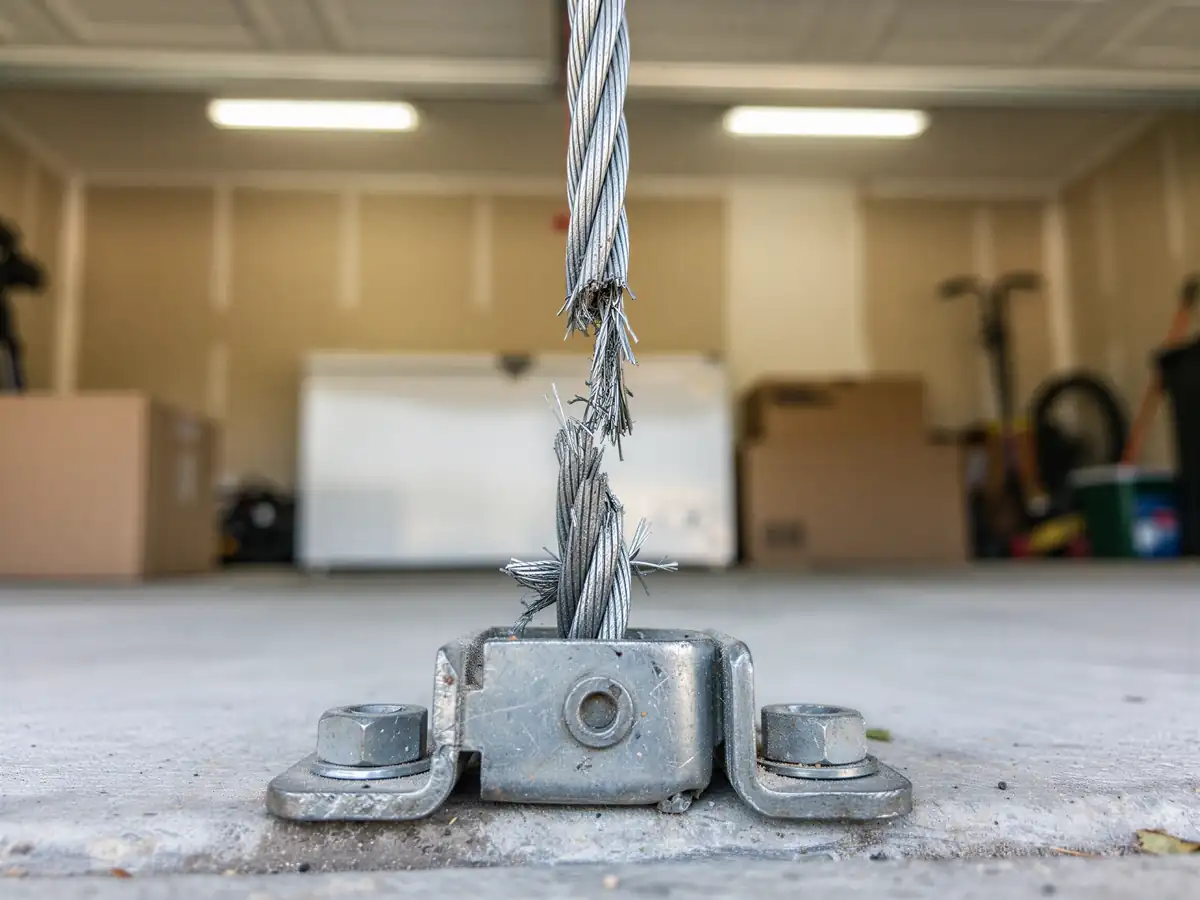
Springs usually fail without much warning
A cable or track issue tends to announce itself first - noise, drag, a door that hangs crooked. Heat-driven spring fatigue is quieter. It just lets go.
What Is Going On
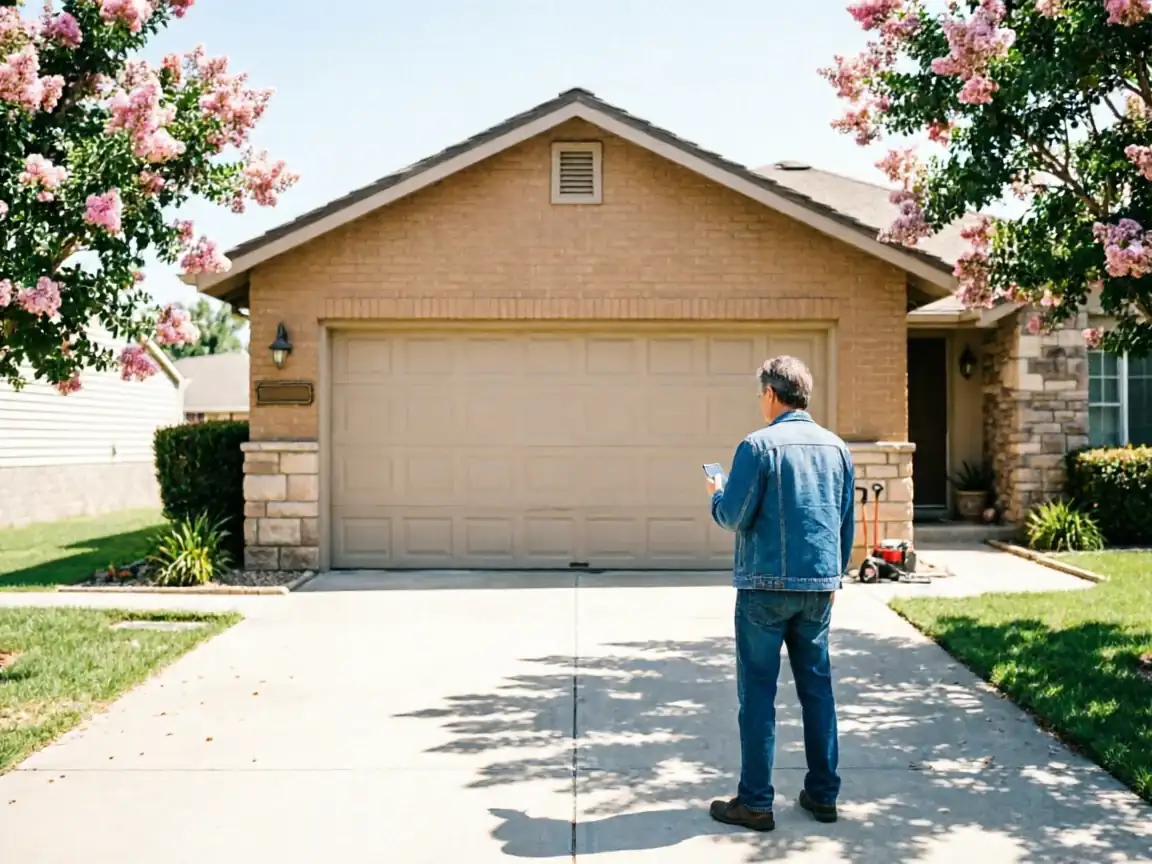
Most of the housing in this service area, including the Unitec Industrial Park sections, went up between 1975 and 2007, with the median build year landing around 1992. That matters because a door and opener installed when a house was built is now anywhere from 18 to 50 years into service, and a lot of that run has been logged in Laredo's heat, not a mild coastal climate.
A 1992-era door is a common call for us. The opener is usually the original unit or a direct swap for it, and by now the capacitor and the drive gear have been through three decades of hot garage summers. The torsion spring on that same door has usually outlived its rated cycle count, heat fatigue included, long before anyone notices a problem.
What we're usually looking at on a service call in these neighborhoods isn't one bad part. It's an opener and a spring that aged out together because they were installed together, and heat sped up both clocks at the same rate. That's useful to know before you spend money on just the part that's making noise.
What the Weather Here Does to It
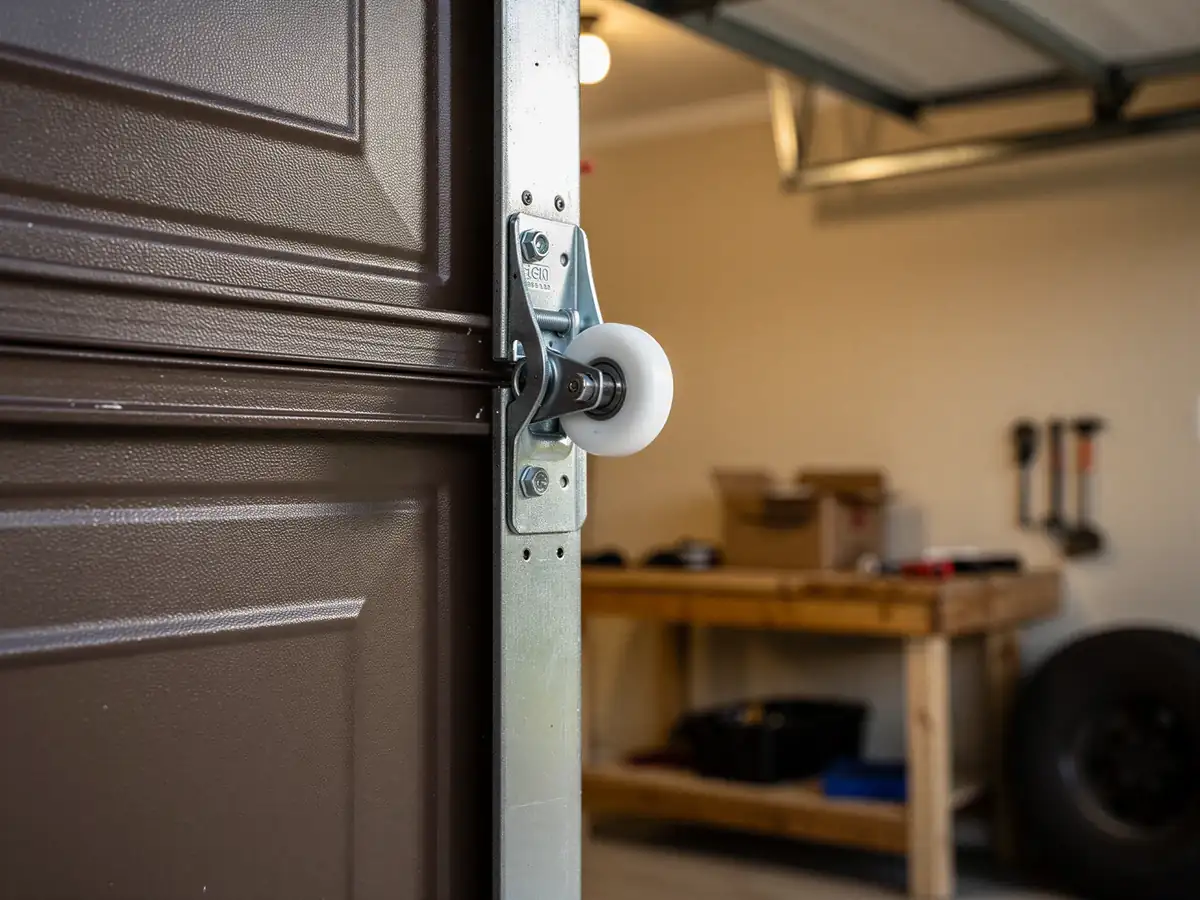
Severe heat does three specific things to a garage door system, and Laredo sees all three. First, it breaks down the grease on spring coils and roller bearings faster than a mild climate would, so metal rides on metal longer between services. Second, it softens the temper in torsion springs, which means a spring rated for a given number of cycles reaches failure sooner than the rating suggests. Third, it stresses opener electronics - the capacitor that kicks the motor over, the logic board that reads your remote - because electronics run hotter and fail sooner the longer they sit in sustained high heat.
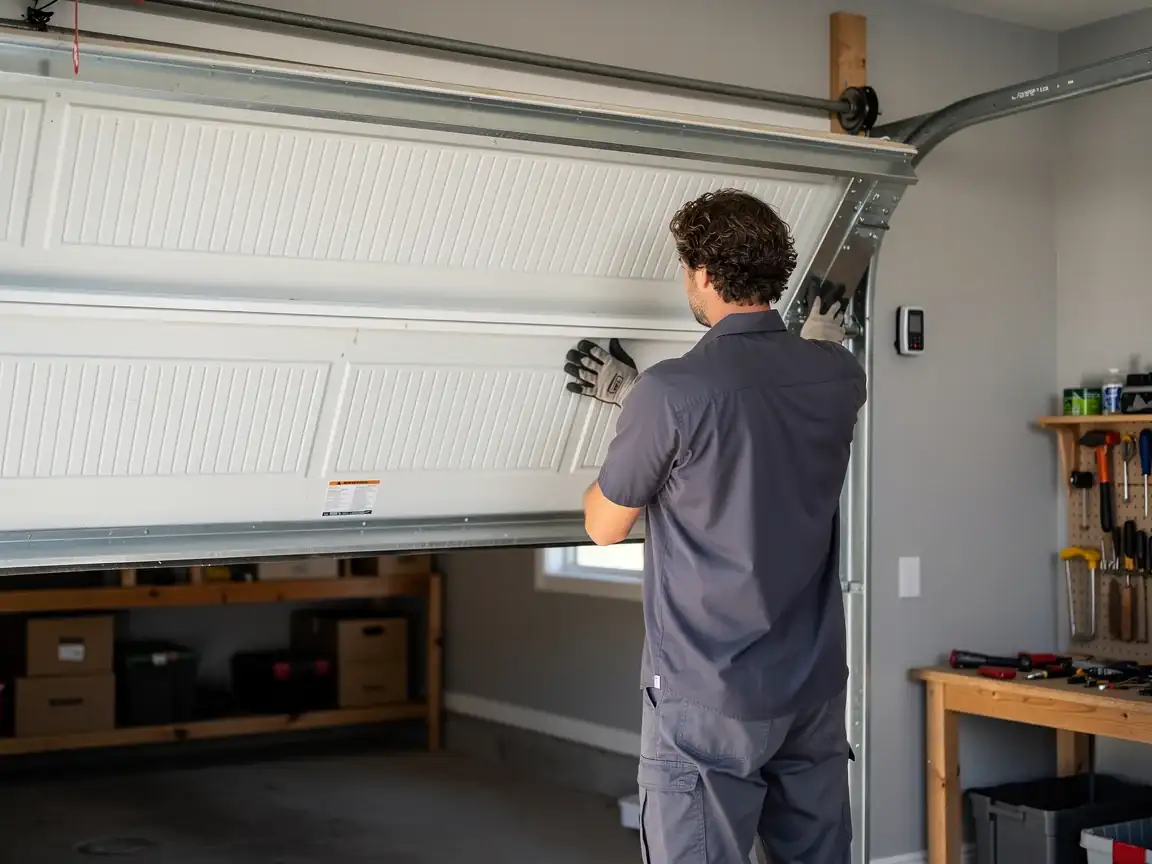
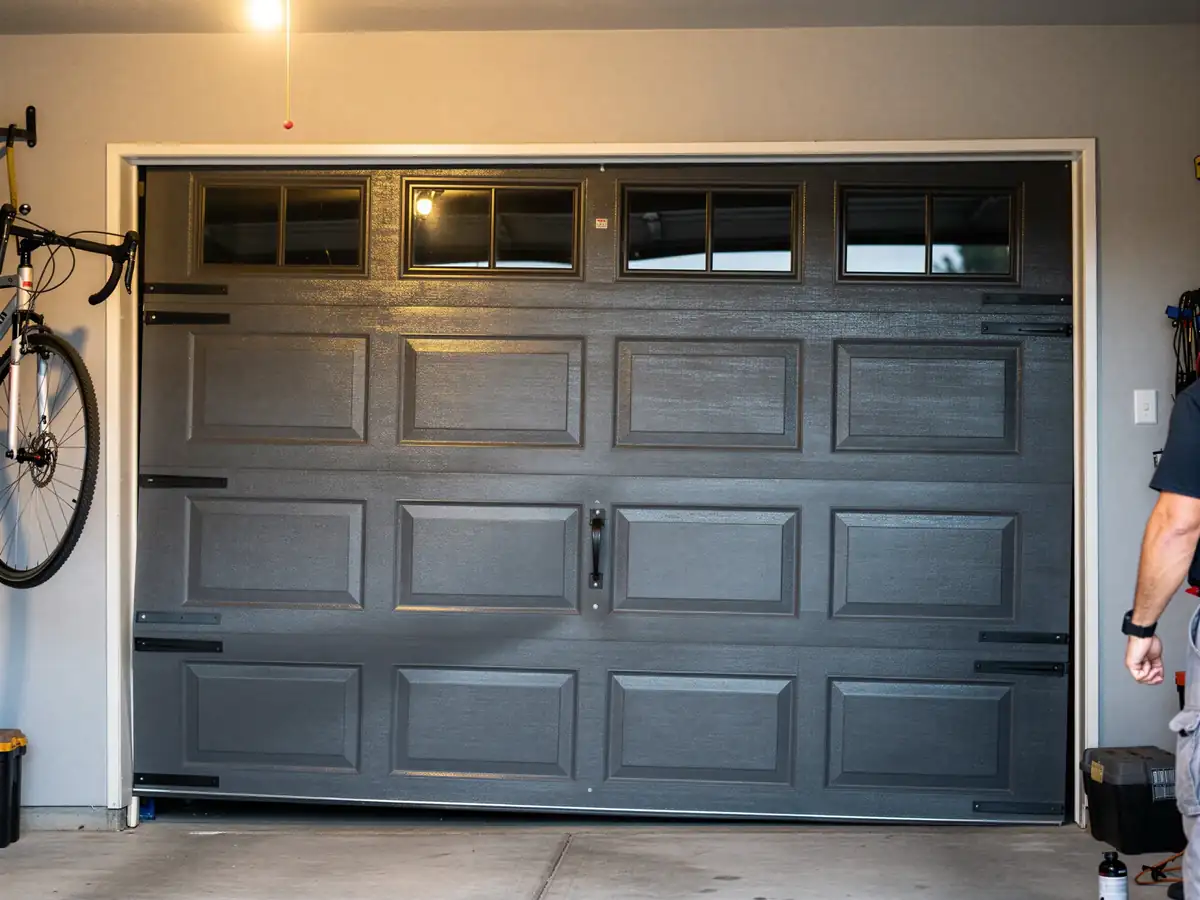
Aluminum and steel track hardware also expand slightly in extreme heat, which on an older door - especially the 1980s and 90s stock common across the Unitec Industrial Park areas - can turn a marginal alignment issue into a door that binds or jumps the track on the hottest days of the year. If your door only sticks in July and August, that's not your imagination. That's the heat band working on hardware that's already decades old.
We don't have failure-rate data broken out by neighborhood, so we're not going to pretend we can tell you exactly when your specific door will go. What we can tell you is that heat accelerates every one of these failure modes, and an older door here is working against the climate, not just against time.
The Cost of This Job
This service area has about 3,082 households, 1,608 of them owner-occupied houses
And the median household income runs around $40,000. That number matters for a straightforward reason: on a door and opener system that's 20 to 30 years old, the repair-versus-replace math isn't automatic, and at this income level it's worth doing the math instead of defaulting to either option.
- 3,082 households
- 1,608 owner-occupied
- $40,000 median household income
A single torsion spring replacement is usually the cheaper call
And it's often the right one if the opener and track are still sound. But if the opener is the original 1990s-era unit and the spring has already gone once, you're often looking at two service calls instead of one if you only fix what failed first. For a lot of households at this income level, replacing the opener and spring together in one visit costs less in the long run than two separate trips a year apart.
We're not going to tell you a number here
Because we don't have pricing in front of us for your exact door, spring size, and opener model - that depends on what's actually in your garage. What we can tell you honestly is that if your opener is original to a house built in the early 90s, the spring failing now is not bad luck. It's the heat and the age catching up at the same time, and that's worth knowing before you decide which part to fix first.