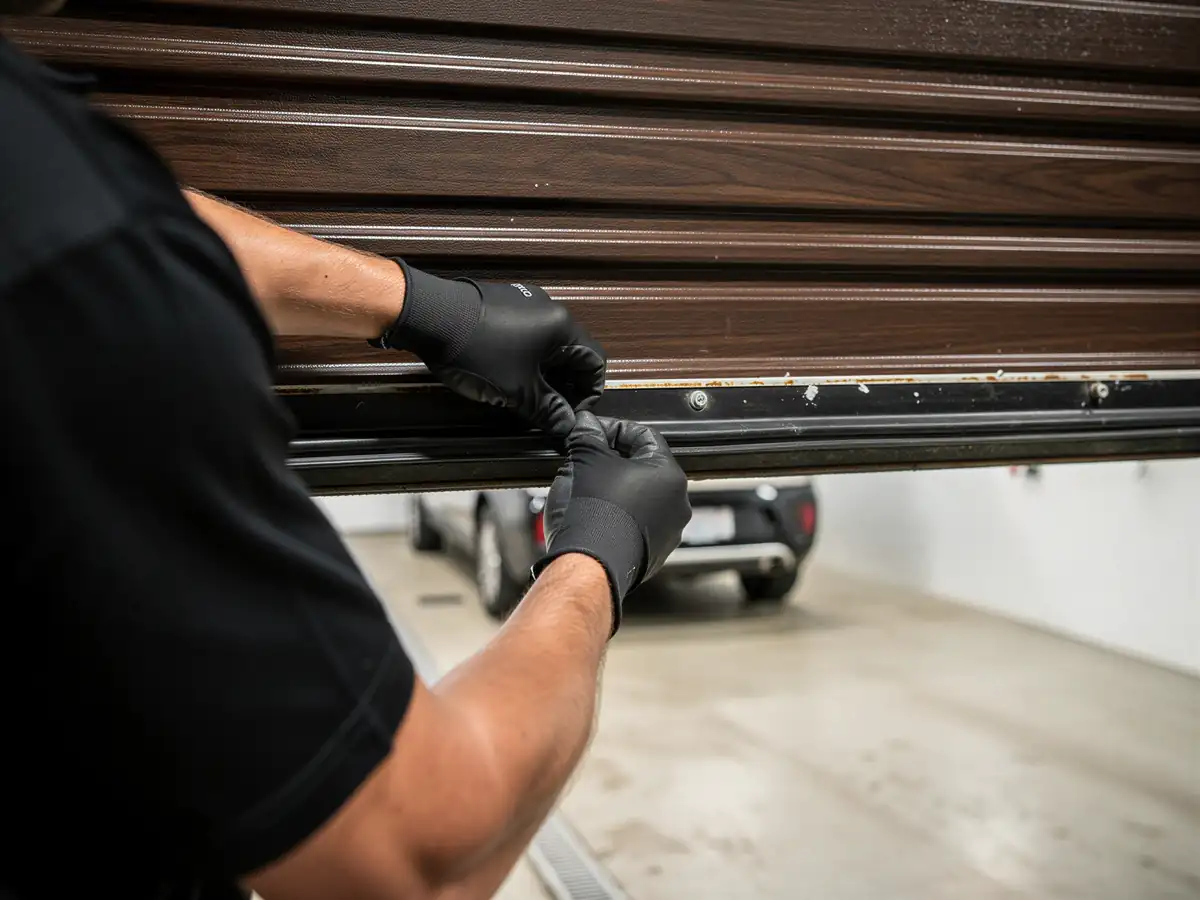
Garage doors in this part of Laredo don't fail gently. A door that's worked fine all spring can seize up or snap a spring the first week the heat really sets in, because steel expands, lubricant thins out, and the opener's motor is pulling harder against warped or swollen panels. Most of the homes we go to were built between 1975 and 2007, with the median sitting around 1992, so a large share of the doors and openers we see are original or close to it. That means steel sections that have spent three decades expanding and contracting in Laredo heat, and springs that were never rated for the cycle count they've actually logged. If your door is from that build window and it's never had the torsion spring replaced, the spring is likely past due regardless of how it looks. We don't push a swap on every call - plenty of these doors are structurally sound and just need the moving parts brought back into spec before the heat gets worse.
What Is Going On
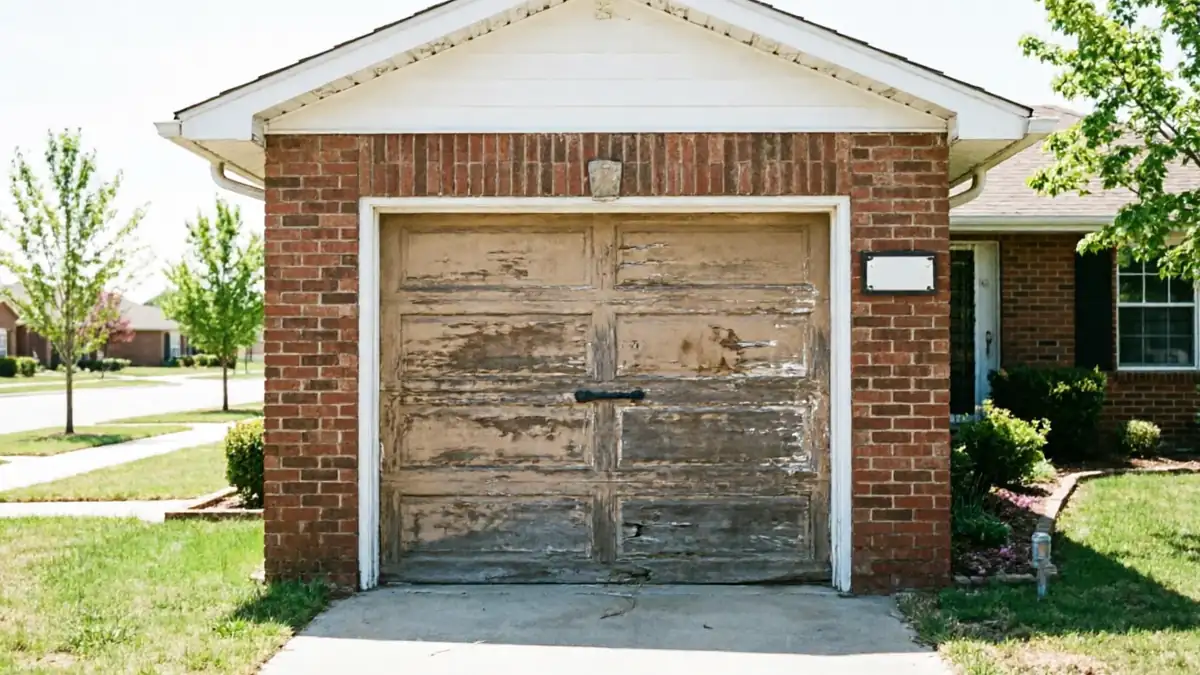
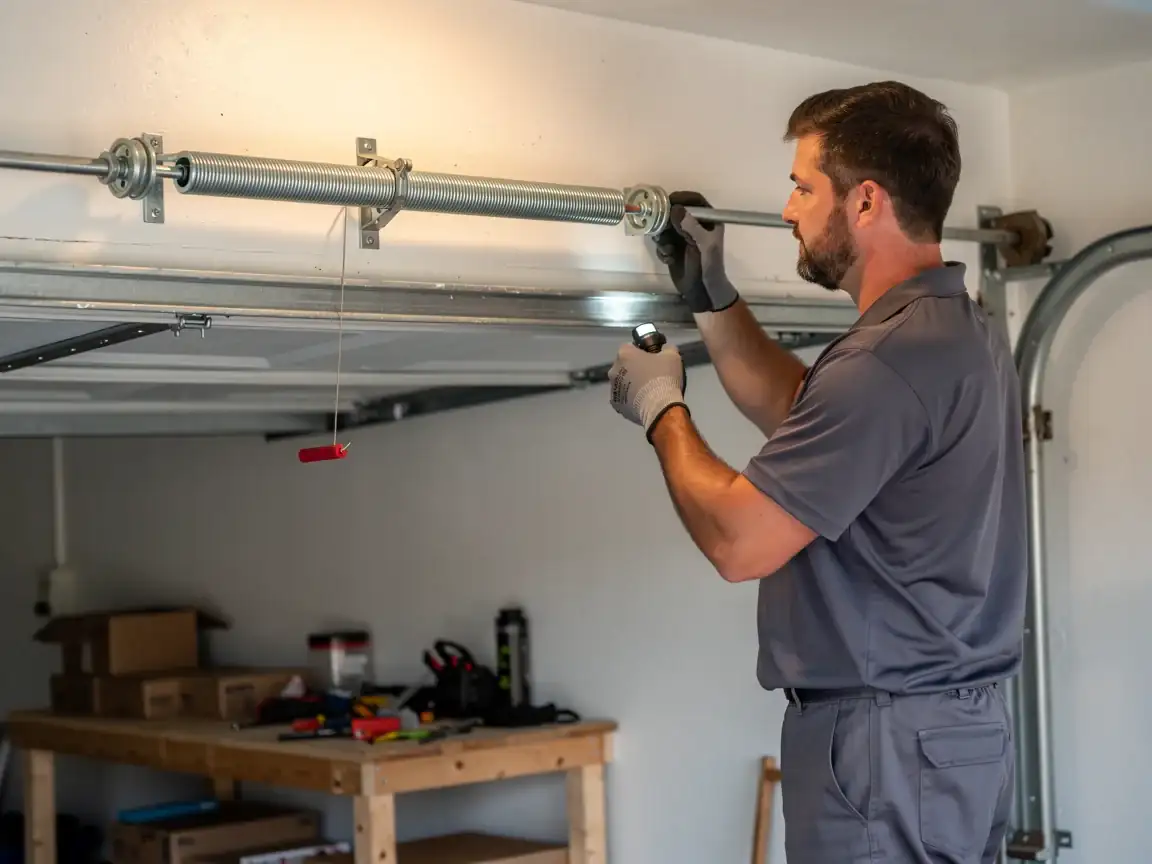
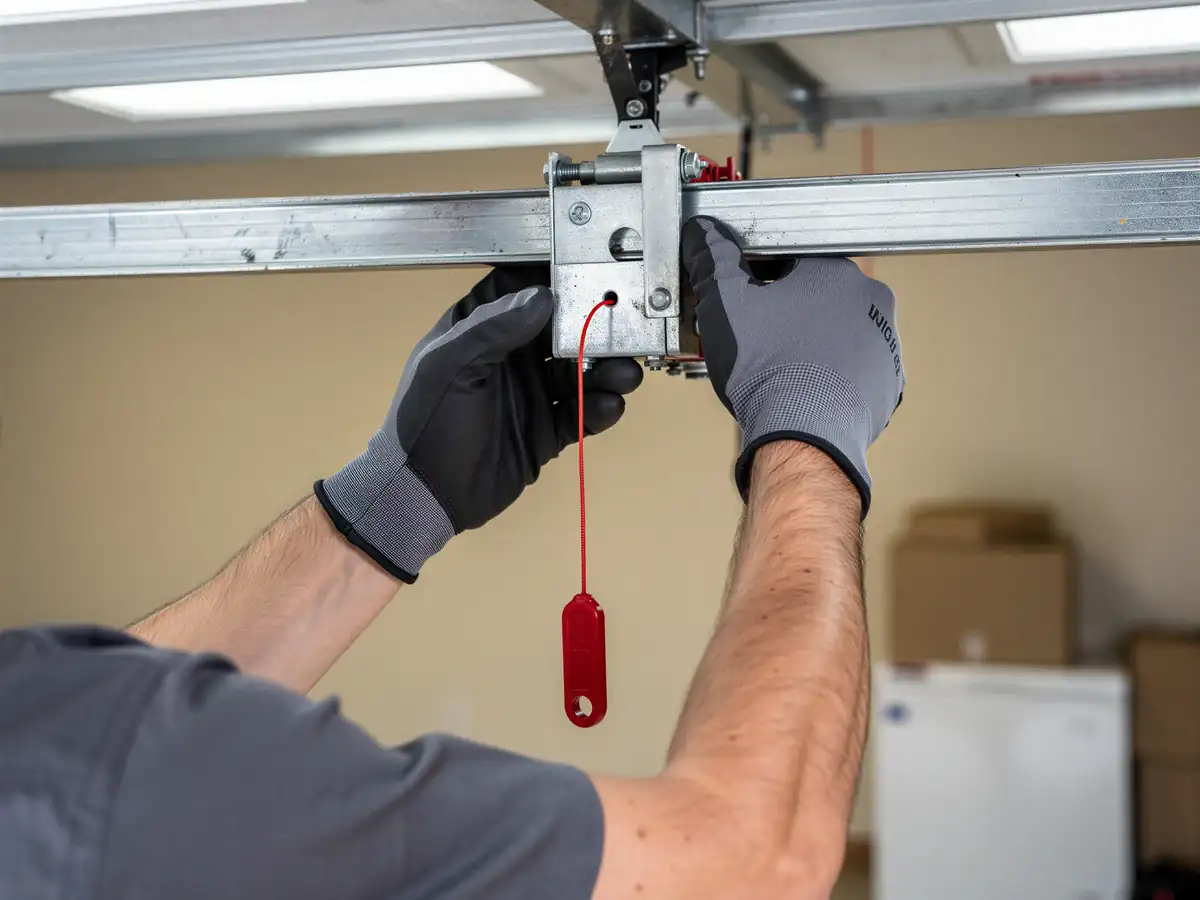
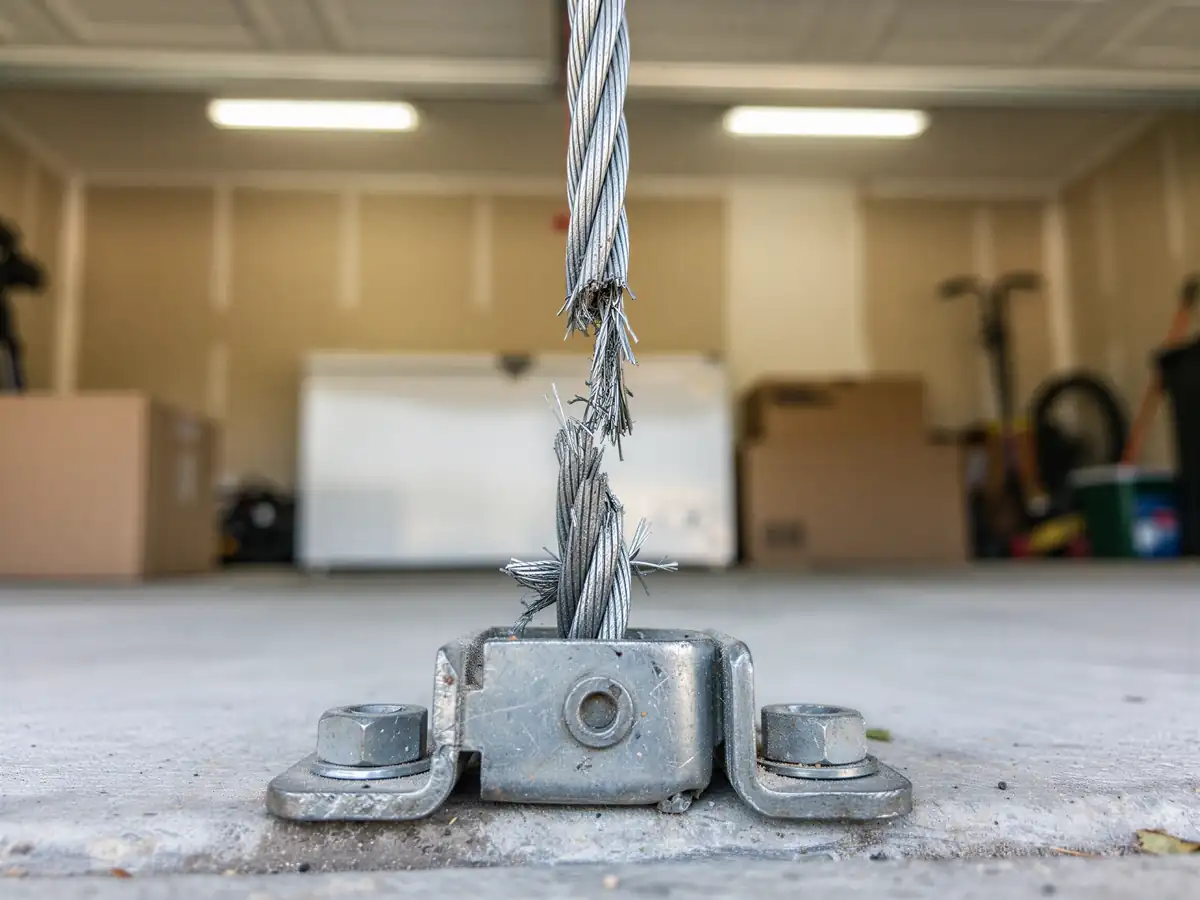
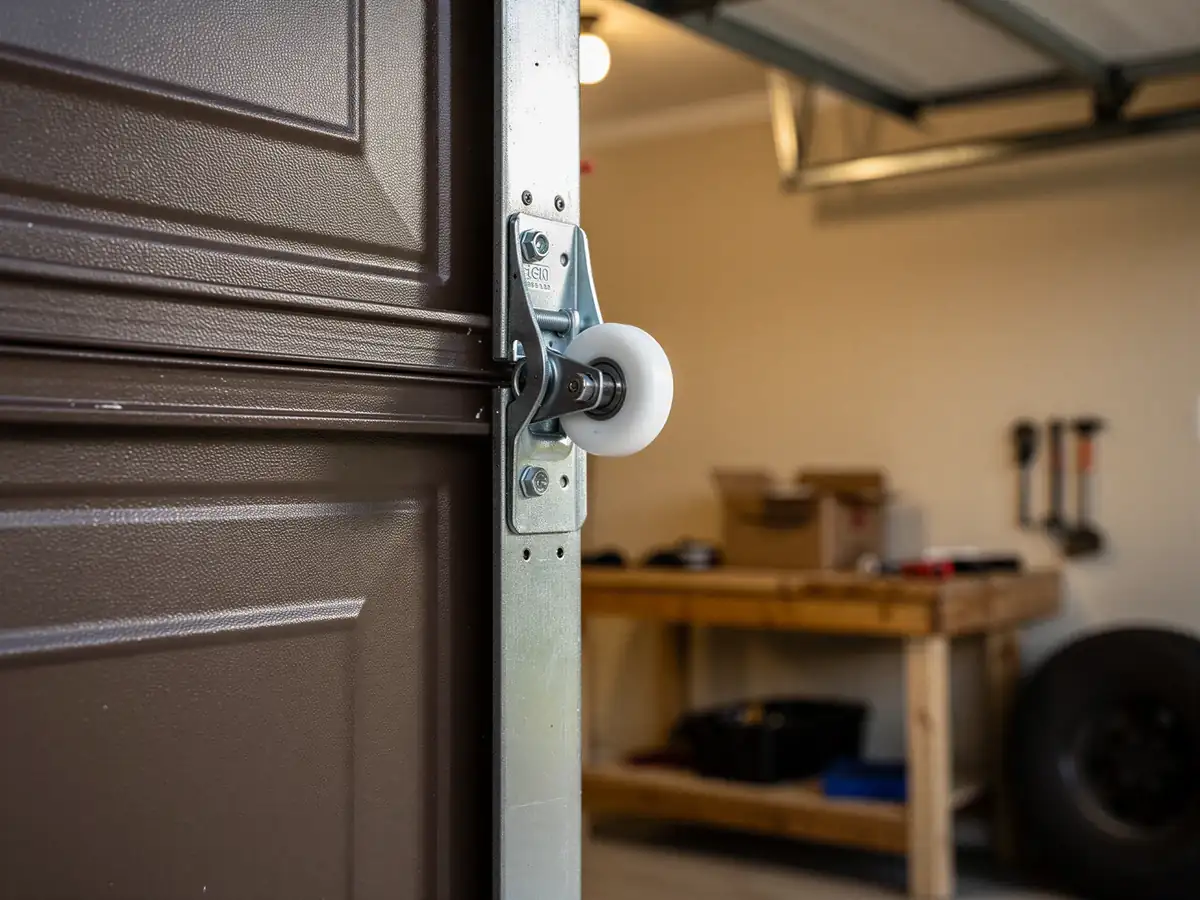
Across the service area - the housing stock is mostly 1980s and 90s construction, and that era of door came with hardware that's now hard to source new. Steel tracks from that period are a narrower gauge than what's sold today, and a lot of those openers are first- or second-generation chain-drive units with no battery backup and worn gear sets. With roughly 3,082 households and 1,608 owner-occupied houses in this area, we're working on a lot of doors from the same handful of production years, which means the same failure points show up again and again: dry rollers, stretched cables, and torsion springs well past their rated cycles. None of that means the door is junk. A steel panel from 1992 that's been kept painted and isn't rusted through at the bottom section is usually a better candidate for new springs and hardware than for a full teardown.
What the Weather Here Does to It
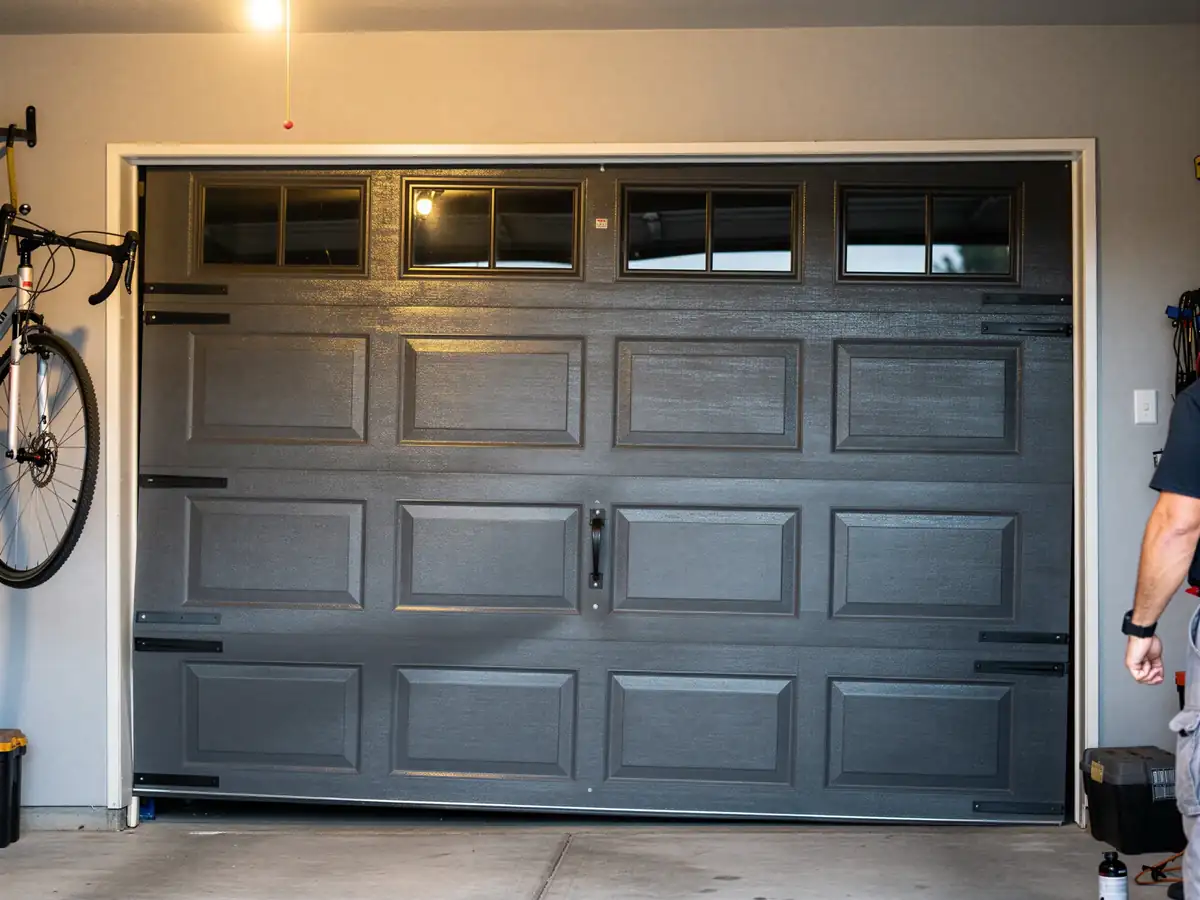
Laredo sits in a severe-heat climate band, and that's the single biggest factor shortening the life of springs, rollers, and weatherstrip on these doors. Heat doesn't just make the garage uncomfortable - it dries out lubricant on tracks and hinges faster than in milder climates, it accelerates metal fatigue in torsion springs that are already cycling thousands of times a year, and it causes nylon rollers to go brittle and crack. Openers suffer too: the motor and circuit board sit in an attic-hot garage for months at a time, and that heat soak is what kills capacitors and logic boards years before a cooler climate would. If your door is binding only in the afternoon and running fine in the morning, that's heat-driven track misalignment, not a door that needs replacing. We check for that specifically because it's such a common complaint in this climate and it's usually a cheap fix, not a new-door problem.
The Cost of This Job
We don't have a flat number to hand you, because what a repair costs depends on whether it's a spring, a cable, a roller set, or an opener board, and whether the track underneath is still true. What we can tell you is how we think about the decision. At a median household income of $40,000 in this area, a full door-and-opener replacement is a real expense for most households here, so we don't recommend it unless the door has damage a repair can't fix - a bowed or rusted-through bottom panel, a bent track that's been forced back into shape more than once, or an opener motor that's already failed twice. If the steel is sound and the problem is springs, cables, rollers, or a tired opener, a repair almost always costs less than replacement and buys the door several more years. The one thing we won't do is sell a repair on a door whose panels are already rusted through at the bottom - at that point the frame is compromised and a repair won't hold.
How it works
From “it’s stuck” to “it’s fixed”
01
Tell us what’s wrong
Describe the symptom - won’t open, loud bang, opener runs but the door won’t move.
02
On-site diagnosis
A technician tests the door under power and by hand and finds what actually failed.
03
Clear, up-front plan
You get the fix that’s needed and what drives the cost - before any work starts.
04
Repaired & tested
The repair is done, the door is set true and tested, and the work area left clean.
Not sure which repair your door needs in Laredo, TX? Describe what it’s doing - every job starts with a diagnosis.
How old does my garage door have to be before replacing it makes more sense than fixing it?
Age alone doesn't decide it. A lot of houses in this area were built between 1975 and 2007, and a steel door from that window with sound panels is usually worth fixing. What pushes us toward replacement is rust-through at the bottom section, a track that's been bent and straightened more than once, or an opener that's already failed twice.
Why do springs seem to fail more in summer here?
Laredo's severe-heat climate band accelerates metal fatigue in torsion springs that are already cycling many times a day. Heat also dries lubricant faster, so friction and wear both go up. A spring that might last a few more months in a cooler climate can snap here without much warning.
My door only sticks in the afternoon - is that serious?
Usually not. That pattern points to heat-driven expansion in the tracks or door panel, not a structural problem. We see this often given the local heat band, and it's typically a track adjustment, not a sign you need a new door.
Is it worth repairing an opener from the 1990s?
Often yes, if the motor still runs and the issue is the gear kit, the logic board, or the sensors. A lot of the housing stock here dates to that era, and we can usually get an older chain-drive unit running reliably again. We'd tell you plainly if the motor itself is failing - that's not worth chasing with repeated part swaps.
Ready to get your garage door sorted?
Tell us what it’s doing and where you are in Laredo - we’ll take it from there.