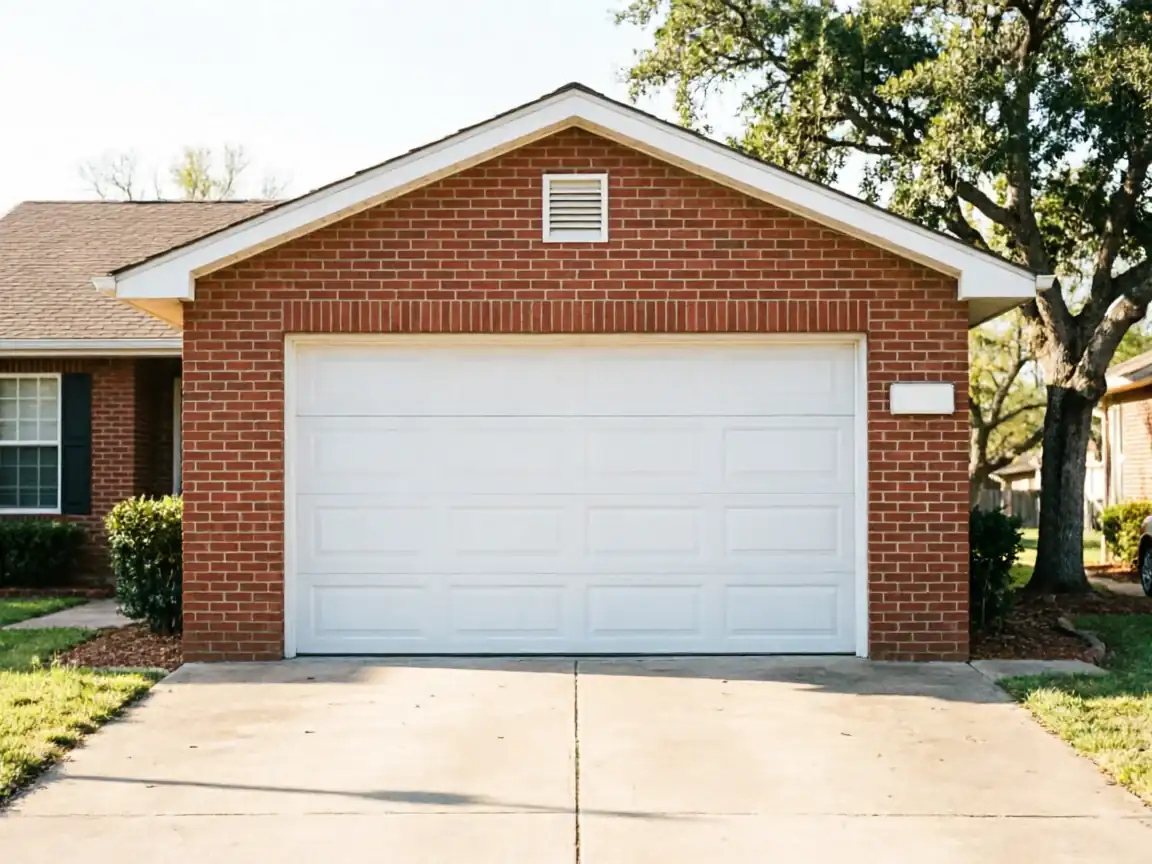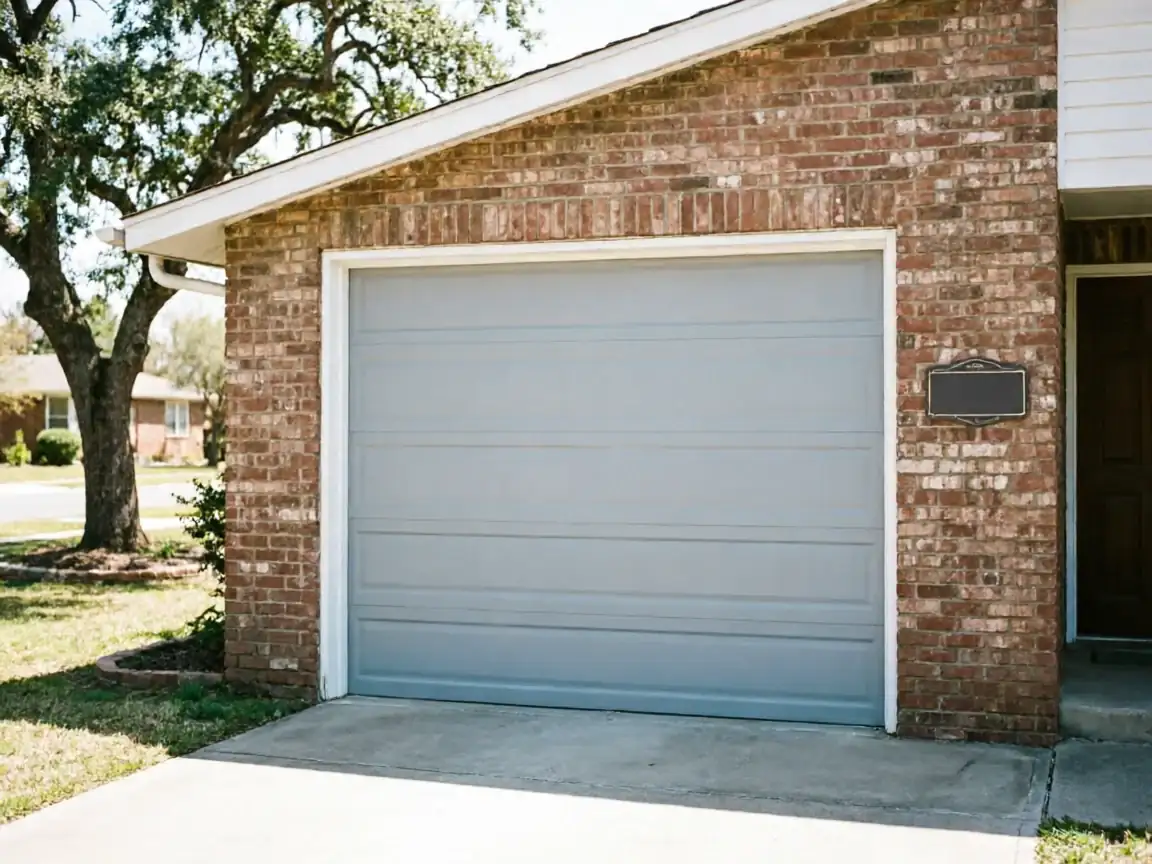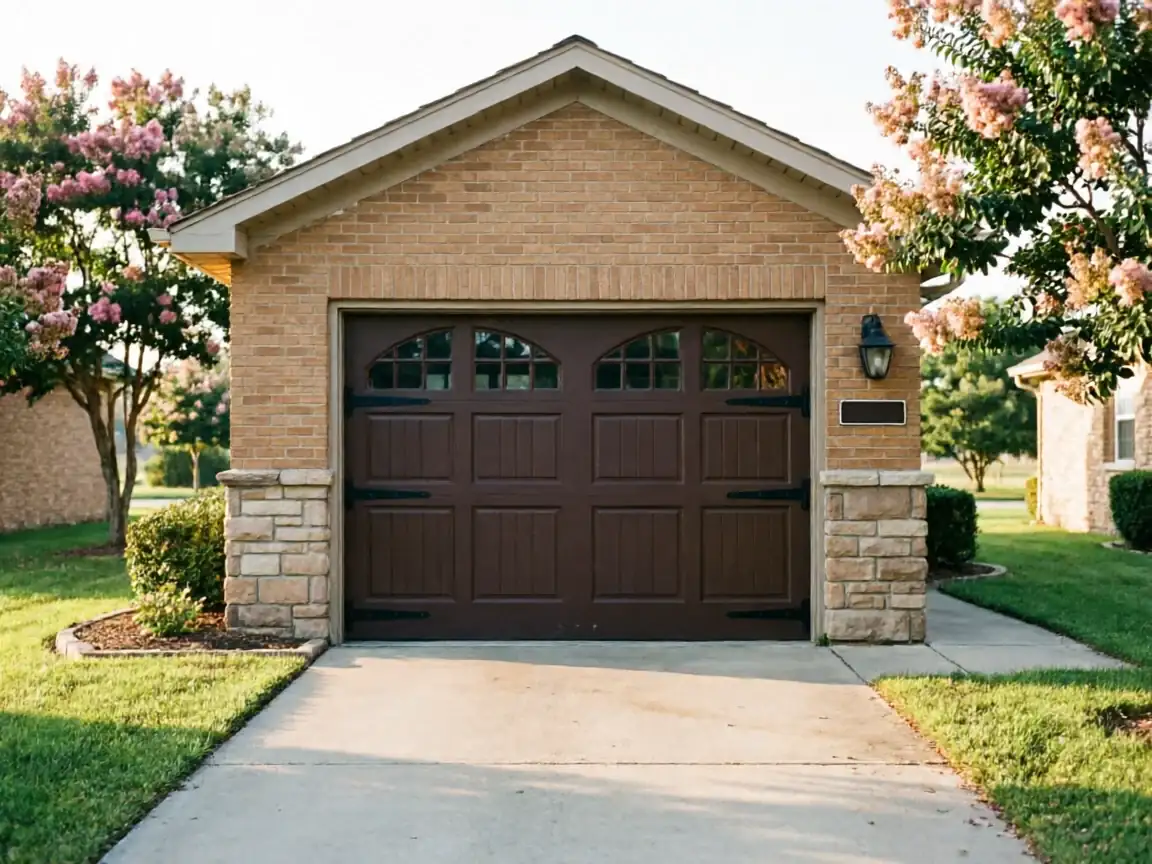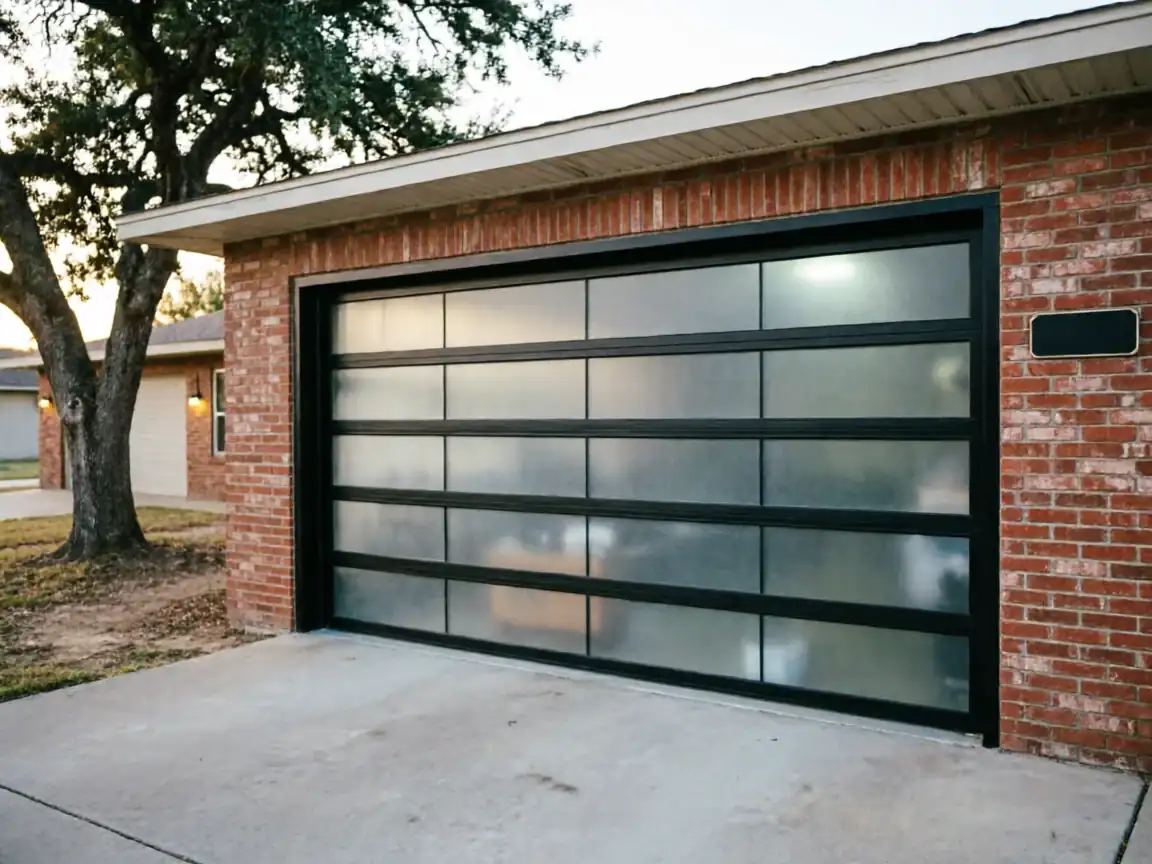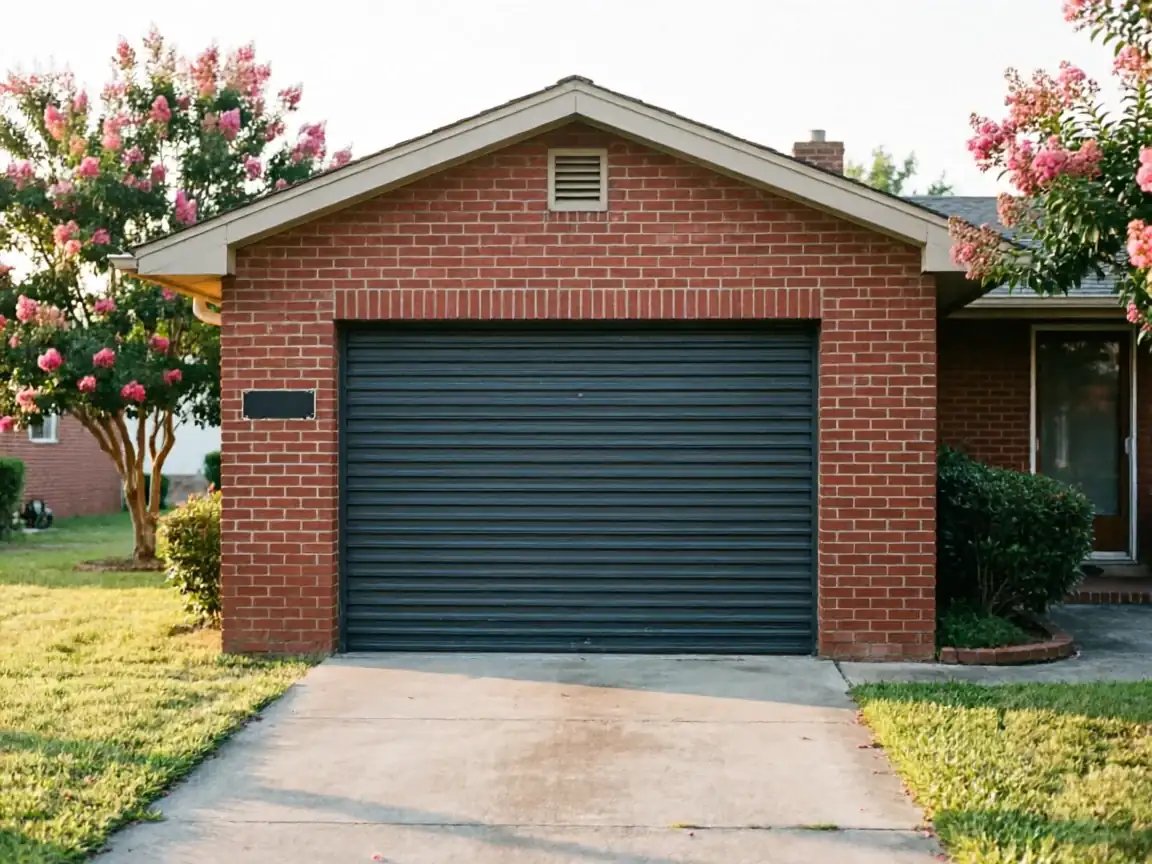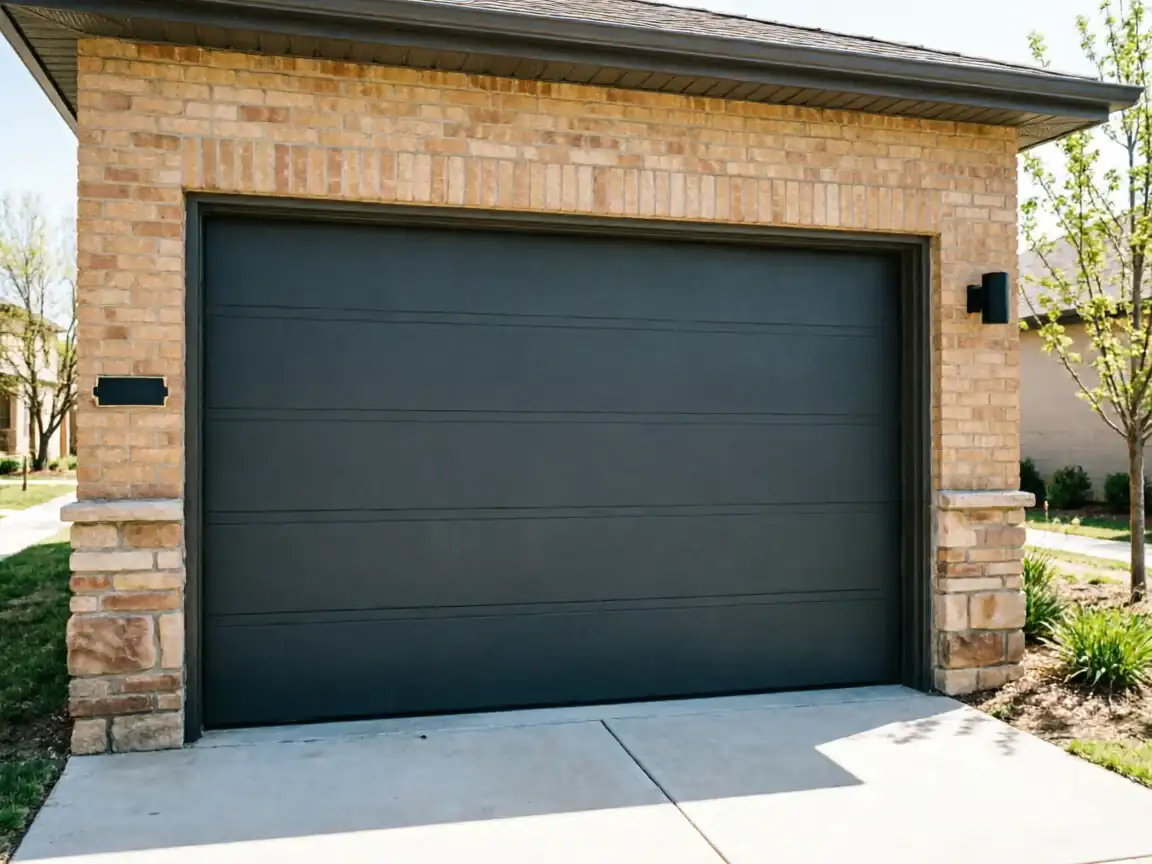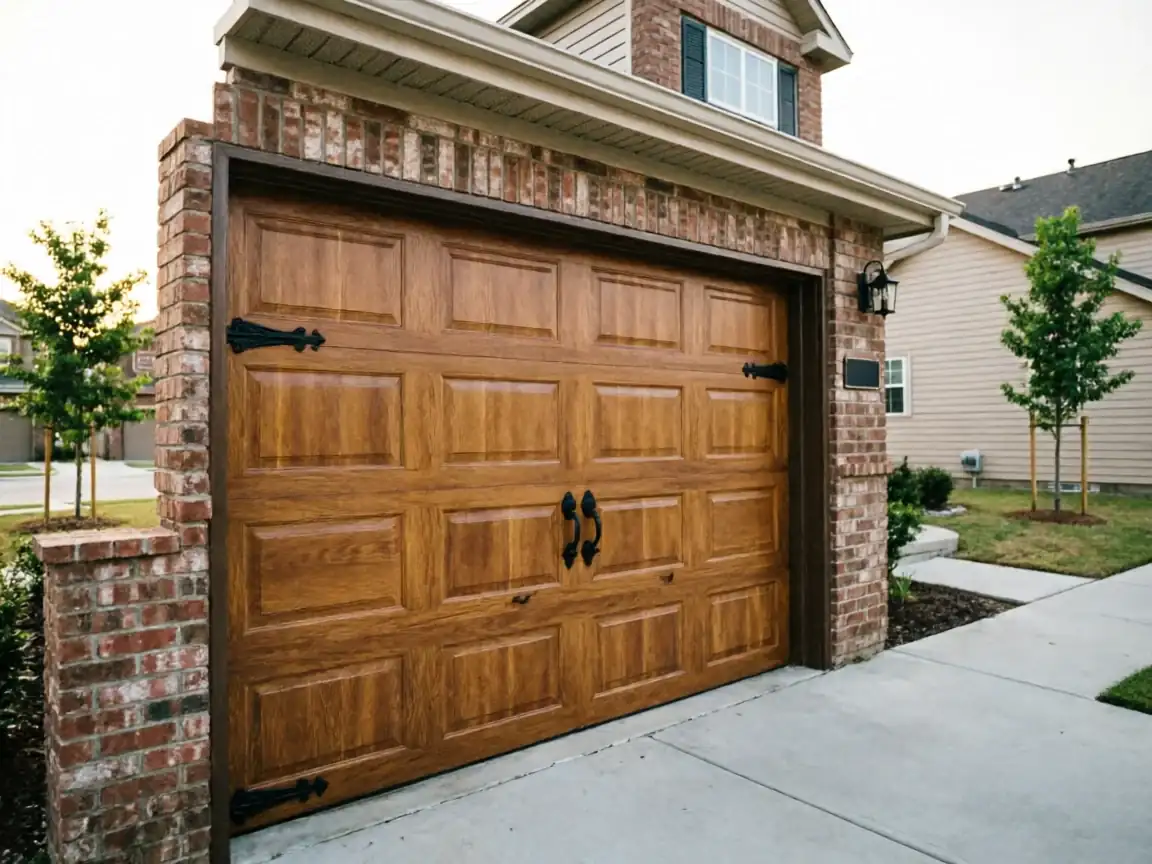
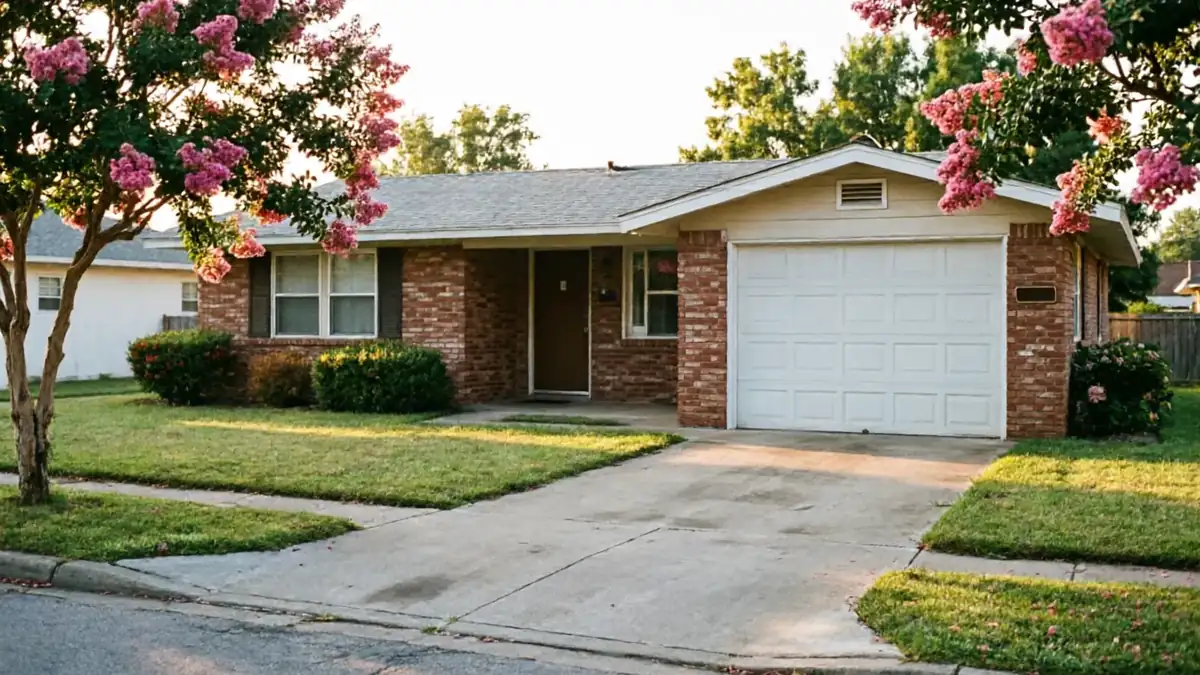
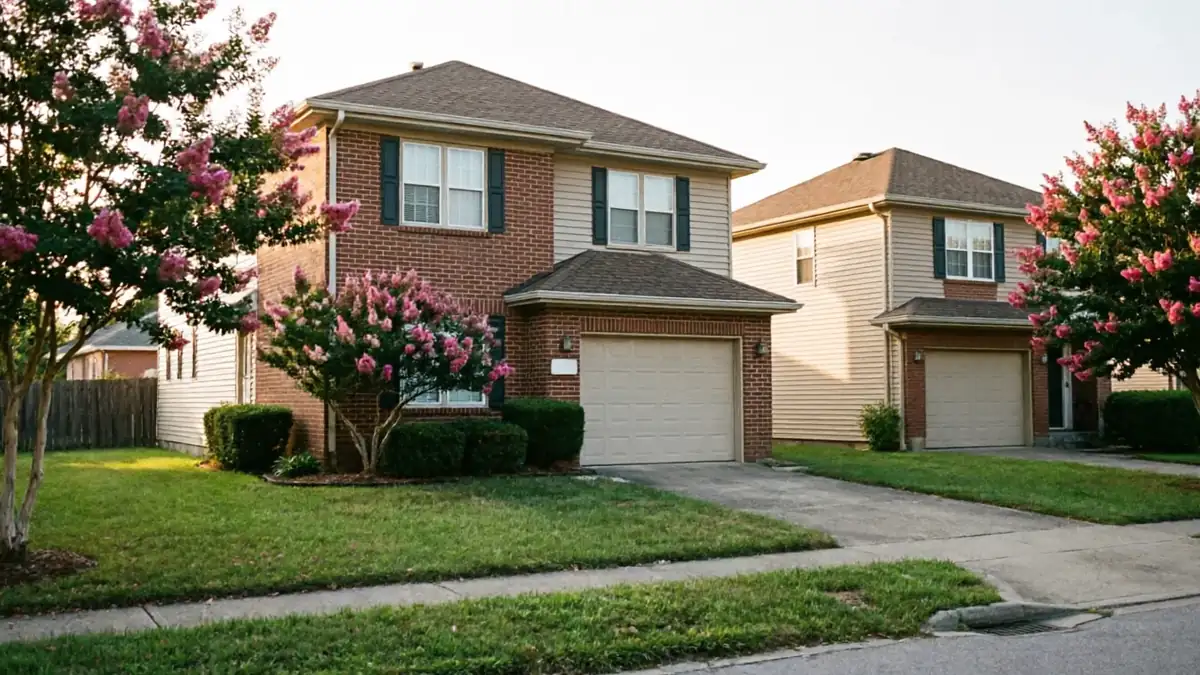
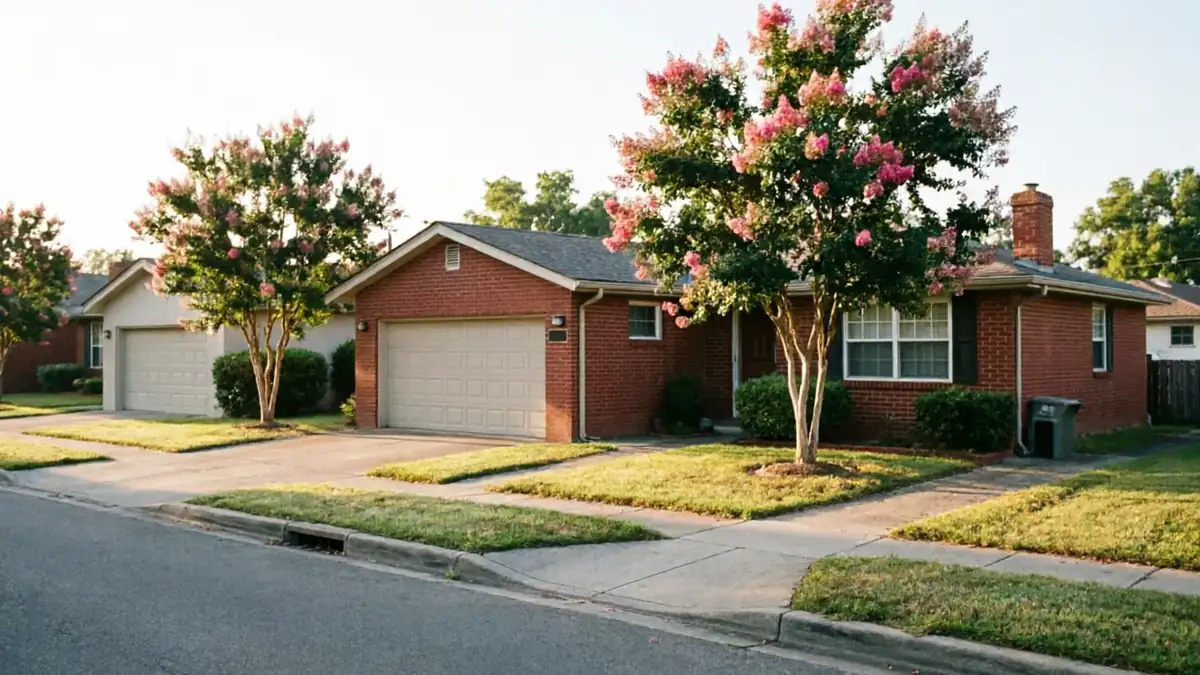
Older vs Newer Streets
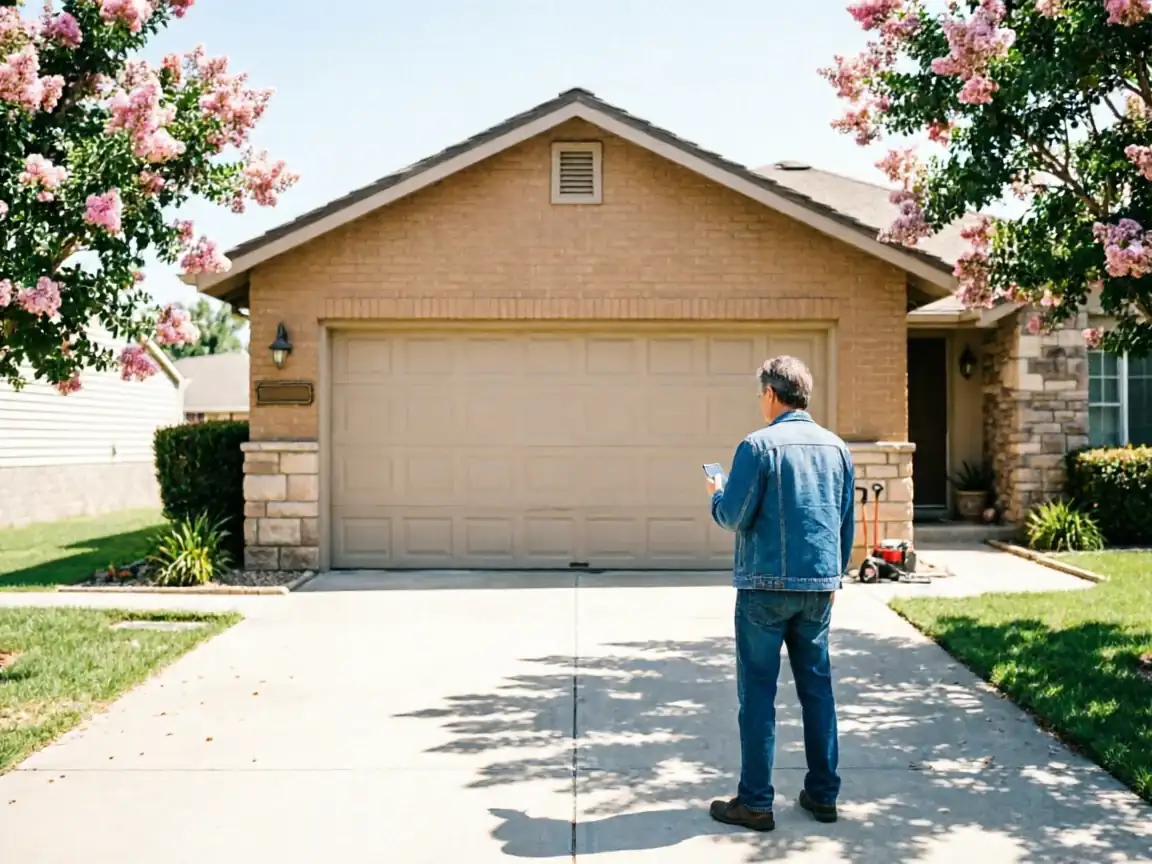
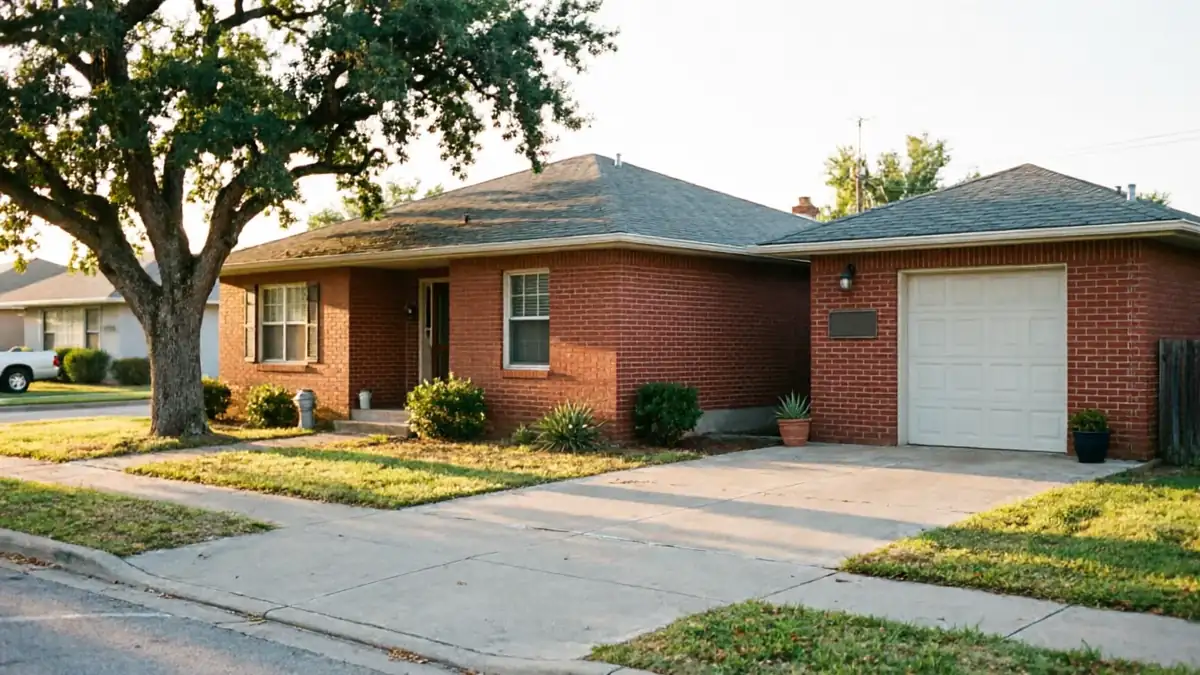
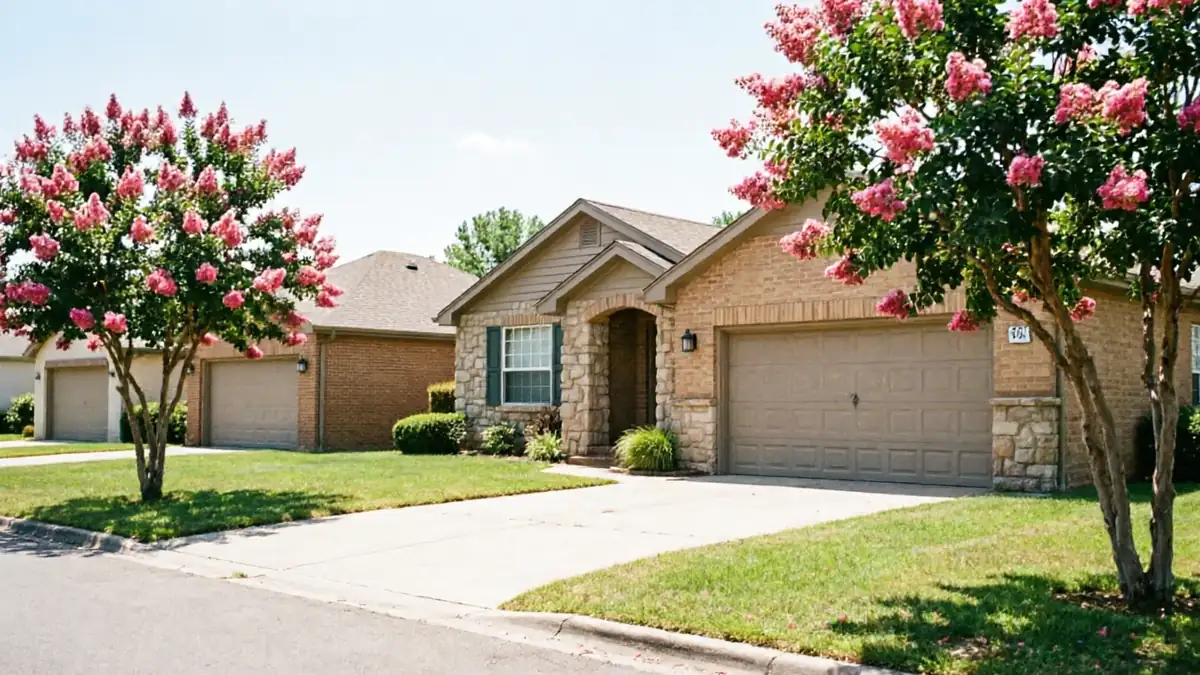
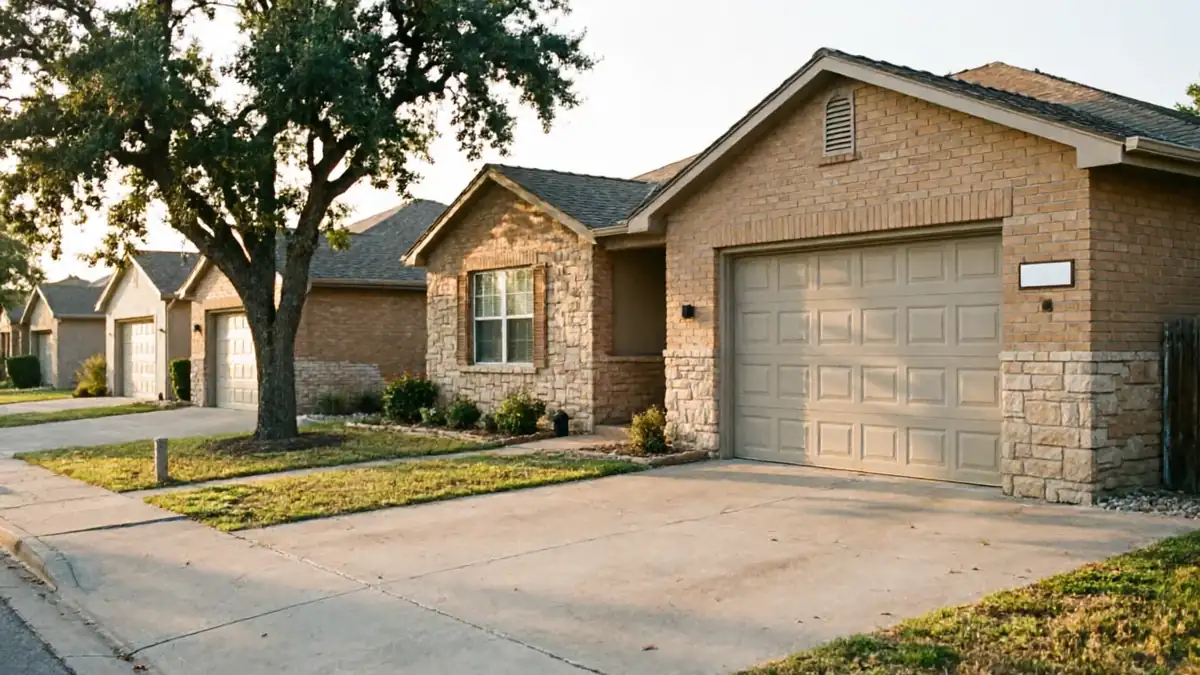
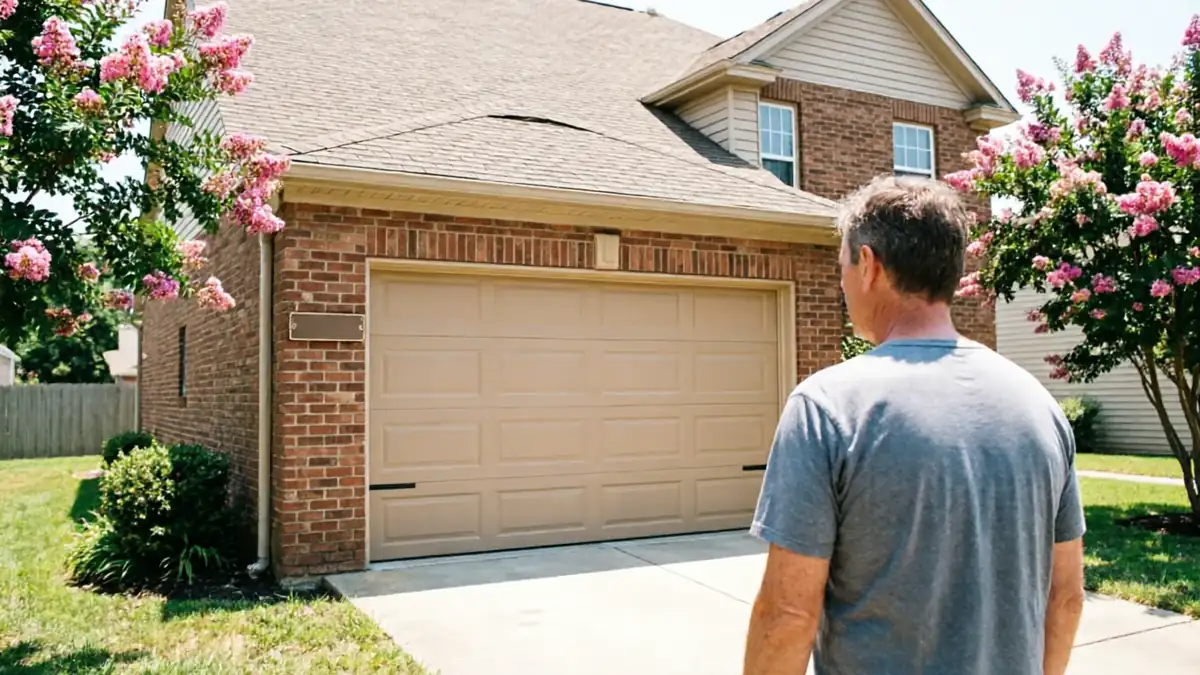
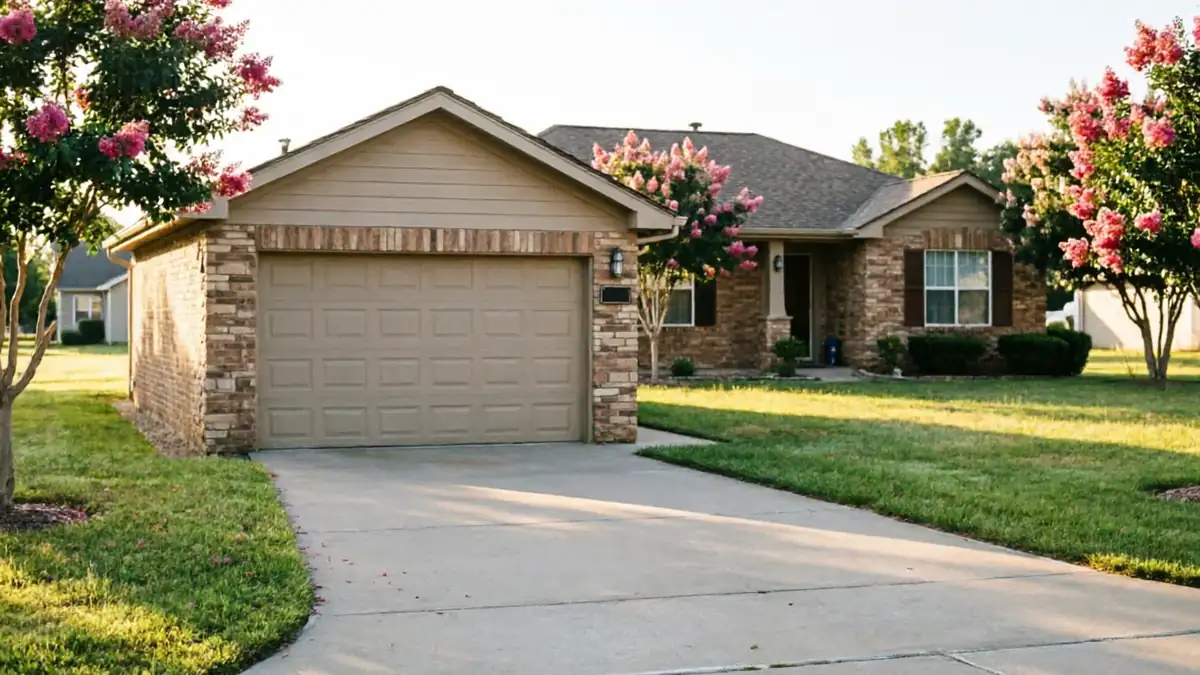
This isn't a mixed-era area the way parts of Laredo are, where you might have a 1975 house next to a 2005 one. Los Fresnos reads newer across the board, with a median build year around 2007. That matters because it means the housing stock here is closer to current code and hardware standards than the city's overall median of 1992. You won't find many of the original builder-grade doors that came standard on homes from the 70s and 80s still hanging on original hardware - this stock is young enough that most doors are either factory setups still working as designed or a first replacement. The failures we see tend to be mechanical wear-and-tear and heat-related rather than the structural sag and rust-through you get on a door that's outlived its install by thirty years.
What the Housing Means for Your Door
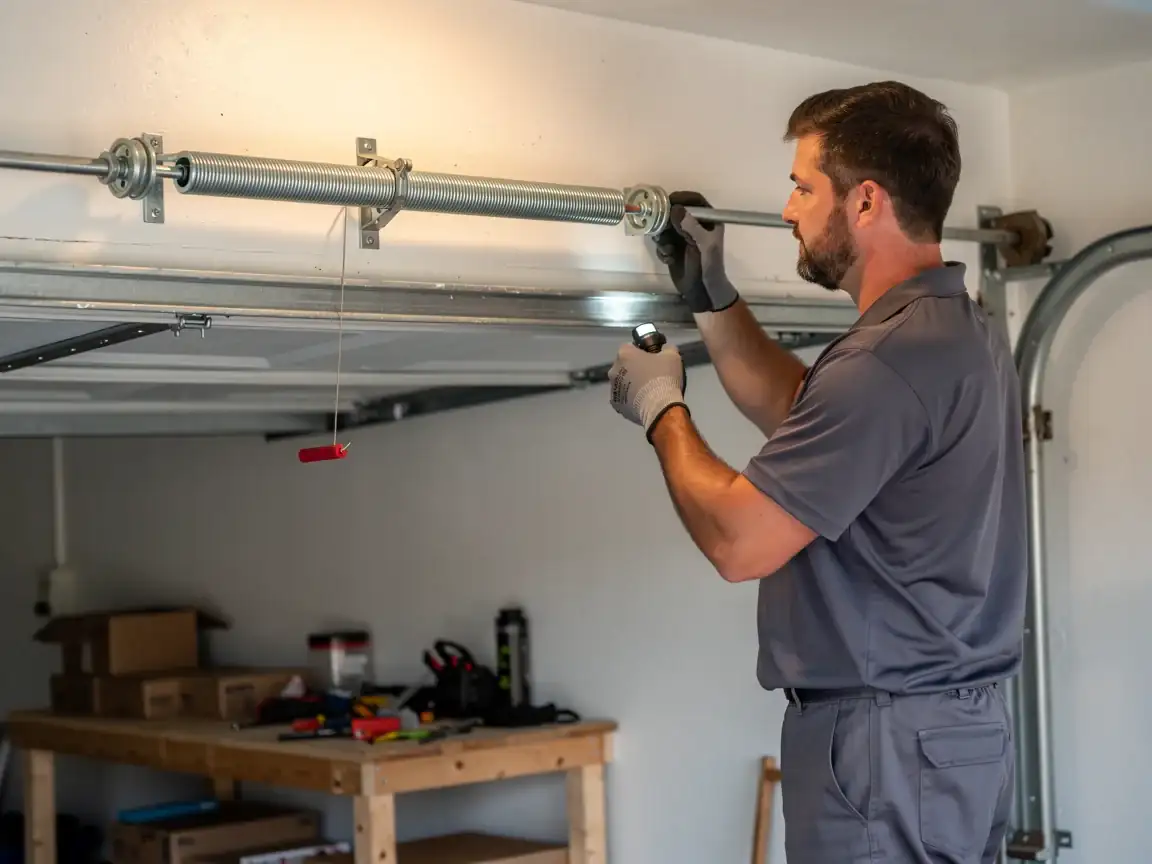
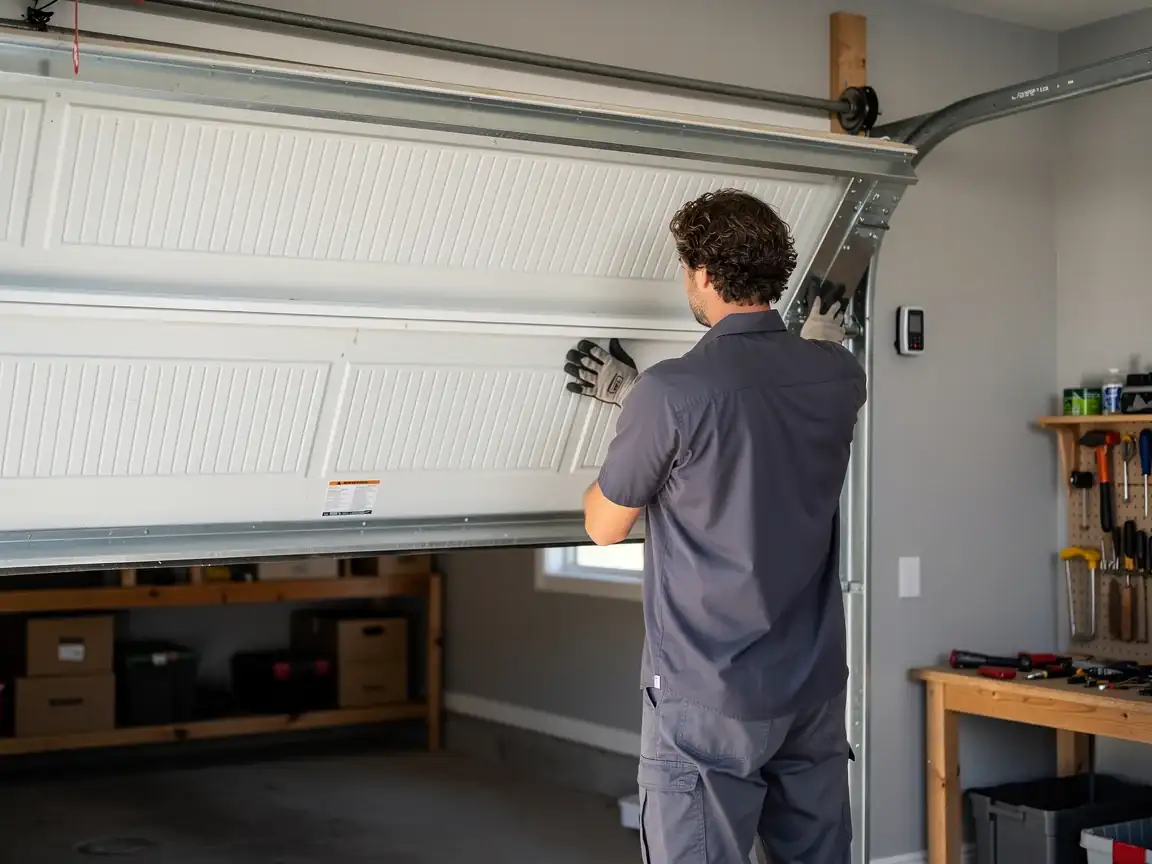
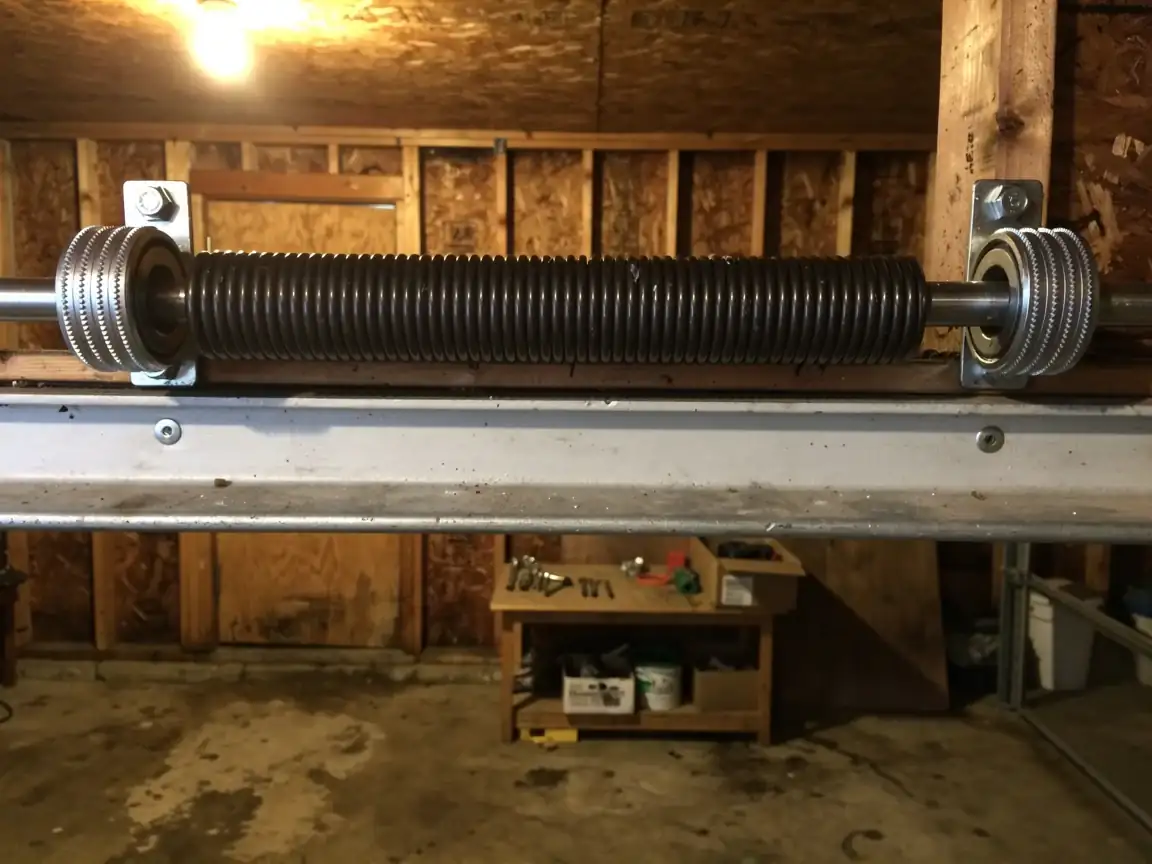
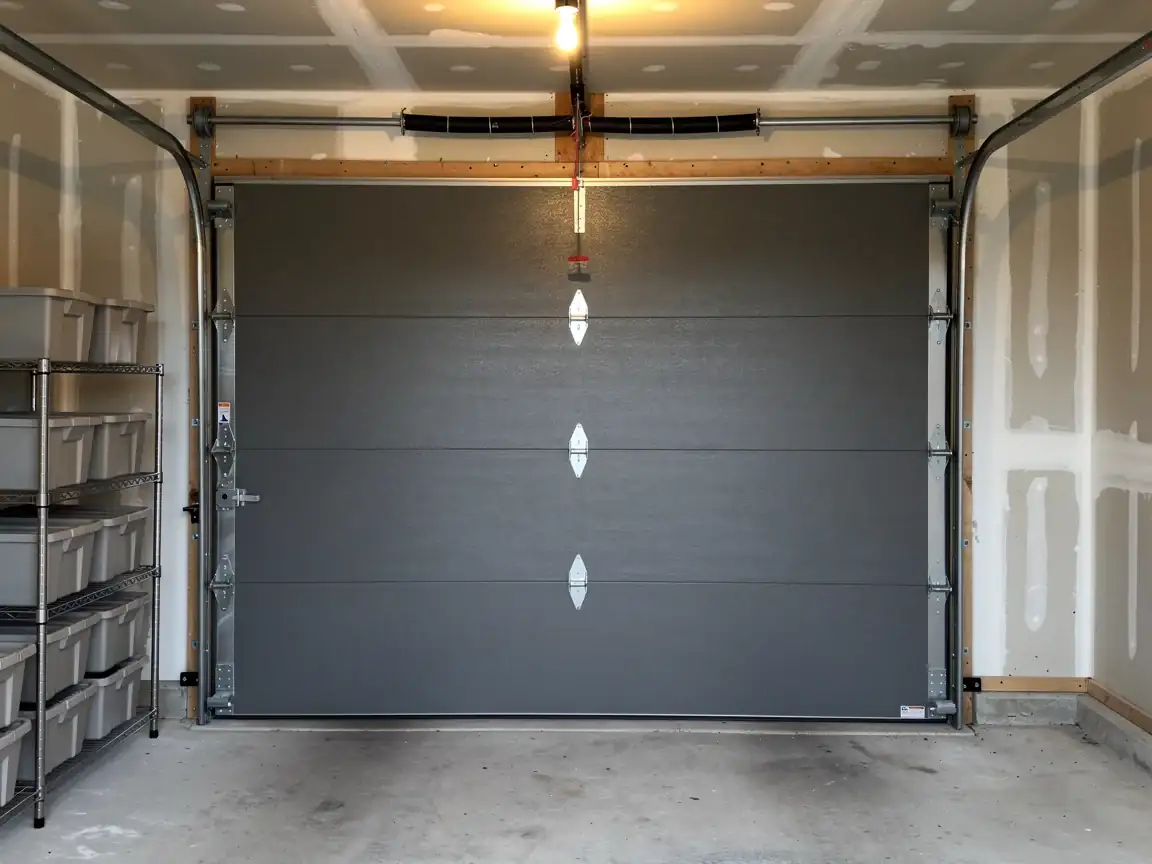
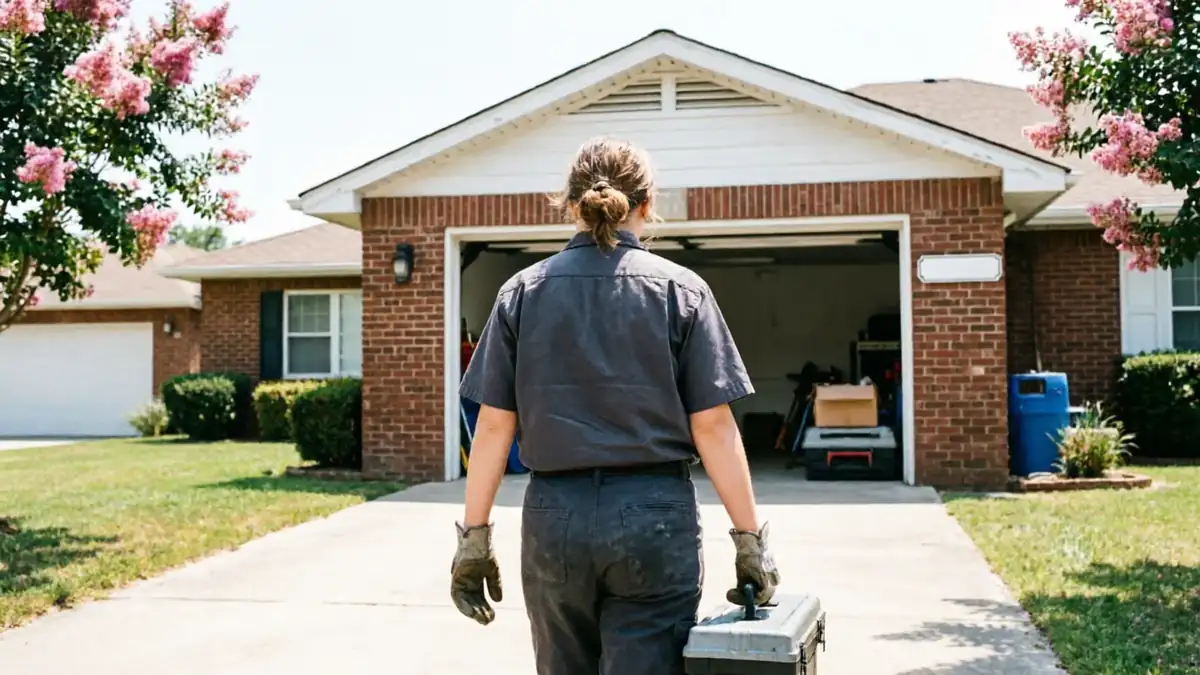
A 2007-median build year means steel sectional doors with factory-installed torsion springs sized to the door's actual weight, not a retrofit spring somebody guessed at. It also means openers from the mid-2000s onward - more of them with circuit boards and safety sensors than the older chain-drive units with no reverse logic. In our severe-heat climate, the parts that give out first on a door this age aren't the panels, they're the things exposed to sun and heat cycling day after day: weatherstripping, nylon rollers, and the plastic housings on photo-eye sensors. We check those first on a Los Fresnos call before we assume it's a spring. One honest limit: if a 15-to-20-year-old opener board has failed and the manufacturer's stopped making that exact model, we may be looking at a full opener swap rather than a board repair - parts for a discontinued circuit board aren't something we can always source.