Stocked Parts
Most of what fails on a Laredo garage door roller job is one of two things
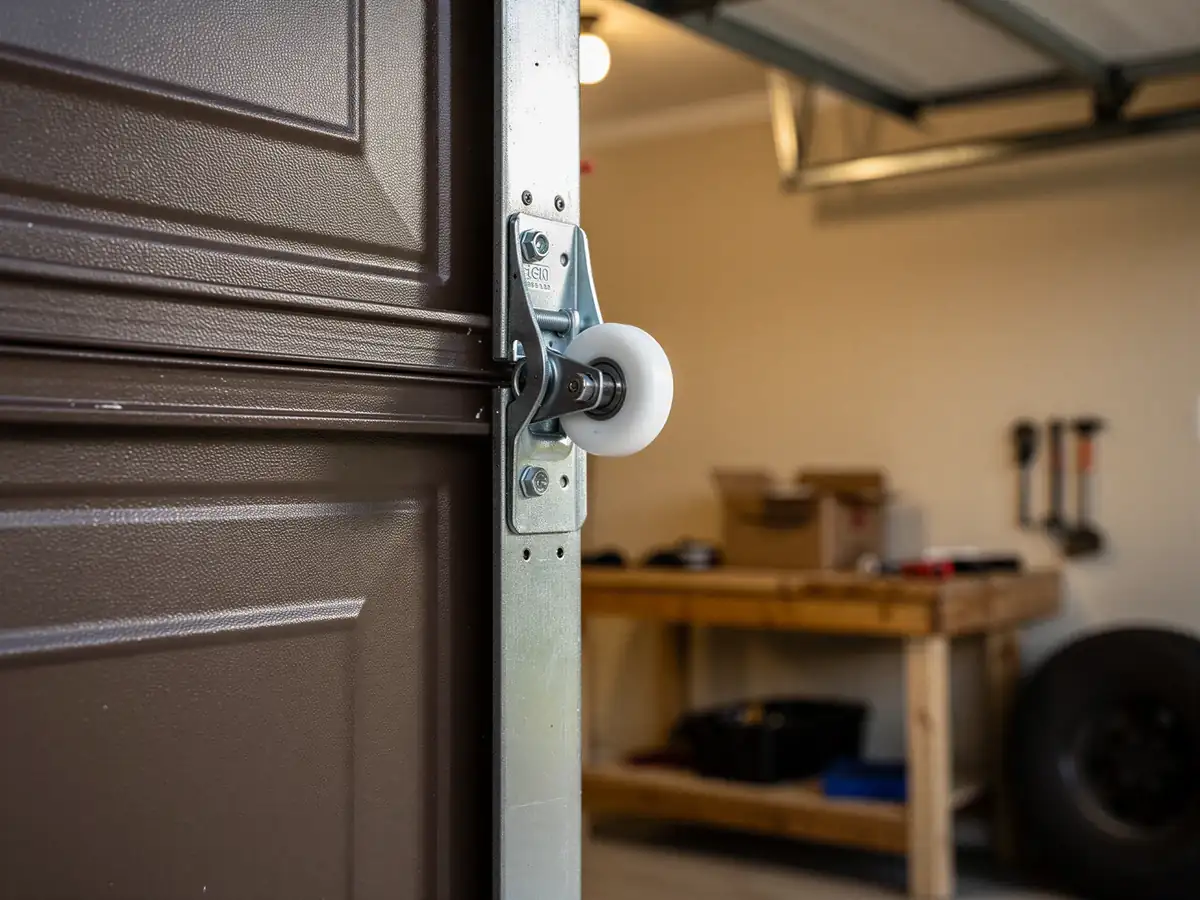
The original steel rollers that shipped with the door, or the nylon rollers somebody swapped in later and never greased again. We carry both on the truck in the sizes that fit doors built from the mid-1970s through the mid-2000s, since that's the bulk of the housing stock we work on - 7-ball and 10-ball bearing stems, standard and long-stem for doors with thicker jambs, and the sealed nylon rollers that run quieter in a hot garage than bare steel ever will.
What we don't always have on the truck is a specialty roller for an odd aftermarket door or a European-stem system somebody installed years back
Those get special-ordered and the job takes a day or two longer. We'll tell you up front if that's what you're looking at instead of pretending we can swap it same visit.
For a standard double or single door with factory hardware
We replace a full set of ten rollers faster than most owners expect, because we're not guessing at the part - we know what's likely on the door before we open the panel.
How We Fix It
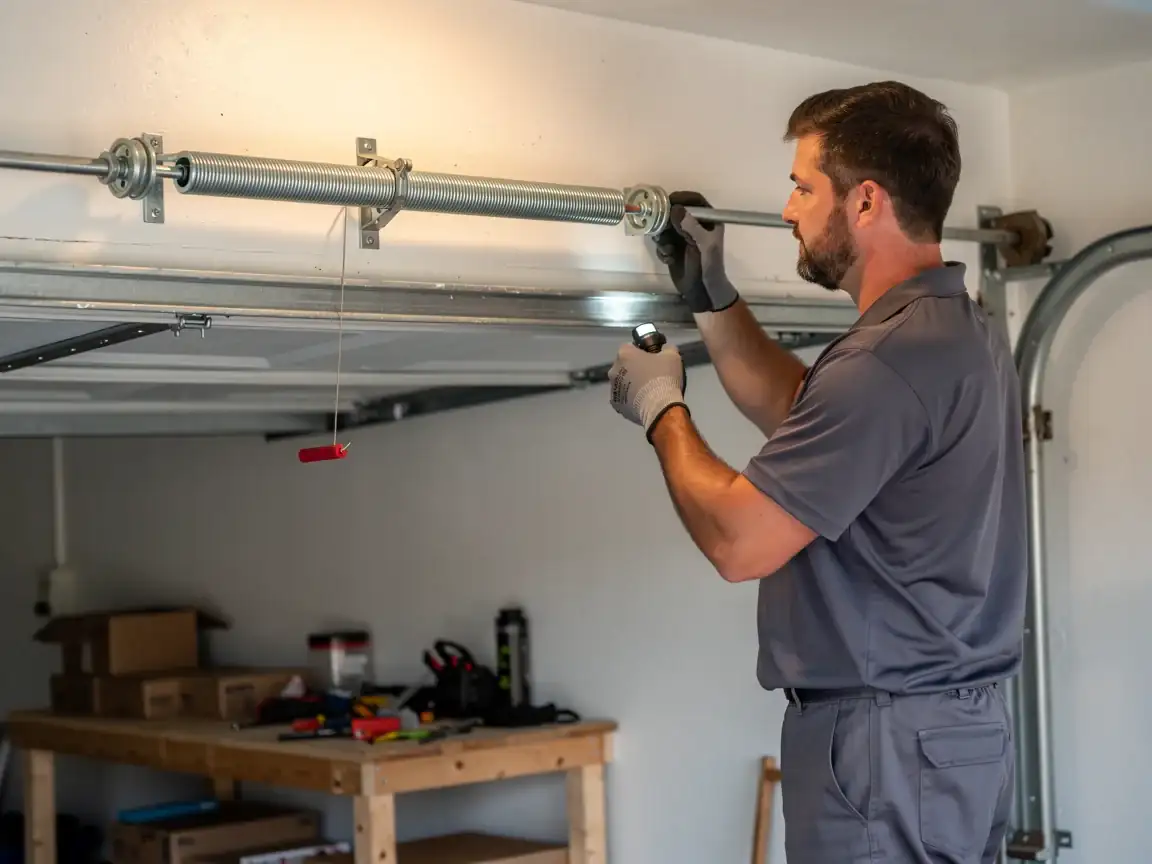
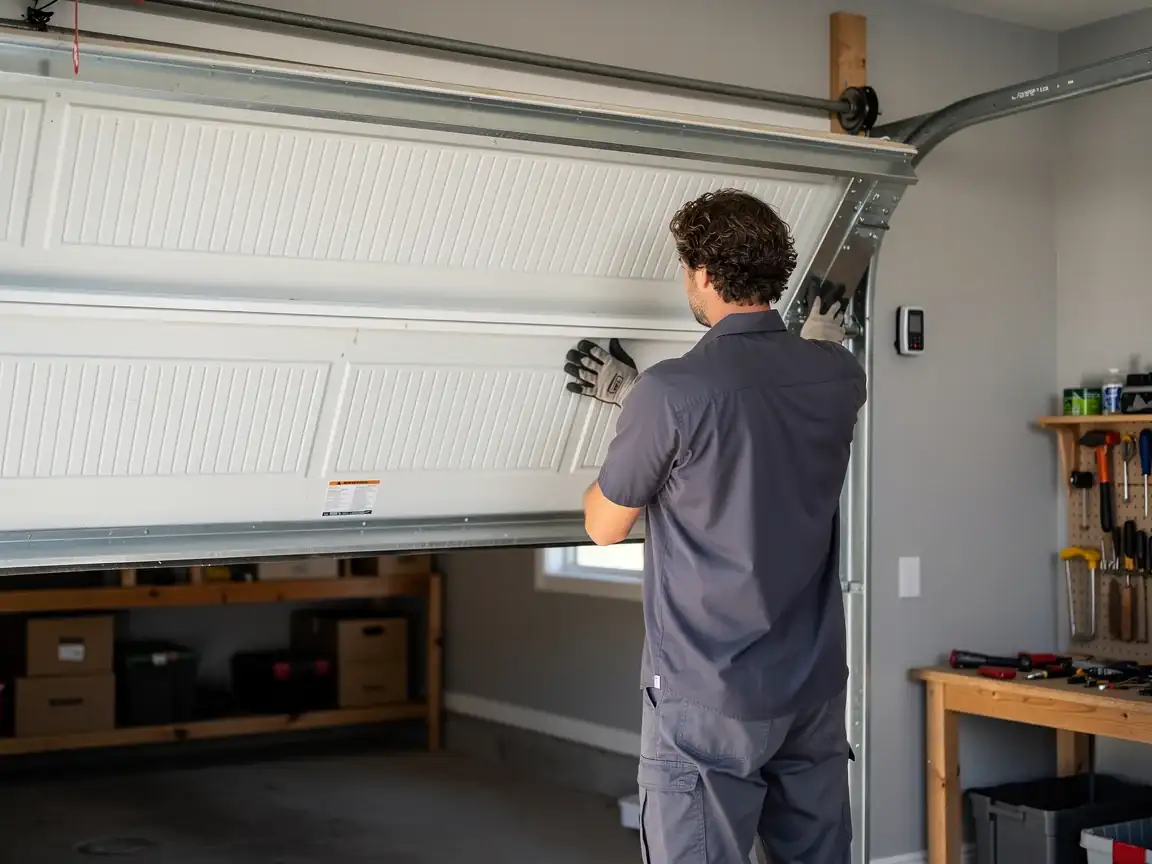
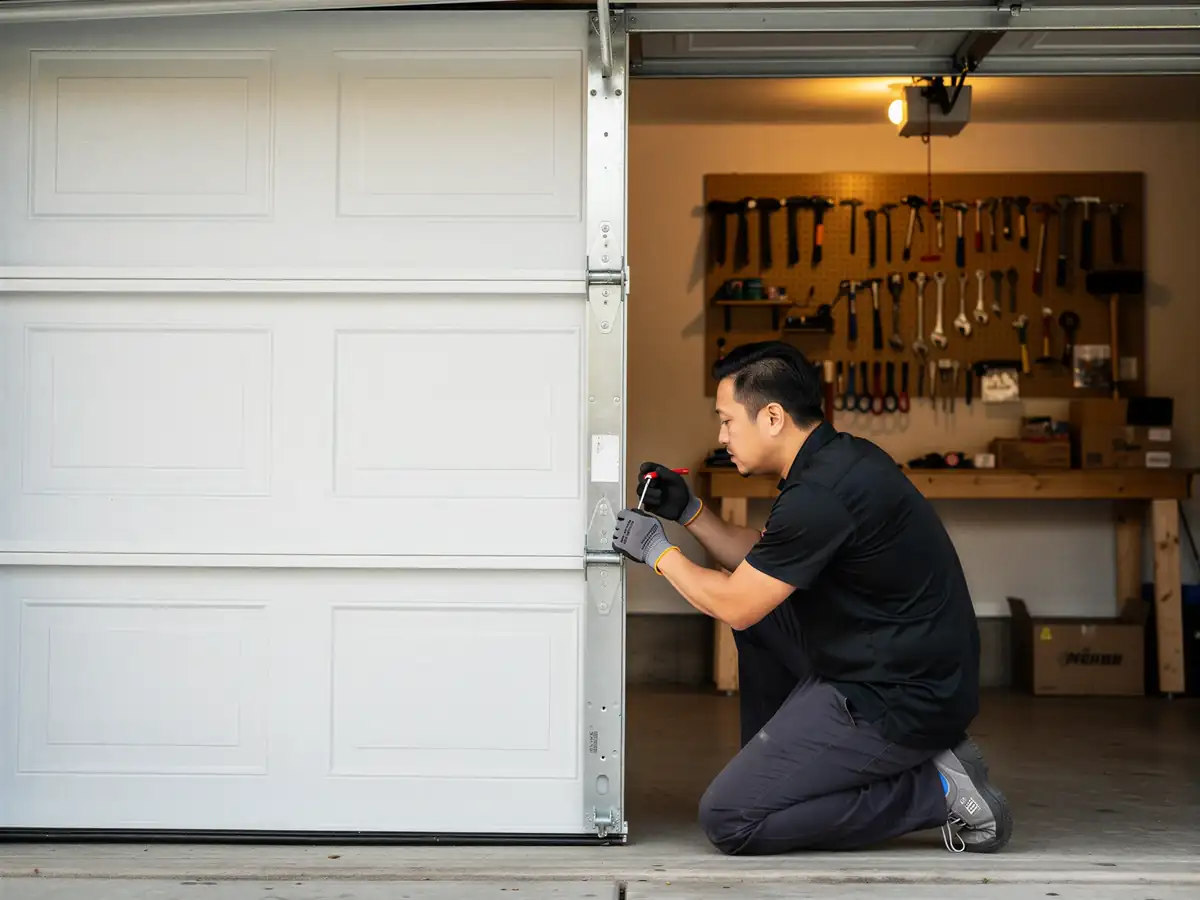
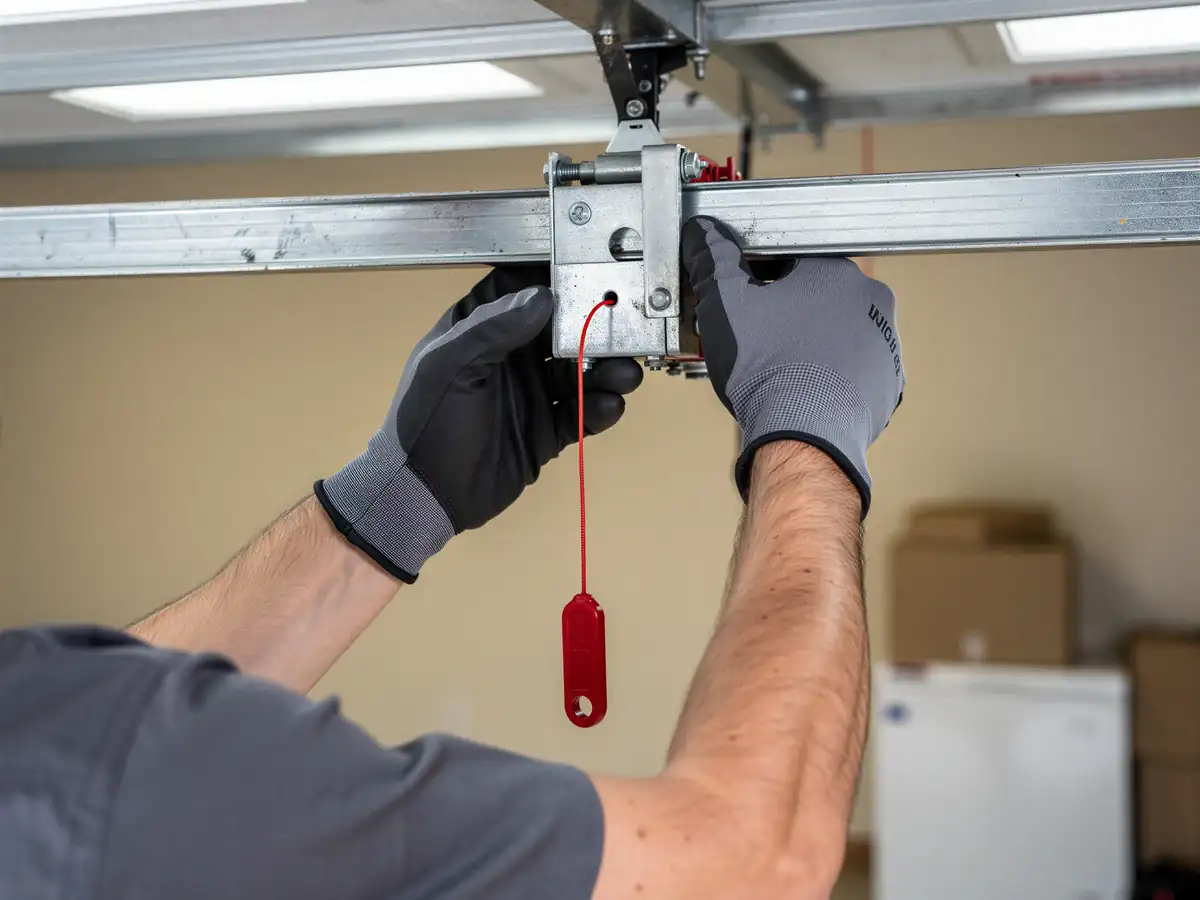
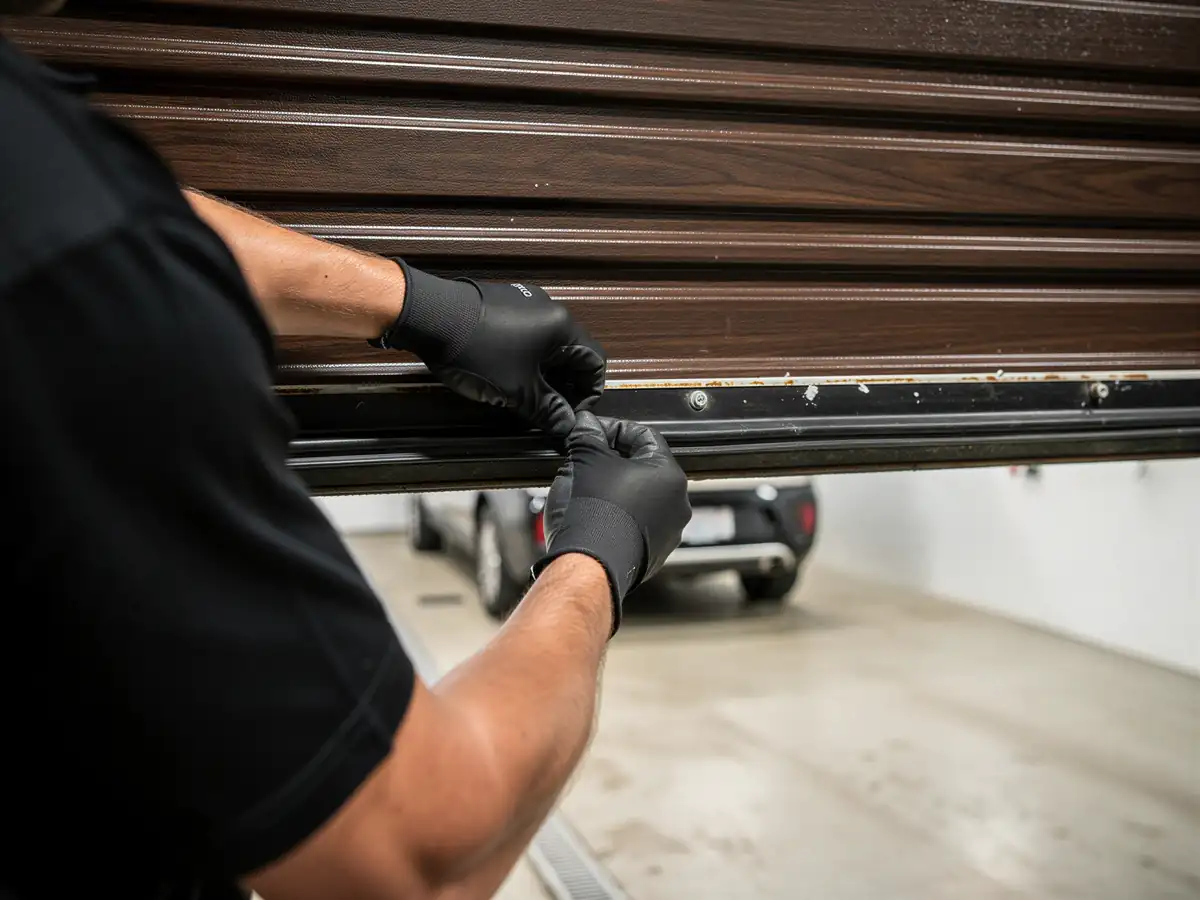
We start by running the door manually with the opener disconnected, watching where it binds, hesitates, or drops. A bad roller usually shows a specific spot in the track where the door catches, not a smooth, even drag the whole way up. Once we find which rollers are shot, we release the track bracket enough to slide the roller stem free without pulling the whole track off the wall.
We replace rollers in sets, not one at a time, because if one has worn down to bare bearing, the others on that side of the door are close behind from the same heat cycling and the same years of use. After the new rollers are seated we check the track alignment itself - heat and years of expansion can leave a bracket a few degrees off, and a new roller in a bent track just wears out again in months.
We finish by running the door through a full cycle under power, listening for the grinding or clicking that brought the roller job to us in the first place. If the opener's force settings were compensating for the bad rollers, we reset those too, since leaving them high just strains the new hardware.
How It Shows Up
The first sign is usually noise: a grinding or clicking sound right as the door passes a certain point in the track, worse than the normal hum. Owners often describe it as the door sounding like it's "chewing" on something. That's a roller bearing that's worn past its lubricant and is now metal grinding on metal or plastic.
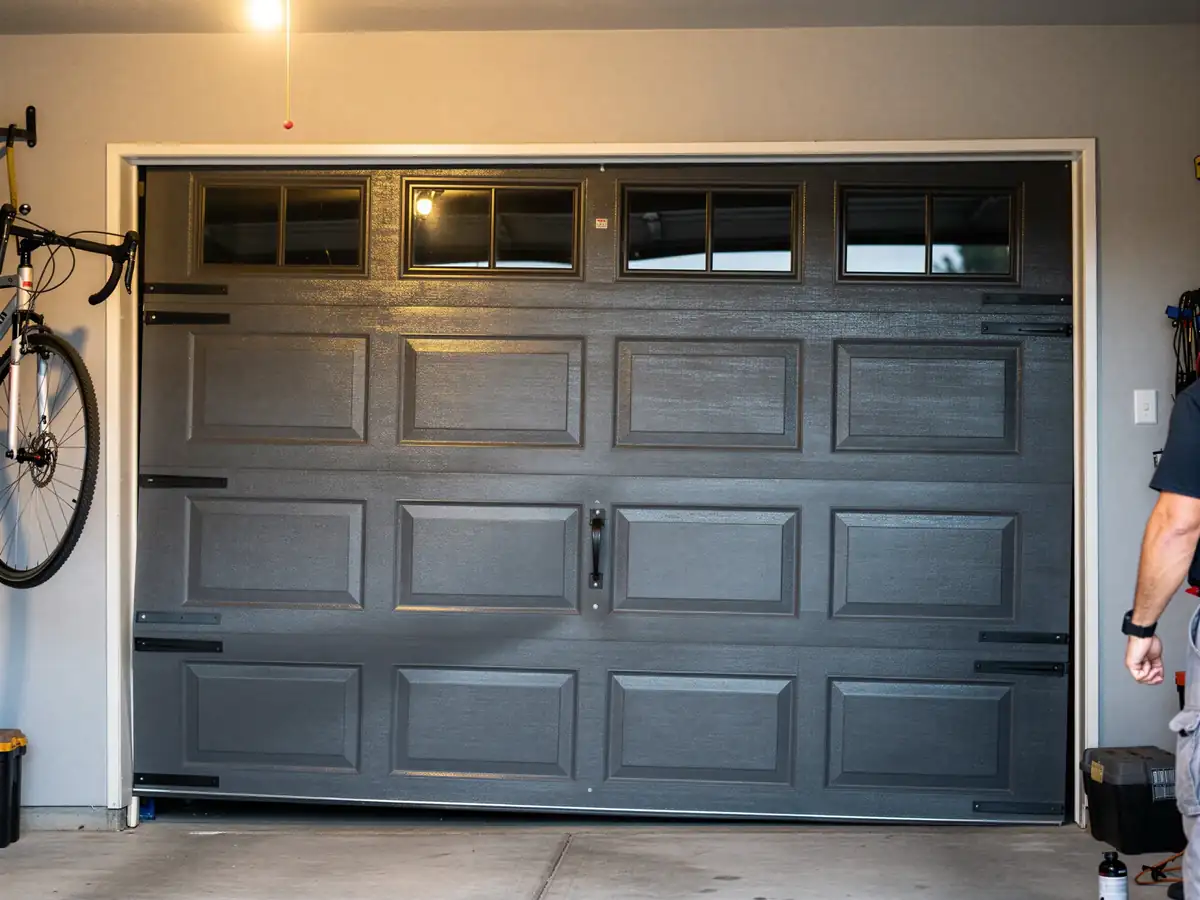
The second sign is a jerky, uneven lift - the door hesitates, then lurches forward, especially on the last foot before it's fully open. That's a roller that's gone flat or cracked and is no longer rolling smoothly inside the track.
A third, less obvious sign: the door looks fine running but the opener strains harder than it used to, drawing more current and sometimes tripping its own force limit. Worn rollers add drag the opener has to fight, and a lot of owners replace an opener motor before anyone checks the rollers that were actually the problem.
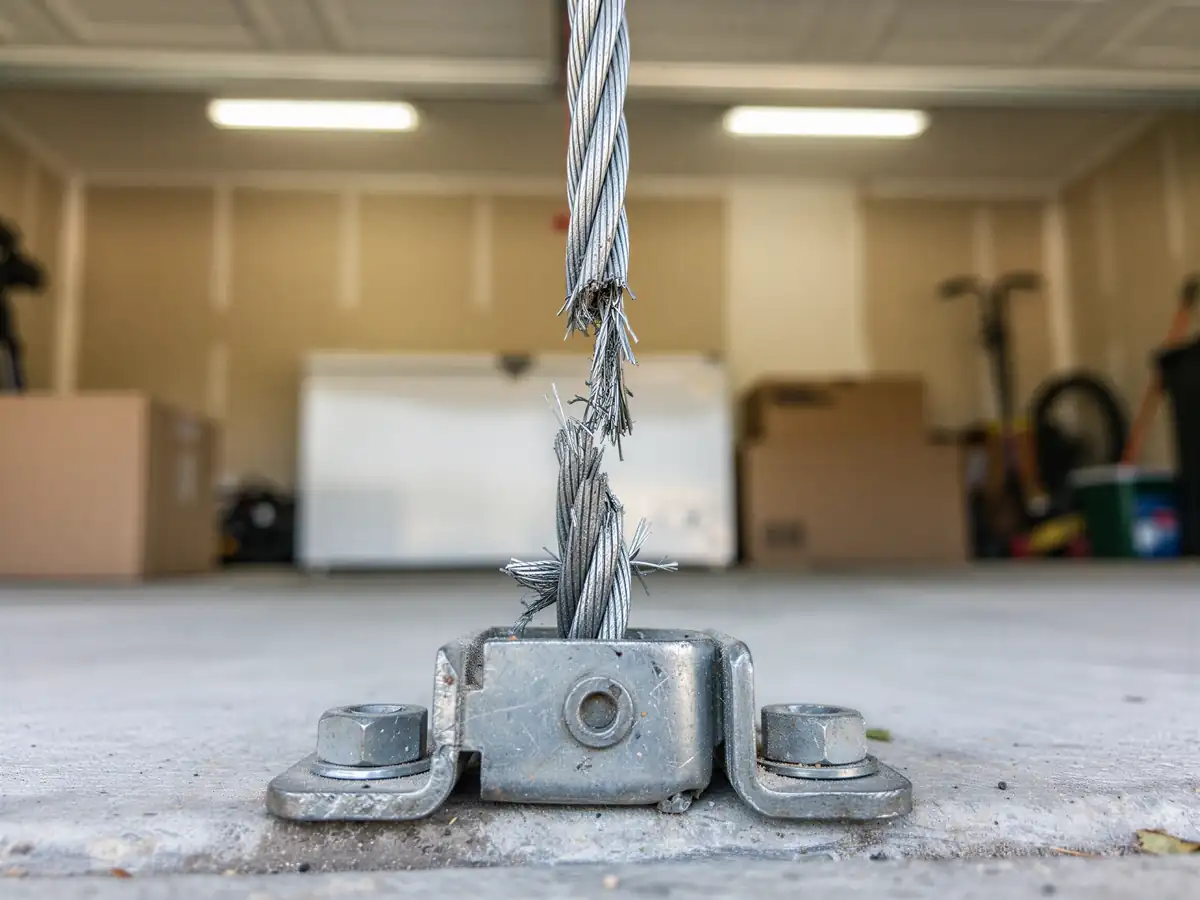
If you catch it at the noise stage, it's a roller job. If you wait until the track bends from a roller that seized completely, you're looking at track replacement too.
Why It Happens Here
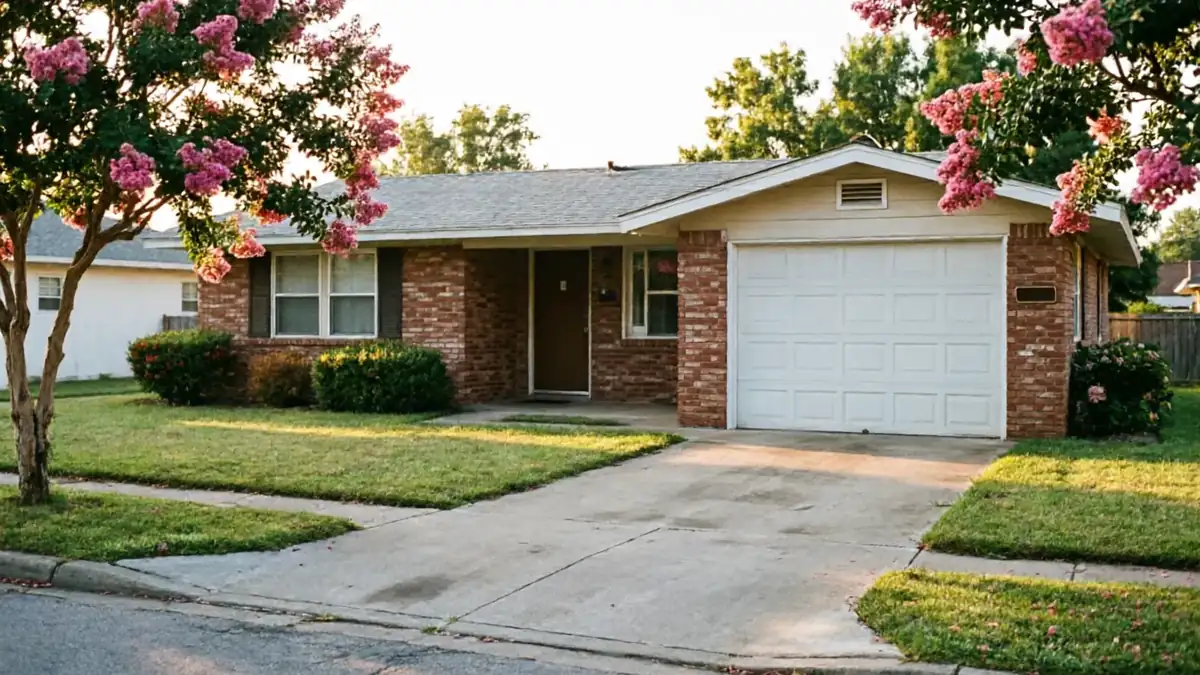
Most houses across our service area were built between 1975 and 2007
With the median home dating to 1992, and across the three named pockets of housing stock in this area, most of it went up in the 1980s and 90s. That means a lot of garage doors still running their original rollers, now three decades into a climate that doesn't let them rest.
Laredo sits in a severe heat band, and that matters more for rollers than people expect
Steel track expands during the day and contracts overnight, and over thousands of cycles that shifts bracket alignment just enough to put side-load on rollers that were never designed for it. Factory grease also breaks down faster at sustained high temperatures, so a roller that might run quiet for fifteen years somewhere milder dries out and starts grinding in ten.
Across the 3,082 households in this service area
Roughly half are owner-occupied houses, many carrying the same builder-grade rollers that came with the home. With a median household income of $40,000 here, we don't push a full door replacement when a roller set and a track alignment check will get another decade out of the door. Replacement makes sense when the track itself is bent or the door is past its structural life - not as a first move.
- 3,082 households
- $40,000 median household income