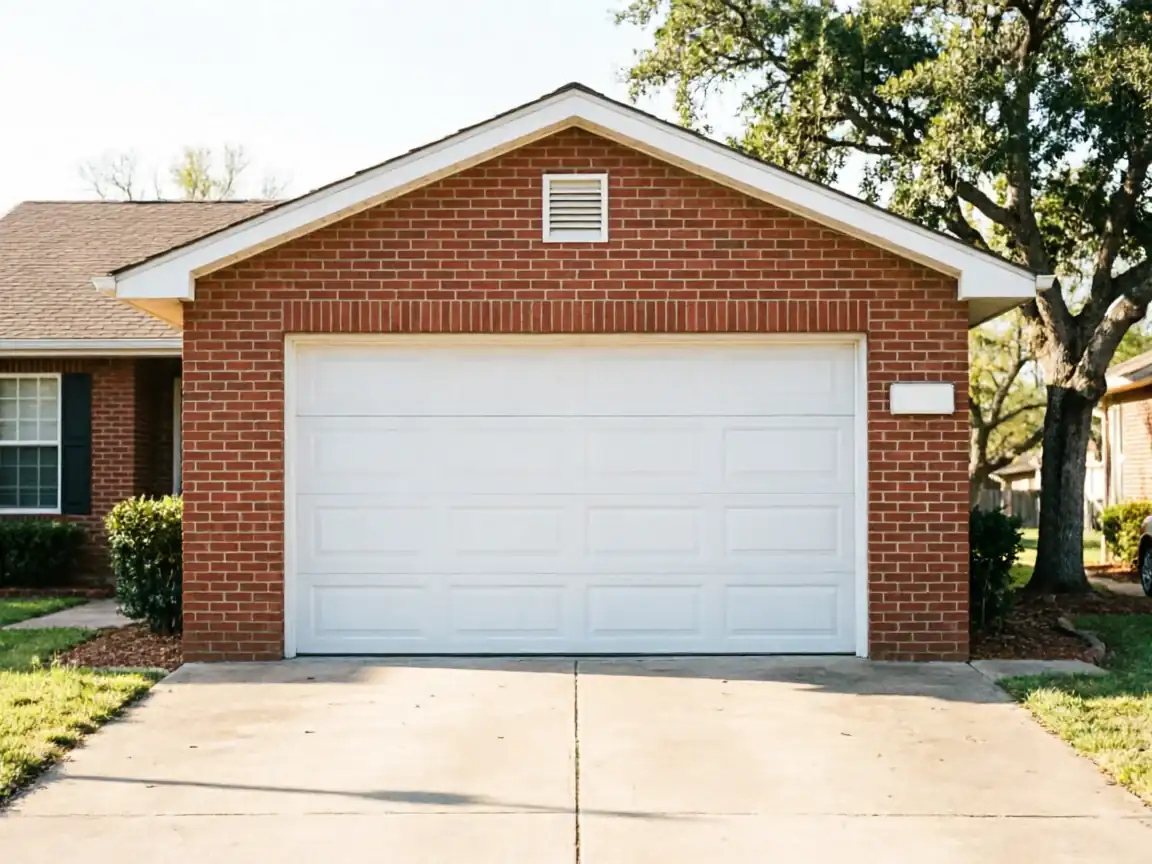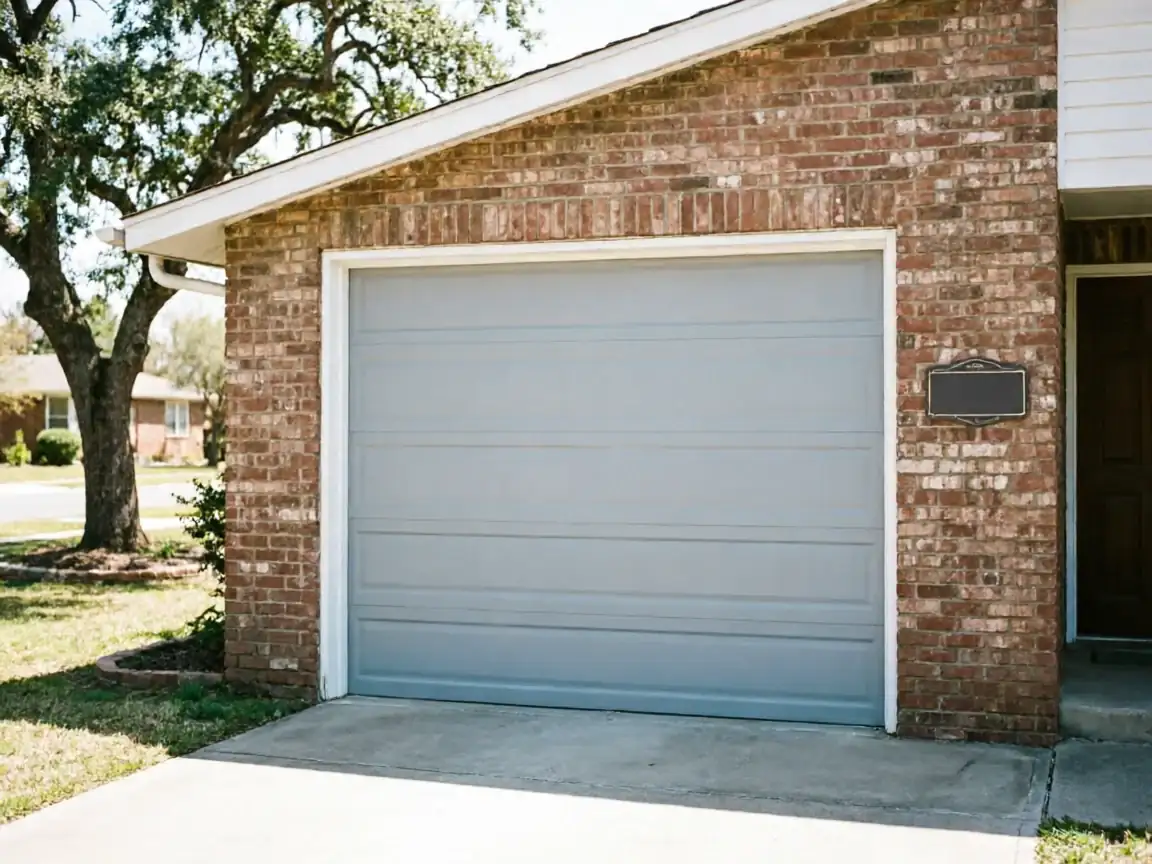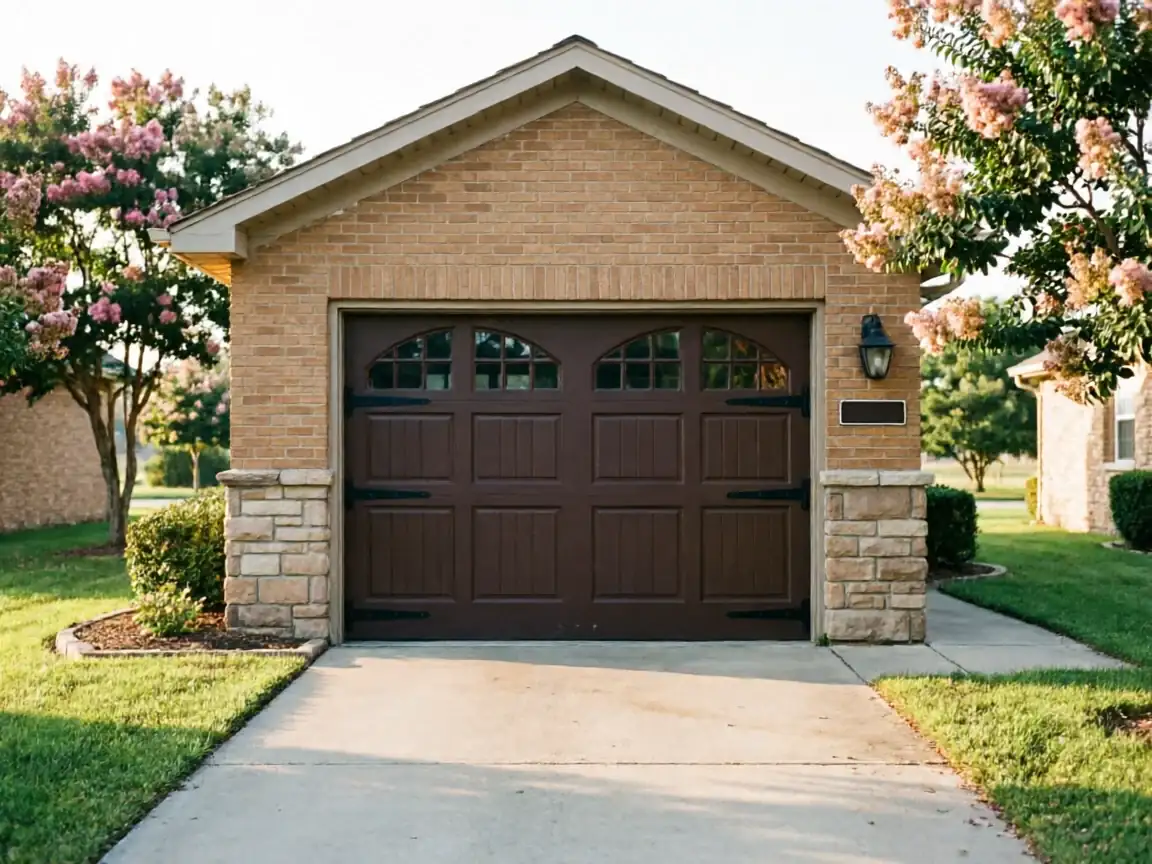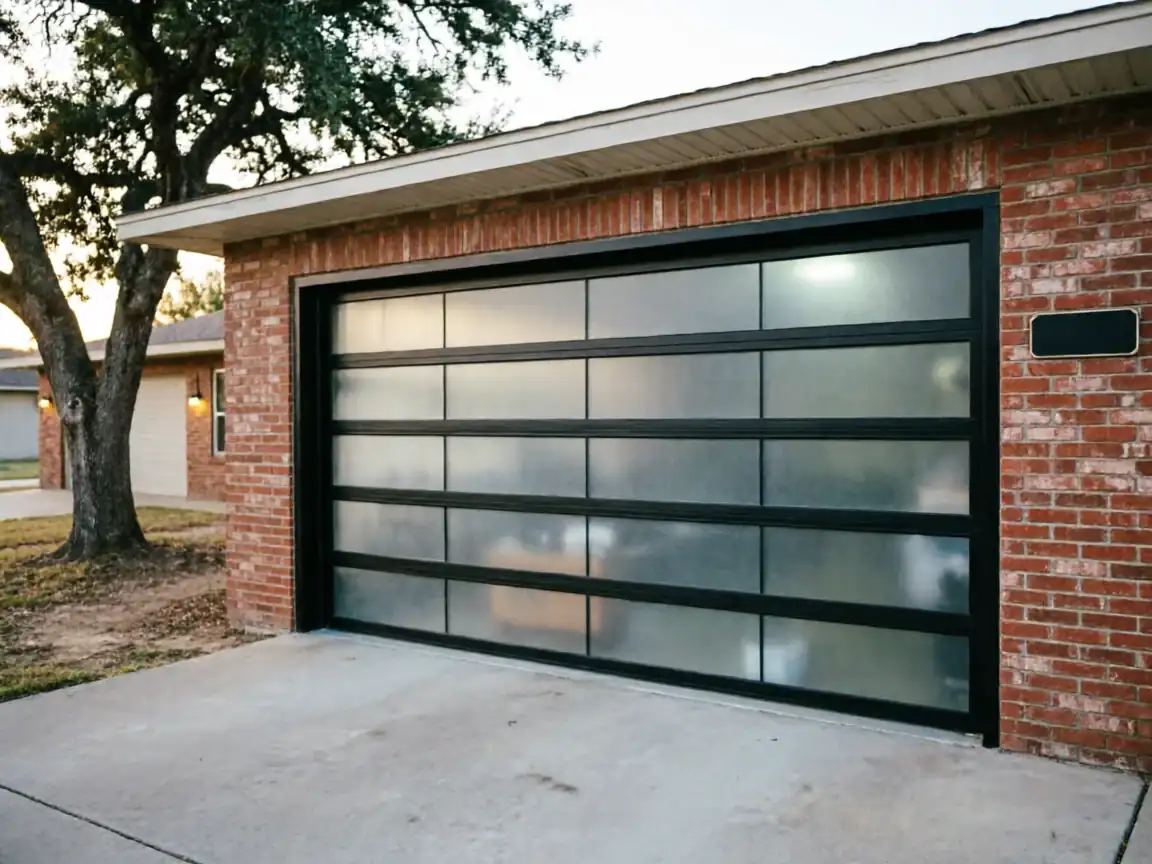
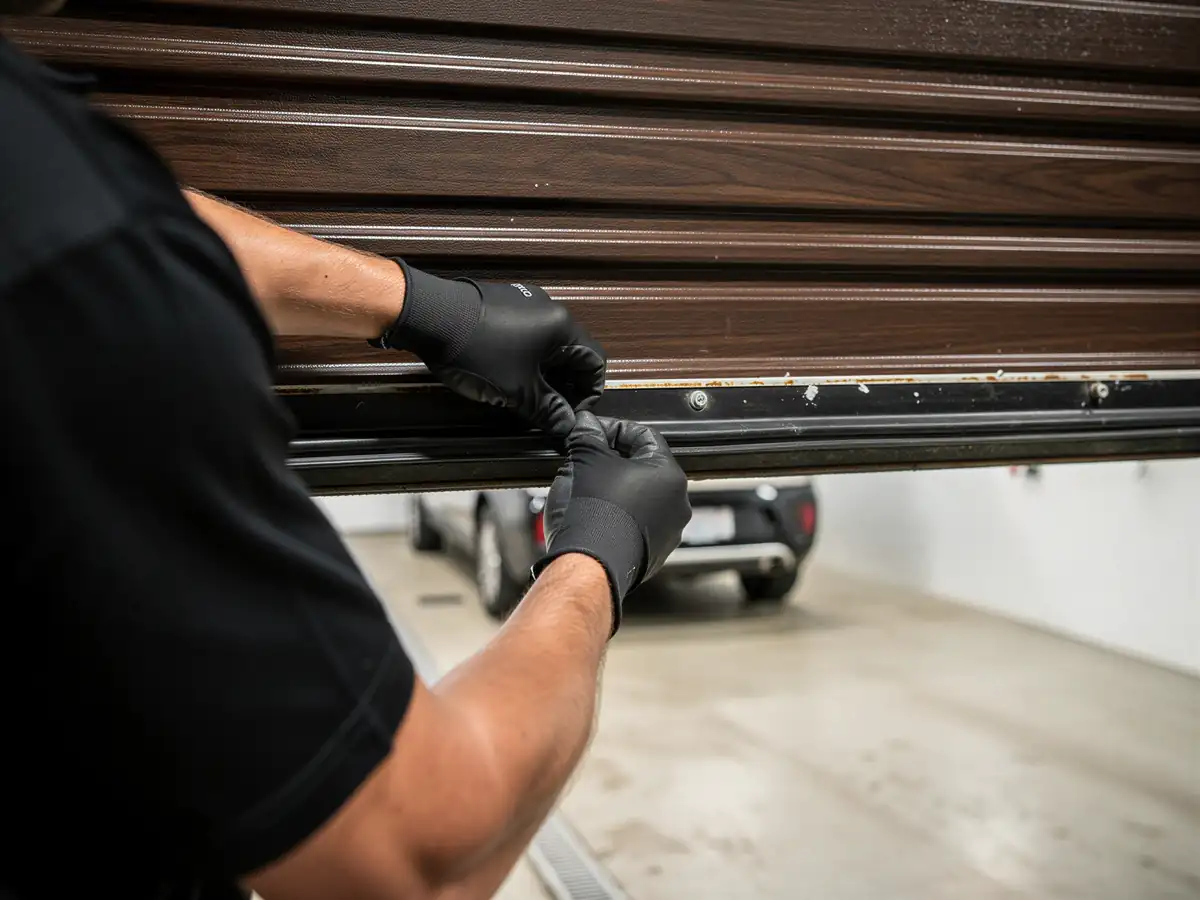
How We Fix It
We work from Laredo, 18 miles out
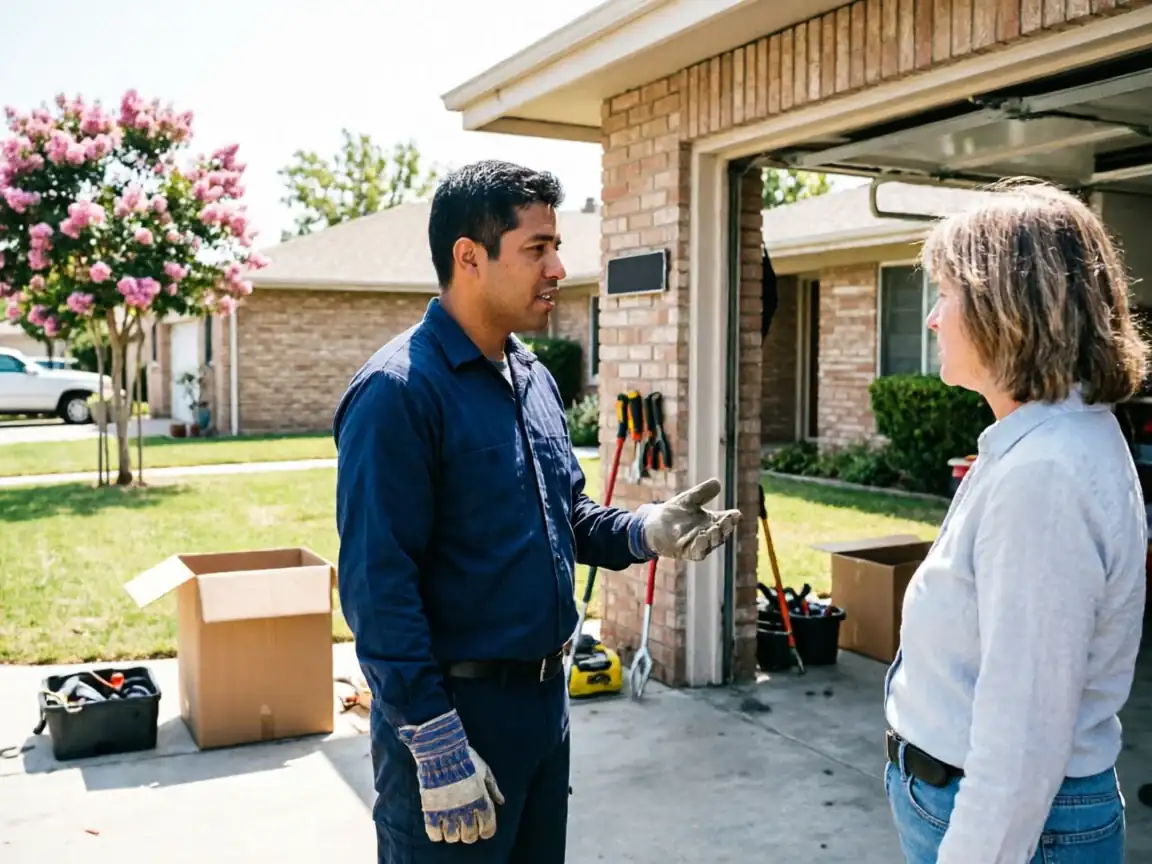
So a maintenance call to Los Fresnos is a planned visit, not a same-hour stop. That's fine for maintenance - it's not an emergency service, it's prevention, and it goes faster when the door's problems are caught before a spring lets go on a Saturday.
- 18 miles
On a door built around 2007, the maintenance checklist leans toward heat damage rather than age damage
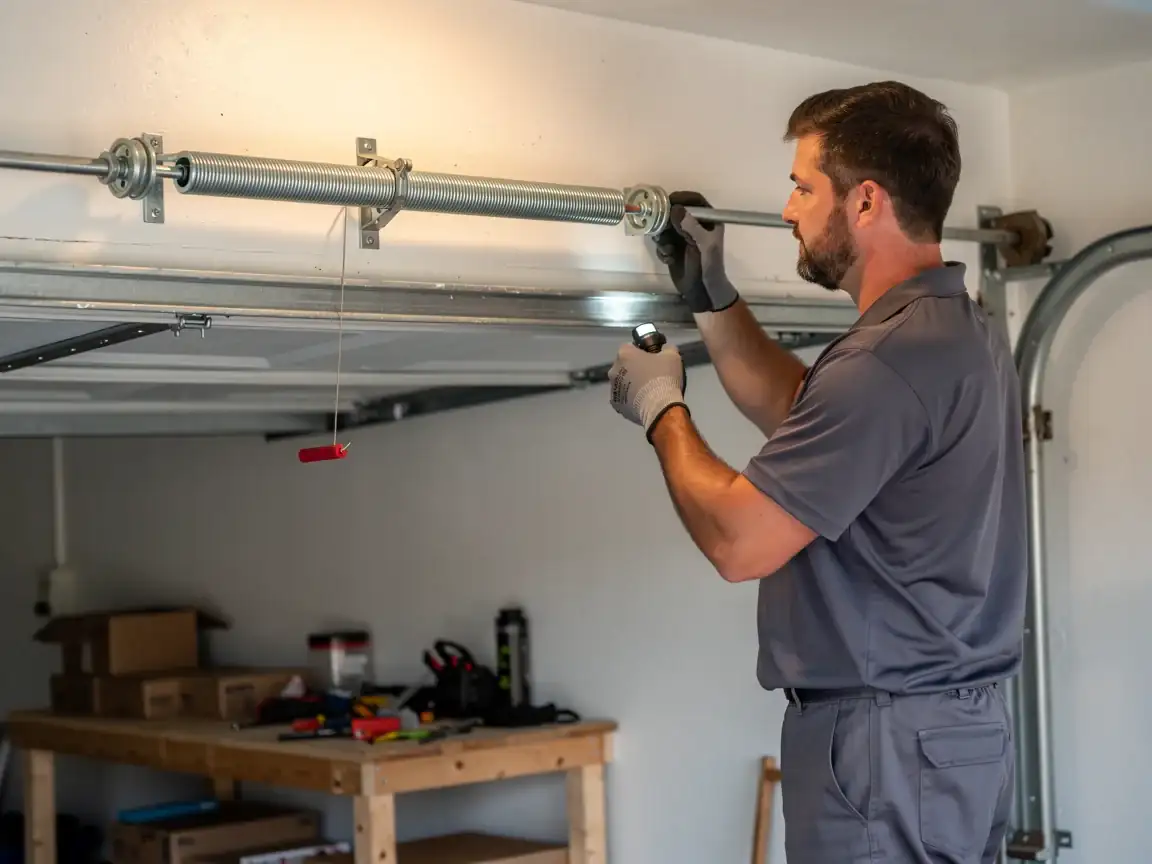
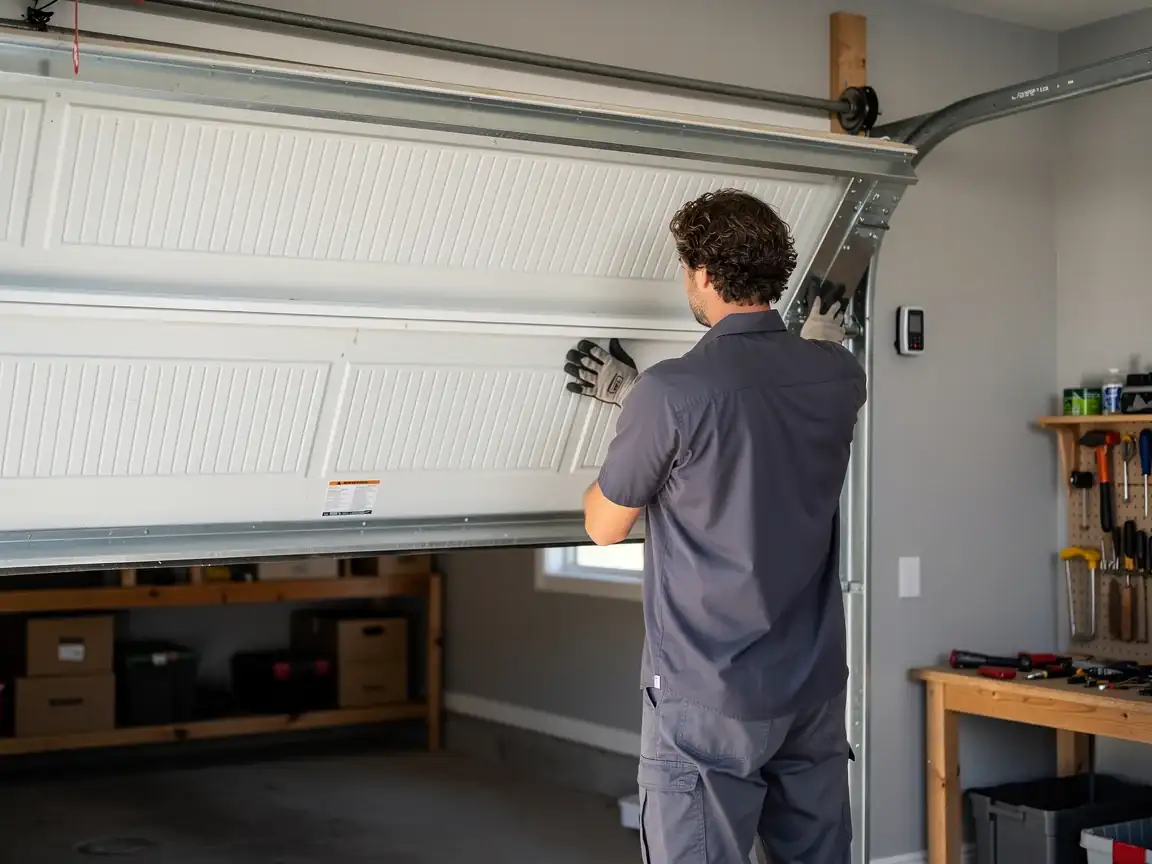
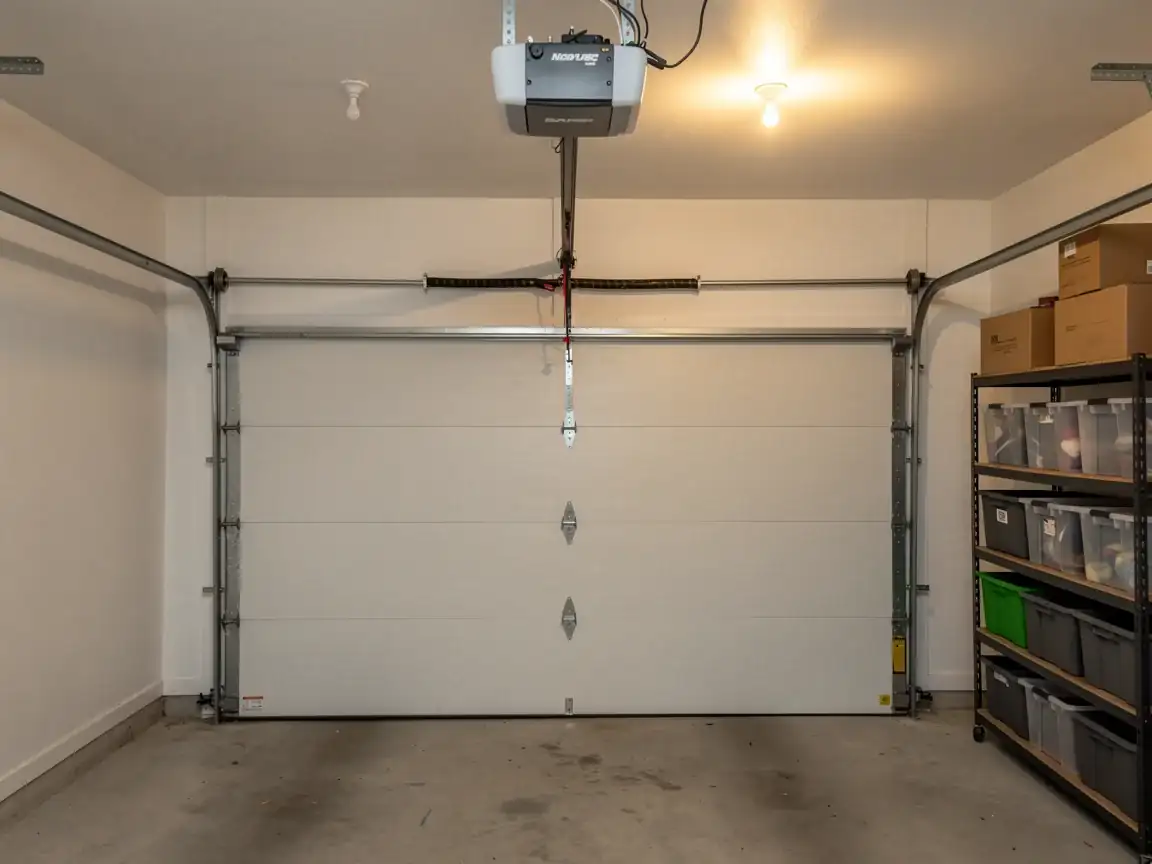
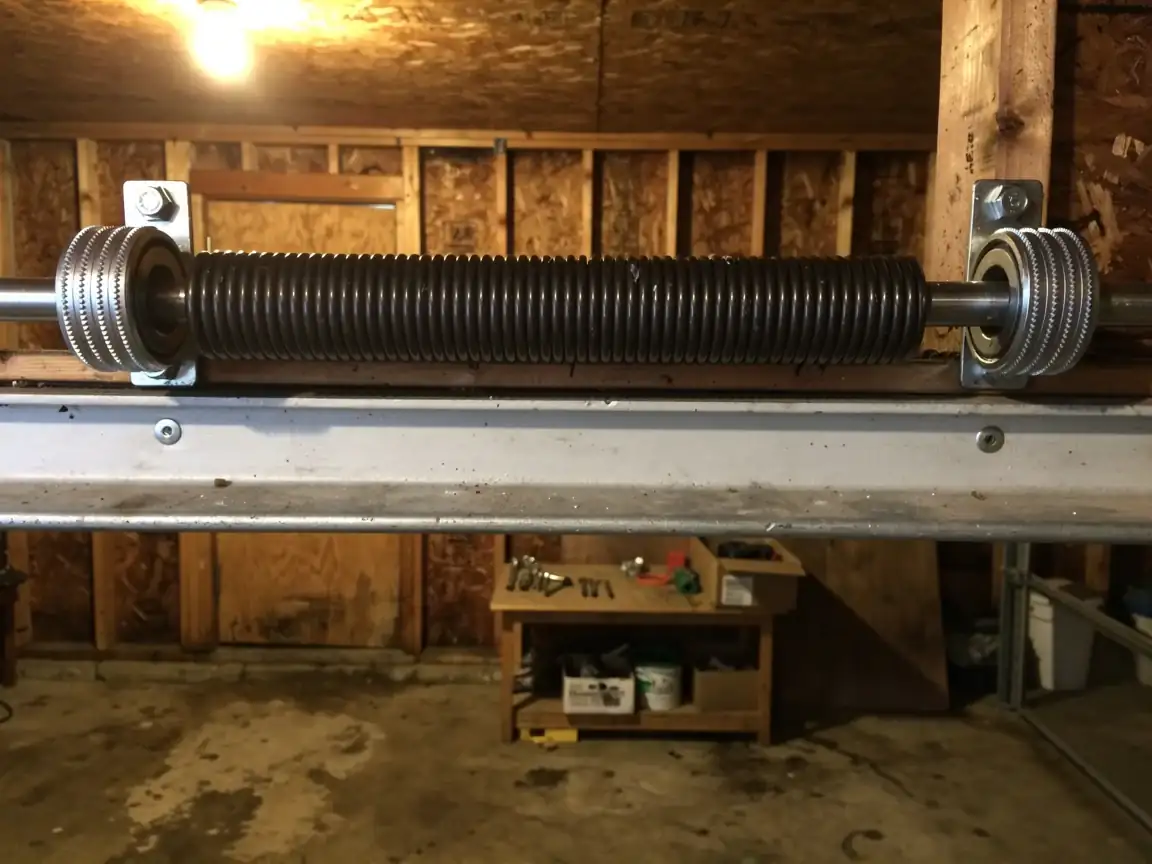
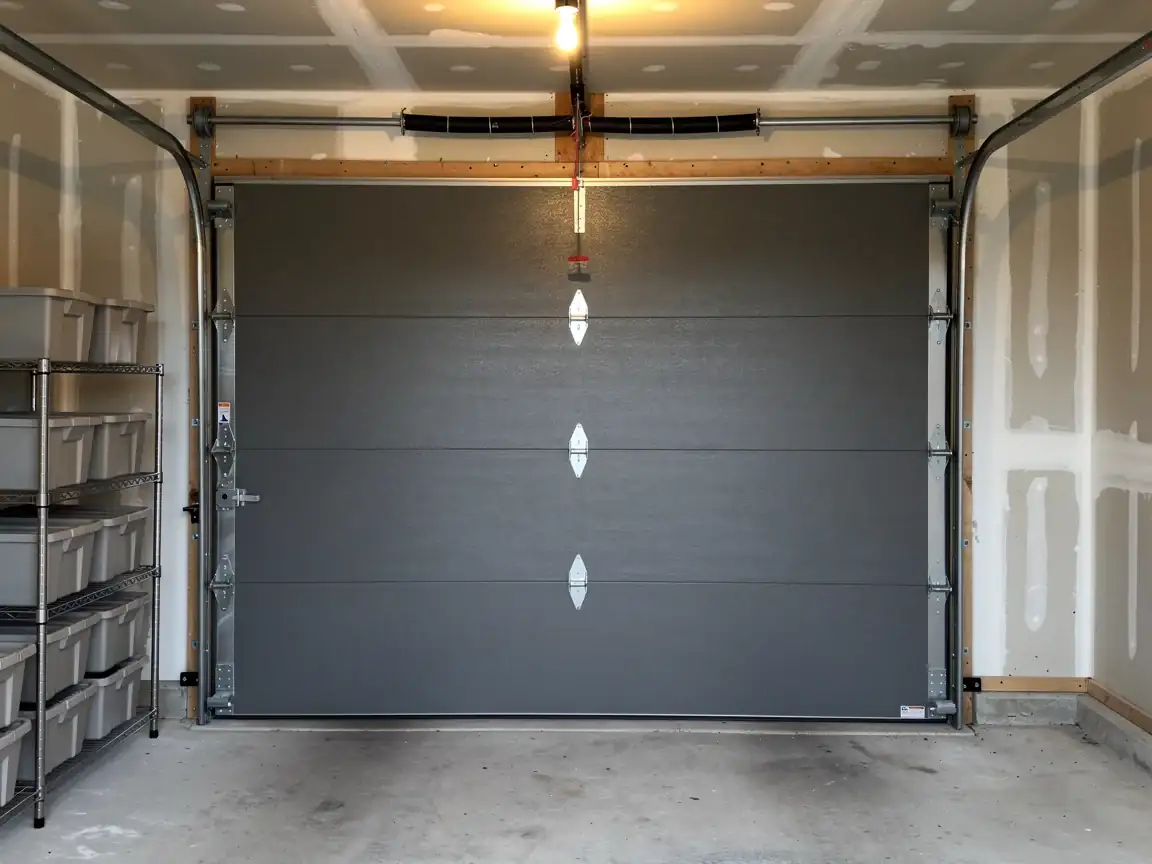
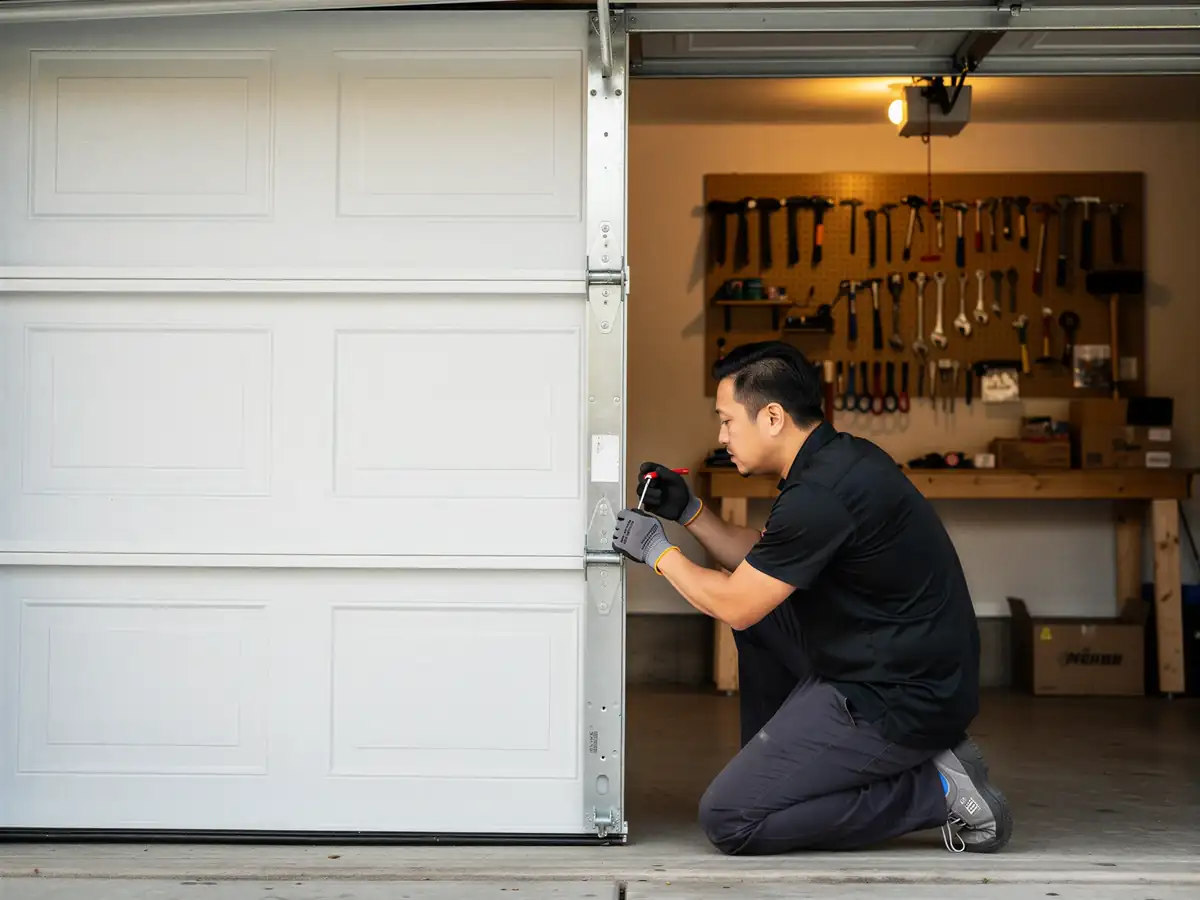
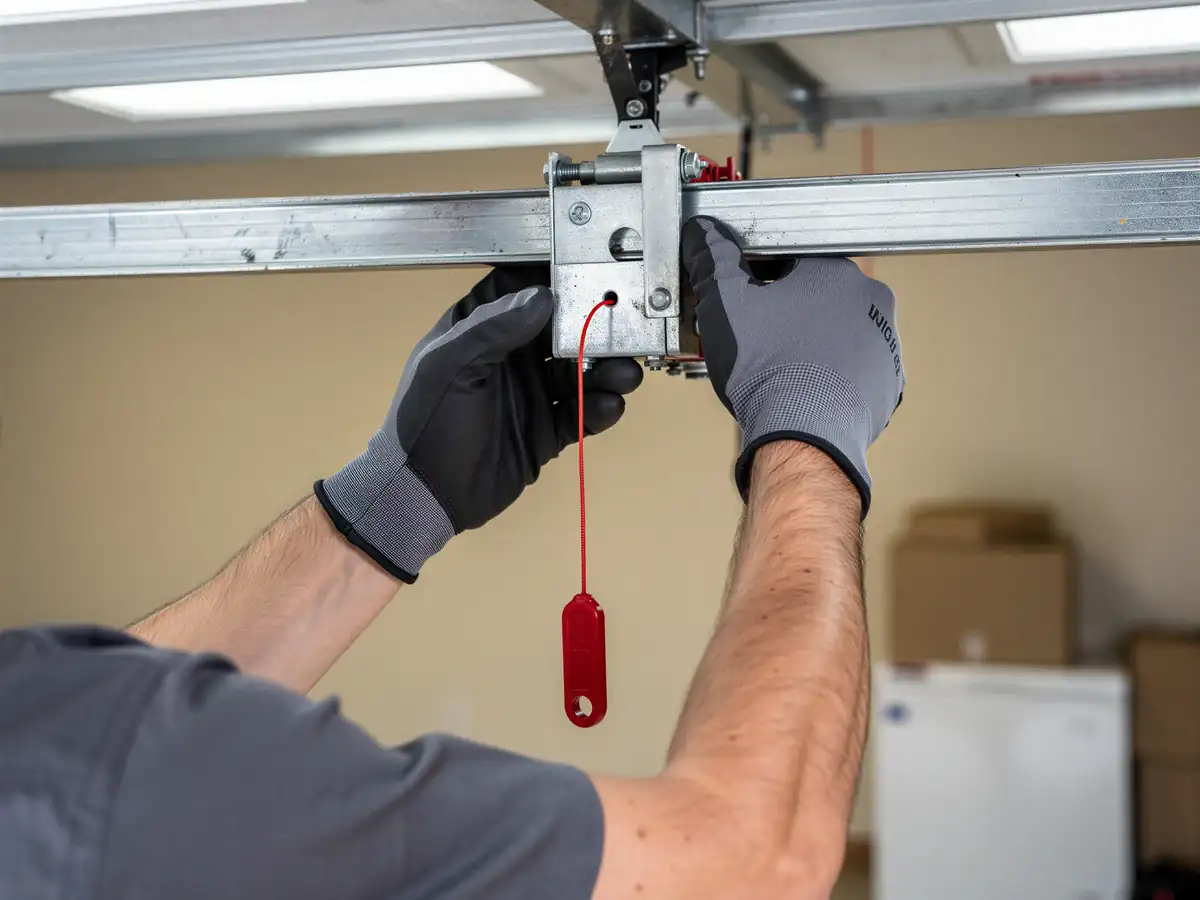
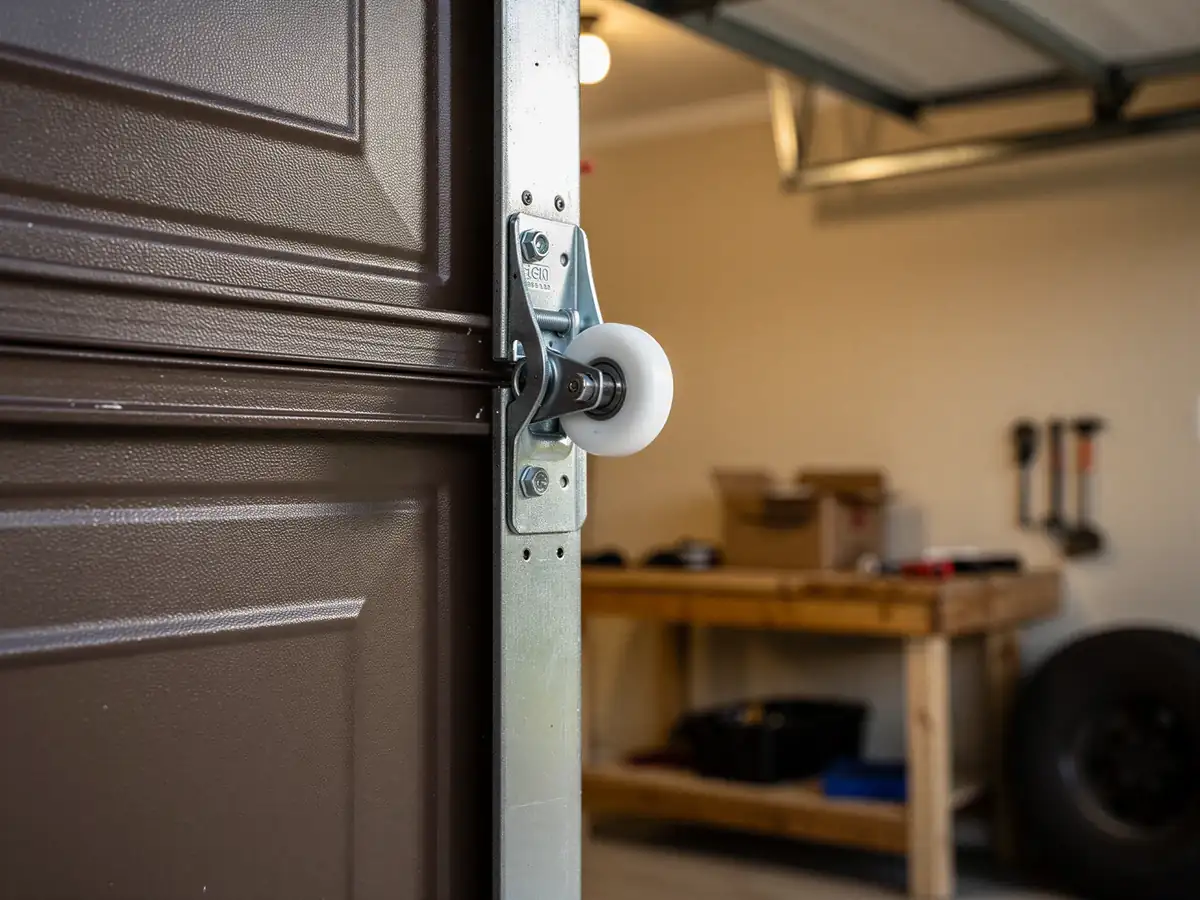
We check nylon rollers for flat spots and glazing, since plastic rollers cook faster in this climate band than steel ones do. We check torsion spring coating and cycle count rather than assuming the spring's original - a 2007 install means most springs are on their second or third life already given this area's heat load. We check the opener's logic board and sensor wiring for heat-cracked insulation, re-lubricate hinges and track with a product rated for high heat, not the cheap household stuff that burns off by July, and we check weatherstripping, which degrades from UV and heat faster than from use.
We don't do cosmetic work
Repainting a faded door or patching dents isn't maintenance, it's a different job, and we'll tell you that up front rather than add it to the bill.
How It Shows Up
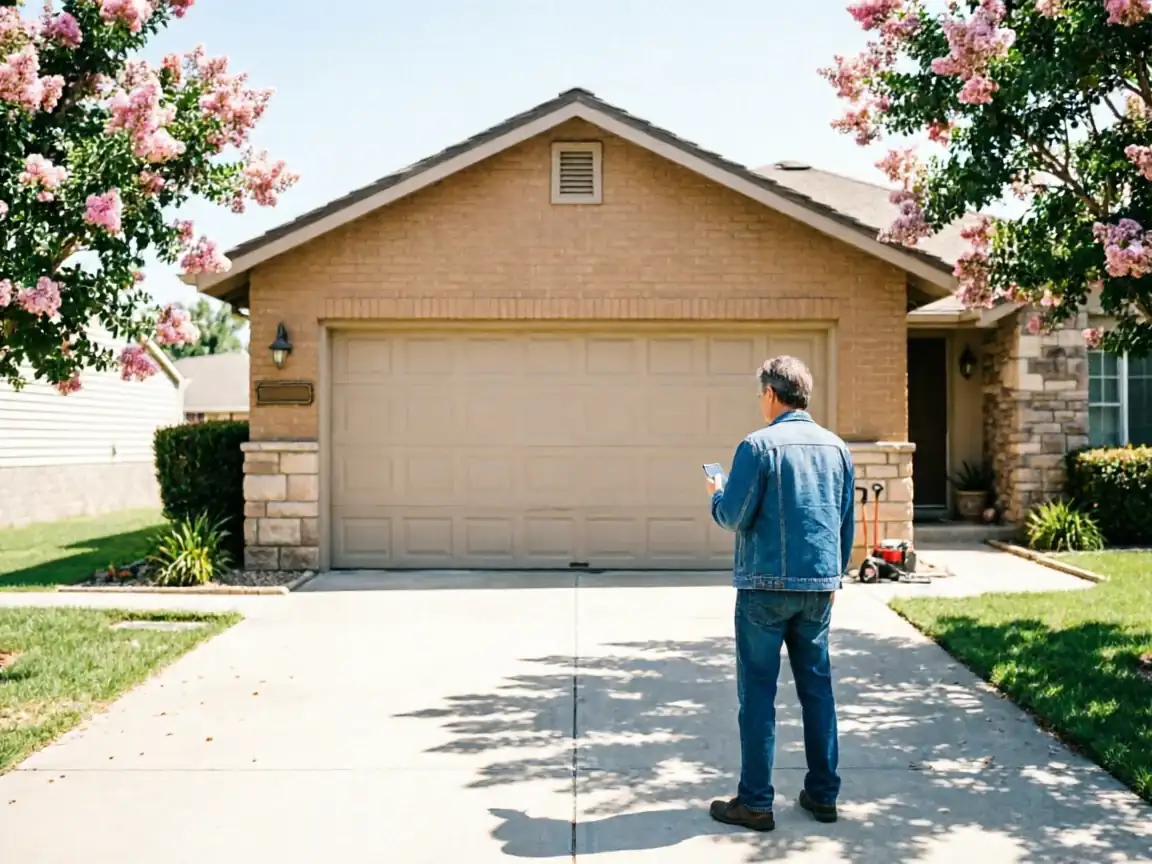
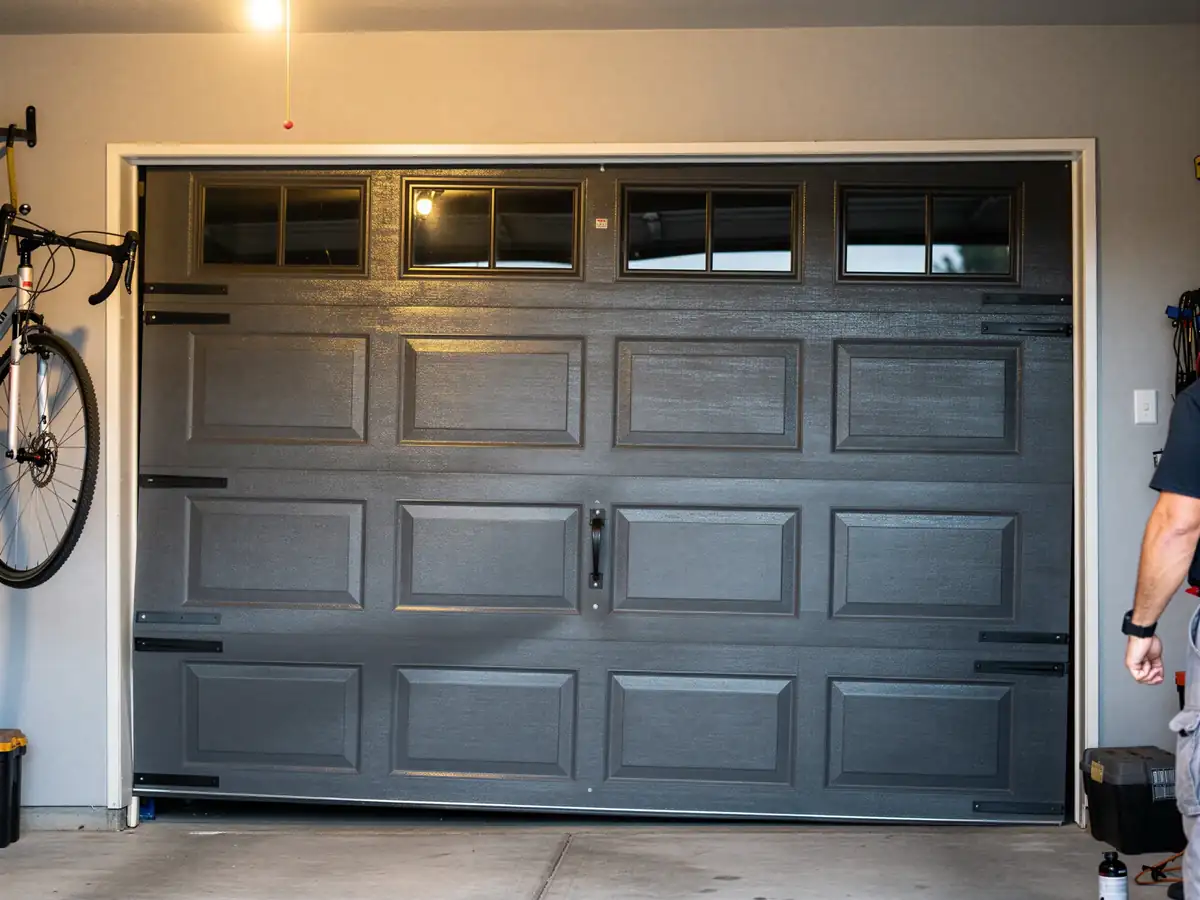
In a subdivision where most houses date to around 2007, the failures cluster. You'll hear a grinding or slapping sound from a roller that's flat-spotted from heat rather than age - that shows up here years before it would on a door in a milder climate. You'll notice the door sags slightly at the bottom corners during the worst heat of the day, then looks fine again by evening; that's panel expansion on a door that's 15-20 years old, not loose track brackets on a door that's 40.
Openers fail differently too. A logic board that's been baking in an attached garage for close to two decades starts giving intermittent faults - the door reverses for no reason, or the remote works from the driveway but not from the street. That's heat-aged electronics, not a dying motor.
Weatherstripping is the easiest one to spot yourself: daylight at the bottom seal, or a strip that's gone brittle and cracks when you bend it. On houses this age in this heat band, that's usually the first part to go, well before springs or cables.
Doing It Yourself
Some of this is reasonable to handle yourself if you're careful. Wiping down and lubricating rollers and hinges twice a year, checking the bottom weatherstrip for cracking, and listening for new noises are all things an owner can do without tools beyond a ladder and a rag. On a 2007-era door, this kind of light upkeep actually matters more than on an older door, because the plastic and rubber components are the ones degrading fastest in this climate.
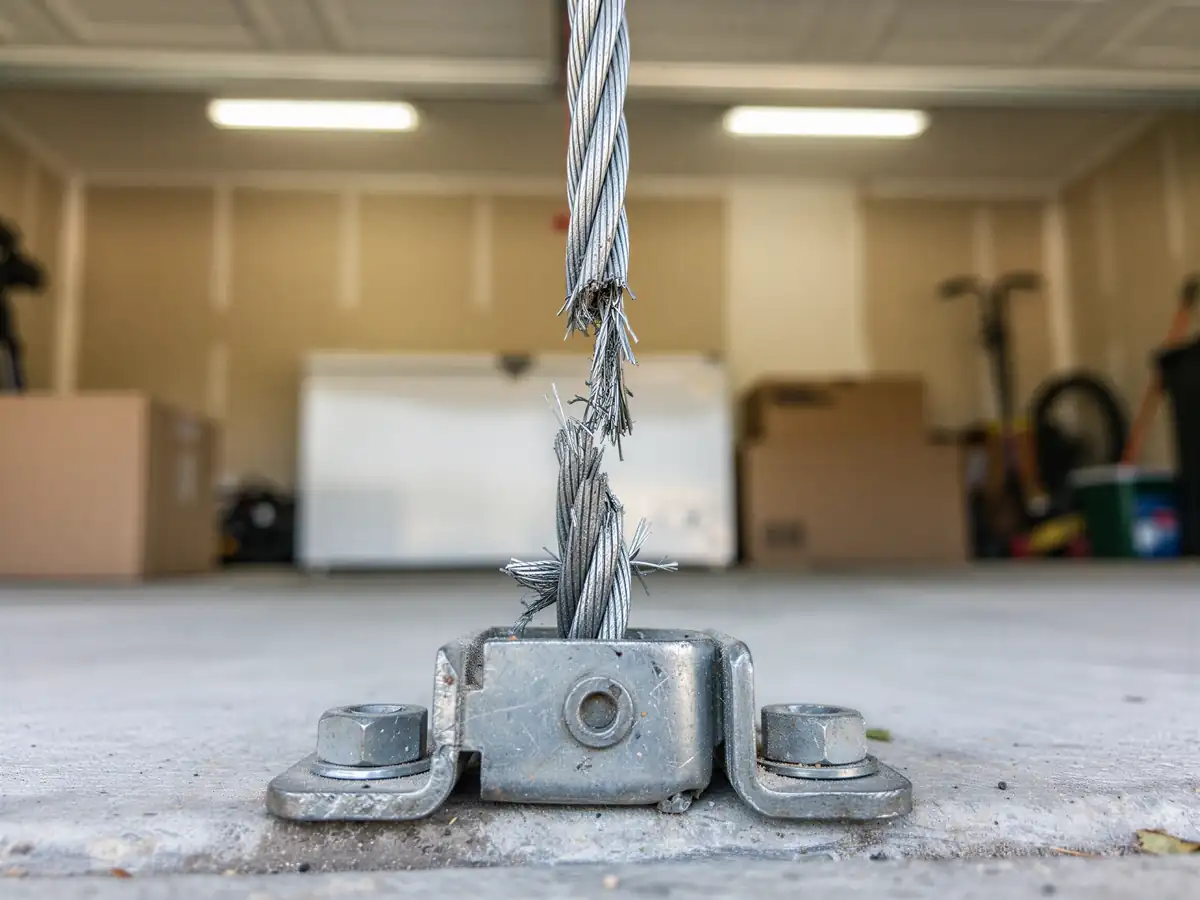
What you shouldn't touch: the torsion spring, full stop. It's under enough tension to cause serious injury, and on a double garage door that spring is doing a lot of work. Also leave the opener's logic board and force settings alone - resetting the travel limits wrong on a newer opener can make the door slam or reverse unpredictably, which is worse than the original problem.
One honest limit: we don't do emergency same-day maintenance visits out to Los Fresnos. If a spring breaks today, that's a repair call, and it'll queue behind other work the way any 18-mile trip from the shop does. Maintenance gets scheduled, not rushed.
The Cost of This Job
The service area this falls under runs a median household income near $40,000
And that number matters more for the repair-or-replace decision than most owners think about up front. At that income level, a routine maintenance visit - lubrication, hardware check, spring balance test - is the cheap insurance. It's the thing that keeps a $40 roller from turning into a cracked panel.
- $40,000 median household income
Where it gets harder is when something's already failed on a door that's 15-20 years old
A cracked panel or a dead opener logic board is usually worth fixing - the door itself, on houses this age, still has plenty of service life left. A full opener that's failing across multiple systems at once, or a door with warped panels from sustained heat exposure, is a harder call; at that point replacement can cost less over five years than a string of repairs.
- 20 years
We don't push replacement as the default
If a maintenance visit catches the problem early - which is the whole point of doing one - most Los Fresnos doors at this age need parts, not a new door.