How We Fix It
Most opener calls we take in Los Fresnos aren't spring or cable problems - they're electronics
The houses out here were built mostly after 2007, which means chain and belt-drive openers with circuit boards and logic boards, not the older chain-drive units with simple relay switches you find in older stock elsewhere in the service area. Those boards run fifteen to twenty years before capacitors dry out or a surge from a storm takes out the logic board outright, and a lot of these units are hitting that age now.
When we get a call, we start with the board before we touch the motor
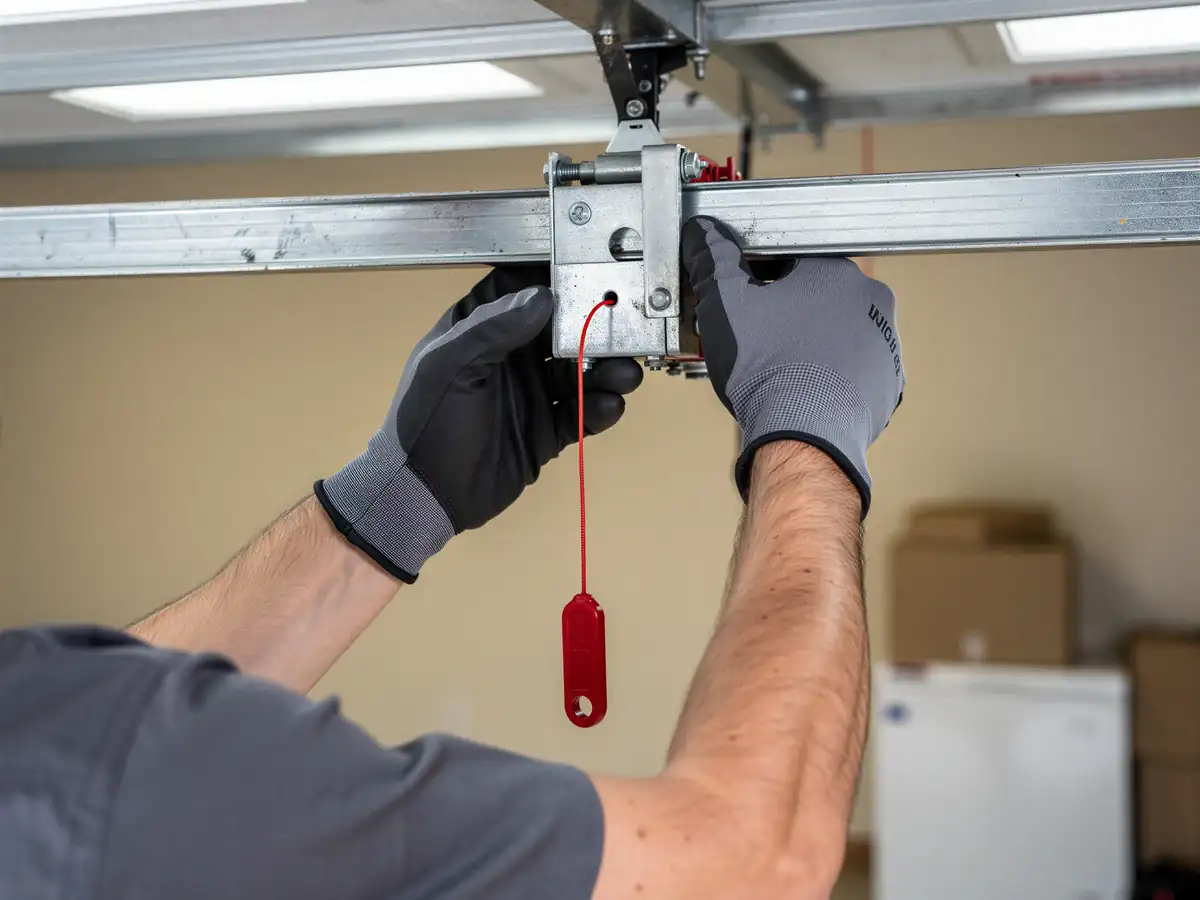
A dead opener that still hums or clicks usually means the board lost communication with the motor, not that the motor itself failed. We test the wall control, the sensor wiring at the floor, and the board's output before we replace anything. If the board's bad, we carry common replacement boards for the unit families installed in homes from this era; if it's a less common board, we order it and come back rather than swap the whole opener unnecessarily.
We travel from Laredo for this call, about 18 miles each way
So we try to diagnose by phone first - brand, model number on the motor housing, and what the wall button does - so we show up with the right part instead of guessing twice.
- 18 miles
How It Shows Up
The most common complaint we hear from Los Fresnos is the opener running the motor but the door not moving, or moving partway and reversing. On a 2007-and-newer build, that's almost always the logic board losing track of door position, not a broken spring - the springs on a door this age are still usually original and in decent shape.
Heat plays a bigger role here than people expect. This stretch of the service area sits in a severe heat band, and attached garages with openers mounted near the ceiling run hot for months at a time. Circuit boards don't like sustained high heat - it shortens capacitor life and causes intermittent faults that show up as "it worked yesterday." If your opener cuts out only in the afternoon and comes back at night, that's a heat-stressed board, not a mechanical issue.
A second pattern: remotes or keypads that stop syncing. Boards from the mid-2000s to early 2010s often used a rolling code chip that fails before the motor does. If your remote still lights up but the door ignores it, the chip on the board is the likely culprit, not the remote itself.
Doing It Yourself
You can safely check a few things before calling. Unplug the opener, then plug it back in and watch whether the motor light blinks a specific pattern - most boards from this era use blink codes to flag the fault, and the manual (or a label inside the motor housing) will tell you what the count means. Check the safety sensors at the bottom of the tracks; a sensor knocked out of alignment or coated in dust will stop the door from closing and often gets blamed on the opener itself.
What you shouldn't do is open the motor housing and start swapping capacitors or resoldering a board. That work needs the right part number and takes the unit apart in a way that voids whatever's left of a manufacturer warranty, and a wrong part can short the new board on power-up. If the blink code points to the board, that's a call, not a fix.
One honest limit: if your opener is original to a 2007-era build and the board has failed once already, we'll tell you straight that a second board swap on a fifteen-plus-year-old motor usually isn't worth it. At that point a new opener costs about the same as the part and labor, and you get a warranty on the whole unit instead of just the board.
The Cost of This Job
We don't have a posted price list for opener board repair versus full replacement
It depends on the brand, whether the board is still made, and whether the motor and drive are worth keeping. What we can tell you is how we decide: if the board is available and the motor, rail, and drive are sound, board replacement is the cheaper call. If the board's discontinued or the unit's past fifteen years old, we'll usually recommend a full opener swap instead of chasing parts for a dying motor.
Because we're coming from Laredo, the trip itself is part of what you're paying for on any single call
Which is another reason we try to nail the diagnosis over the phone first and bring the part instead of making two trips. If you want it addressed the same visit, get us the model number off the motor housing before we head out - it's usually on a sticker on the side or back of the unit - and we'll know within a few minutes on site whether we're looking at a board problem or something else.