Why It Happens Here
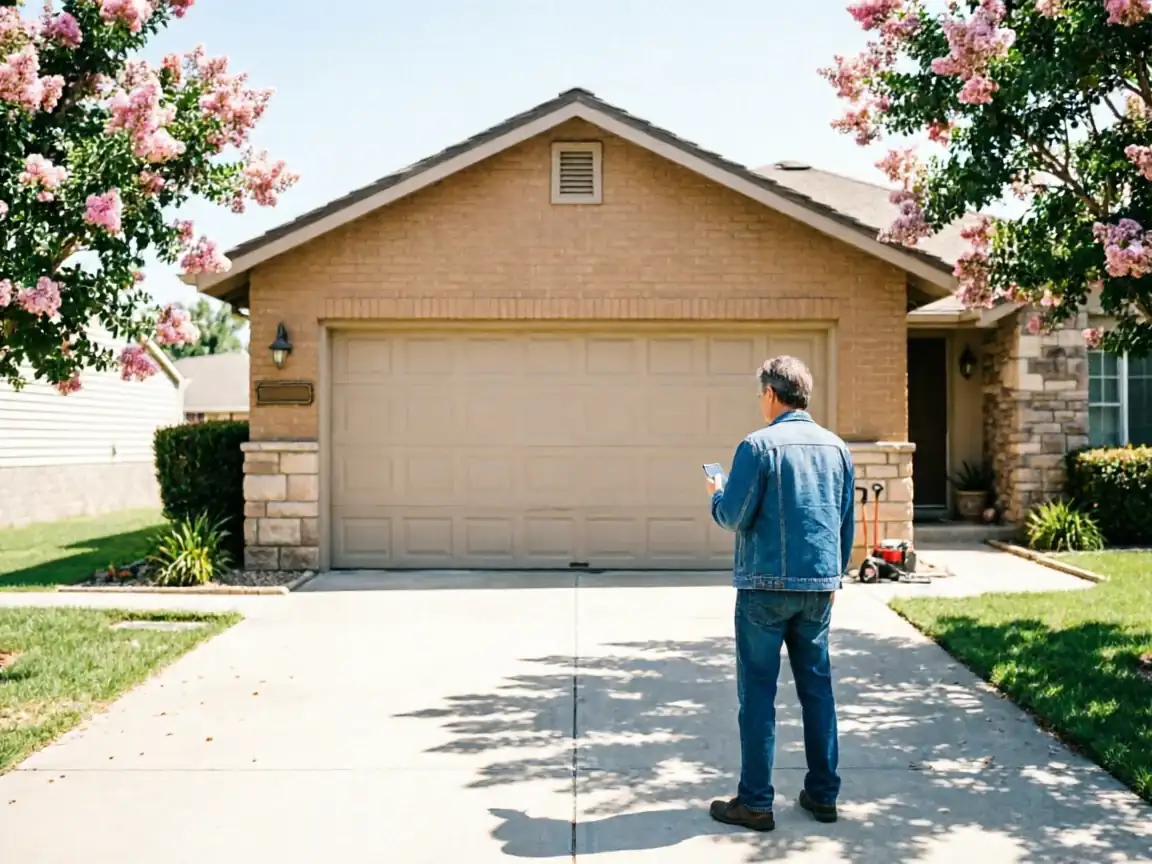
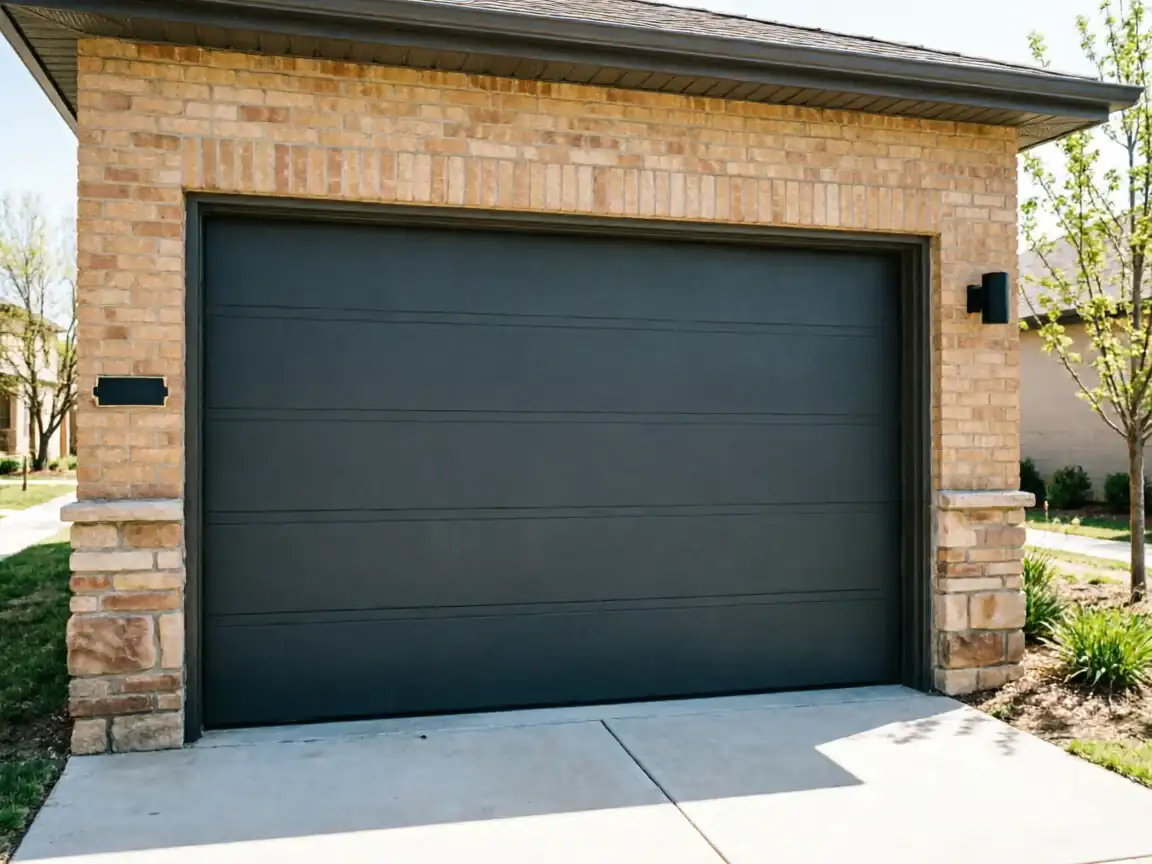
Most houses in Zapata went up around 1992
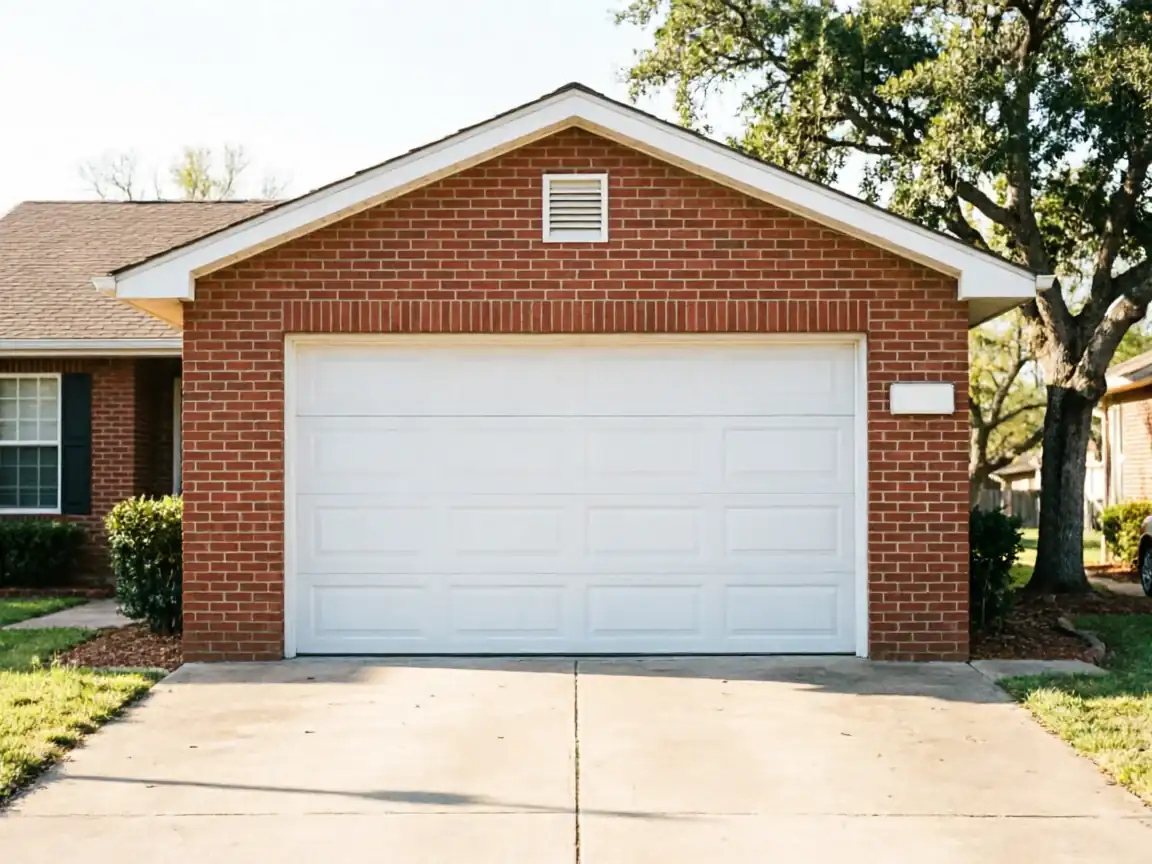
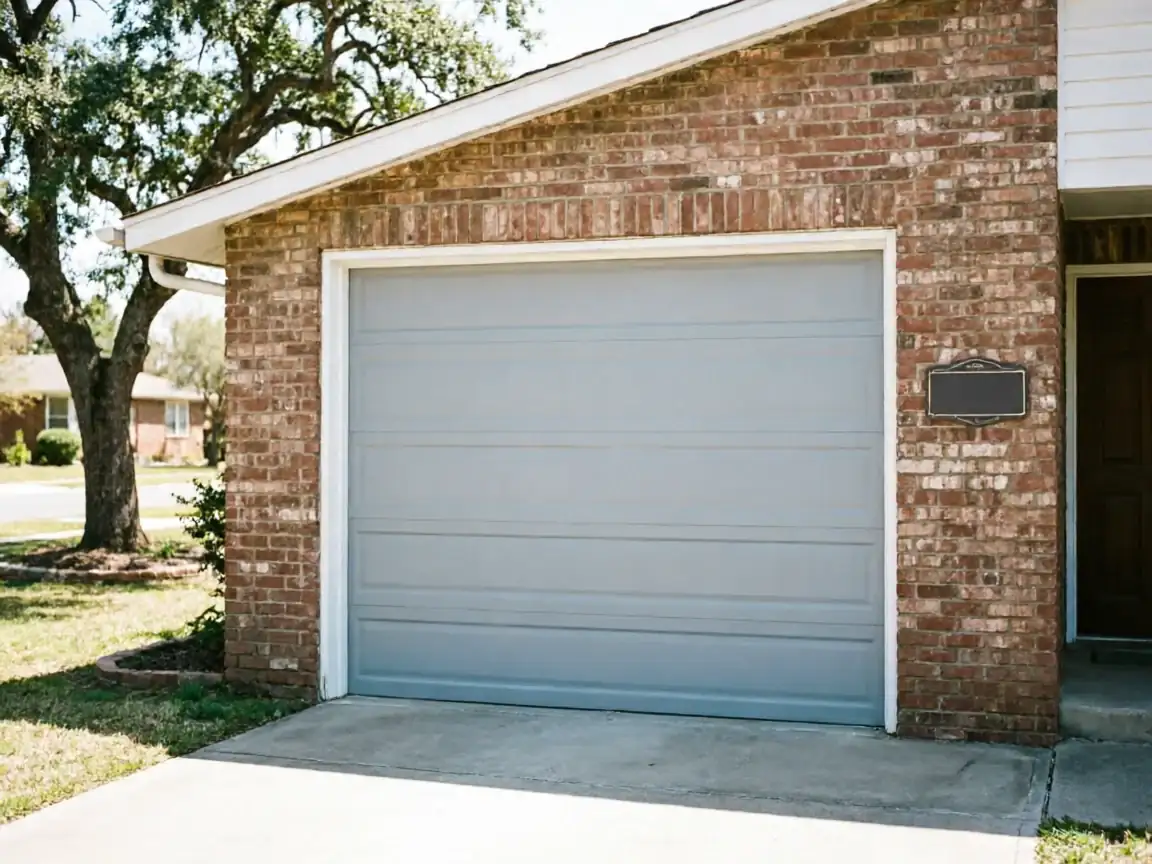
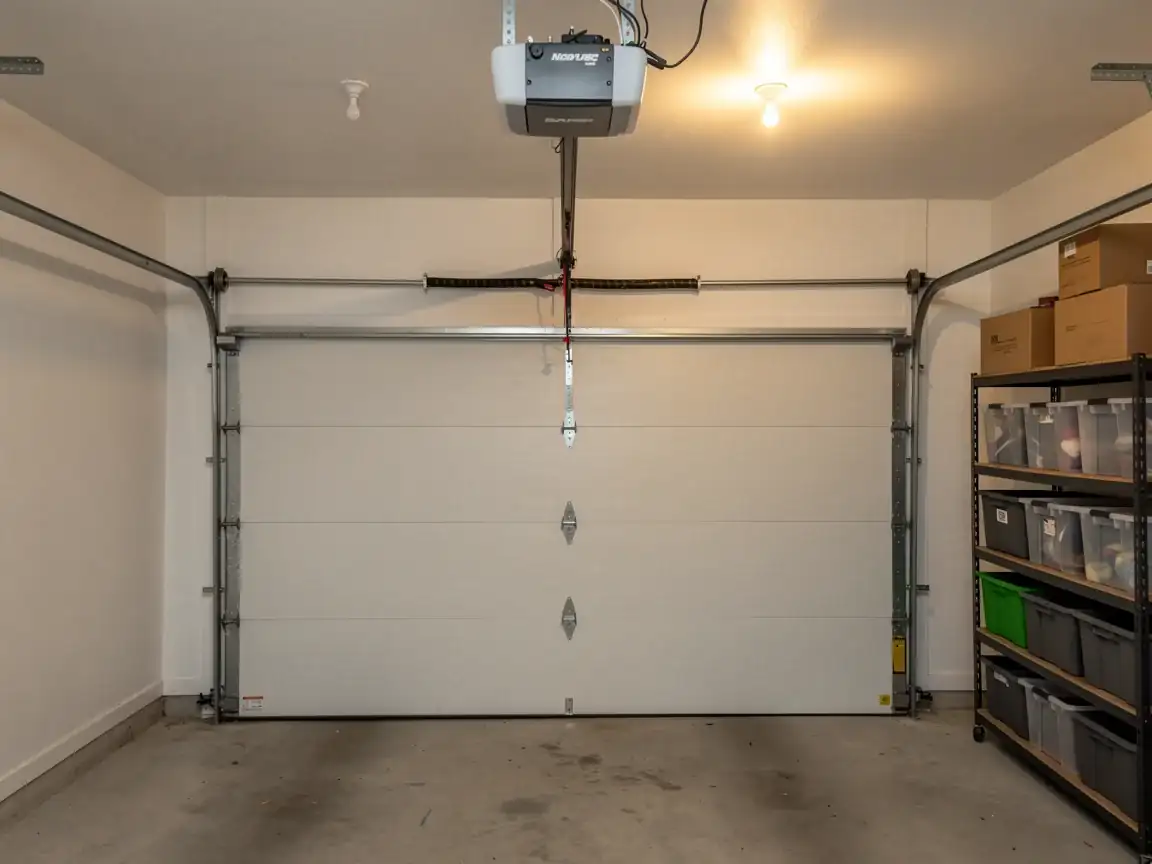
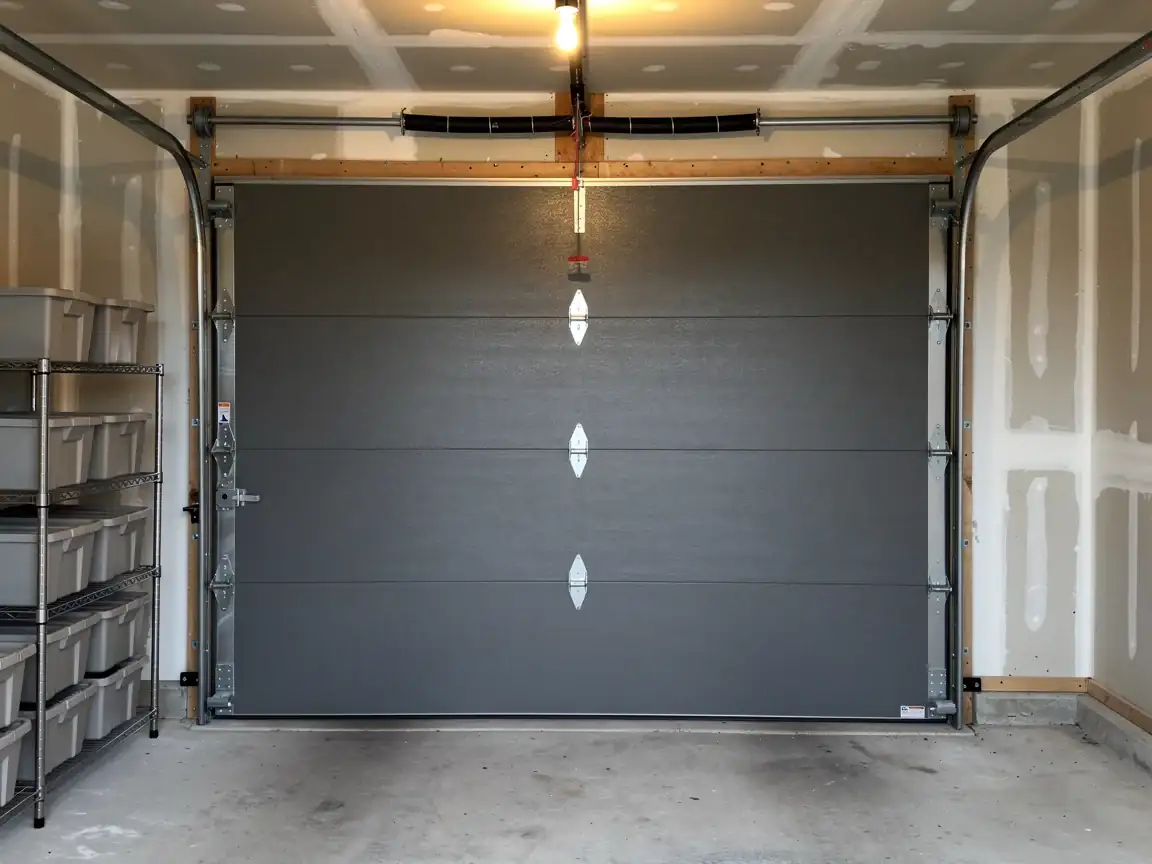
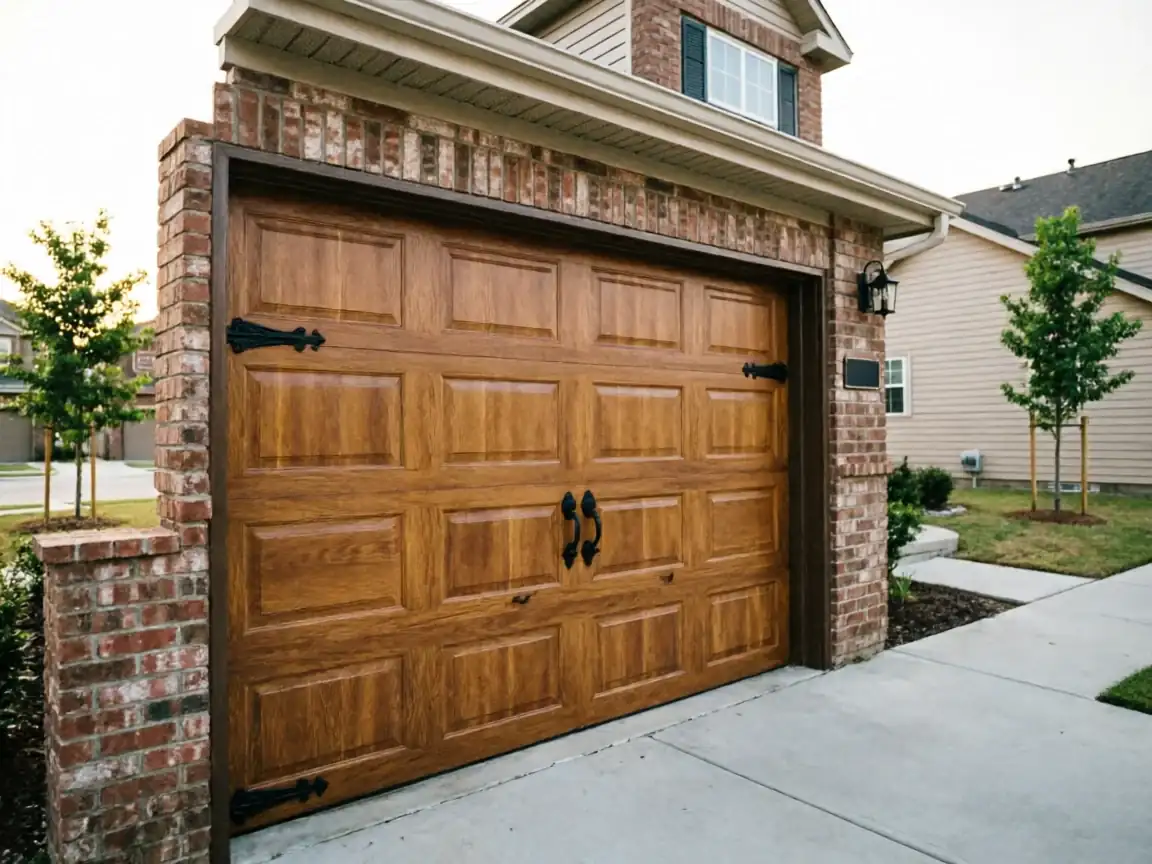
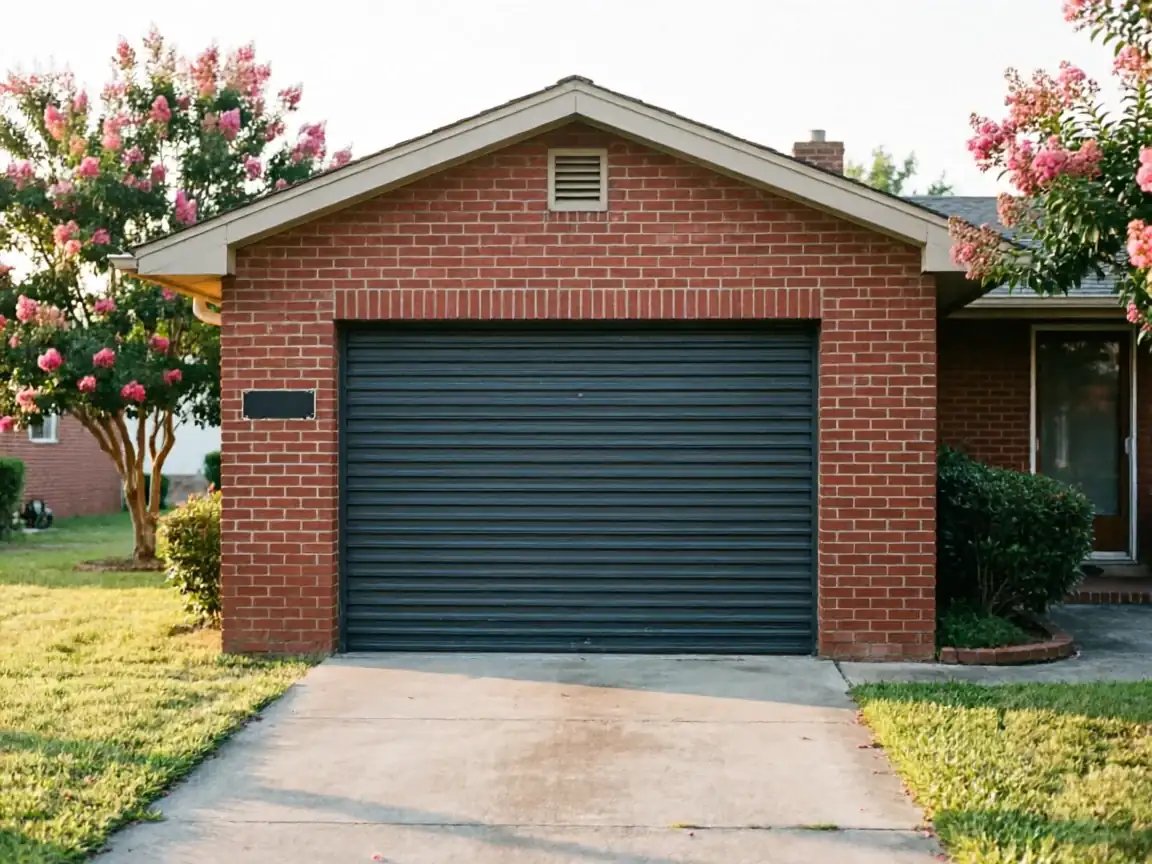
Which puts the typical door here squarely in the builder-grade steel sectional era - a 16x7 double or 9x7 single, plain raised-panel steel, usually uninsulated, hung on a single torsion spring rated for that door's weight and nothing more. That spring and the galvanized coating on the track were sized for a normal duty cycle, not for the kind of heat this part of Texas holds for months at a time.
That's the actual failure path
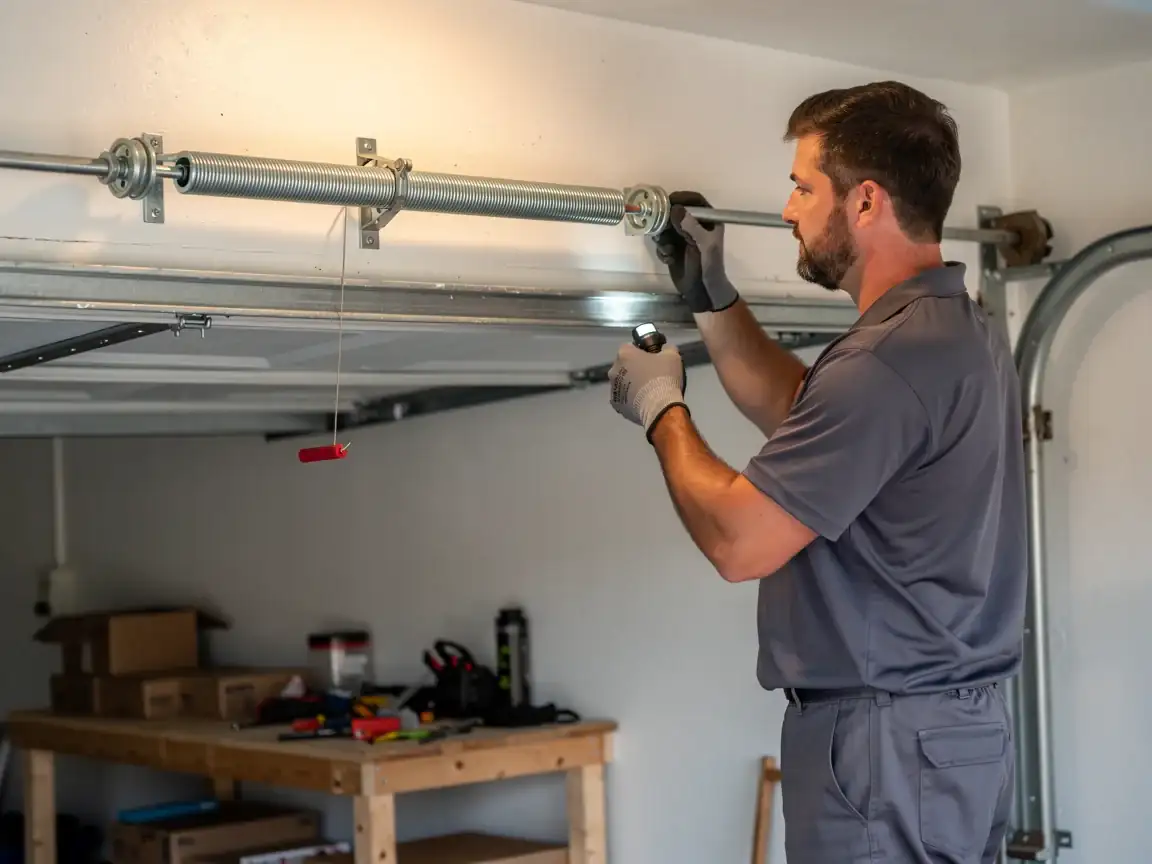
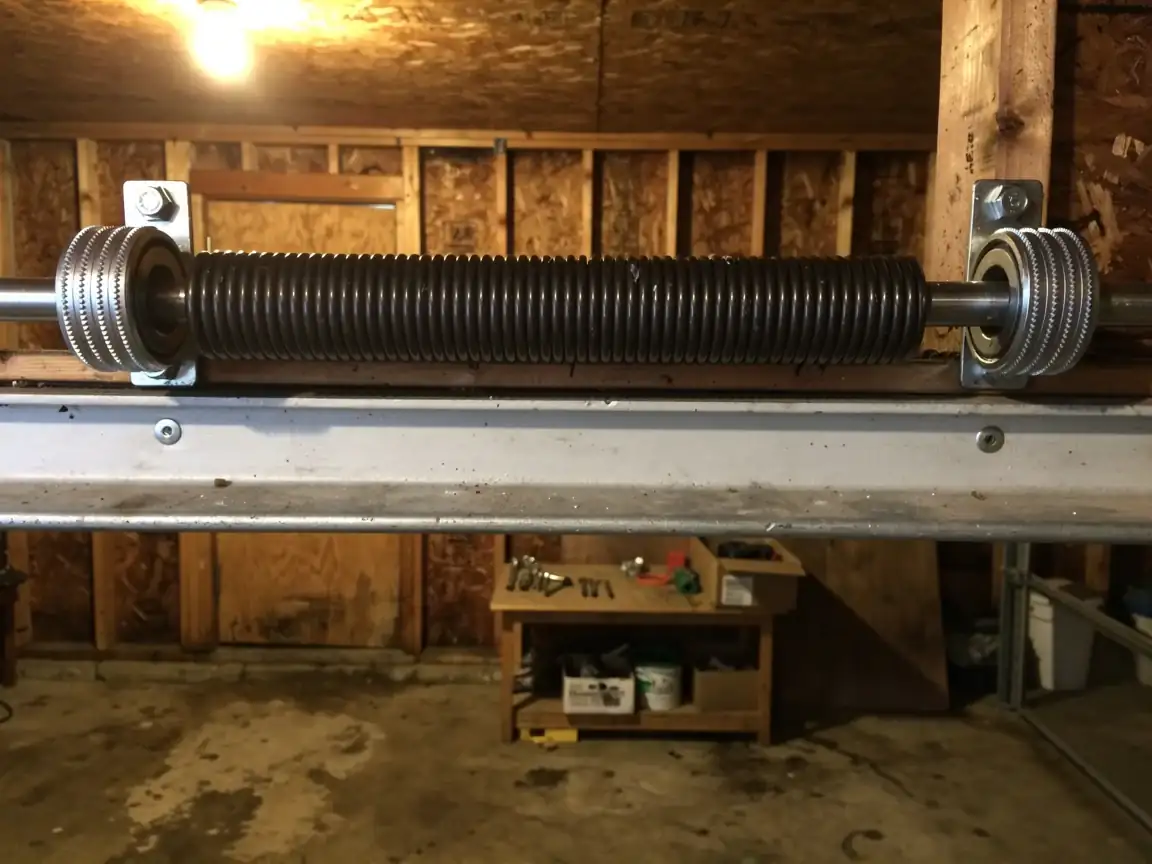
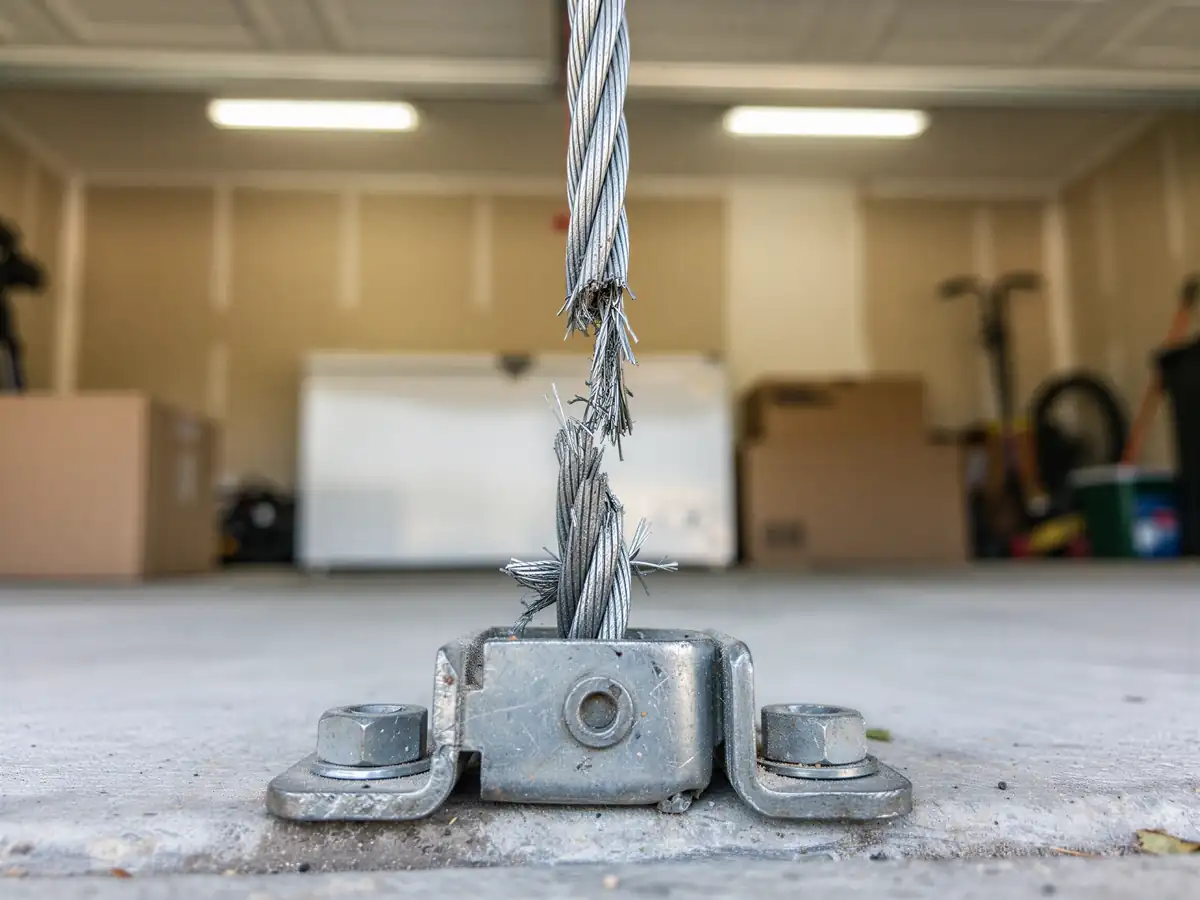
Sustained high heat softens the grease in the spring coils and in the roller stems, the metal expands and contracts every day through a wide swing, and the torsion spring loses tension faster than the same part would in a milder climate. Add 30-plus years on the original spring and you get the two most common calls from this area - a spring that lets go without warning and an opener that strains and stalls because the door it's lifting is heavier on the cable drum than it should be.
A handful of area houses were built later into the 2000s
So not everything out here runs on original 1990s hardware, but the bulk of the stock is old enough that galvanized torsion springs and steel rollers are what we expect to find before we even open the truck.
The Cost of This Job
Zapata's median household income sits around $37,653, noticeably below the wider service area figure of roughly $40,000, and that gap matters for how we quote a job out here. We don't carry a published price list for this page, and we're not going to guess at a number - but we do keep that income figure in mind when we talk through repair-versus-replace with a homeowner, because a full door swap is a bigger ask on a Zapata budget than it might be elsewhere in the territory.
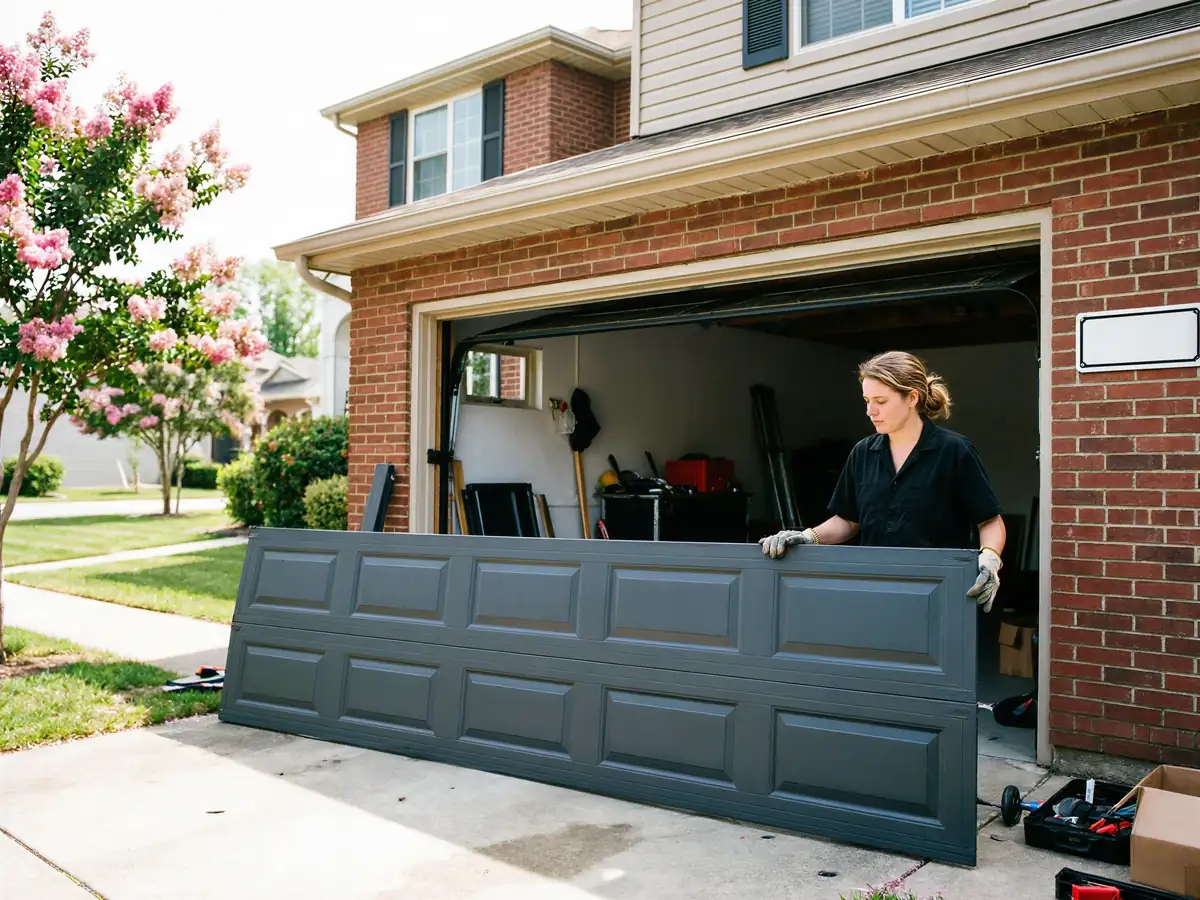
With roughly 1,953 households in the Zapata area, most in owner-occupied houses from that same early-90s build wave, the common job isn't a full teardown - it's a spring replacement, a cable, or a roller set, which costs less than swapping the door itself. We'll tell you straight when a repair makes sense and when the door's steel has corroded or warped enough from heat cycling that patching it is throwing money at a door that's going to fail again in a year.
How We Fix It
We travel from Laredo to Zapata, about 44 miles out, so every job is scheduled as a dedicated trip - there's no branch truck sitting idle a few blocks away. When we get there, the first thing we check on a steel sectional from this era is spring tension and the condition of the galvanized coating on the torsion tube, since that coating is usually the first thing the heat and years take a toll on.
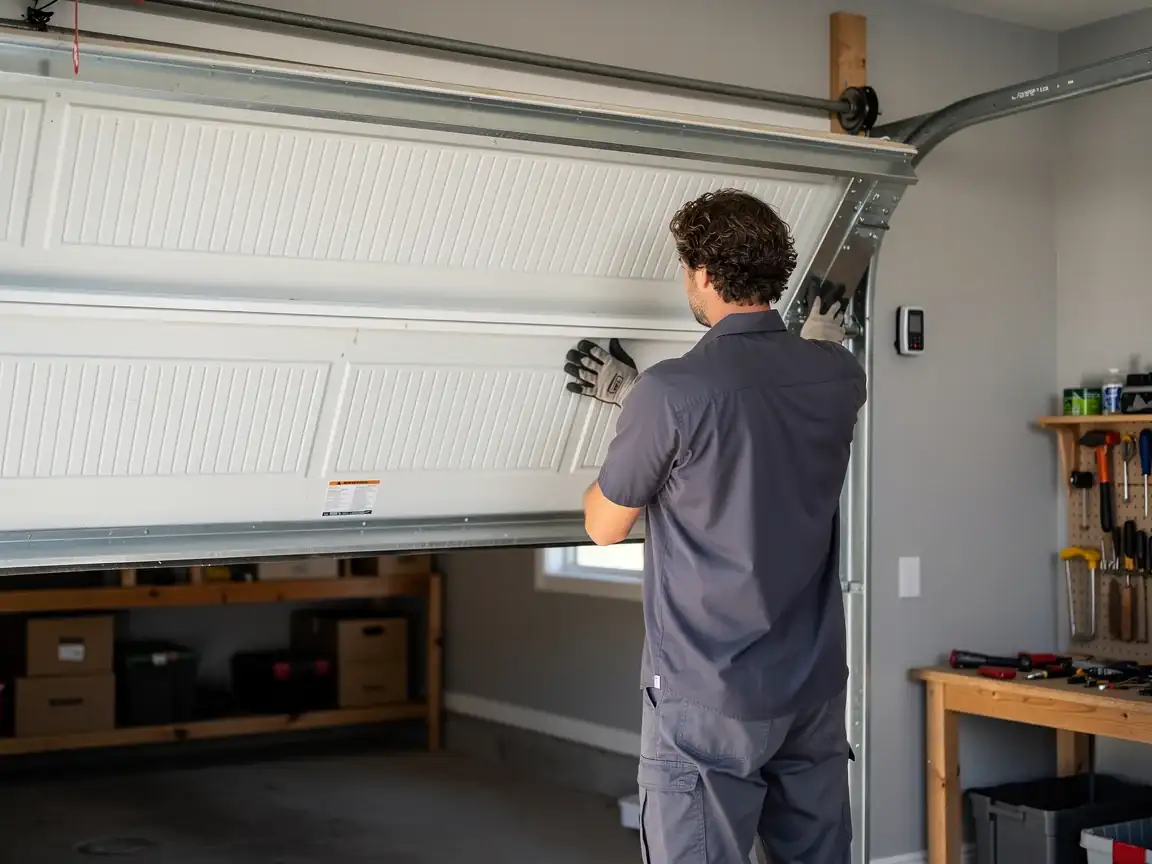
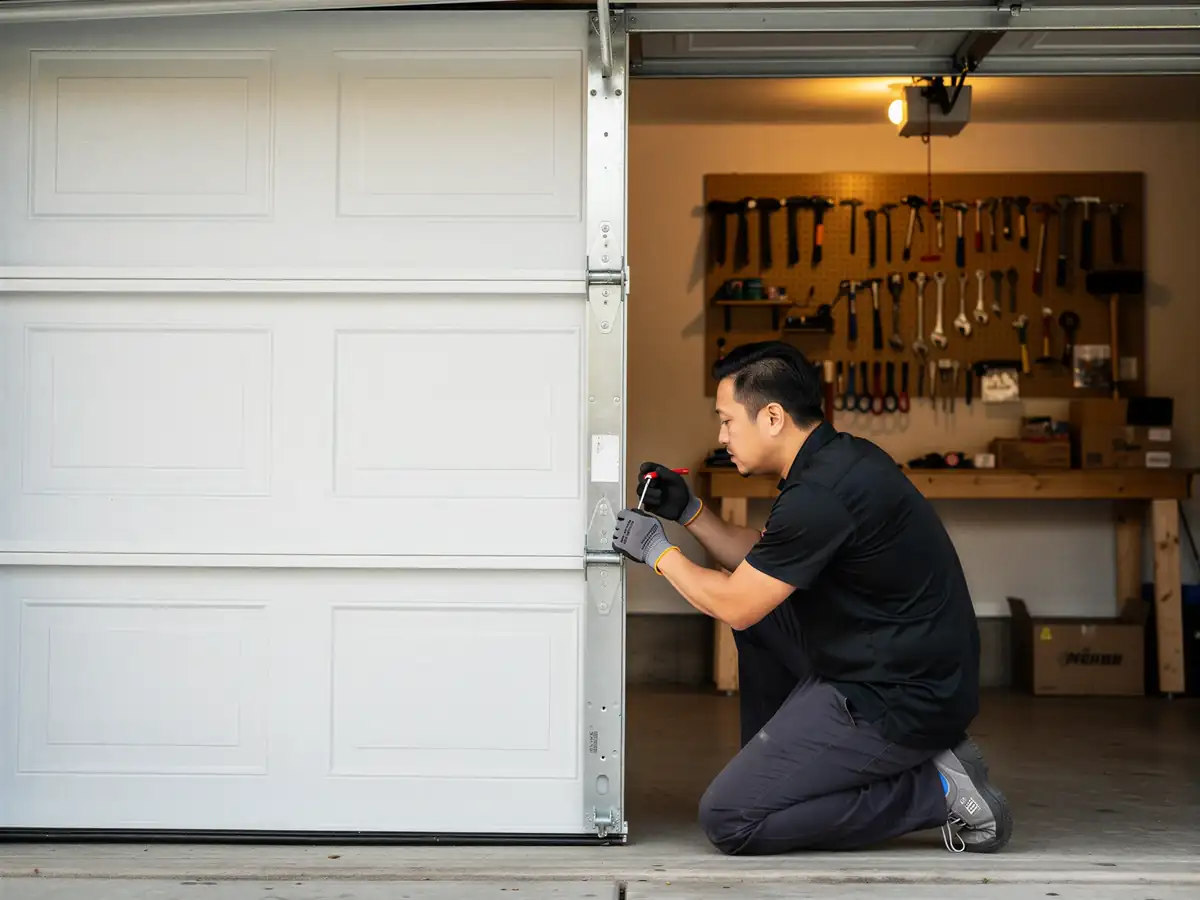
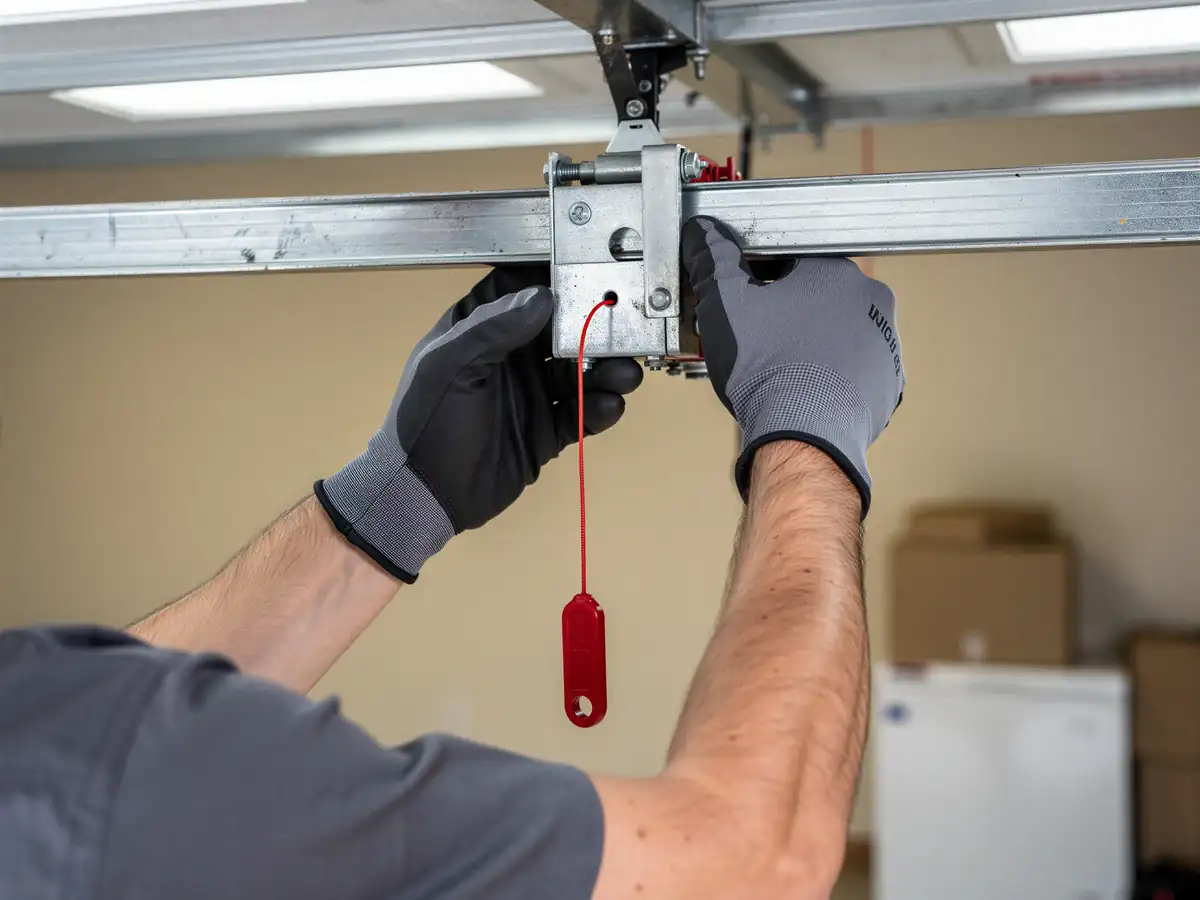
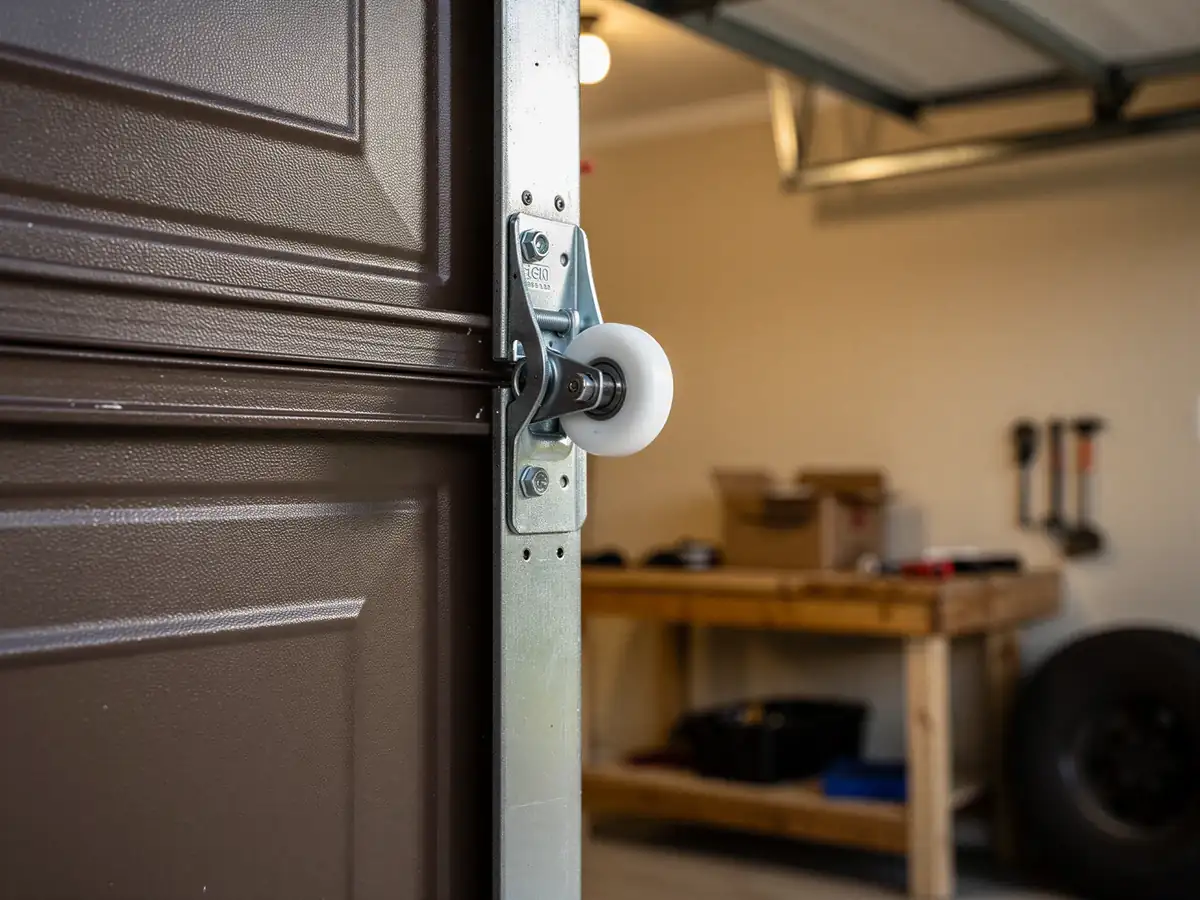
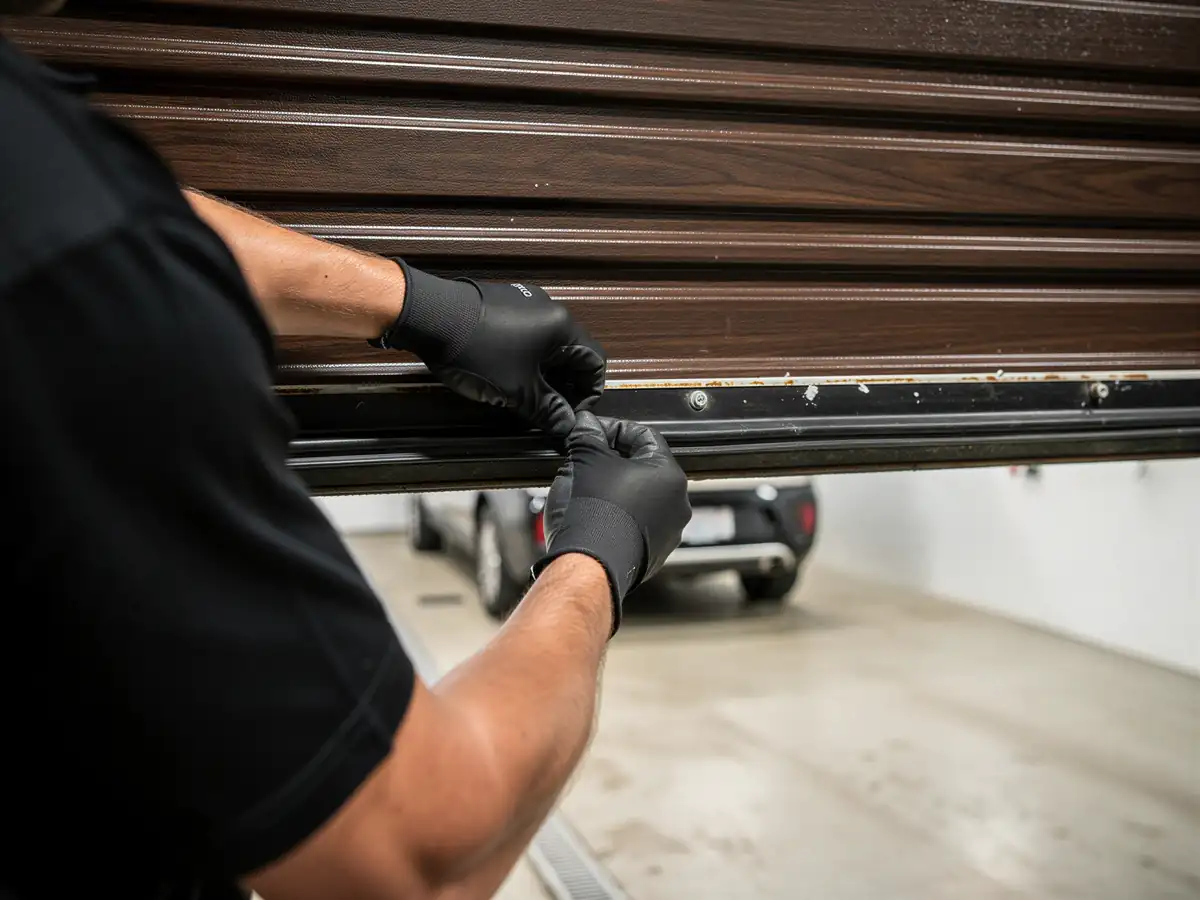
Repairs follow a standard order: isolate the door from the opener, release spring tension safely, replace the failed part - spring, cable, roller, or hinge - and reset tension to match the door's actual weight, not a generic chart number. For openers straining against heavier old steel doors, we check the drum and travel limits before assuming the motor itself is the problem, since a lot of 'the opener is dying' calls out here turn out to be a door that got heavier to lift as the hardware wore down.
How Long It Takes
A straightforward spring or cable repair on a 1990s-era steel door runs about what it would anywhere else once the truck is on site
The work itself isn't the long part. The distance is: budget for the 44-mile trip from Laredo in both directions when you're scheduling, because that drive is built into the appointment window, not an add-on delay.
We don't offer a stated response time for Zapata specifically, and we won't invent one here
If you need same-day service, say so when you call and we'll tell you honestly whether the day's route allows it.
Where This Job Goes Sideways
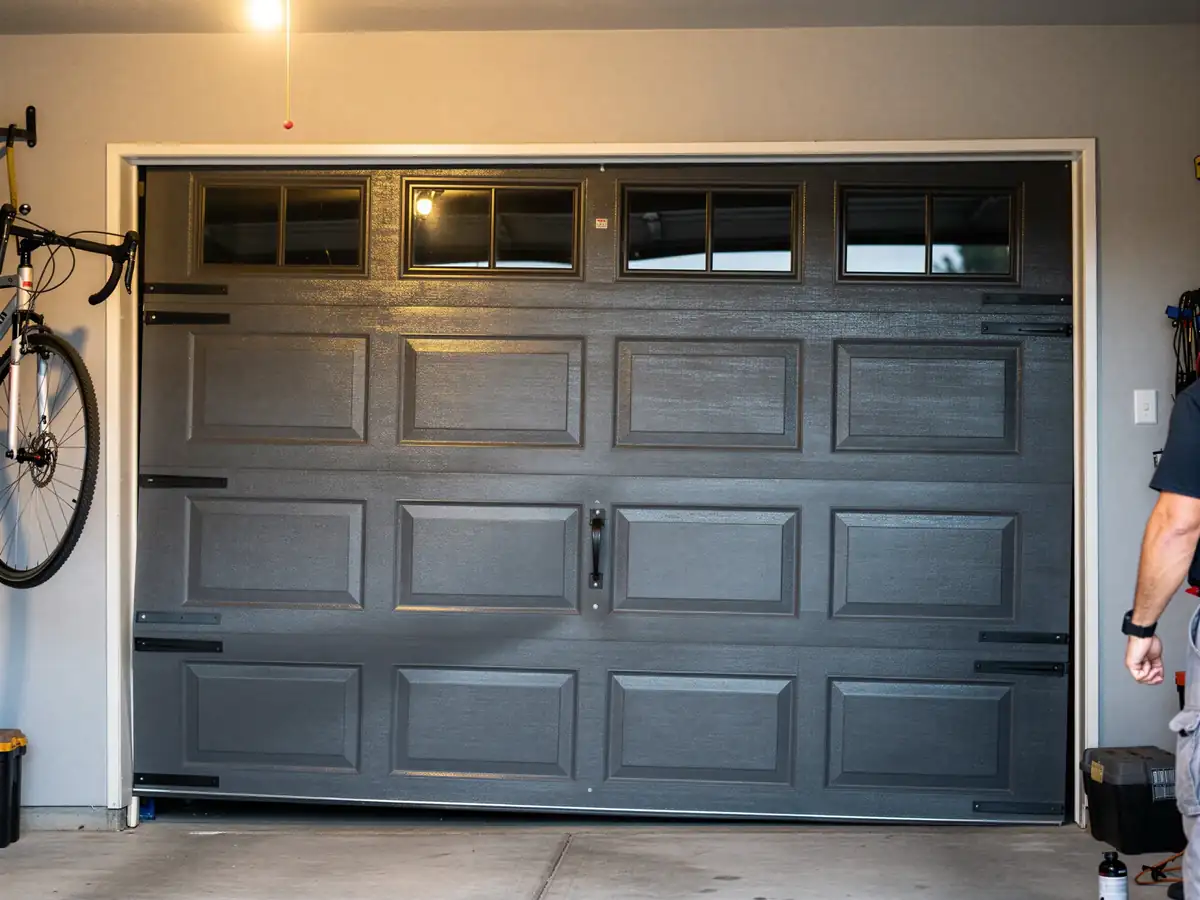
The thing that turns a simple spring job into a bigger bill out here is corrosion under the galvanized coating that isn't visible until the tube is under load again - heat-cycled coatings on 30-year-old torsion hardware can look fine and still be thinner than they should be. We've also seen openers get blamed for a problem that's actually a door track that's racked slightly out of square from decades of thermal expansion and contraction, which no amount of opener adjustment will fix.
Our honest limitation: we don't stock every obsolete spring size from every builder who worked this area in the early 1990s. If your door uses an odd wind or wire gauge that's no longer common, we may need to order it, and that adds a day or two rather than same-visit service.
Stocked Parts
For the steel sectional doors common to Zapata's early-90s housing stock, we carry standard torsion springs sized for both single 9x7 and double 16x7 doors, galvanized cable sets, steel rollers, and standard hinges on the truck for most jobs. What we don't keep on hand is insulated panel sections or custom-width doors, since those are less common in a neighborhood built mostly to one era's standard sizes - those get ordered once we've confirmed the exact dimensions on site.