Why It Happens Here
The rollers go first, not the spring
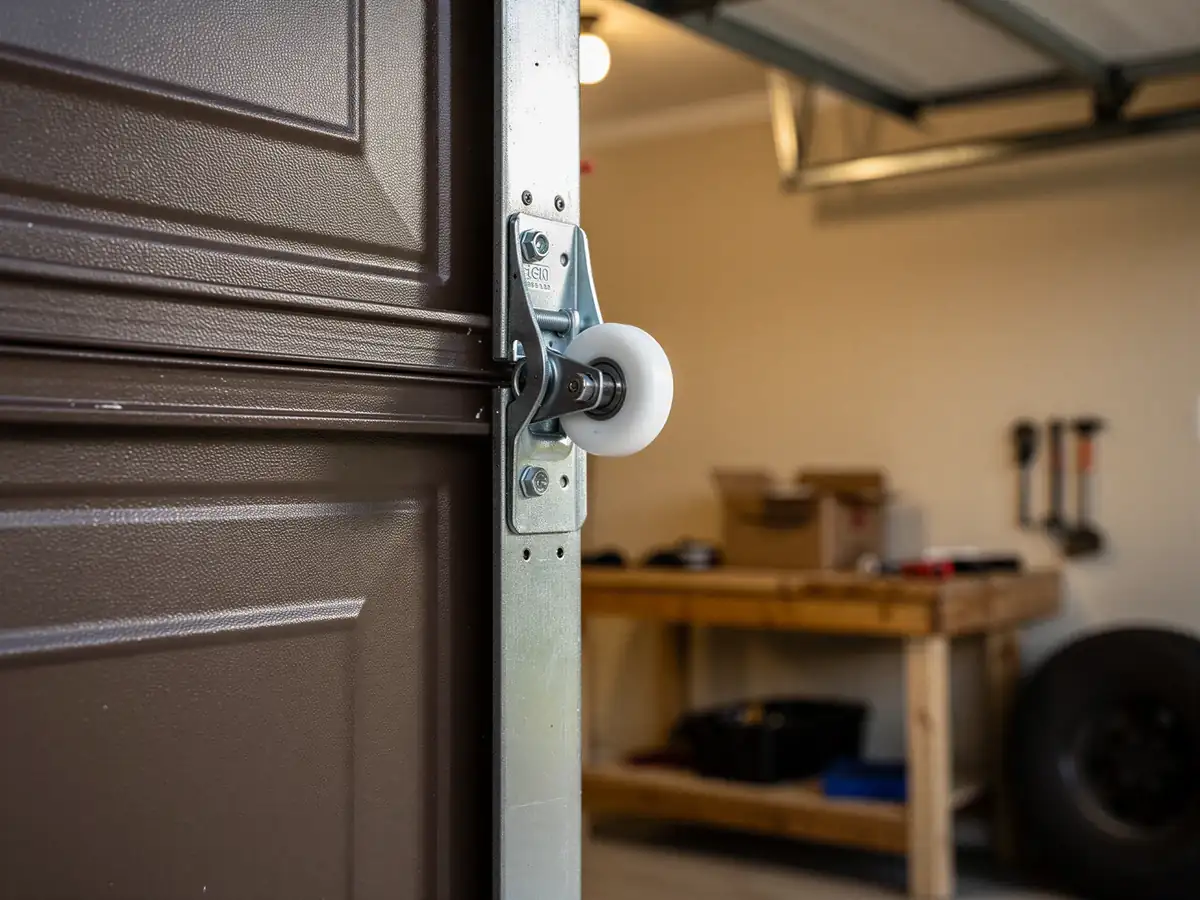
That's the order of failure on most of the doors we see out this way. Nylon rollers ride in steel track, and once the roller wheel wears down flat on one side, the door starts binding, grinding, or jumping the track on the way up. You hear it before you see it - a chattering or grinding noise right as the door clears the bottom bracket.
Zapata's housing stock runs newer than you'd think for a border-area town
Most of what's here went up from the mid-1970s through the mid-2000s, with the median build year sitting around 1992. That means steel rollers on galvanized track were standard when these doors went in, not the plastic ball-bearing rollers builders use now. Steel-on-steel wears faster, and three decades of opening and closing in sustained high heat dries out whatever lubricant was left on the roller stem, so the wear speeds up instead of leveling off.
We're not guessing about the heat
This area sits in a climate band we classify as severe heat, and that matters for roller life specifically - the nylon rollers that replaced steel in the 1990s and 2000s soften and crack faster when they're baking against a steel track for months at a time. It's a slower failure than a snapped spring, but it's the one that sneaks up on people.
The Cost of This Job
Roller replacement runs cheaper than almost anything else we do on a garage door, and it's worth saying plainly: if a tech tells you the whole track needs replacing along with the rollers, ask why. Bent track is a separate problem from worn rollers, and most of the jobs out here are rollers only.
We don't have a posted price list for this specific town, and we're not going to make one up to fill space. What we can tell you is that median household income in the Zapata area sits around $37,653, noticeably below the wider Laredo service area, and we price roller jobs the same no matter which town the call comes from - we don't add a surcharge for the drive.
What does change the bill is how many rollers are bad. A full set of ten rollers costs more than swapping the three or four that are visibly chewed up, and on a door that's only seven or eight years into its roller life, a partial swap is usually the right call. On a door original to a 1990s build, we're more likely to recommend the full set, since the rest are close behind.
How We Fix It
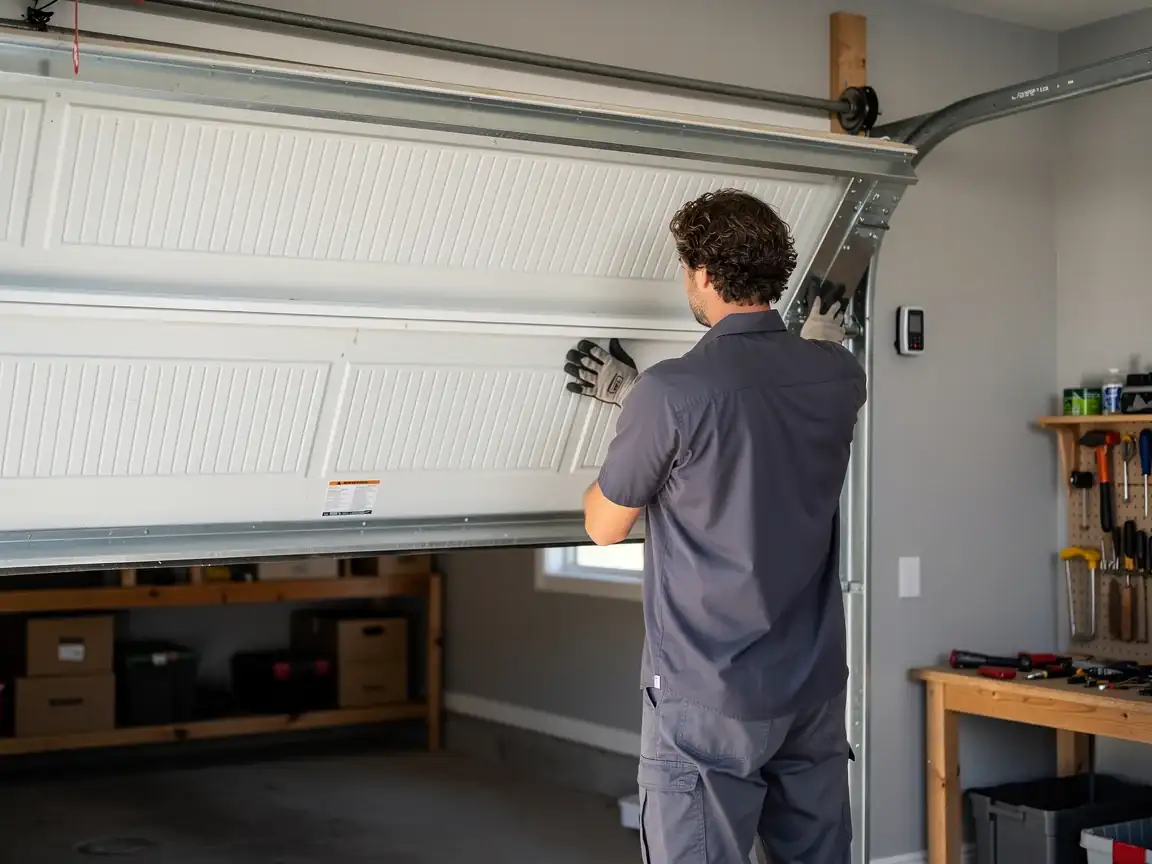
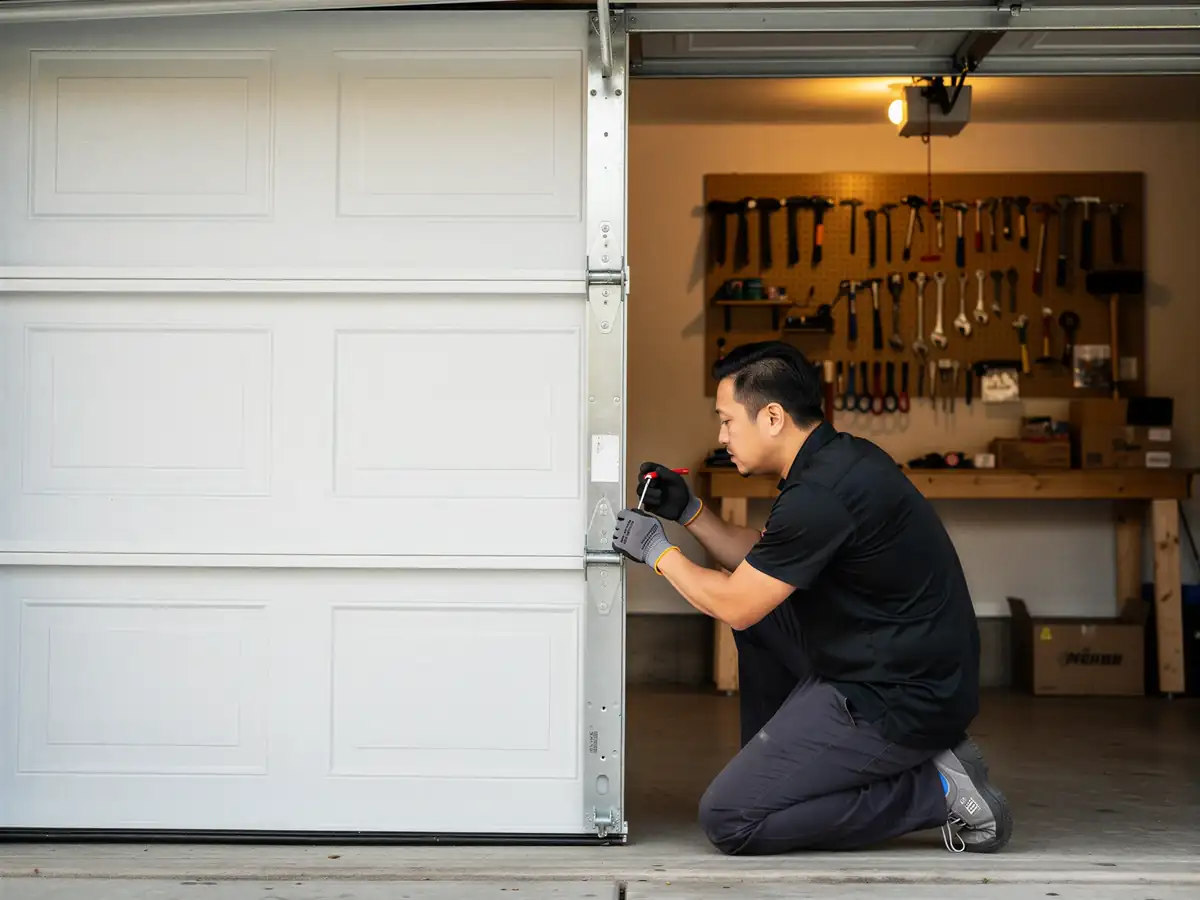
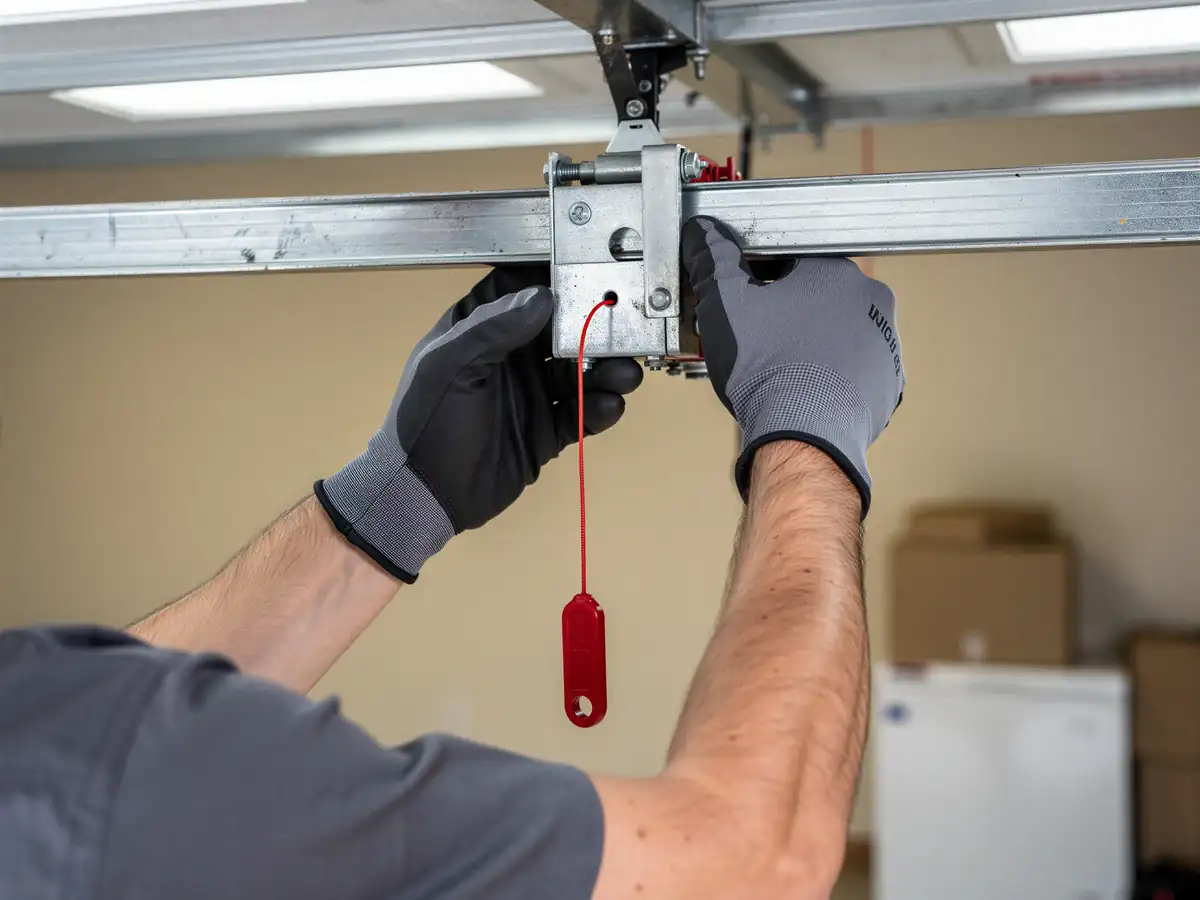
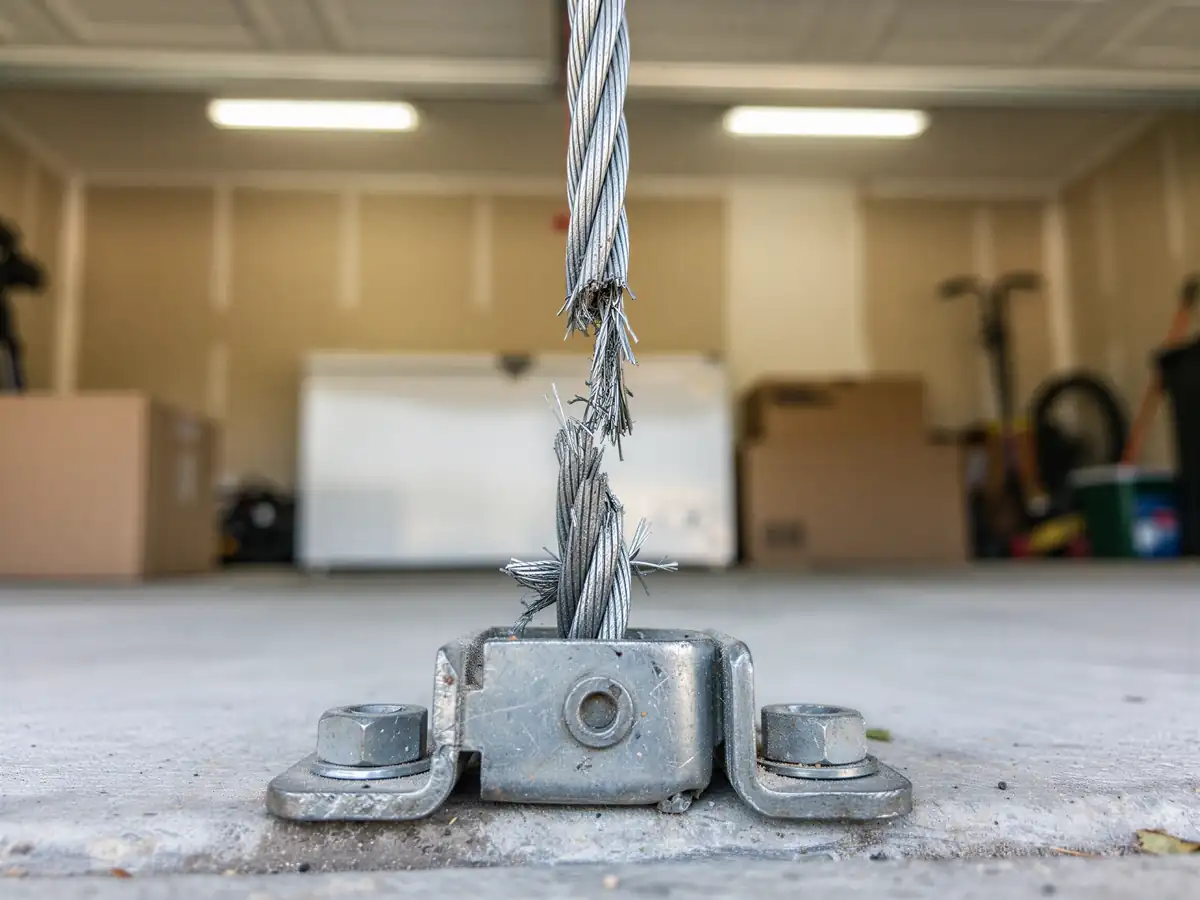
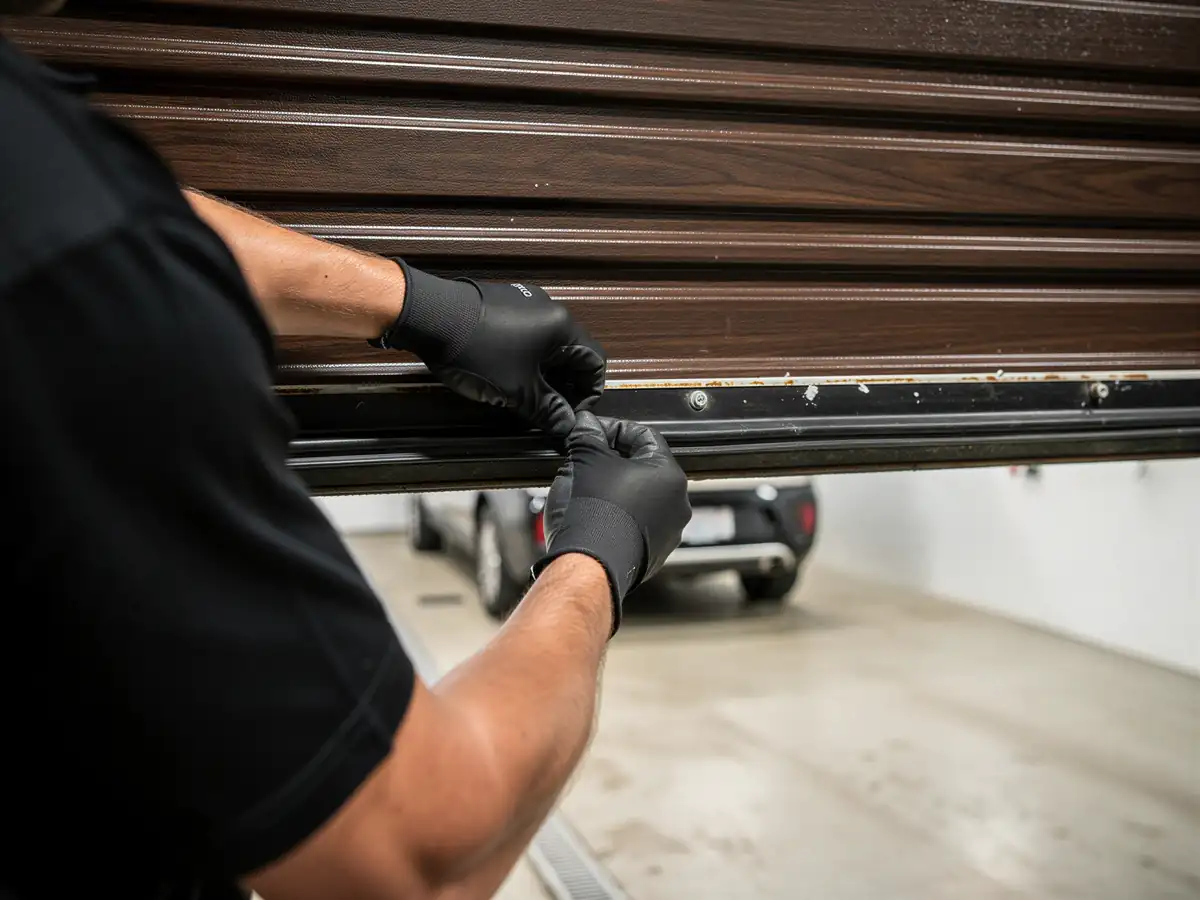
We pull the door down to a safe working position, release tension on the cables if the door's under spring load, and walk the track top to bottom checking for rust pitting, bent rail, and dents - all of which chew up a new roller just as fast as the old worn one did. If the track's sound, we pull the old rollers out of the hinges one at a time, working bottom to top so the door stays supported.
New rollers go in nylon with sealed bearings as the default, since they run quieter and don't need the periodic oiling steel rollers do. We lubricate the track and hinges while we're in there, check the hinge screws for stripping - common on doors from the 1990s where the jamb wood has dried out over the decades - and cycle the door a dozen times watching for drift or binding before we call it done.
If we find a cracked stile or a hinge pulling loose from the panel, we'll tell you before we start, not after. That's a separate repair, and it changes what the job costs.
How Long It Takes
A straightforward roller swap, ten rollers, no track damage, takes under two hours once the truck is on site
The drive is the bigger variable here - Zapata sits about 44 miles from our Laredo base, so figure that into when you can expect us, not into how long the repair itself takes.
- 44 miles
We stock the rollers on the truck, so we're not waiting on a parts order for the common sizes
Where it stretches out is if the track turns out bent or the hinges are stripped - that adds parts we may not carry in every size and can push a same-visit fix to a second trip.
Where This Job Goes Sideways
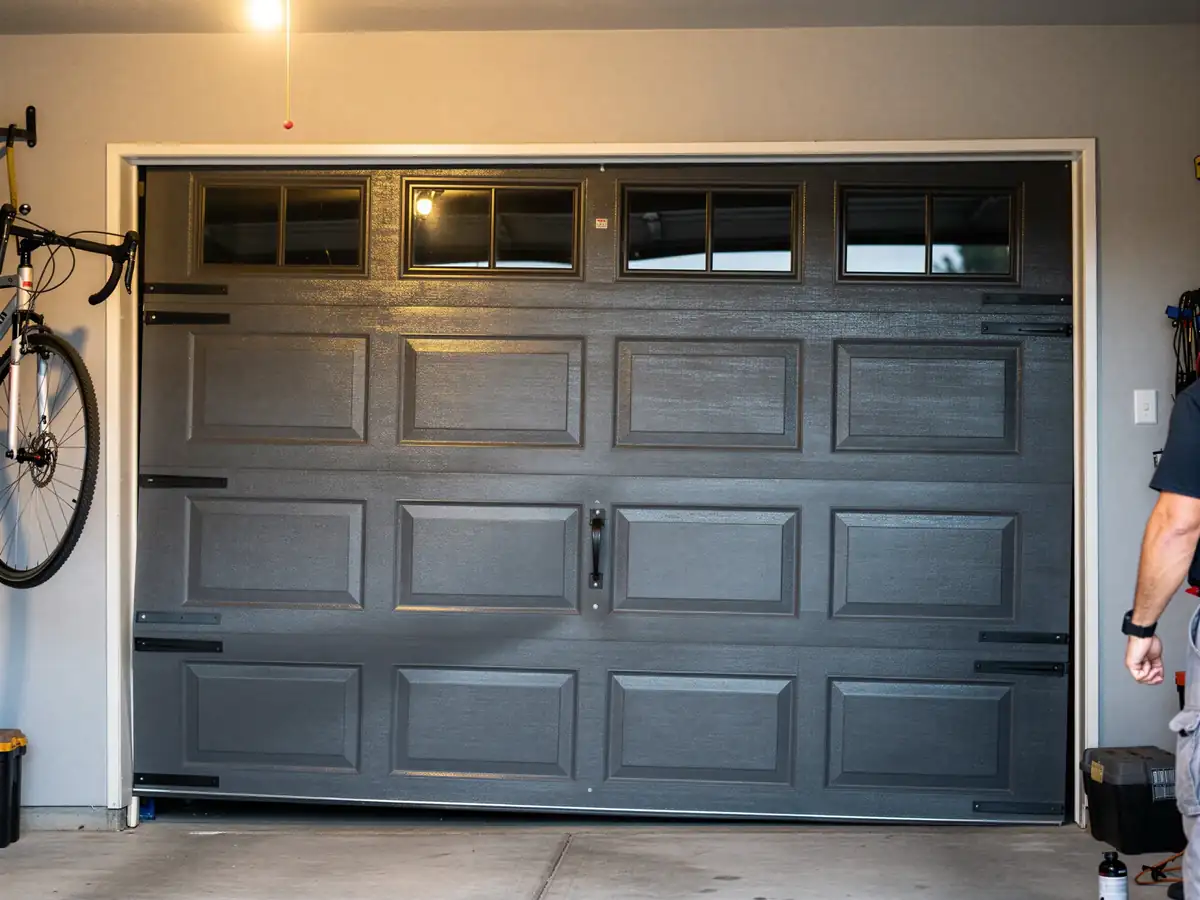
The job goes wrong when someone treats a track problem as a roller problem. If the door is off-plumb, racking side to side as it travels, or the track itself is visibly bowed, new rollers will wear out again in months, not years, because they're riding in a rail that's no longer straight. We check for this before we quote, and we'd rather tell a homeowner the real problem than sell rollers that won't hold.
The other place it goes sideways: rollers on a door that's also carrying a weak or worn spring. A spring that's losing tension makes the opener work harder to lift the door, which puts uneven load on the rollers and chews them up faster than normal use would. Replacing rollers without addressing a tired spring just means a return call sooner than it should be. We'll flag both if we see both - we won't quote one and ignore the other.
Stocked Parts
We carry standard nylon rollers with sealed bearings in the common stem lengths and roller diameters used on residential doors from the 1980s through today, which covers the bulk of what's in Zapata given the build era here. We also carry a smaller stock of steel rollers for the rare case where a homeowner wants to match original hardware on an older door rather than upgrade to nylon.
What we don't carry on the truck: oversized commercial rollers, and specialty hinges for door brands that have gone out of production. If your door needs one of those, we'll tell you on site and order it rather than guess at a fit.