Why It Happens Here
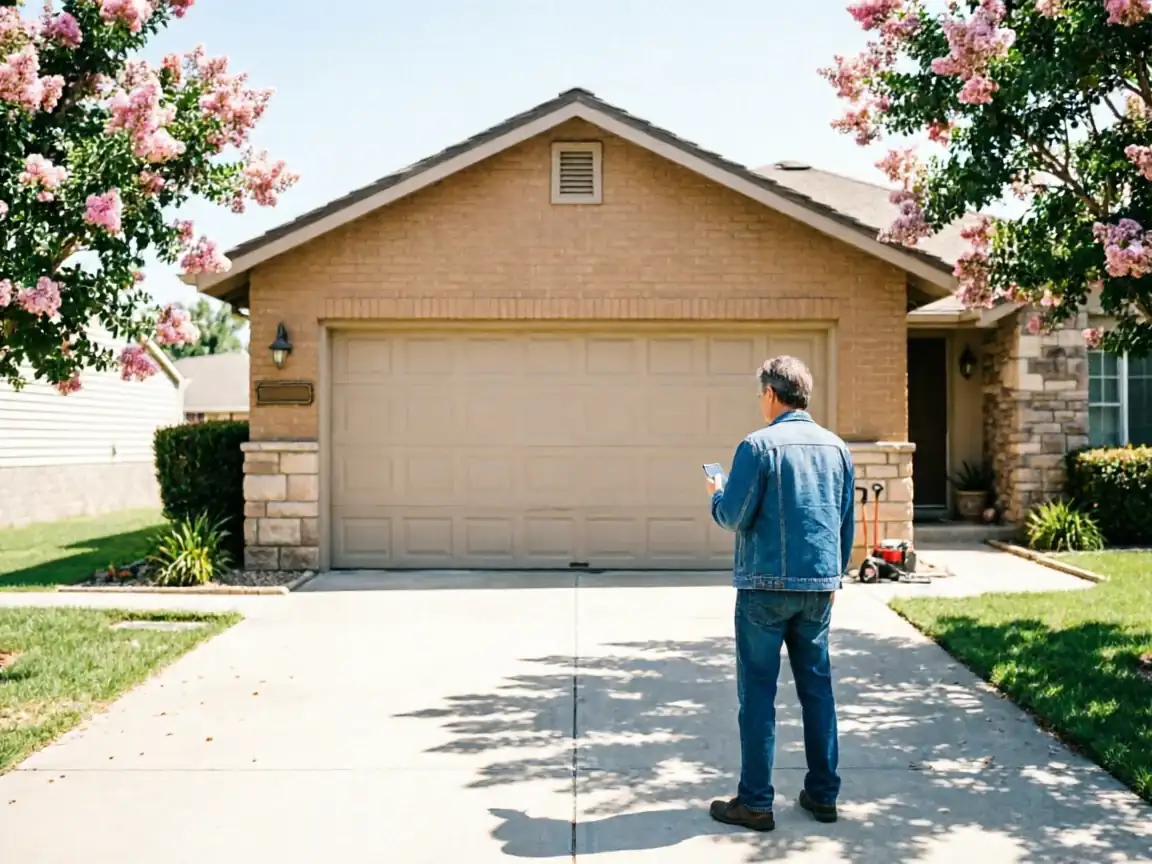
Most houses in Zapata went up around 1992, and that year matters more than people think
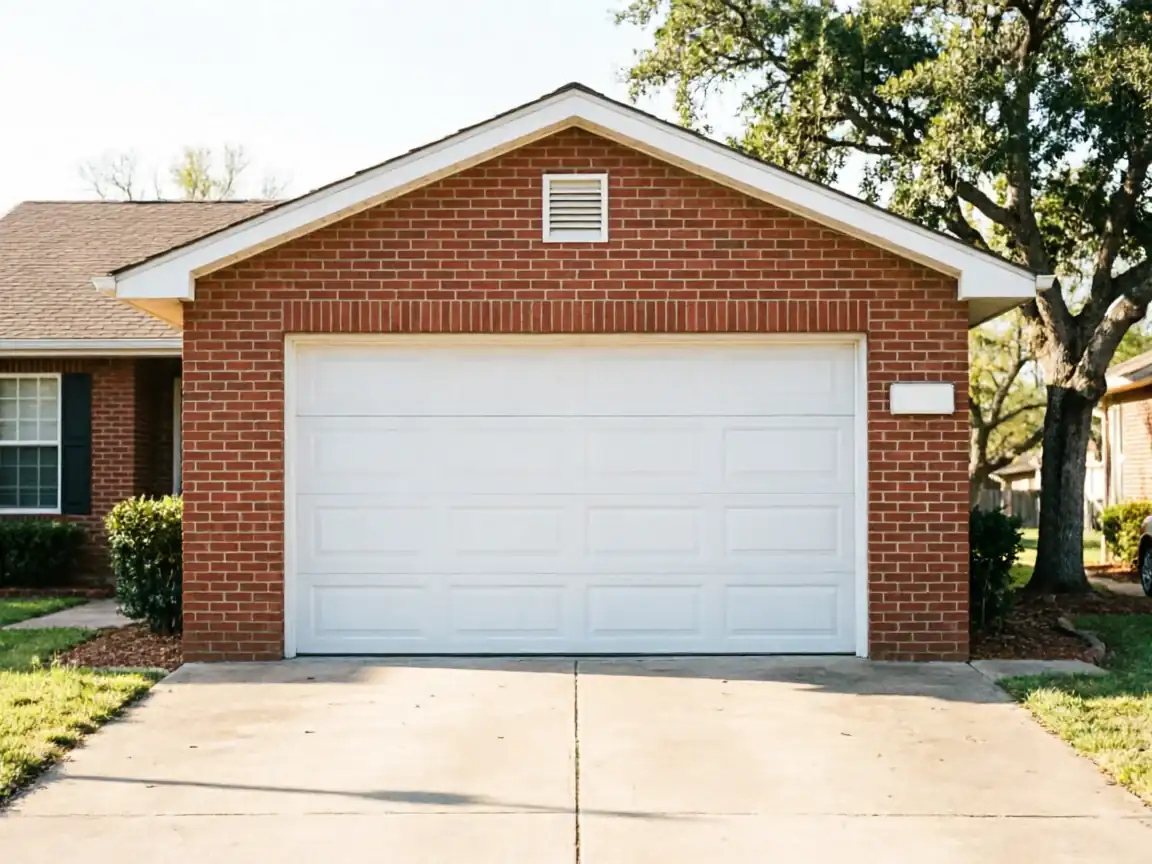
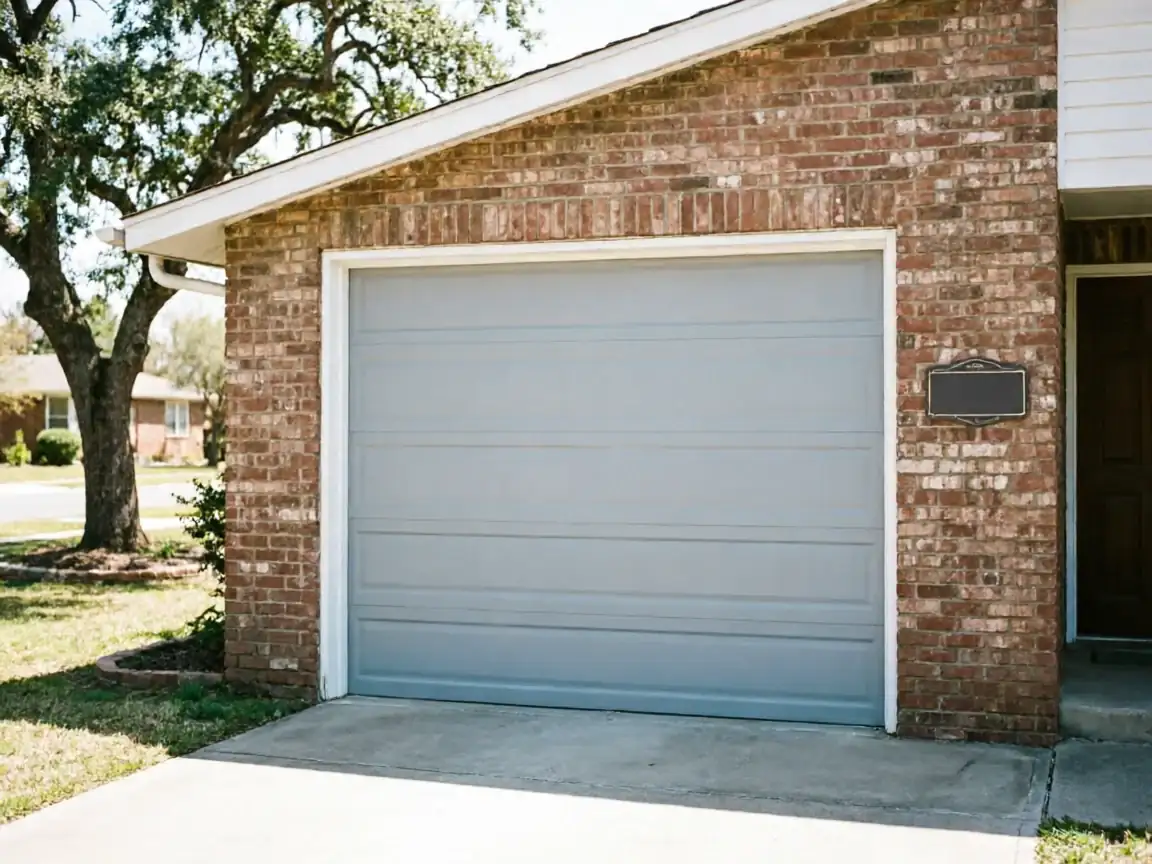
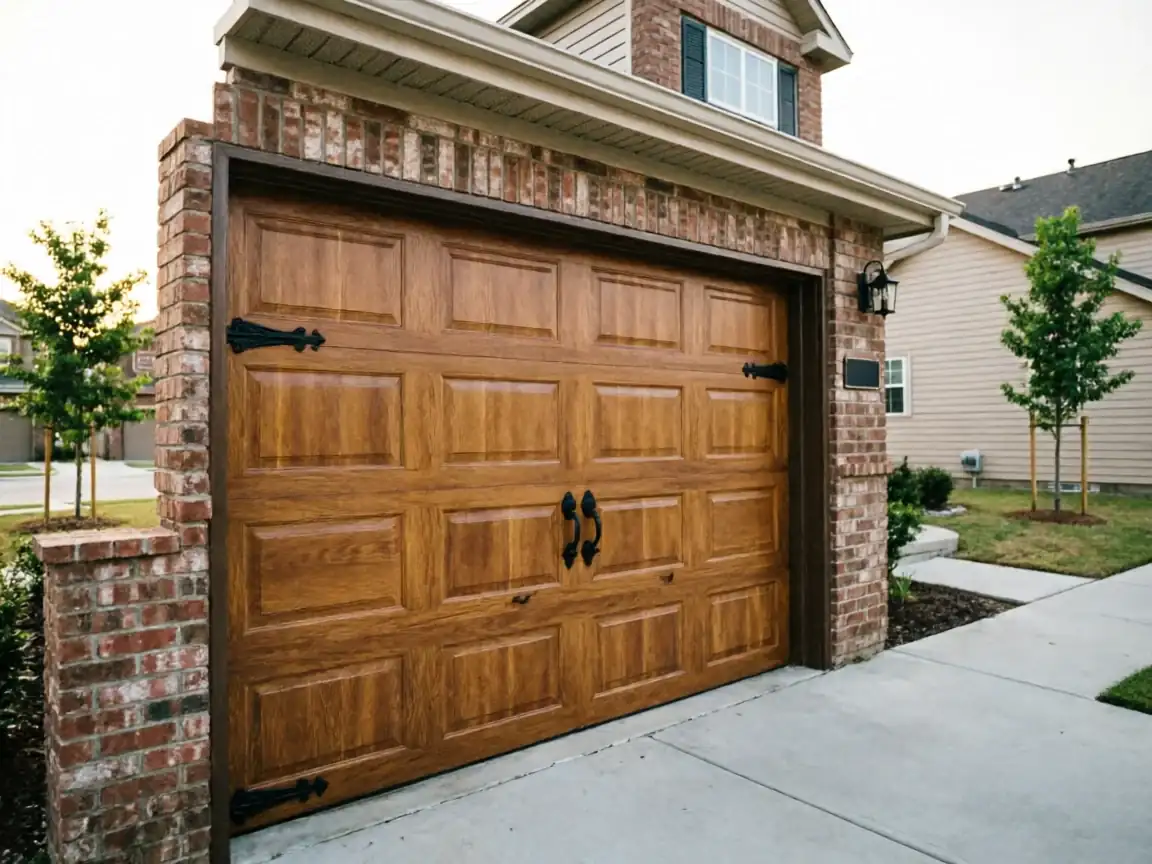
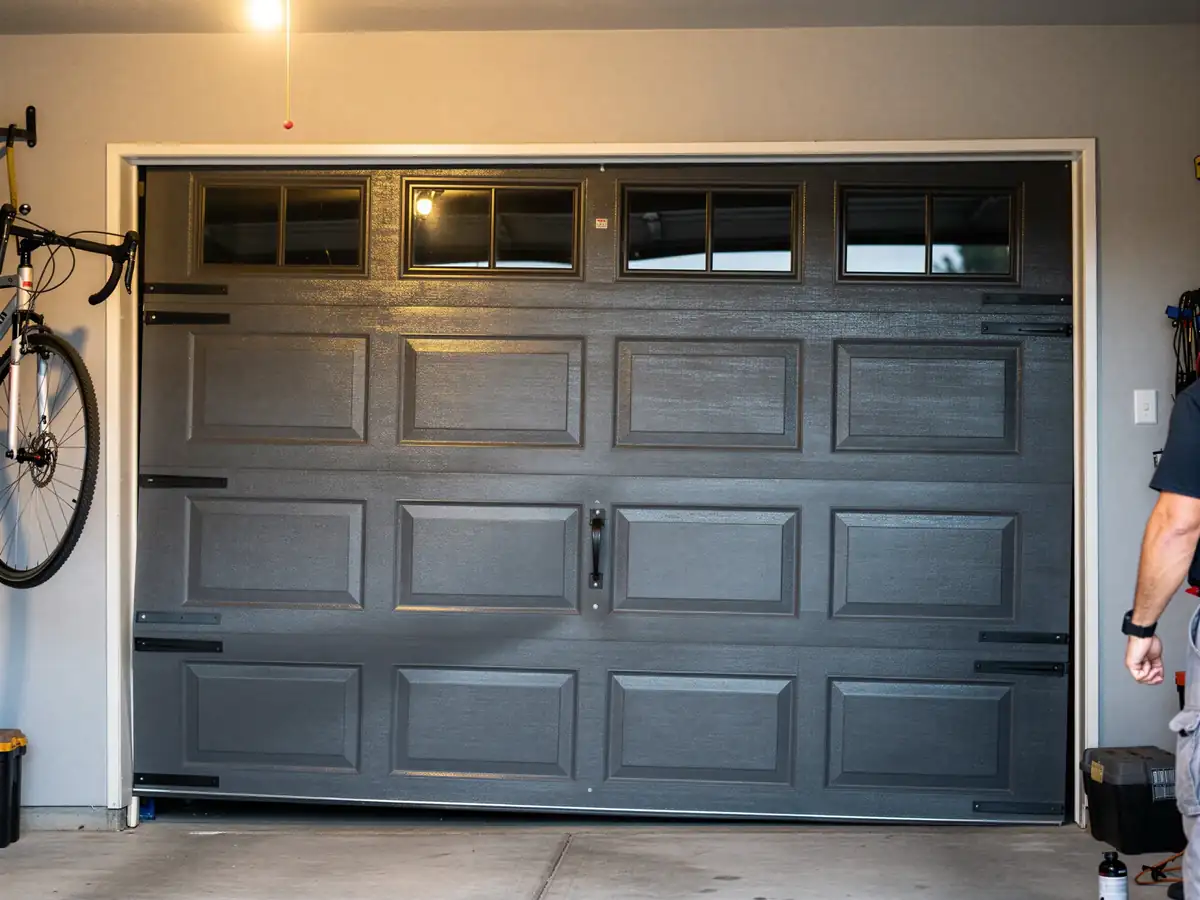
By the early '90s, steel sectional doors on torsion spring systems had become the standard build-out, replacing the older single-panel tilt-up doors that were common a decade earlier. If your house falls into that wave, you likely have a torsion door that's now over 30 years old, which is past the working life of the springs and often the opener too.
- 30 years
The broader area this company covers is mostly 1980s and 90s stock across its named communities
And Zapata fits squarely in that window. What that means in practice: the opening size, the spring count, and the drum setup on your door are probably original to the house, sized to whatever the builder spec'd three decades ago. New doors built today run different gauge steel and different spring ratings, so a straight swap isn't always straight.
Add in the area's severe-heat climate band
And you get a second reason doors here wear out early. An uninsulated steel door from the early 90s does nothing to block heat radiating into the garage, and on a door that size, that heat load pushes against the opener motor and the seals every single day. That combination - old hardware plus heat stress - is usually what brings someone to a new install instead of another spring swap.
The Cost of This Job
We don't have a flat number to quote here, and pretending otherwise would be dishonest. Cost on a new install depends on door size, insulation level, and whether the opener gets replaced in the same job - and those three things vary house to house even within one neighborhood.
What we can tell you is what drives the number up or down. A single door costs less than a double. Insulated steel costs more than uninsulated, but given the heat band Zapata sits in, insulation is usually worth the difference over a few summers of lower garage temps. Keeping the existing opener if it still has life left in it saves money versus replacing everything at once.
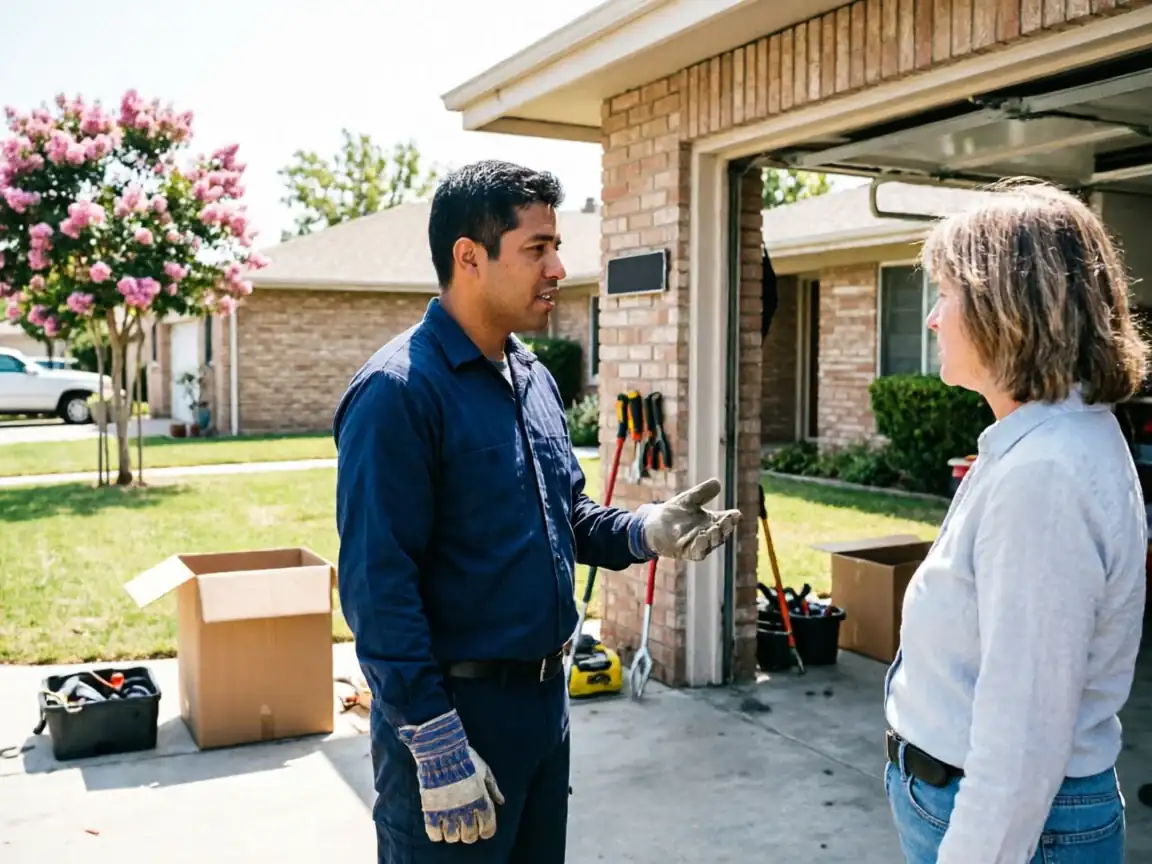
Median household income in Zapata runs around $37,653, noticeably below the income level across the wider area this company serves. We mention that because it shapes how most jobs here get scoped - owners tend to ask for the door that solves the actual problem (a worn-out 30-year-old door) rather than every upgrade available. That's a reasonable way to approach it, and we'll walk through options rather than push the top of the line.
How We Fix It
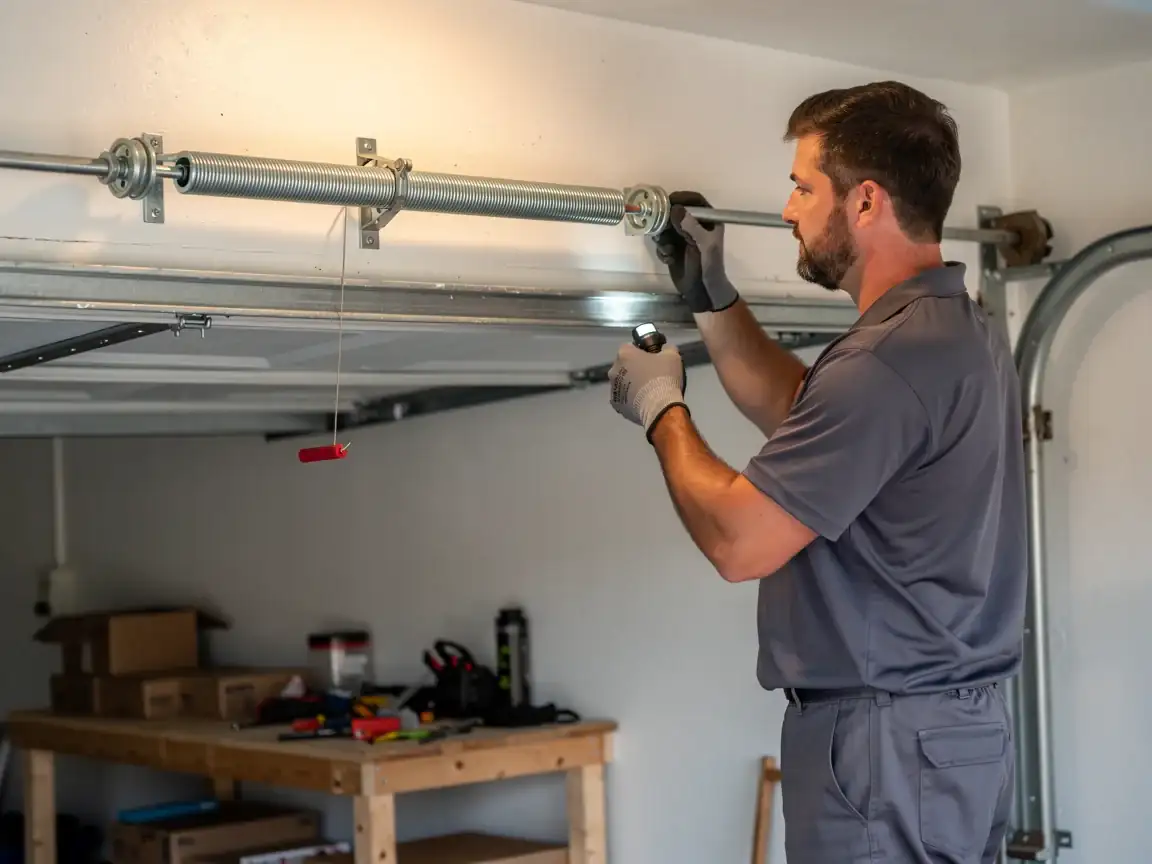
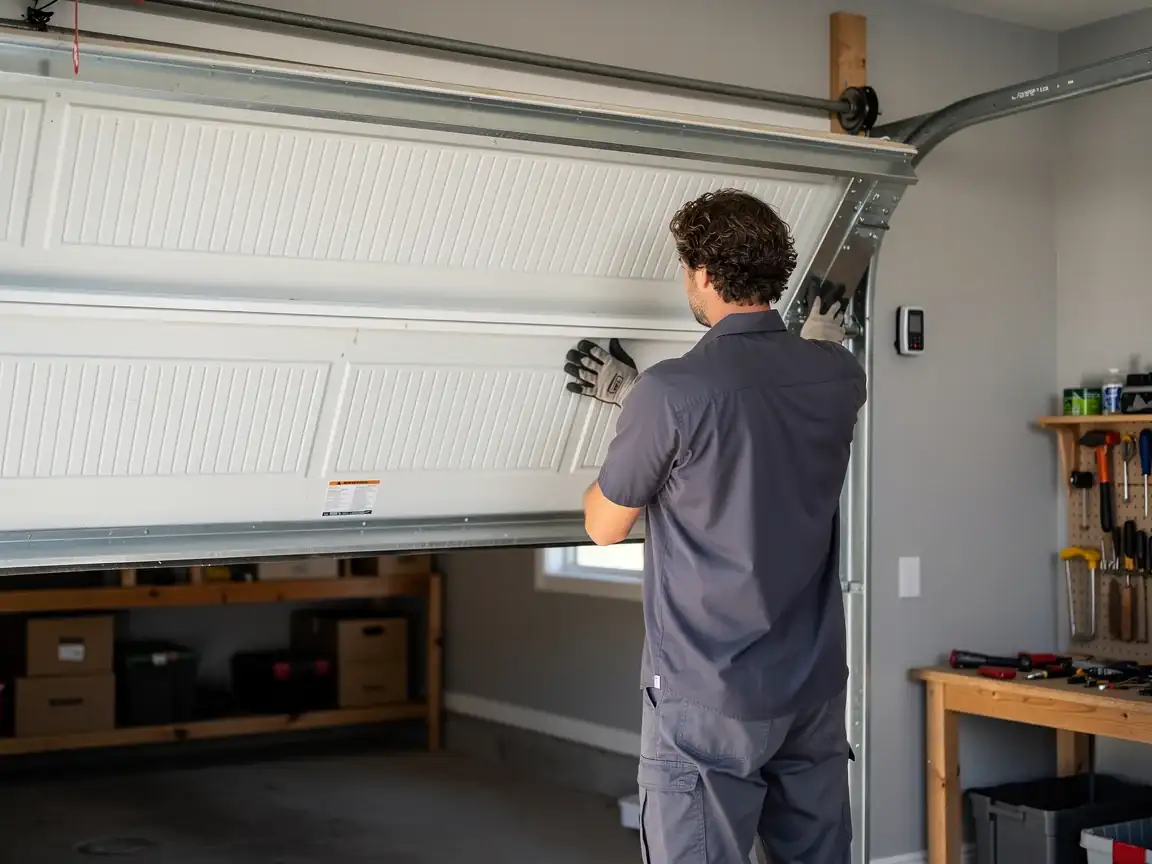
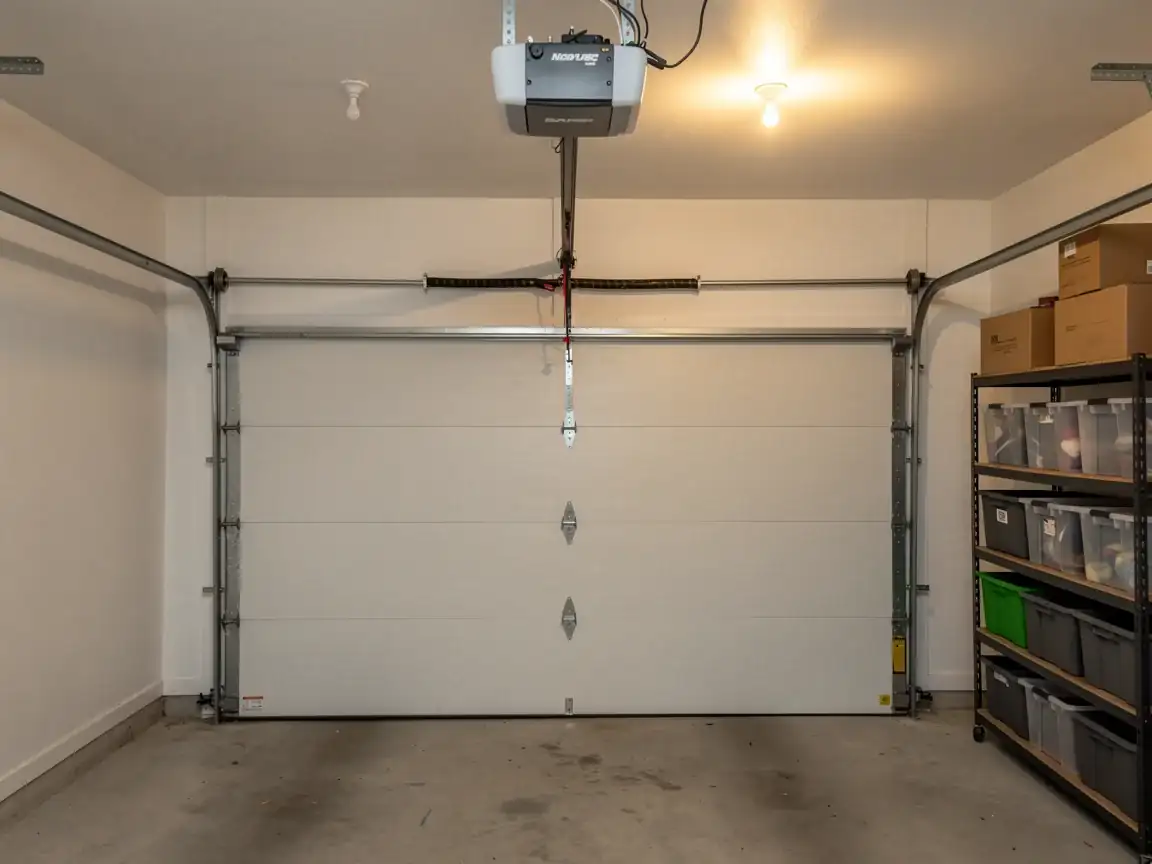
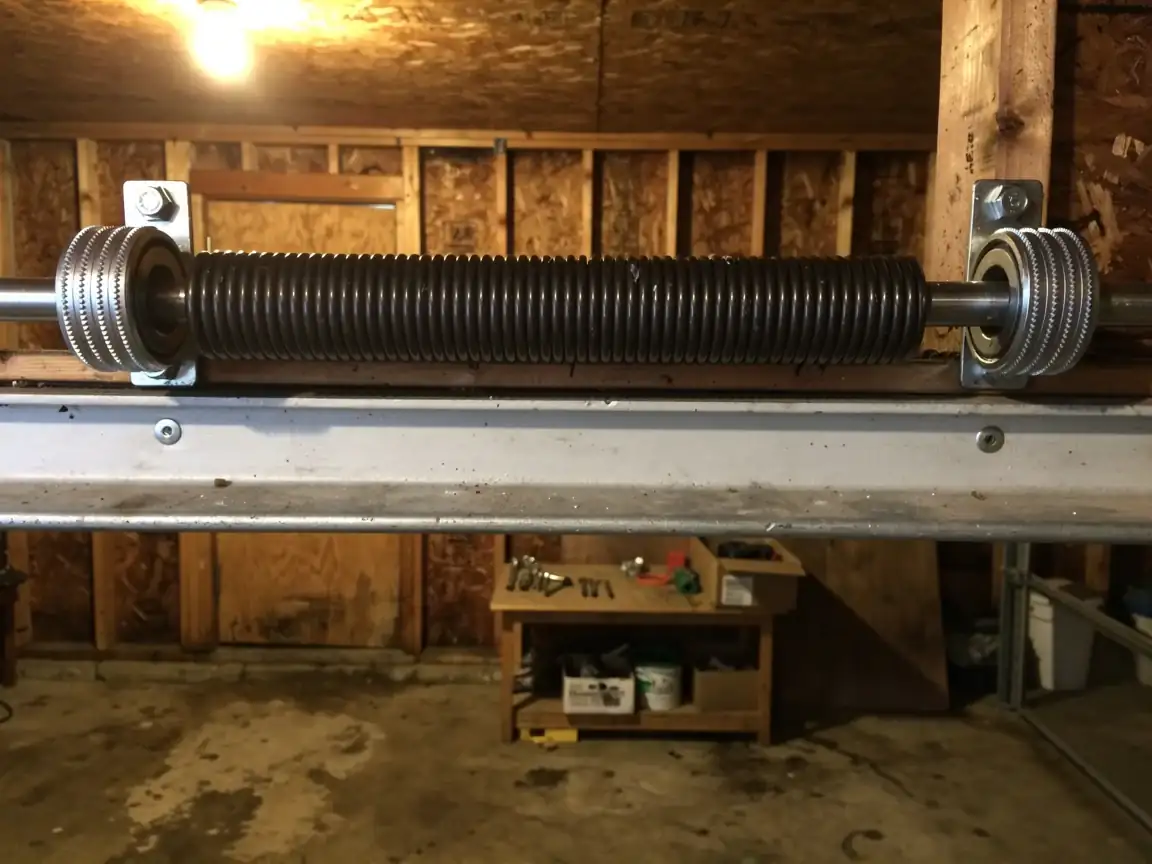
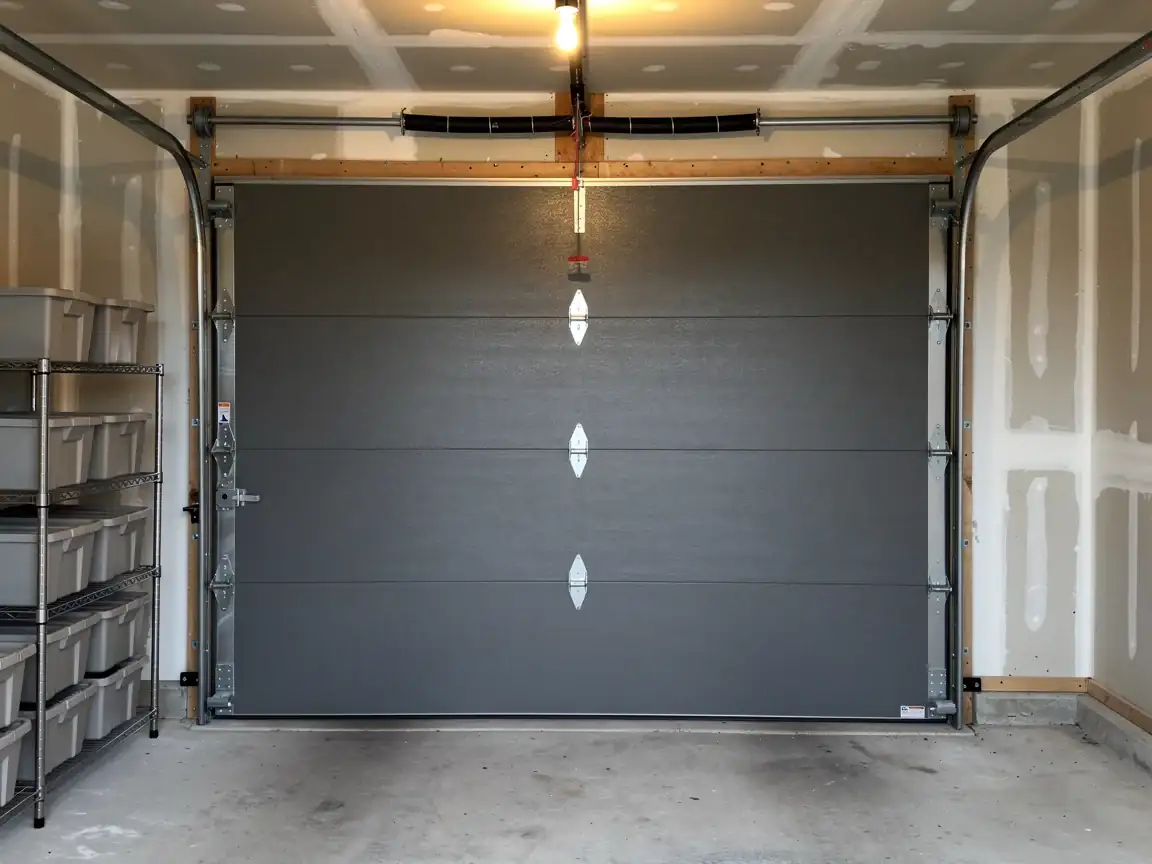
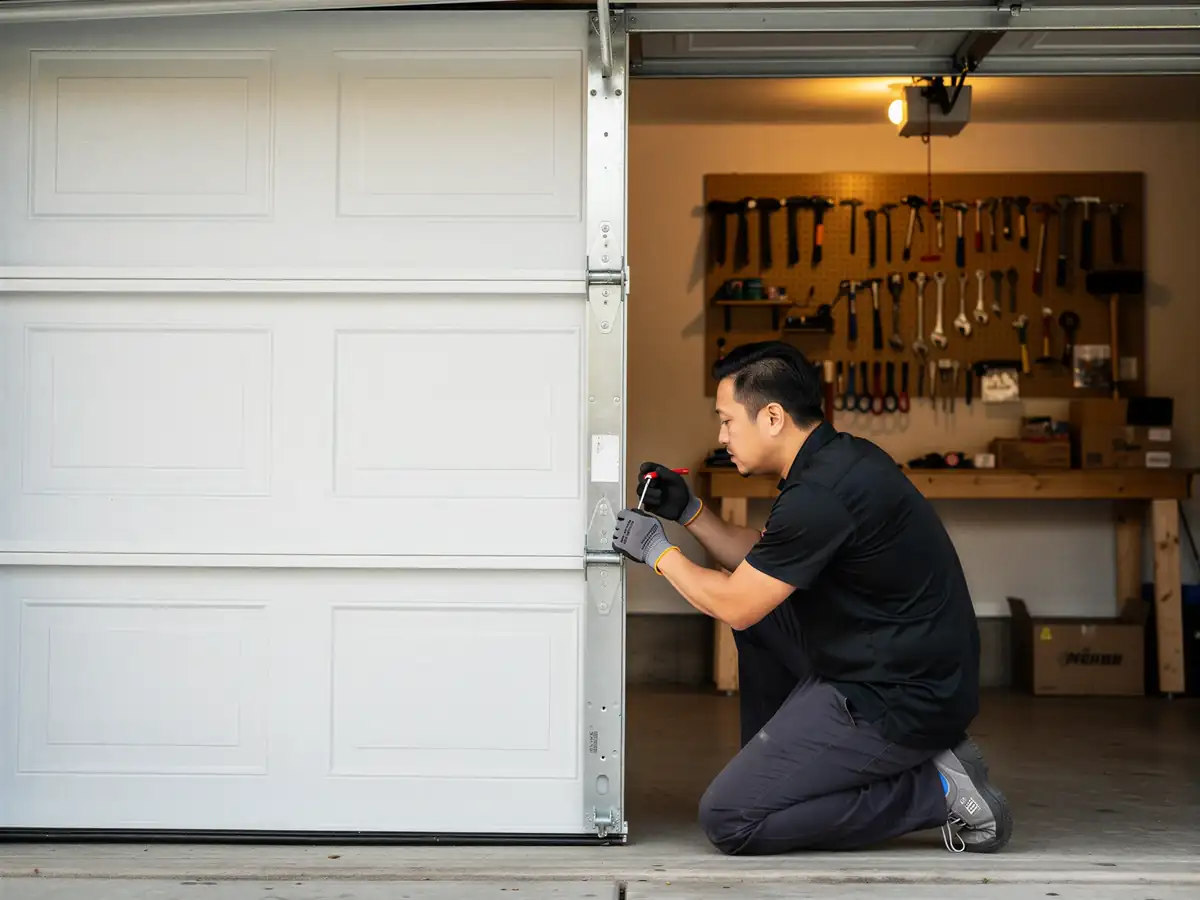
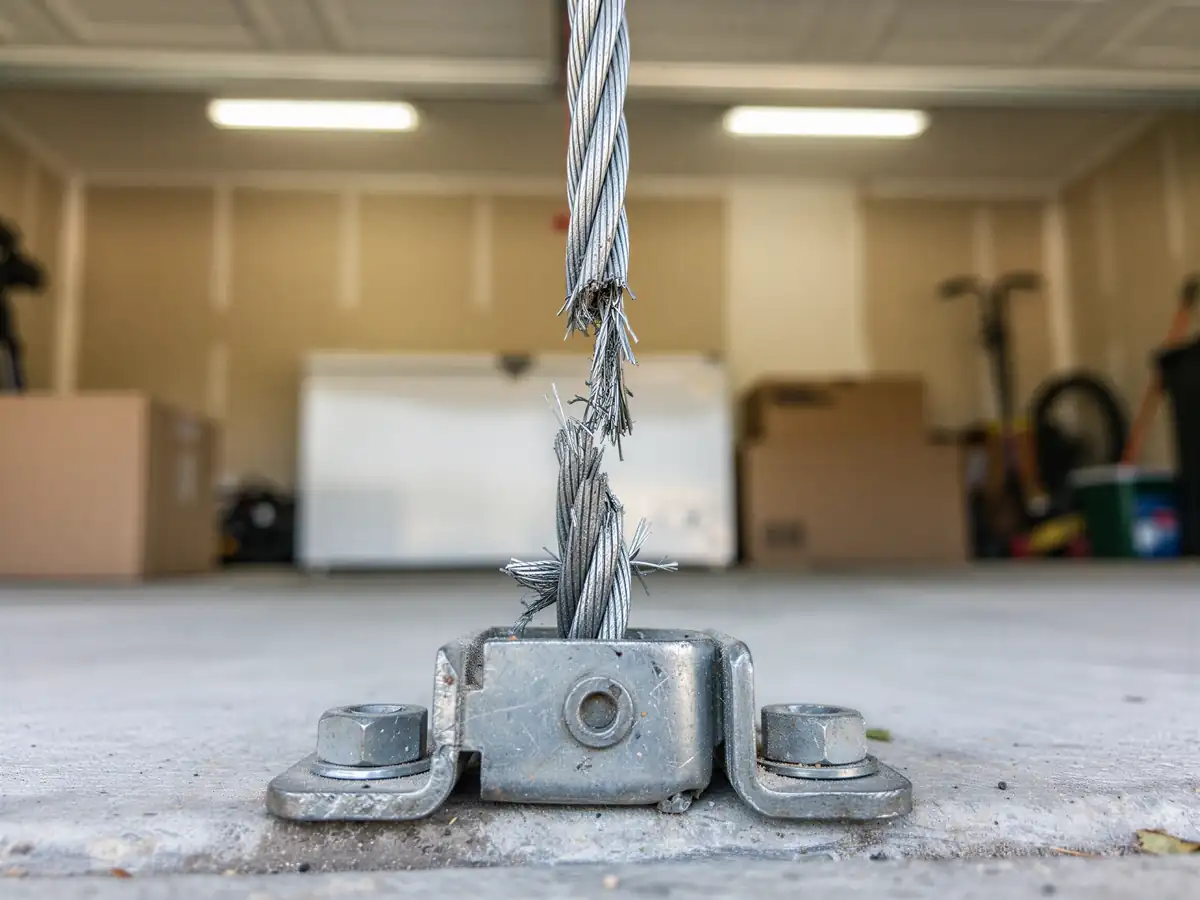
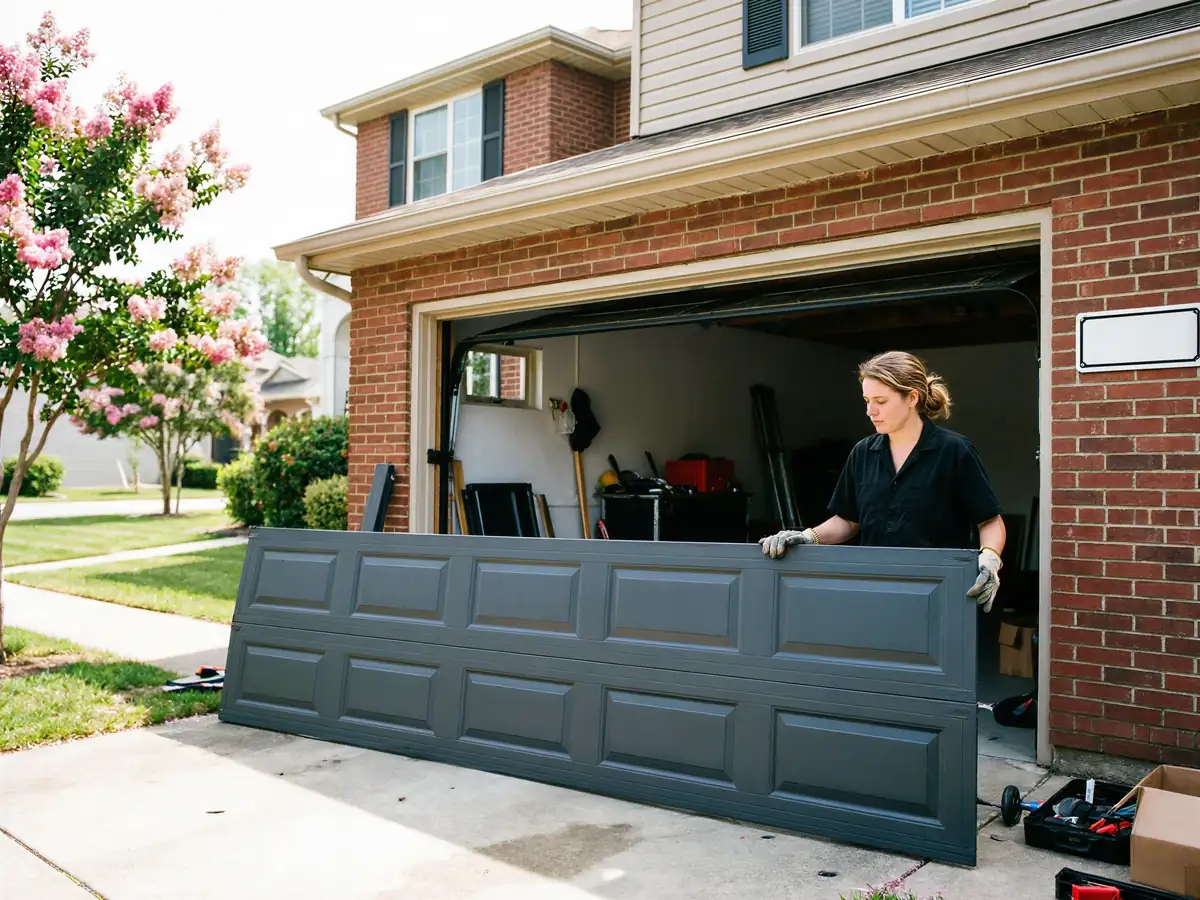
A new install starts with pulling the old door, track, and typically the torsion spring assembly, since reusing 30-year-old springs on a new door isn't something we'll do - the cycle life just isn't there. We measure the opening fresh rather than trusting the old door's dimensions, since framing settles over three decades.
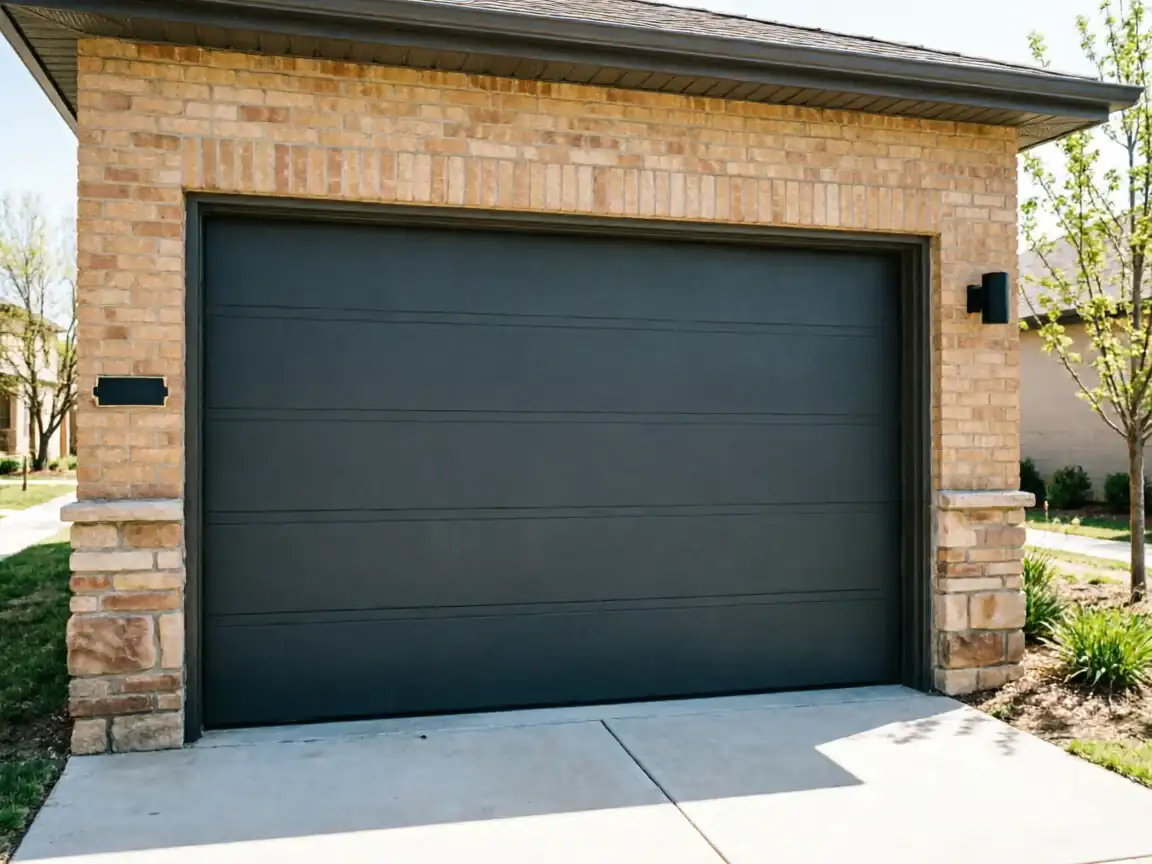
For Zapata specifically, given the severe-heat climate band, we lean toward insulated steel sections unless the owner has a reason not to. Insulation matters here less for cold (not a concern) and more for keeping attached-garage heat from bleeding into the house through a shared wall, which is a real issue on a lot of the 1990s floor plans in this area.
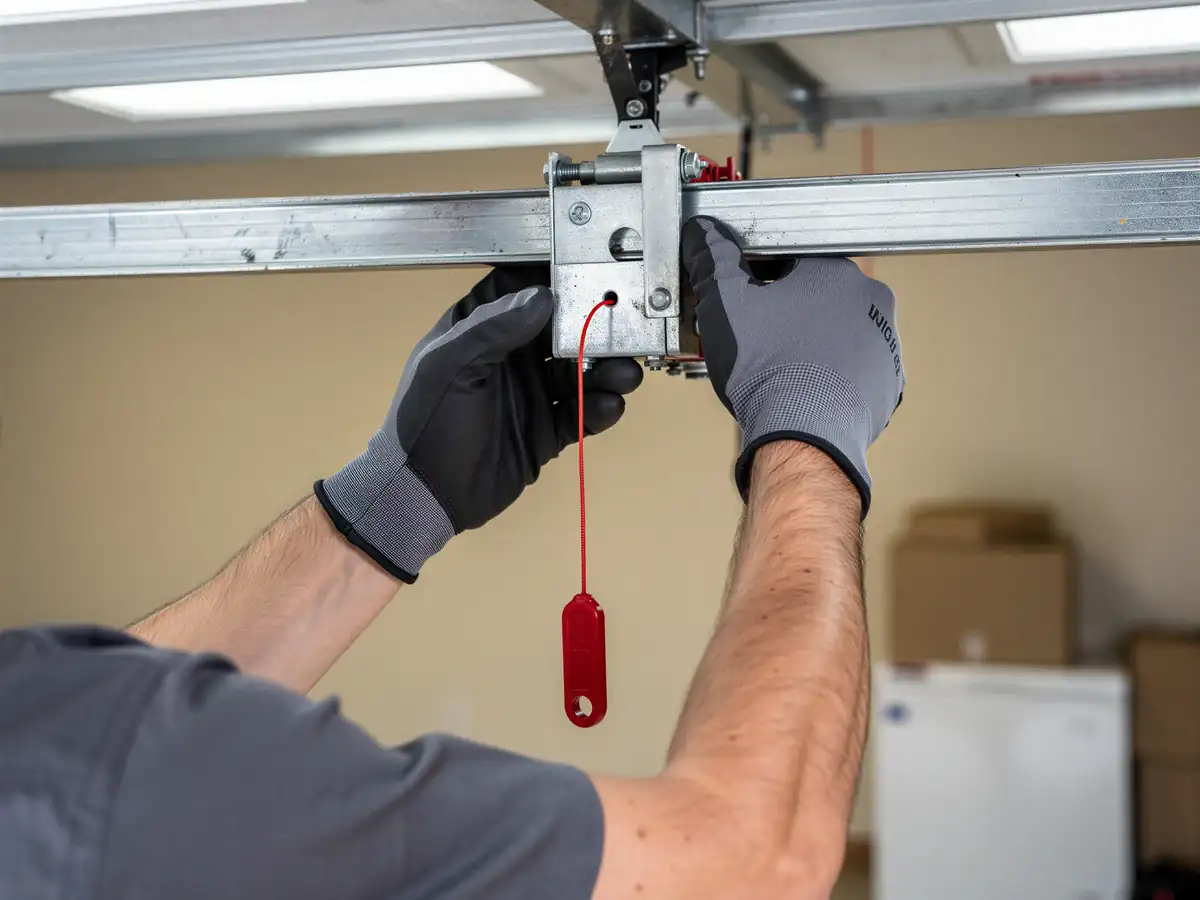
New torsion springs get sized to the actual door weight, not guessed from the old setup. If the opener is also coming out, we set it with a lock on the chain or belt drive depending on what's already wired, and test the whole assembly under load before calling the job done. We don't cut corners on the balance test - a door that isn't balanced right will eat the next opener too.
How Long It Takes
Zapata sits about 44 miles from Laredo
Which is one of the longer trips on this company's route - farther than Los Fresnos at 18 miles, closer than Hebbronville at 52. That distance doesn't change how long the install itself takes, but it does mean the truck gets loaded for everything the job needs before leaving Laredo, since there's no quick trip back for a forgotten part.
On site, a standard single-door swap with torsion springs usually runs a few hours
A double door with insulation and a new opener takes longer. We won't promise a specific window here because every house and every old setup is a little different - a door that's been limping along on a bent track takes longer to clear out than one that's just worn.
What we will say: because of the distance
Scheduling a Zapata job usually means picking a day rather than a same-day call. That's just the geography of covering a wide service area from one base in Laredo.
Where This Job Goes Sideways
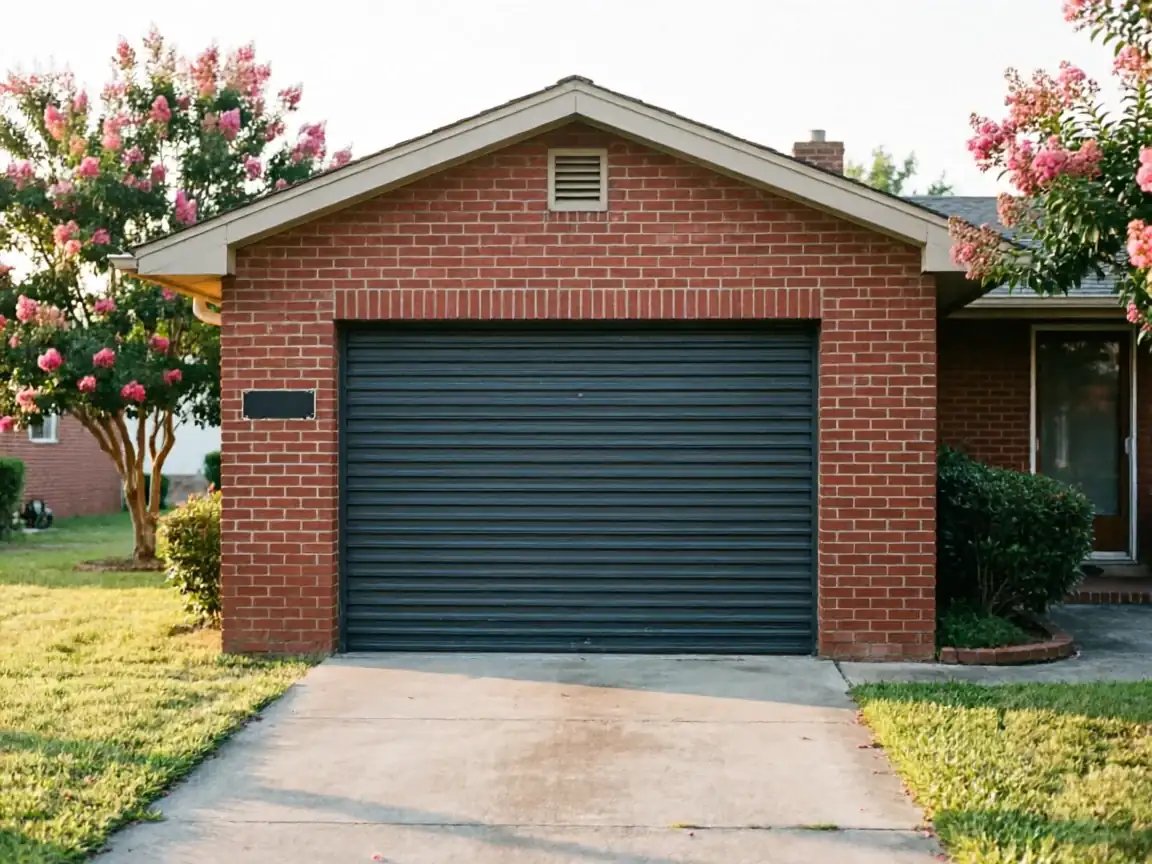
The most common surprise on a Zapata install is the opening itself. Houses built in the early 90s sometimes have narrower rough openings than what's standard on new doors today, which means a replacement isn't always a drop-in - the frame or jamb may need adjustment, adding time and cost that wasn't in the original estimate.
The second issue is wiring. Openers from that era were often set up on a single outlet with no dedicated circuit, and some garages never got GFCI protection added later. If the opener's power setup doesn't meet current code, that's a conversation before we install anything, not after.
The honest limitation here: if the header framing above the opening has sagged or the track bolts have pulled loose from old masonry, that's a carpentry or structural fix outside a straight door install, and we'll say so rather than install over a problem that'll just come back. We'd rather flag it than hand you a door that fails in a year because the frame behind it wasn't sound.
Stocked Parts
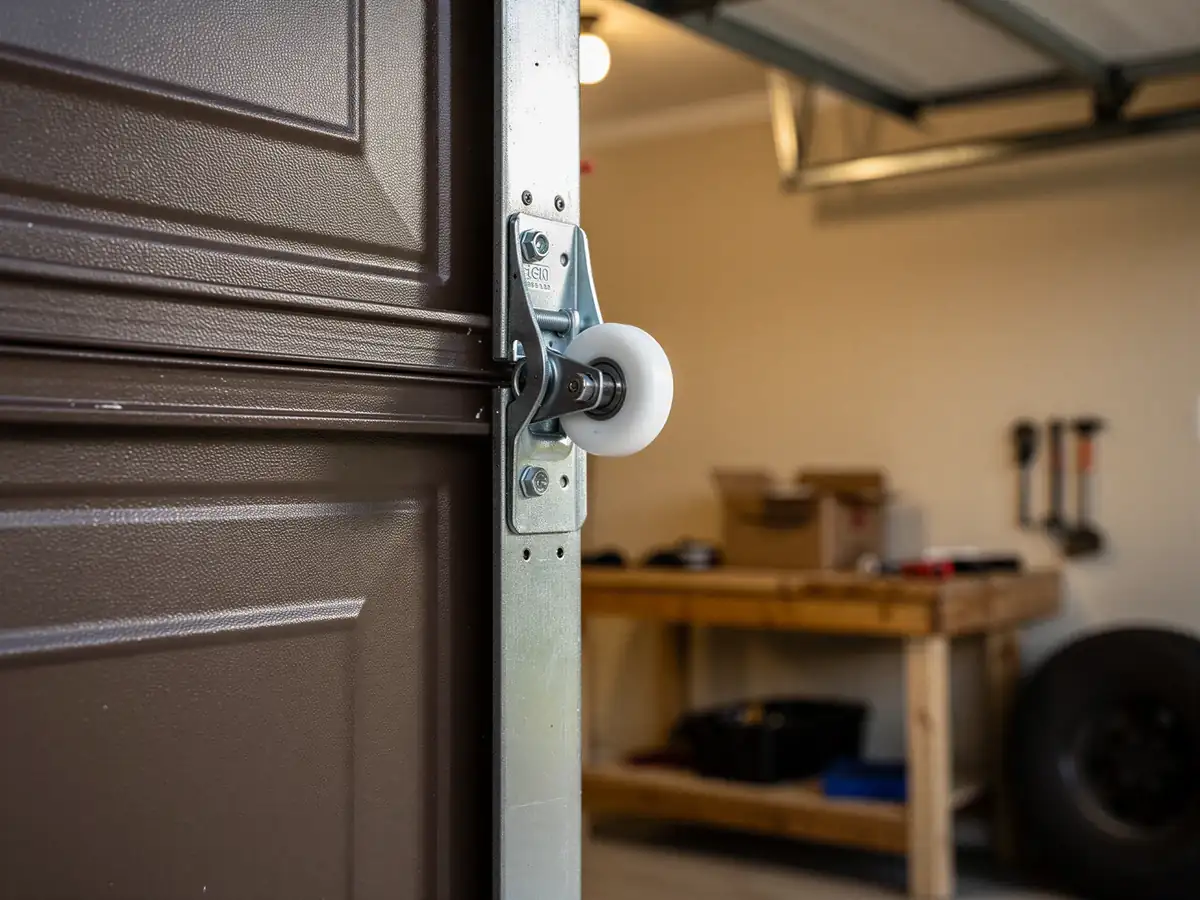
The truck carries common torsion springs, standard track hardware, and rollers sized for the door widths that show up most often on 1980s-90s construction, which covers a good share of Zapata jobs without a special order. Standard-width insulated steel panels in common sizes are usually on hand too.
What isn't always on the truck: odd or custom door widths, specialty opener models, and anything that has to be special-ordered from a manufacturer. Given the 44-mile distance from Laredo, a part that isn't stocked means a second trip rather than a same-day fix, so we try to nail down the exact size and spec on the first visit rather than guess and come back twice. That's a real limitation of covering a job this far out, and we'd rather tell you upfront than promise a turnaround we can't guarantee.