Why It Happens Here
Zapata is a small town by the numbers
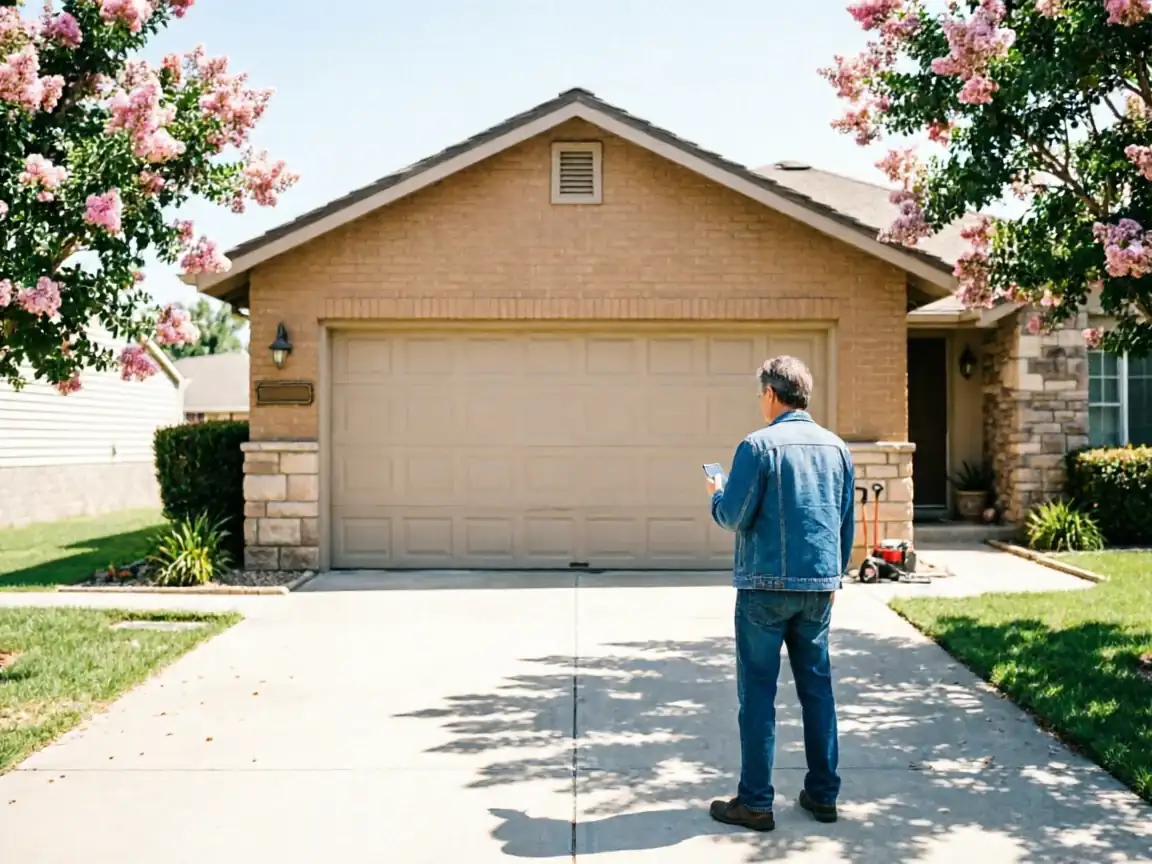
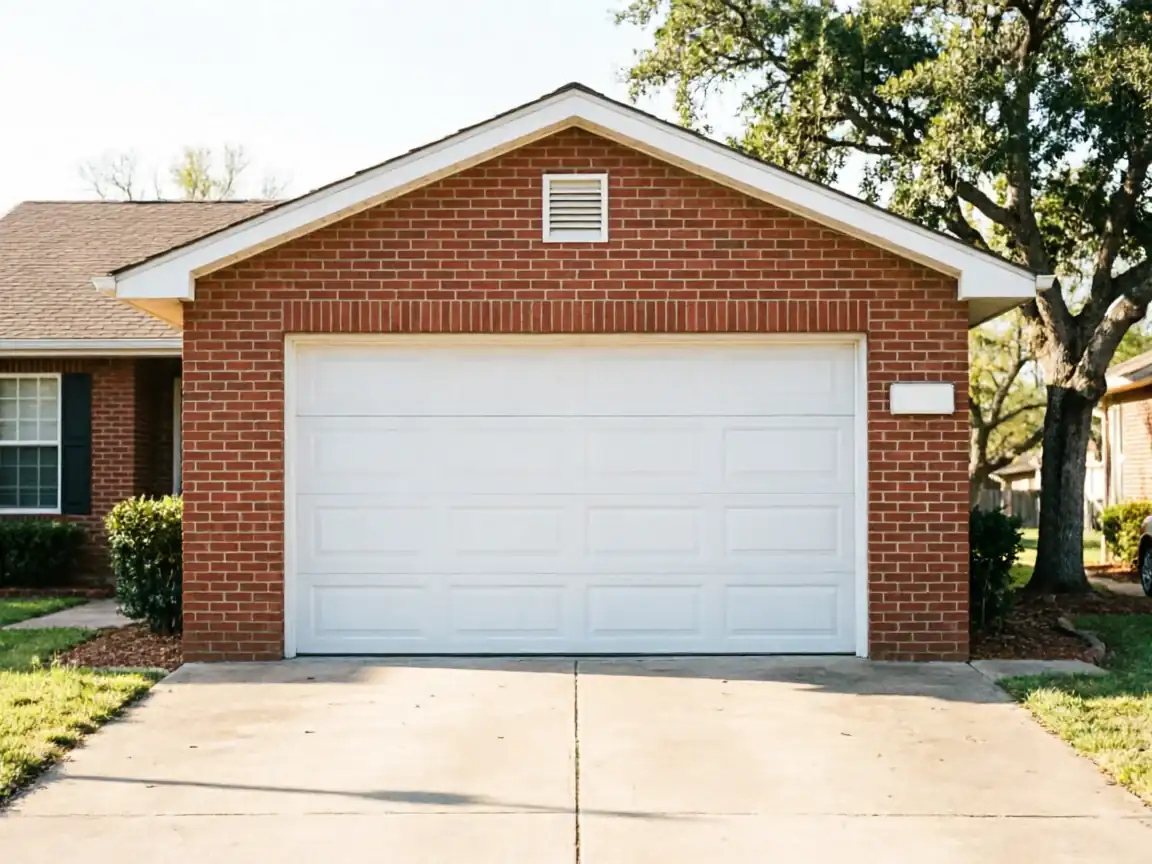
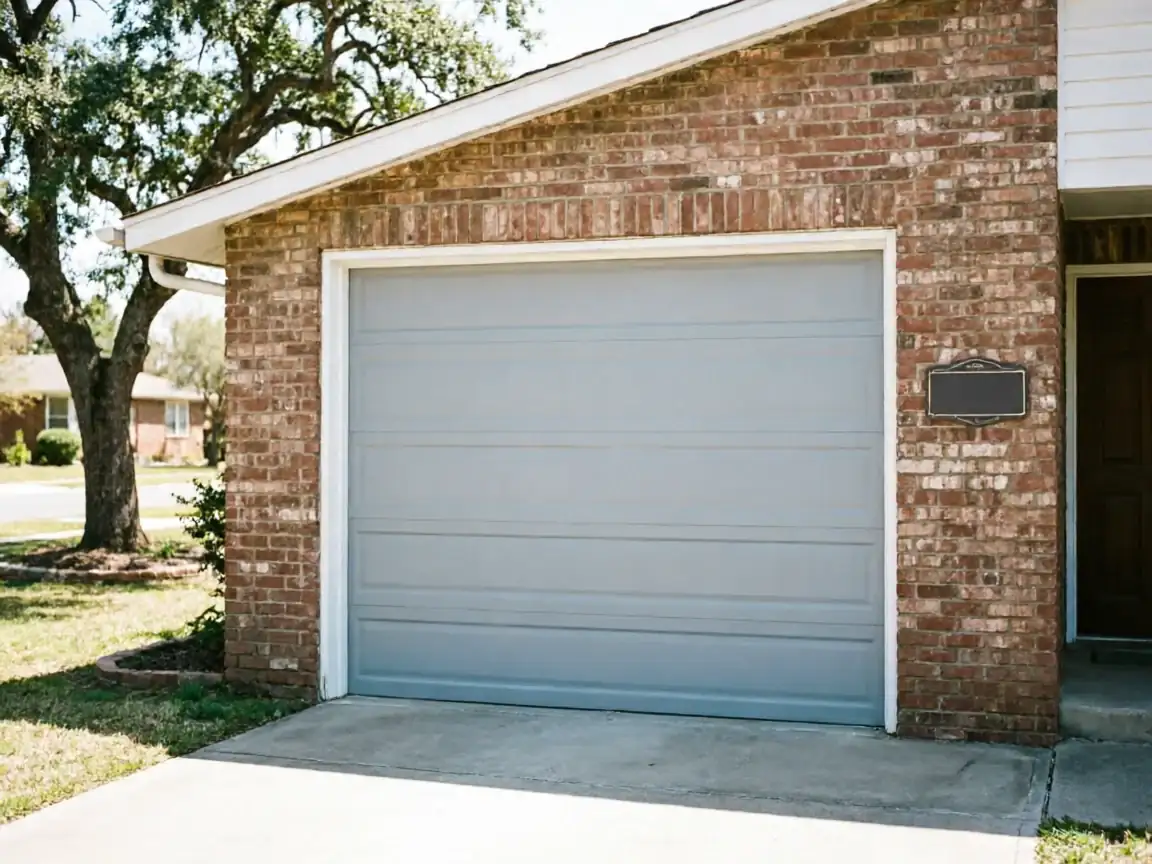
About 1,953 households, most of them in houses built around 1992. That's not a huge call volume, but it's a consistent one, because nearly everyone out here is running hardware from the same narrow build window. Springs, openers, and track sized for that era are reaching the point where lubricant has broken down and metal fatigue starts to show.
- 1,953 households
The region sits in a severe heat band
And heat is hard on garage doors in ways owners don't expect. It's not just the door skin expanding and contracting - it's the grease in the rollers thinning out, the opener's gears running hotter under load, and torsion springs losing temper faster than they would in a milder climate. A door that's fine in spring can start binding or slamming by August, and it's almost always the same handful of parts giving out: the spring, the rollers, or the opener's drive gear.
Because the housing stock here is so uniform in age
The maintenance call pattern is uniform too. We're not guessing at what's failing - a 1992-built door in this heat has a short list of likely problems, and that's what we check first.
The Cost of This Job
Zapata's median household income sits at $37,653, noticeably below the income level across the wider service area. That matters for how we approach maintenance here: it's not a job where we push a full hardware swap when a cleaning, lubrication, and a spring tension check will buy another couple of years.
We don't have a published price list for this page, so we won't quote a number we can't back up. What we will say is that a maintenance visit is cheaper than the emergency call it prevents - a seized roller or a spring that lets go under load usually turns into a same-day repair instead of a scheduled one, and that's a worse bill no matter the town.
For a household budget like Zapata's median, catching wear early is the difference between a maintenance visit and a replacement. We'll tell you straight when a part's worth saving and when it isn't, rather than defaulting to the more expensive answer.
How We Fix It
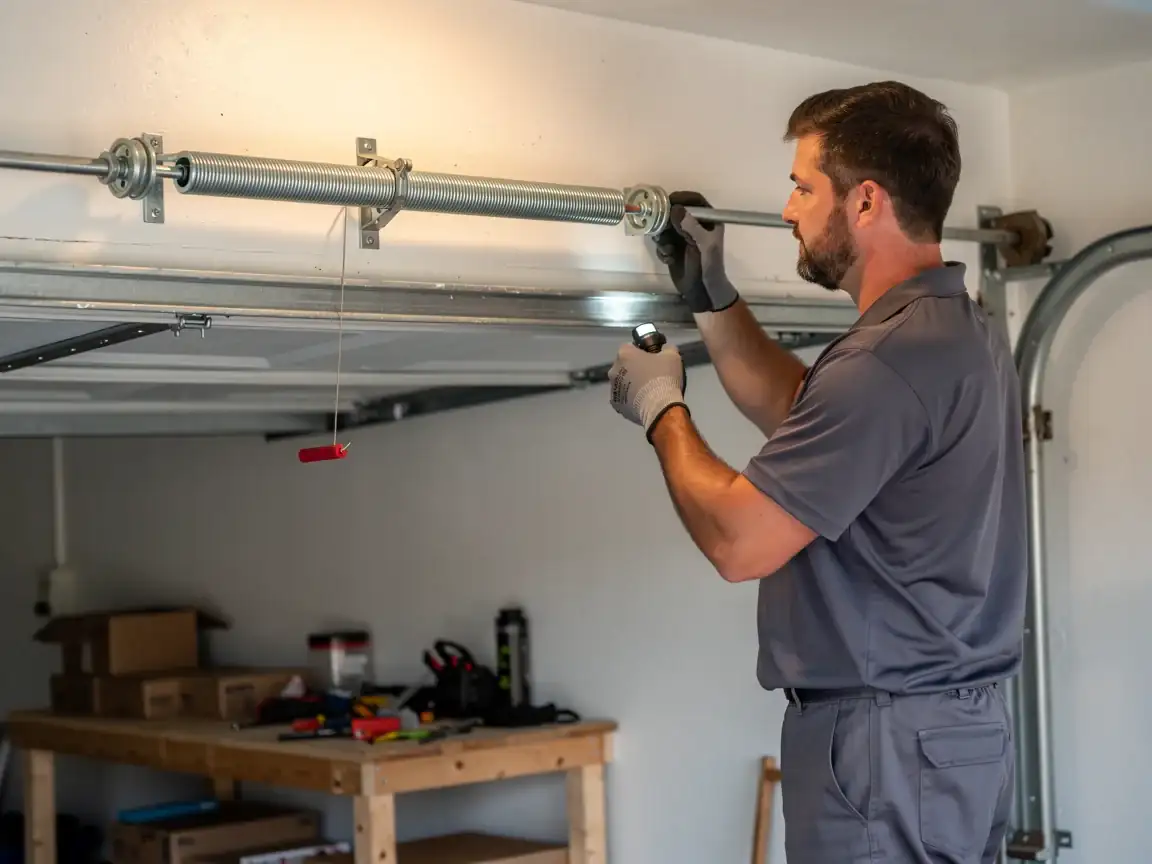
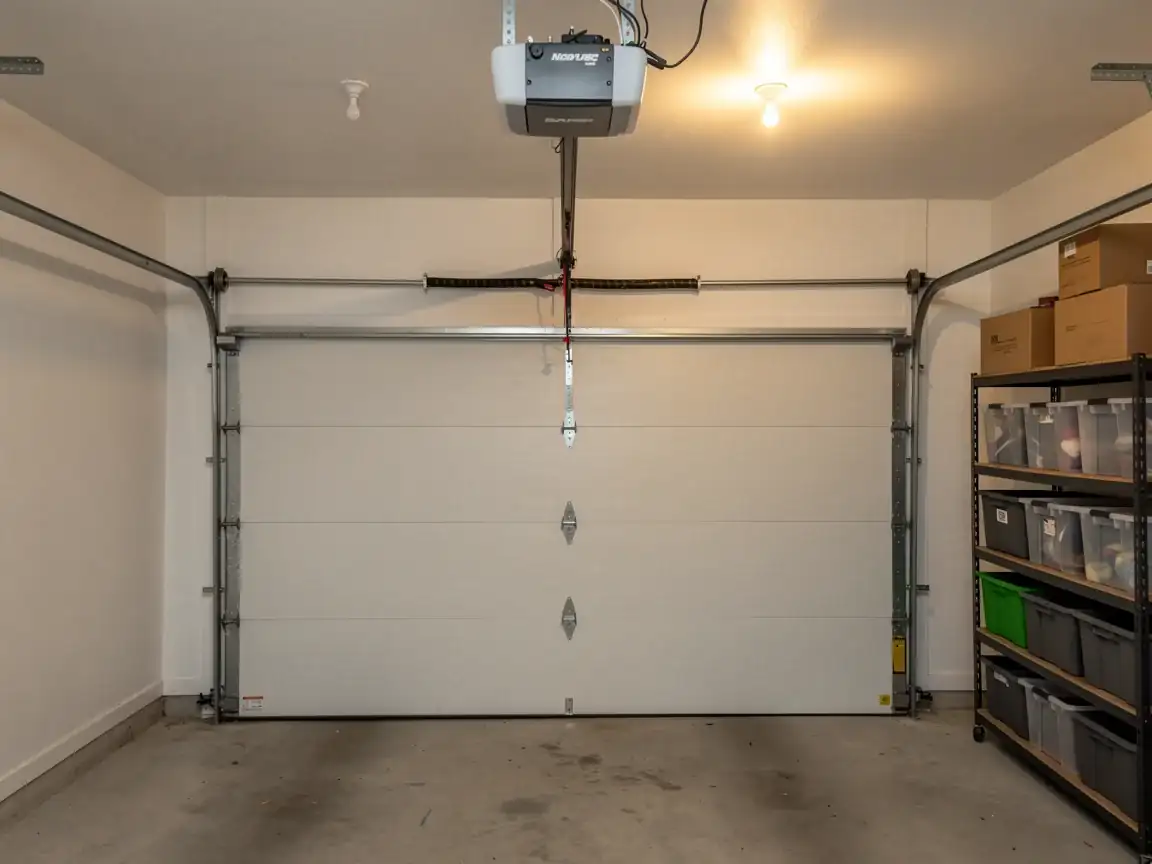
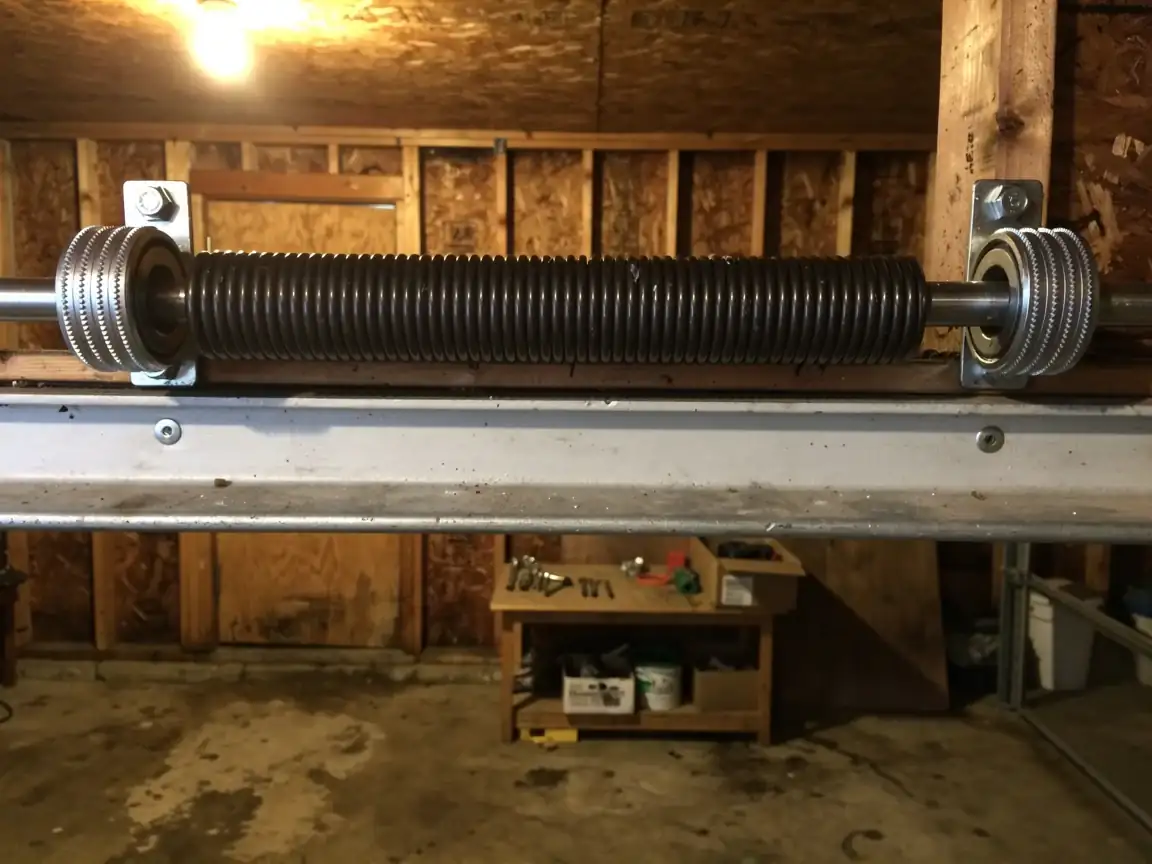
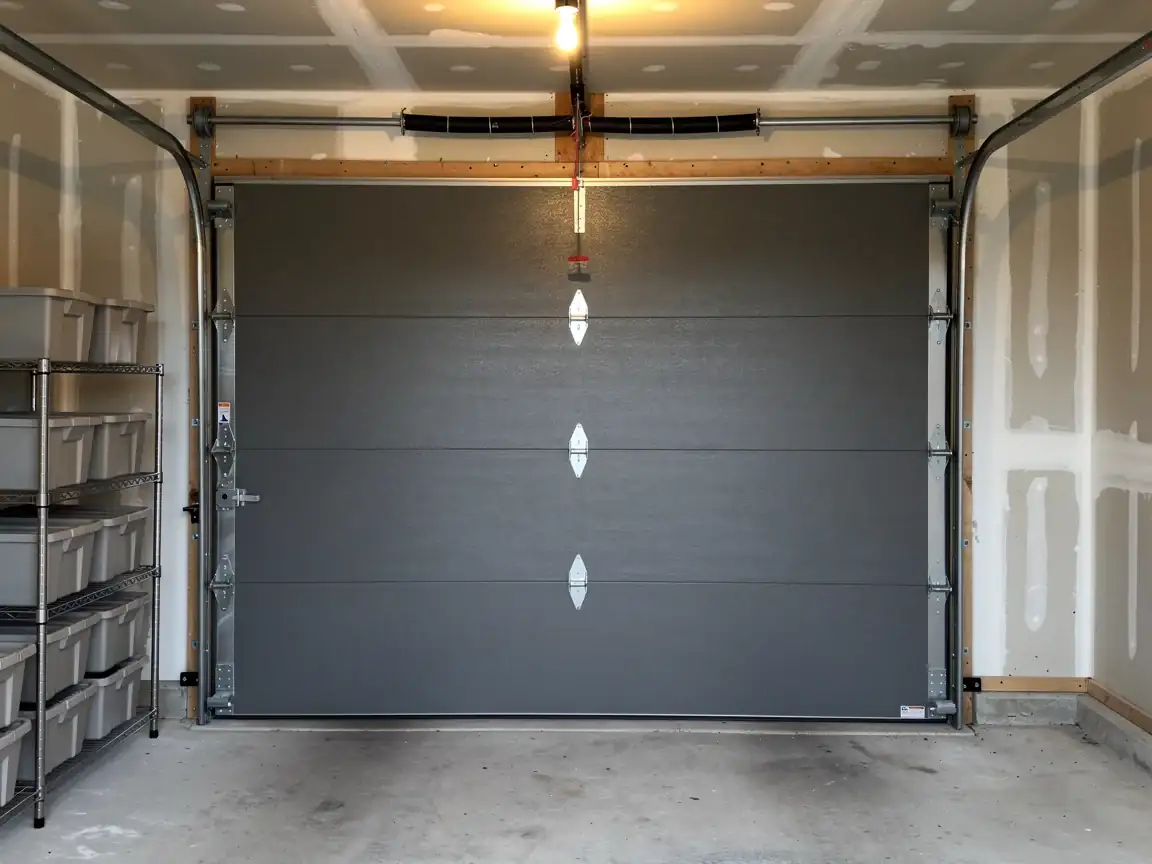
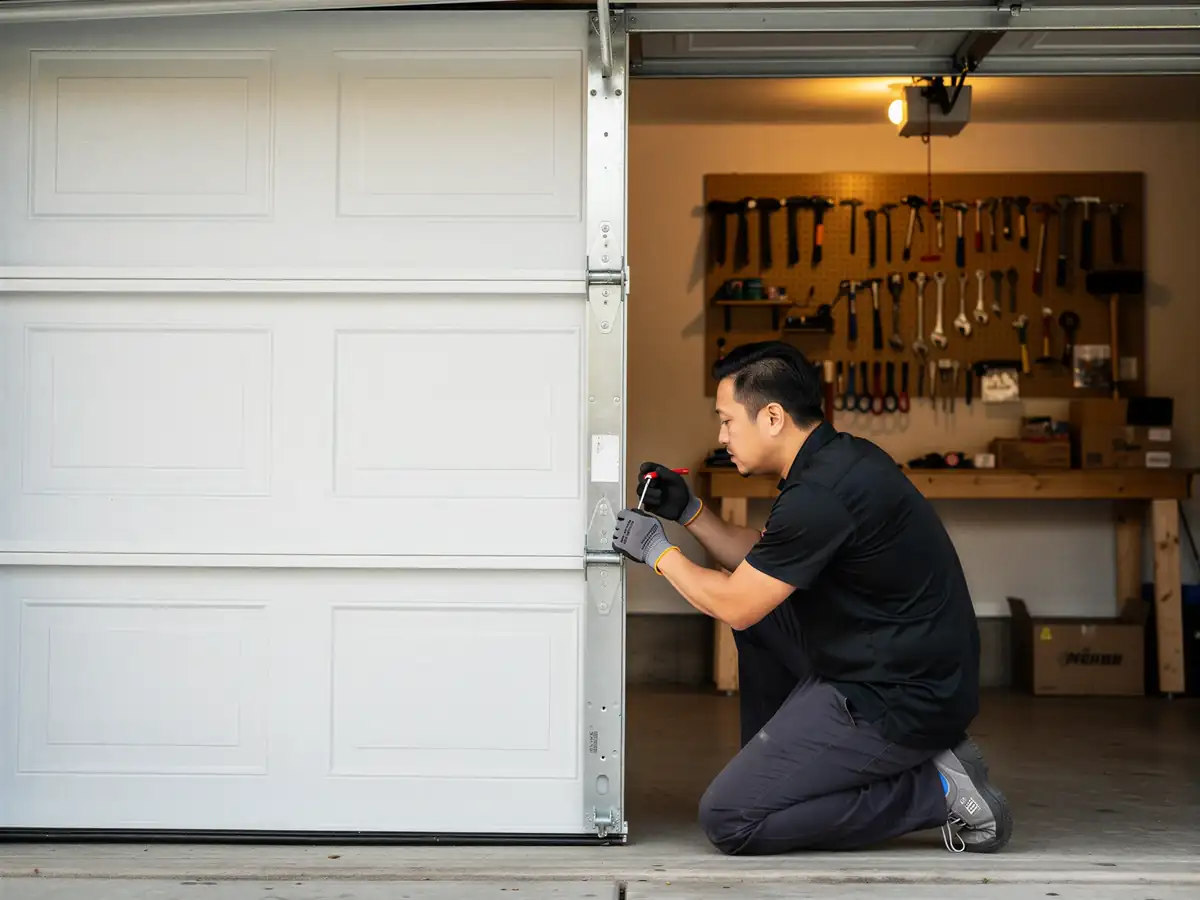
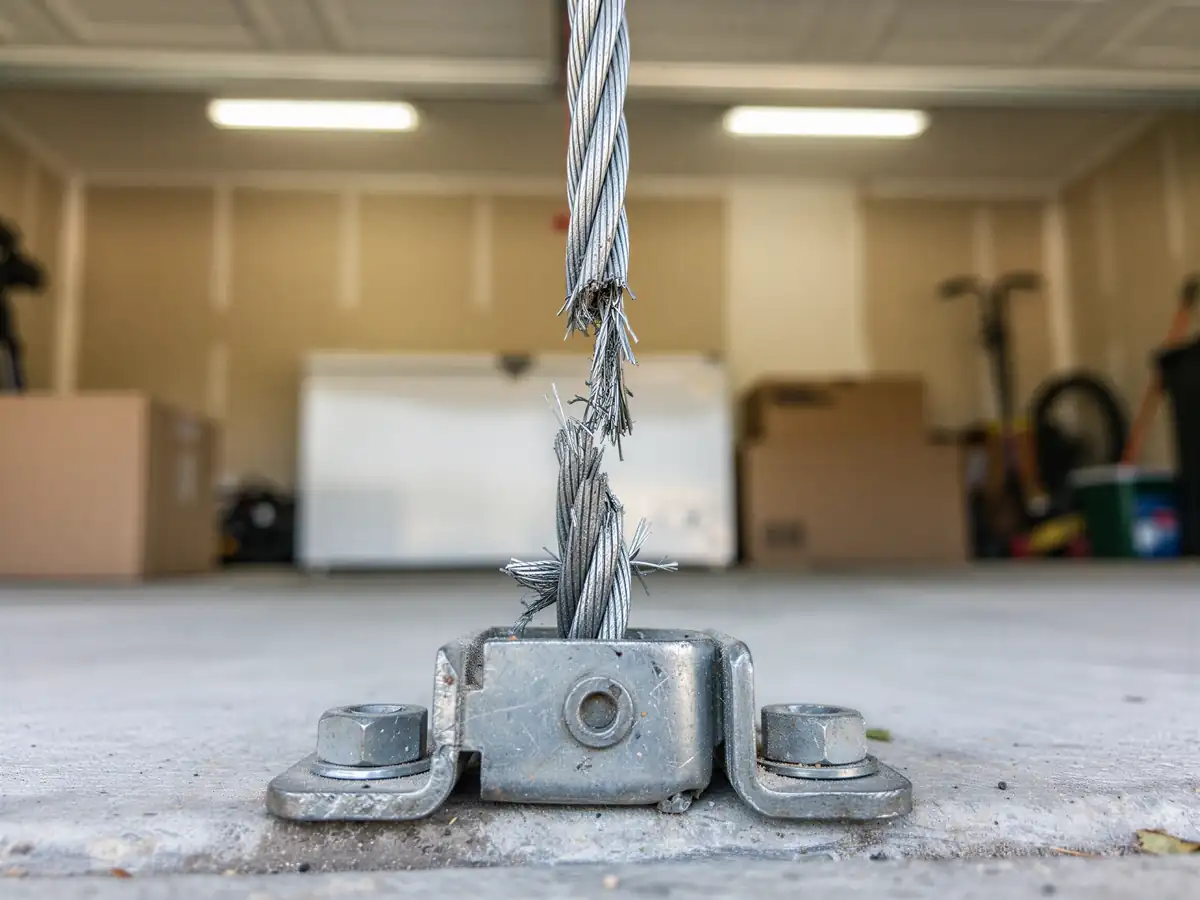
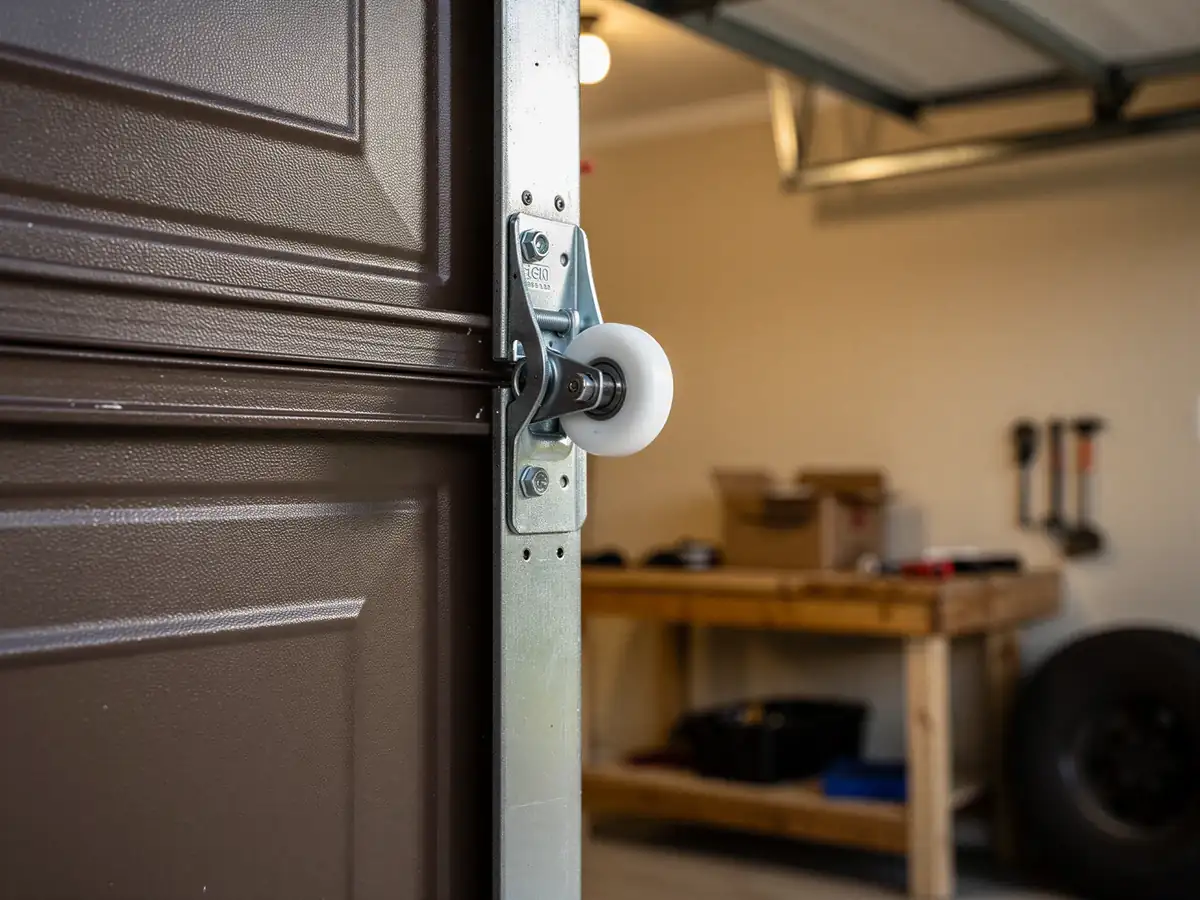
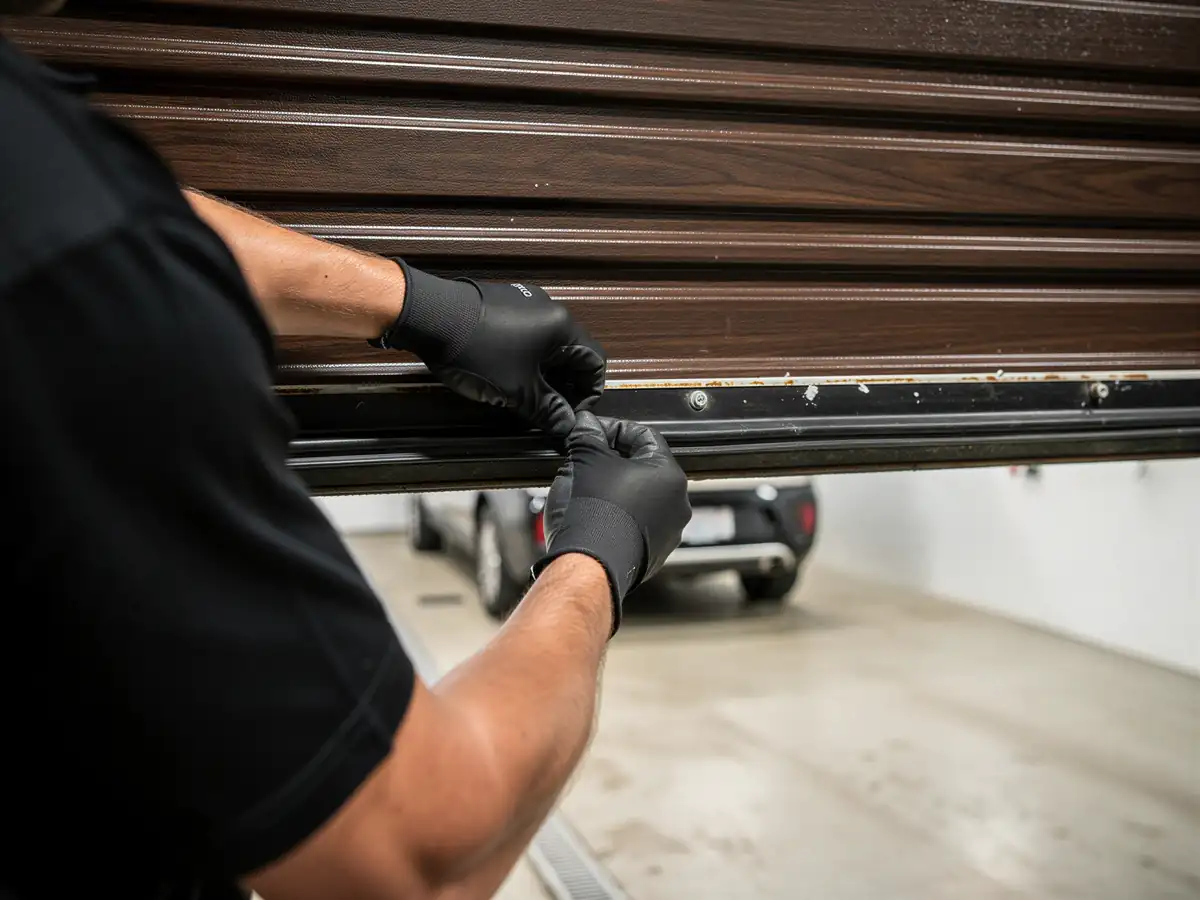
Maintenance on a 1992-era door starts with the spring. Torsion springs from that build period are nearing or past their cycle life in a lot of houses here, so we check wind tension and look for flat spots or rust pitting before they become a snapped spring on a Saturday. Rollers get pulled and inspected - nylon rollers from that era crack at the edges after enough heat cycles, and a cracked roller is what causes the grinding noise owners call about.
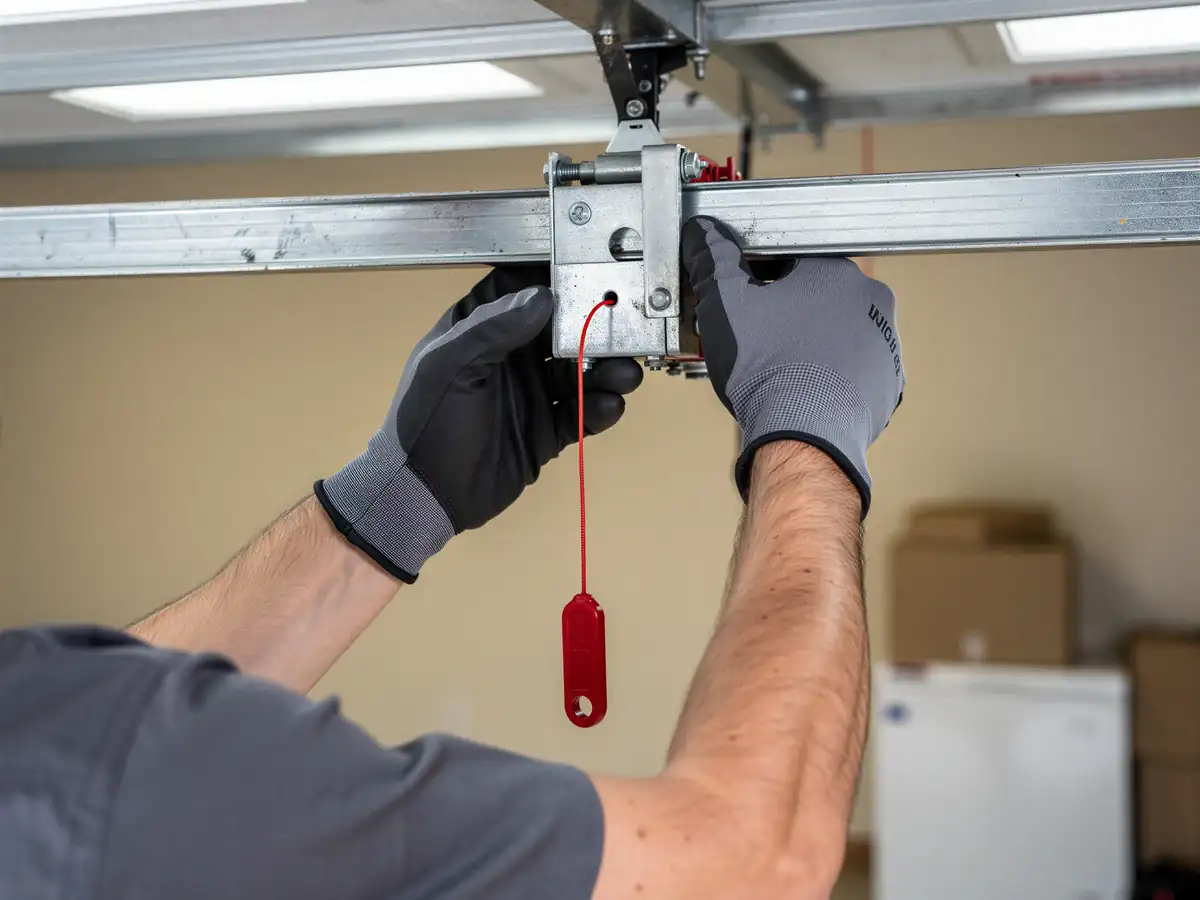
We lubricate hinges, hardware, and the opener's chain or screw drive with a lubricant rated for high-heat swings, not a generic household oil that thins out and drips by midsummer. We check the opener's force settings and safety reversal, since heat-softened seals and sensors drift out of calibration more than owners expect.
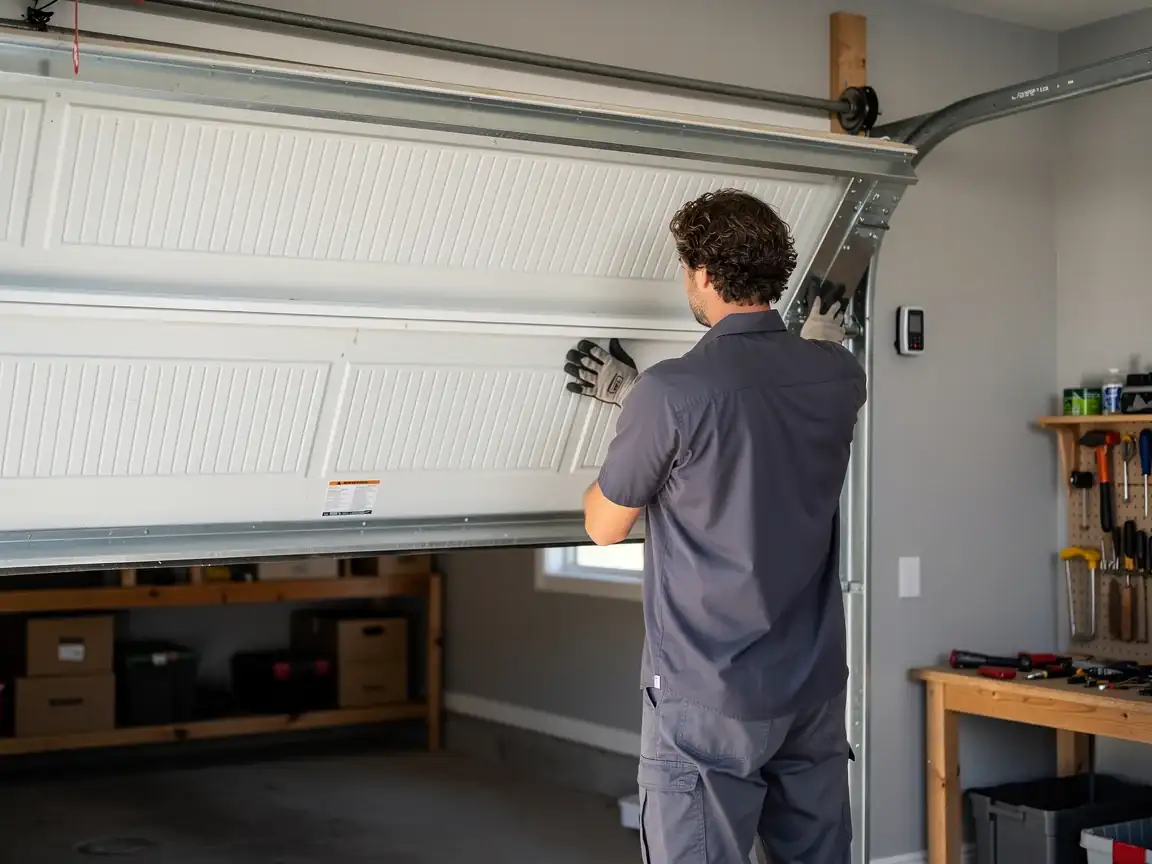
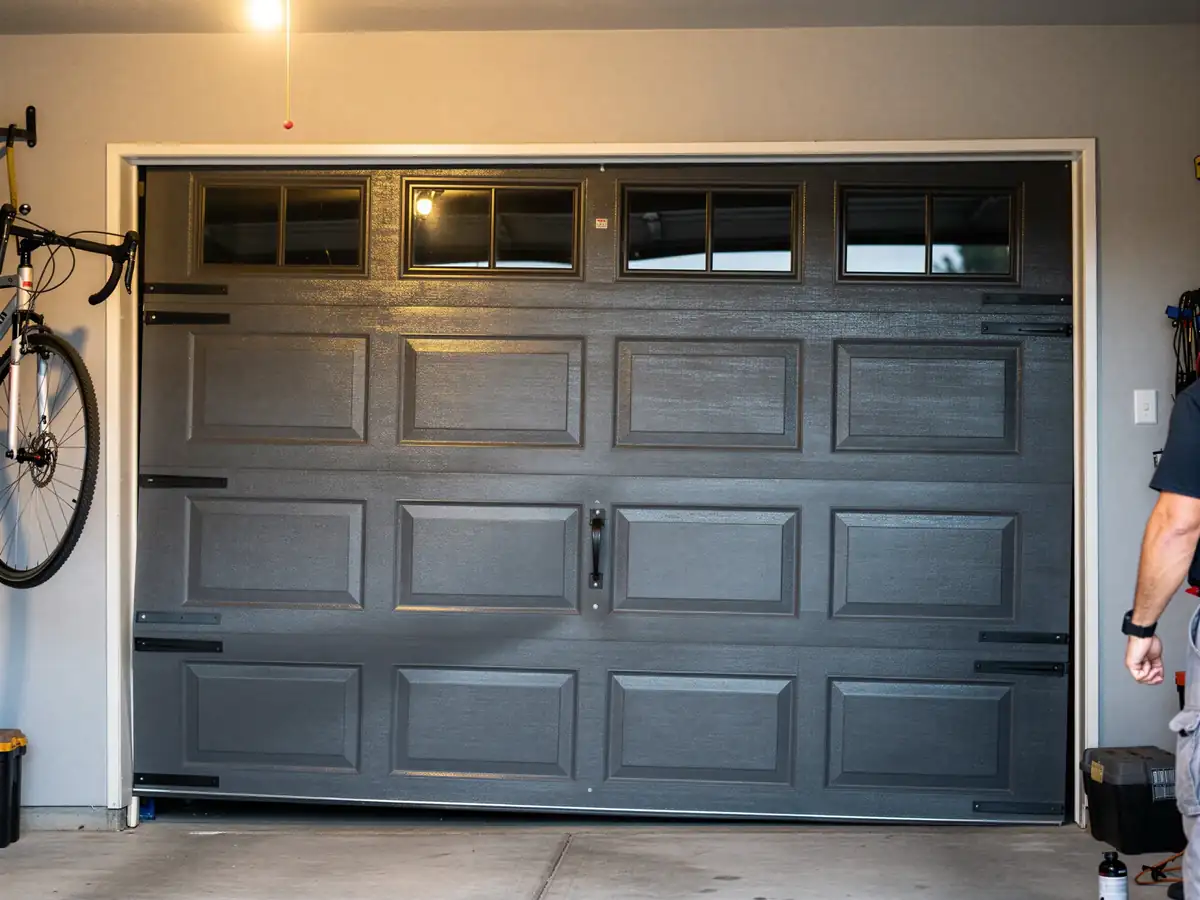
Track alignment gets checked too - a door that's been fighting a slightly bent track for years wears the rollers and opener faster than it should. None of this is exotic work. It's the same handful of checks, done in the order that catches the failure most common to houses this age.
How Long It Takes
We're coming from Laredo, 44 miles out
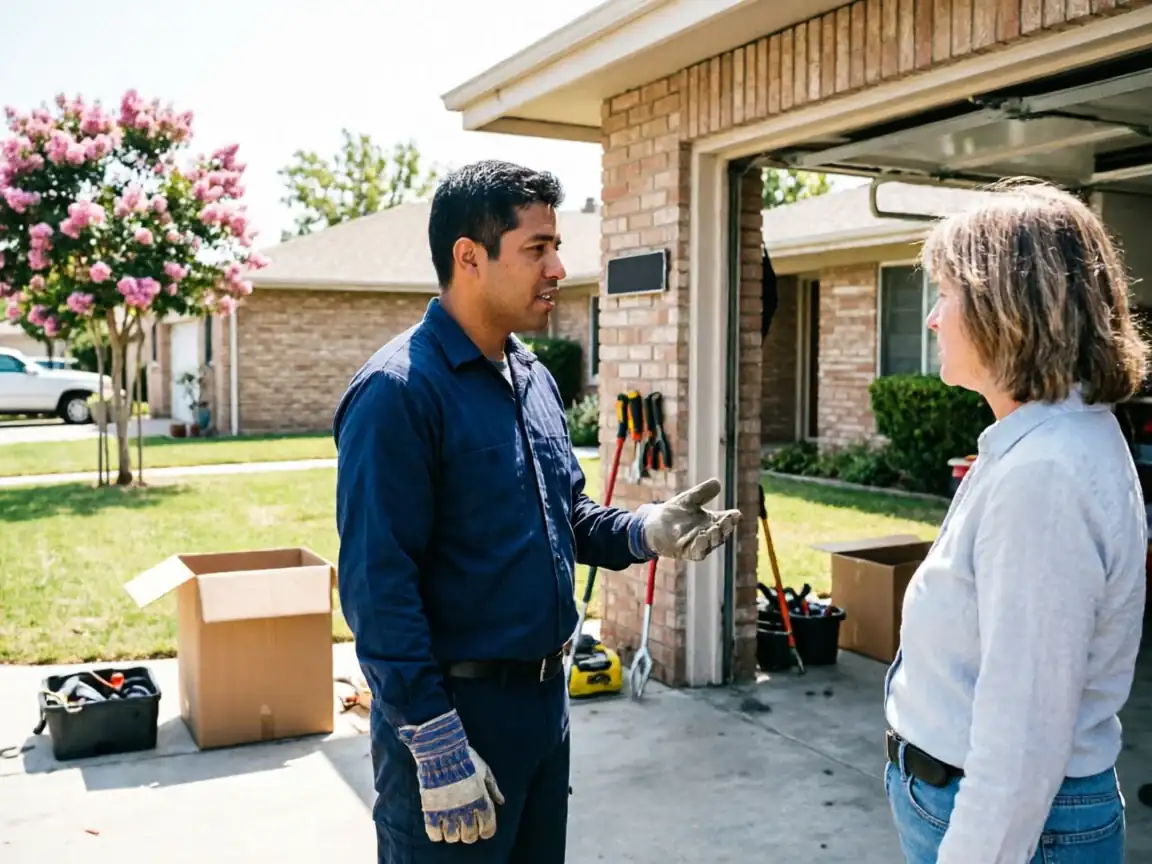
So a Zapata maintenance visit isn't a drop-in between other jobs - it's scheduled as its own trip. That means we're not able to offer the kind of same-day turnaround we might manage closer to Laredo itself. We'll give you a window when we book the visit, and we stick to it.
- 44 miles
The maintenance work itself, once we're at the door, usually runs under an hour for a single door
Spring check, roller inspection, lubrication, and opener force test don't take long once we're on site. The longer part of the timeline is getting here, not working on your door.
Where This Job Goes Sideways
The most common mistake on a door this age is treating a noisy roller as cosmetic. By the time a cracked nylon roller is loud enough to notice, it's usually also chewing up the track, and what would've been a $20 roller swap turns into a track replacement.
The other place this goes wrong is spring tension. A 1992-era torsion spring that's lost temper from years of heat cycling doesn't always fail with a bang - sometimes it just gradually under-lifts the door, and the opener compensates by working harder until the gear strips. Owners often blame the opener when the spring was the real problem.
We'll also say plainly: if a door's hardware is original to a 1992 build and showing rust pitting on the spring coils, maintenance isn't always the right call. Past a certain point, lubricating a spring that's about to fail just delays a bigger repair - we'll tell you when replacement is the cheaper long-term answer instead of patching it again.
Stocked Parts
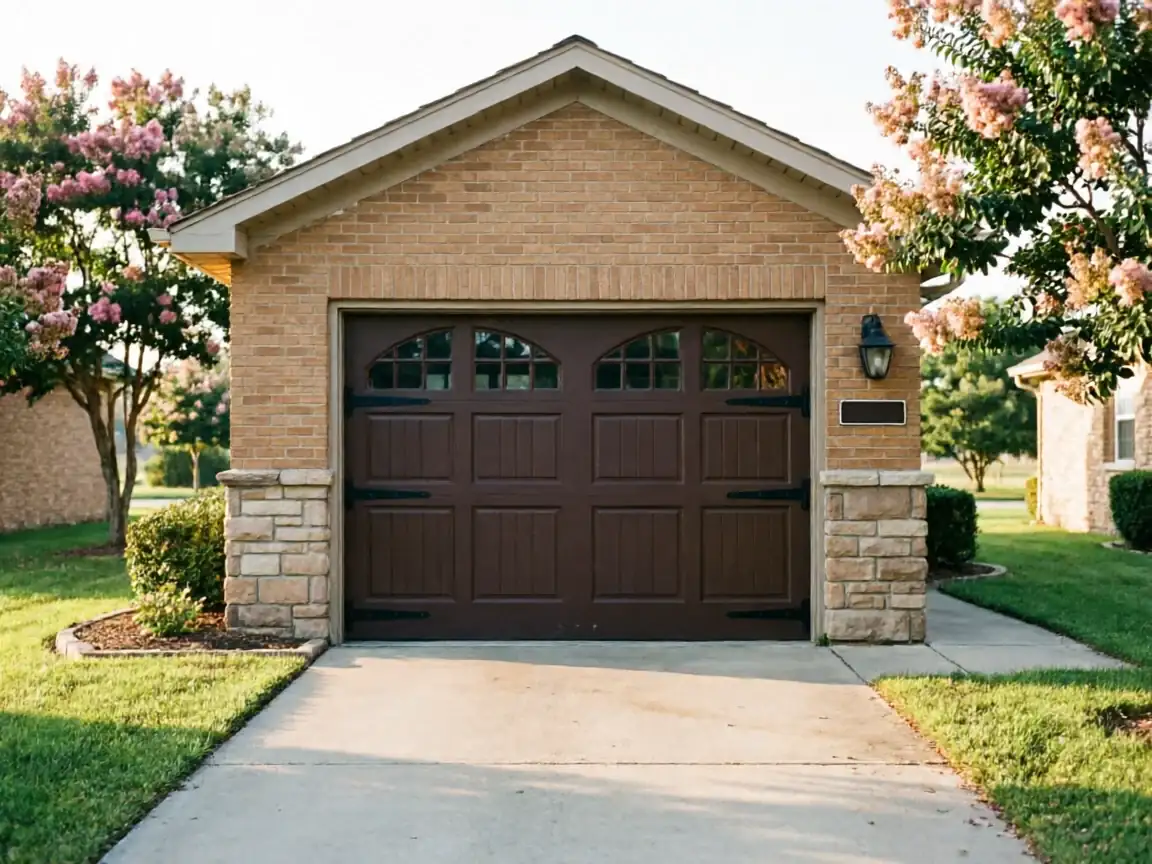
Given how uniform the housing age is around Zapata, the hardware that fails tends to repeat - torsion springs and rollers sized for the door dimensions common to 1980s-90s construction across the wider service area. We carry those sizes on the truck rather than the odd fittings from older or newer builds, because that's what the call volume out here actually calls for.
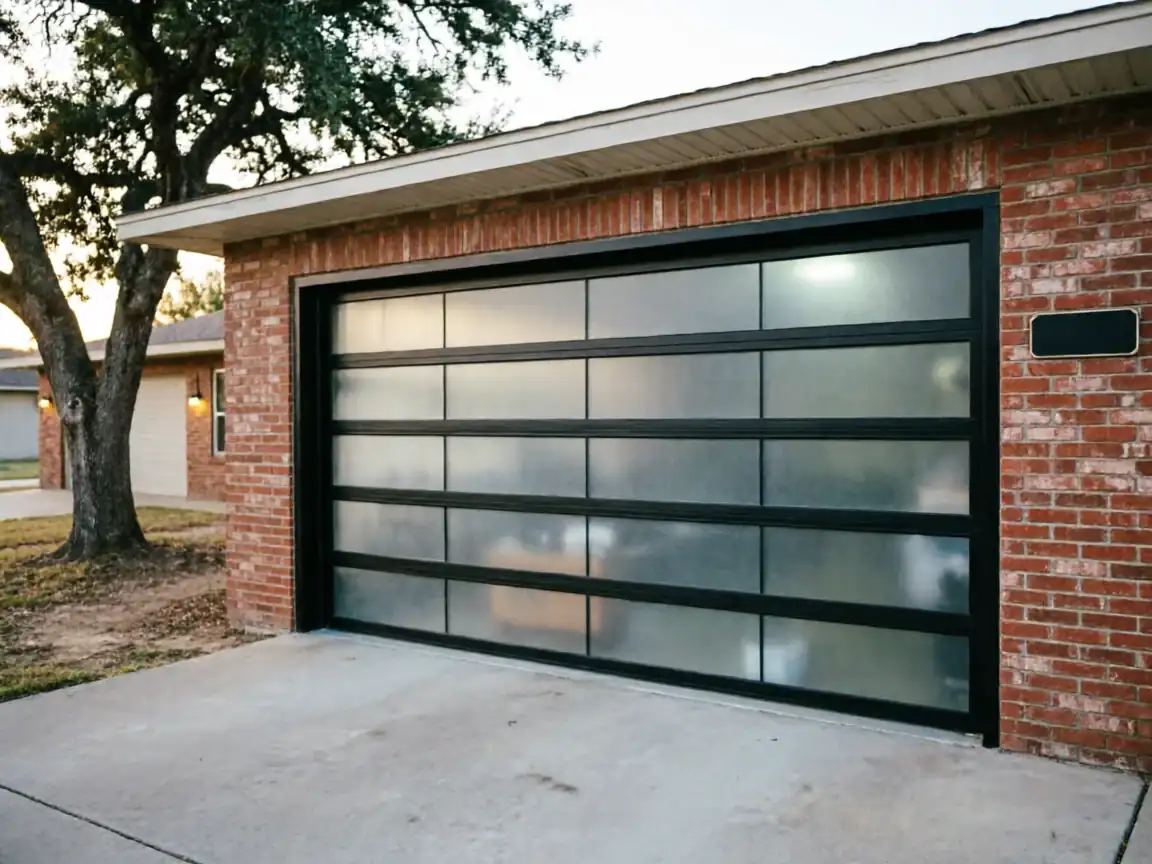
What we don't stock are parts for unusual or custom door setups - if a house has had a nonstandard door installed at some point, that part may need to be ordered, and we'll say so up front rather than pretend otherwise.